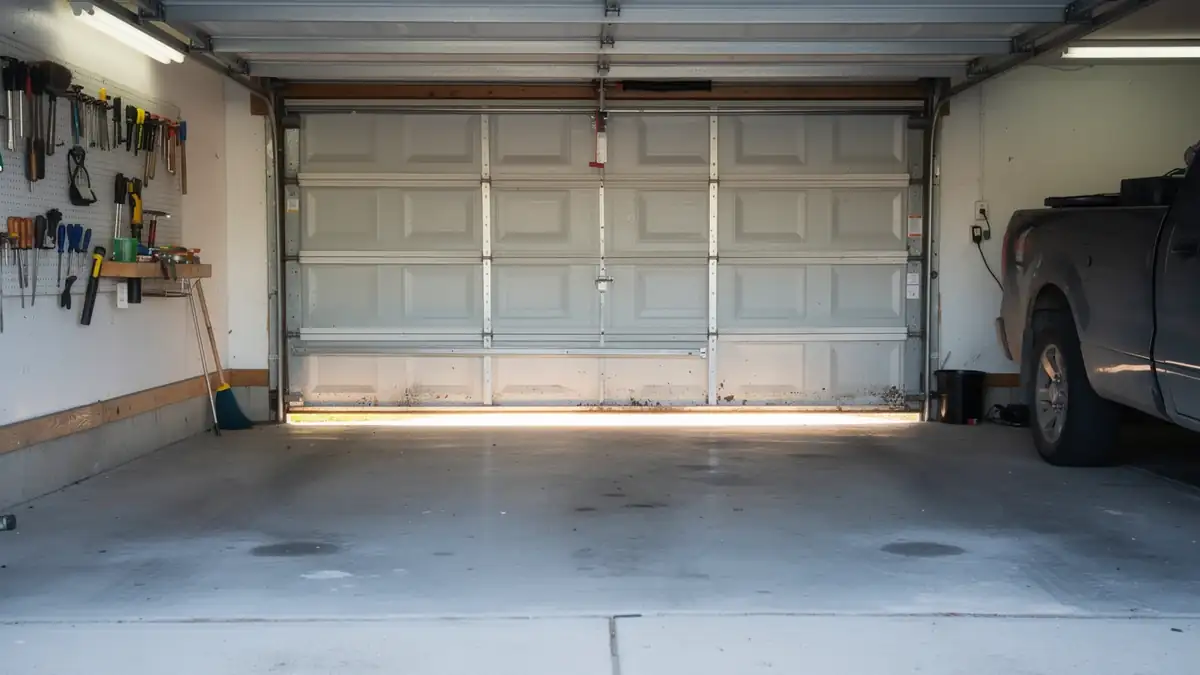
When It Stops Being a DIY Job
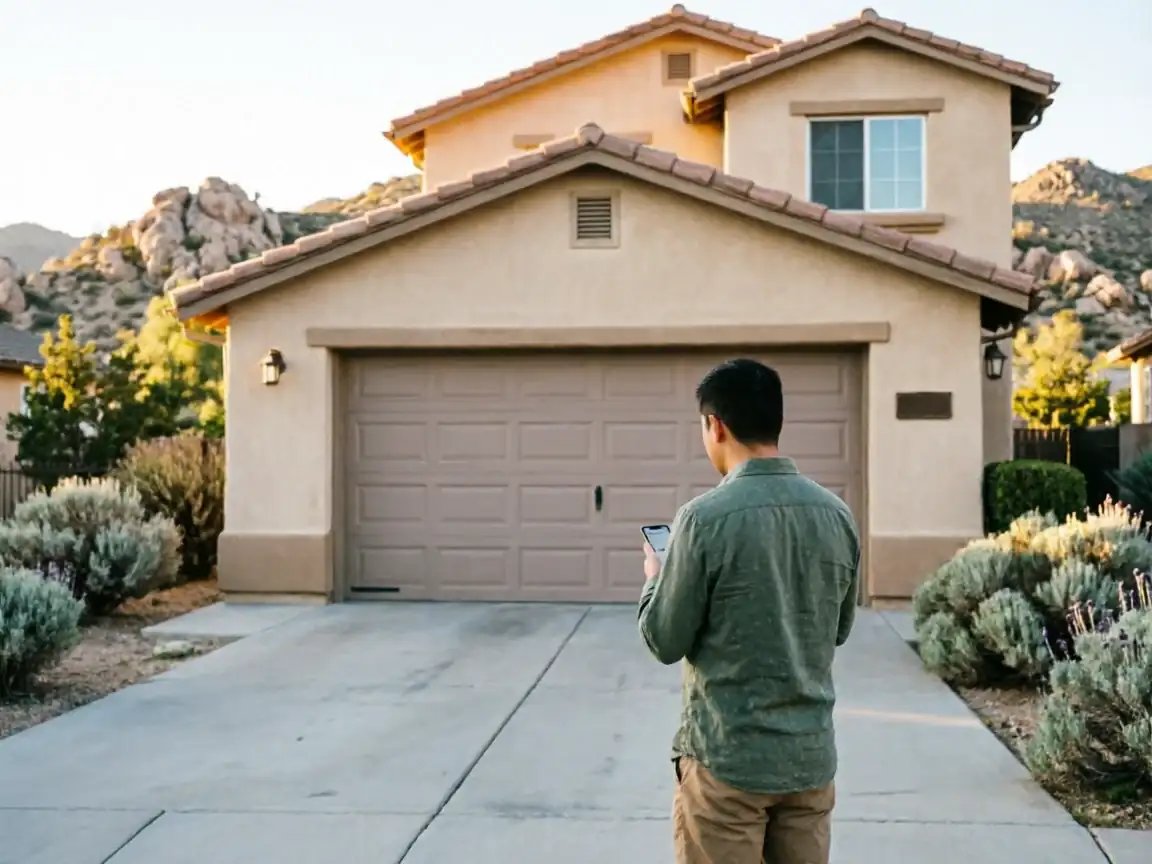
Most of the garage doors in this part of Fountain Hills went in when the house did
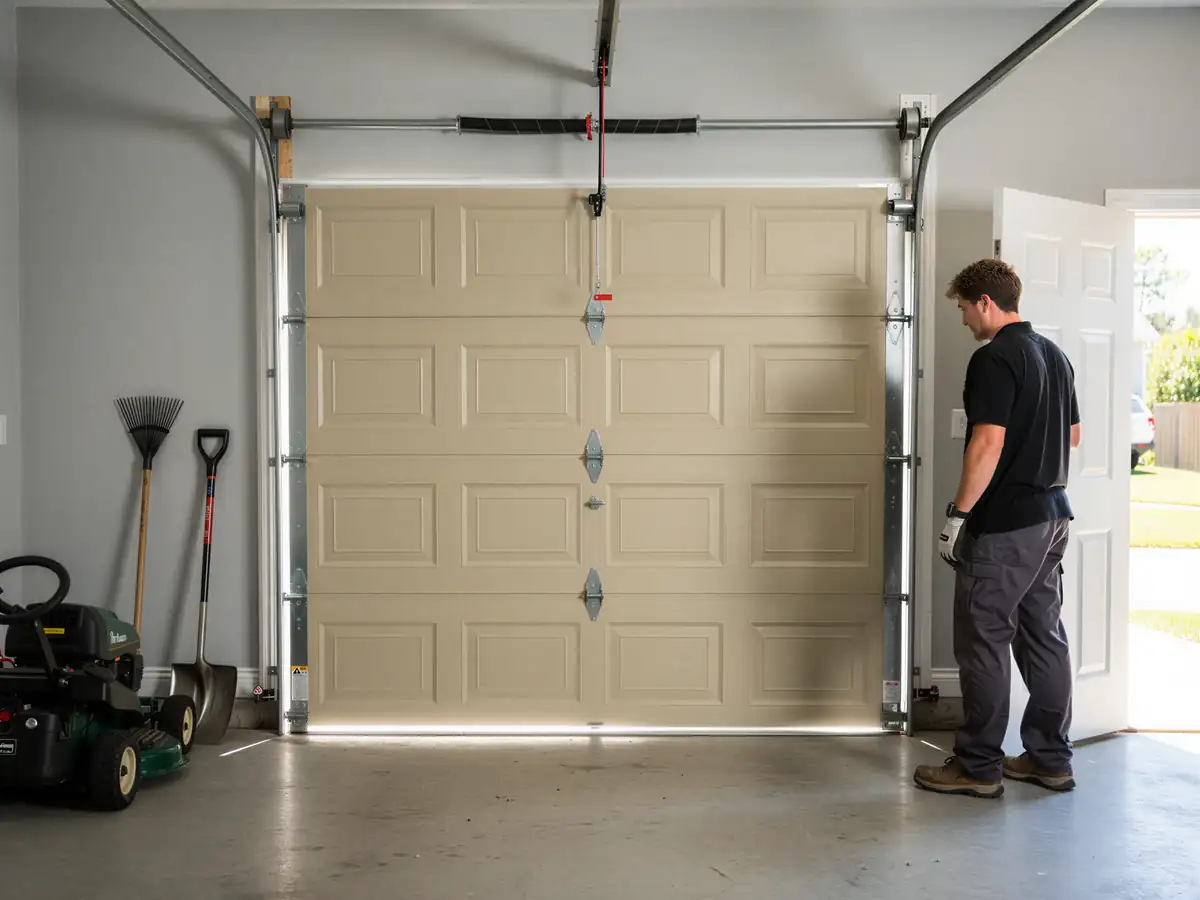
And that house went up somewhere between 1985 and 1994, with 1989 sitting right in the middle. That puts a lot of original torsion springs and openers at thirty-plus years old. Springs are rated for a cycle count, not a calendar date, but age and heat both chip away at that rating, and a spring that's been quietly weakening for three decades doesn't give much warning before it lets go.
You can handle a lot of this yourself
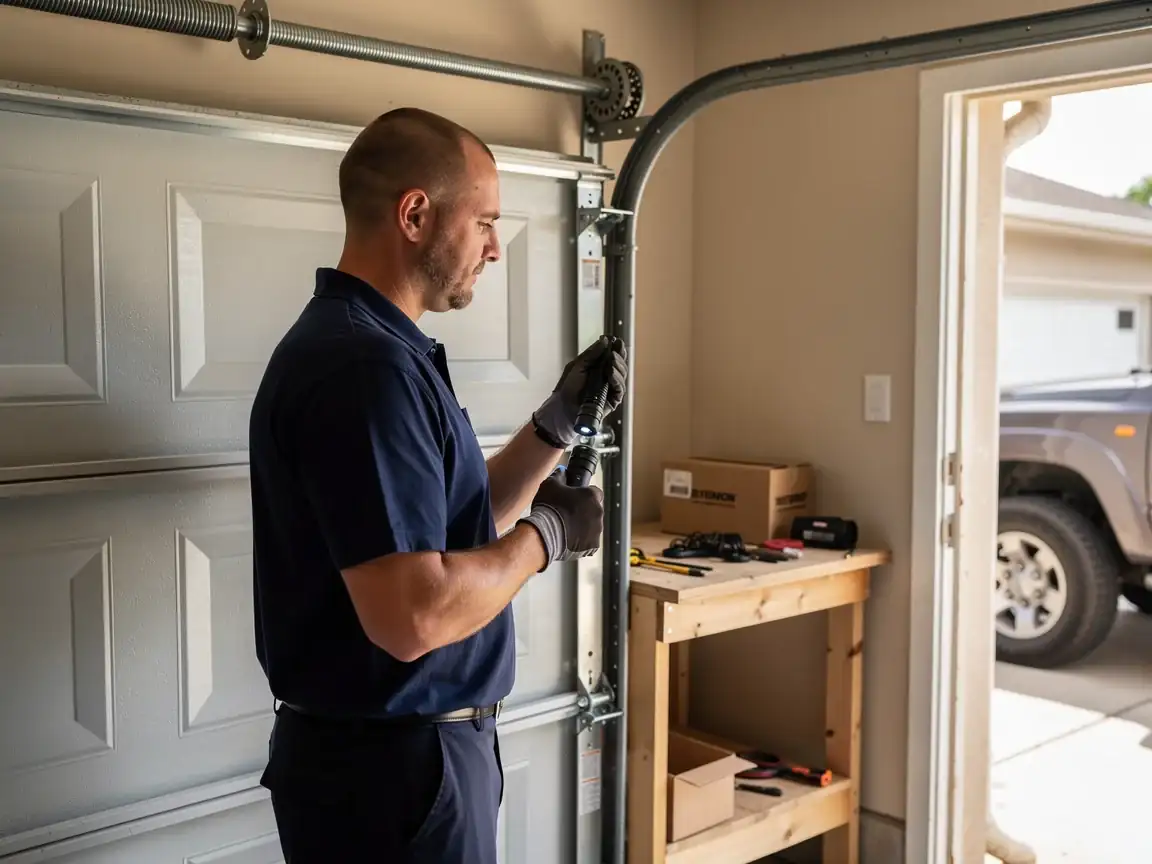
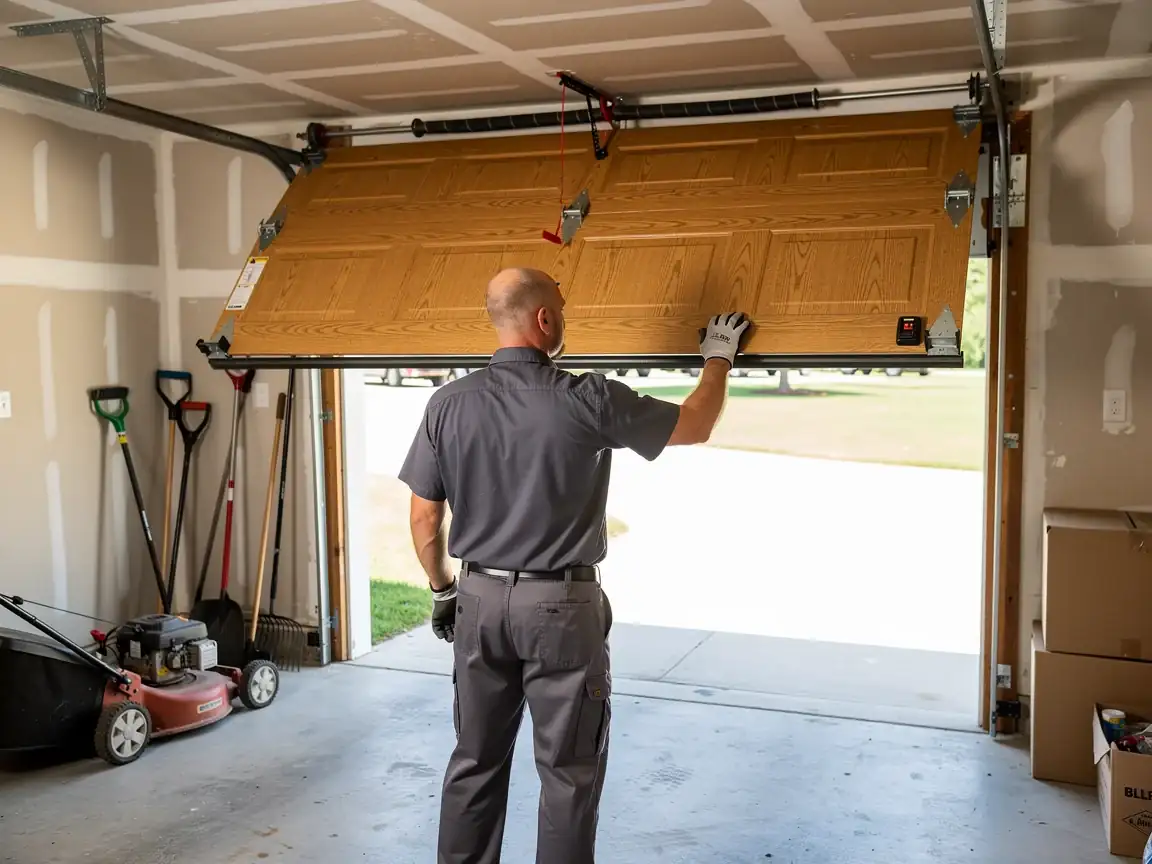
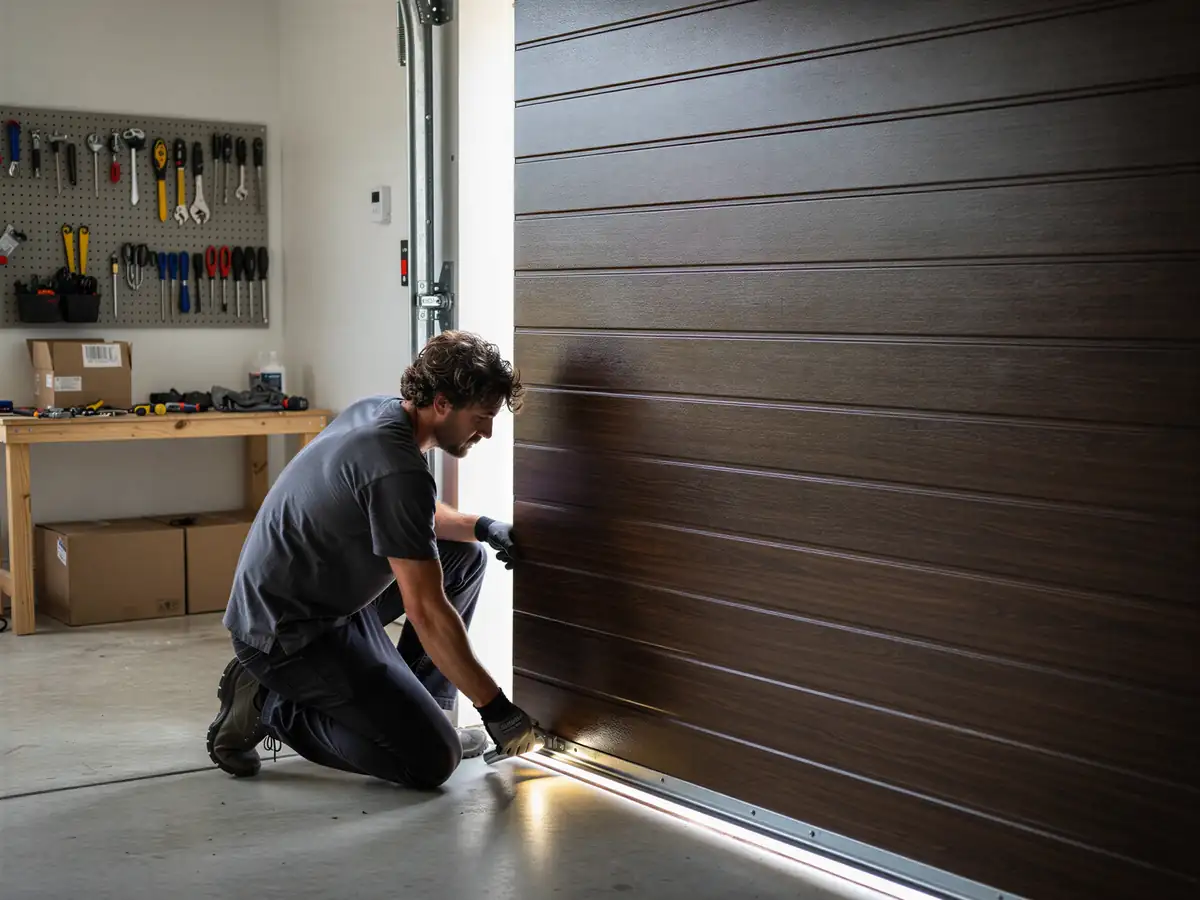
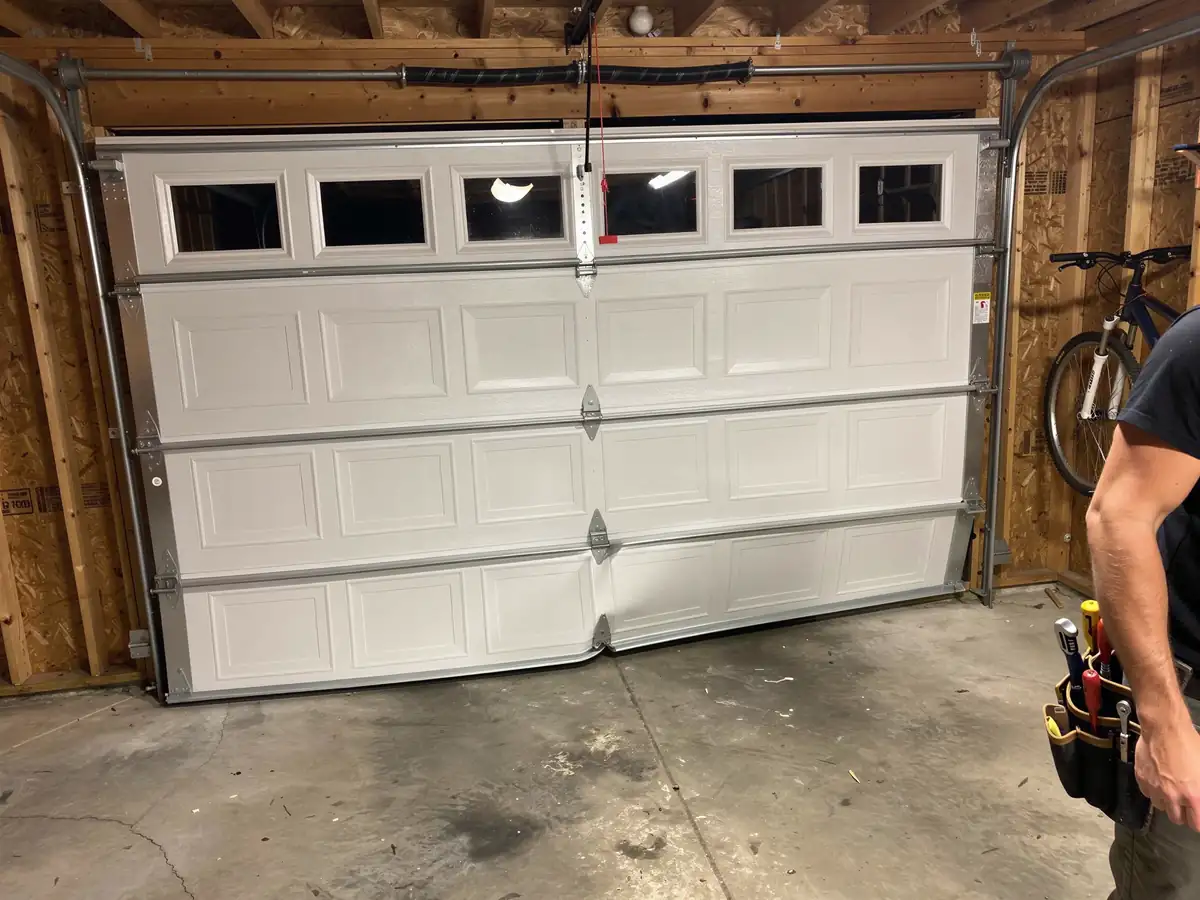
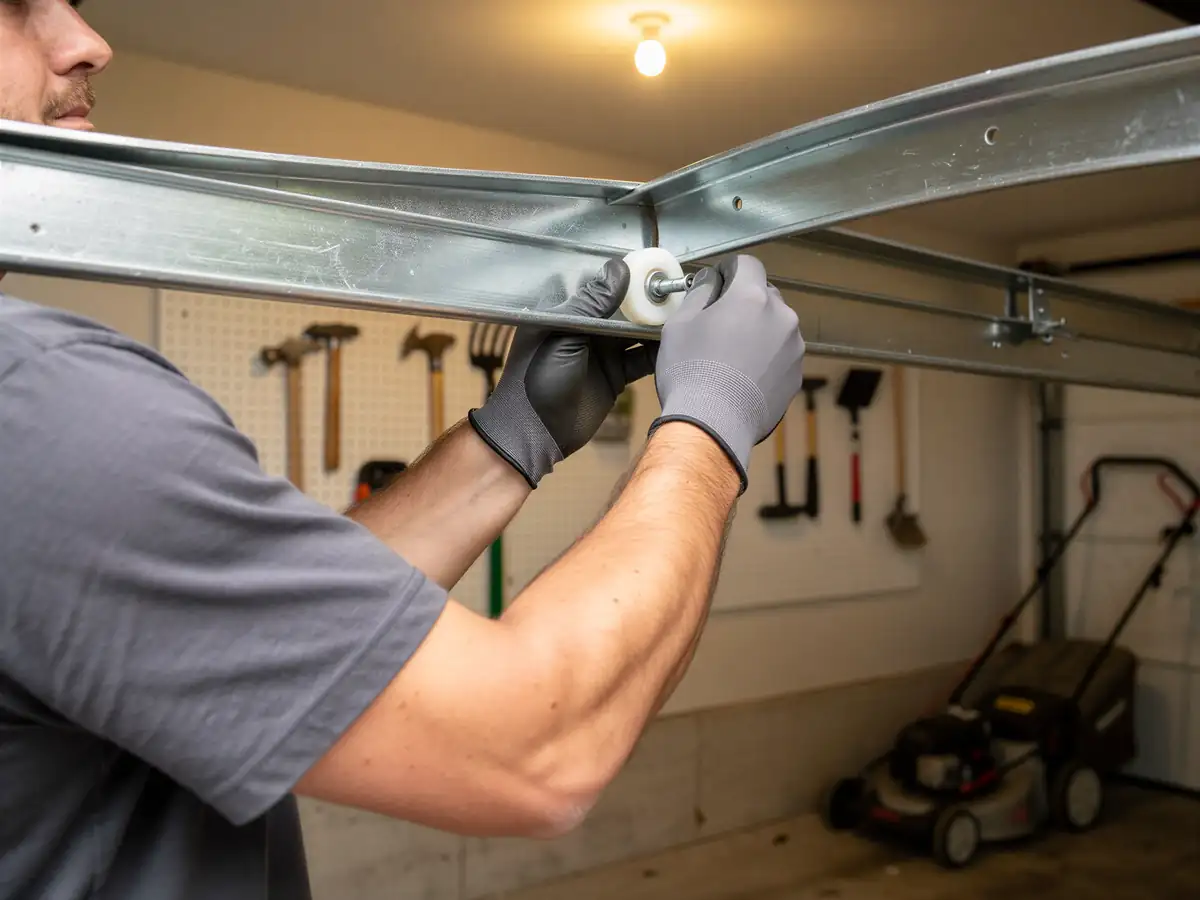
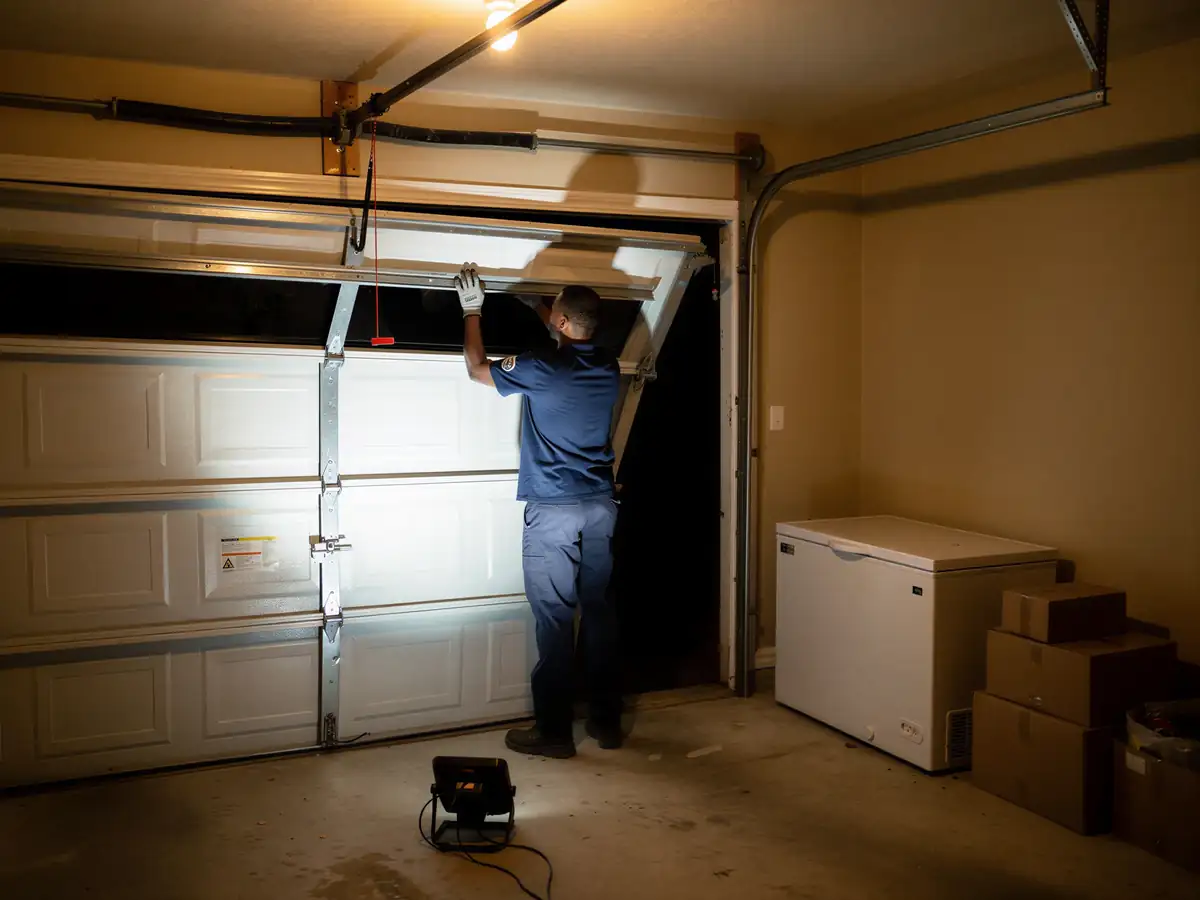
Lubricating rollers, tightening loose hardware, swapping a remote battery, clearing the photo-eye sensors. What you shouldn't handle yourself is anything involving the torsion spring under load, the cables, or the bottom bracket on a door that's already sagging on one side. That's where a wound spring under tension does the damage, not the door. If your door is from that original 1985-1994 wave and you've never had the springs replaced, that's not a DIY weekend - that's a call.
We'll also tell you when it's not worth fixing at all
A steel door from that era with a bent track and a dead opener is sometimes cheaper to replace outright than to patch piece by piece, and we'll say so instead of running up a repair bill on a door that's on its way out anyway.
How Local Conditions Play In
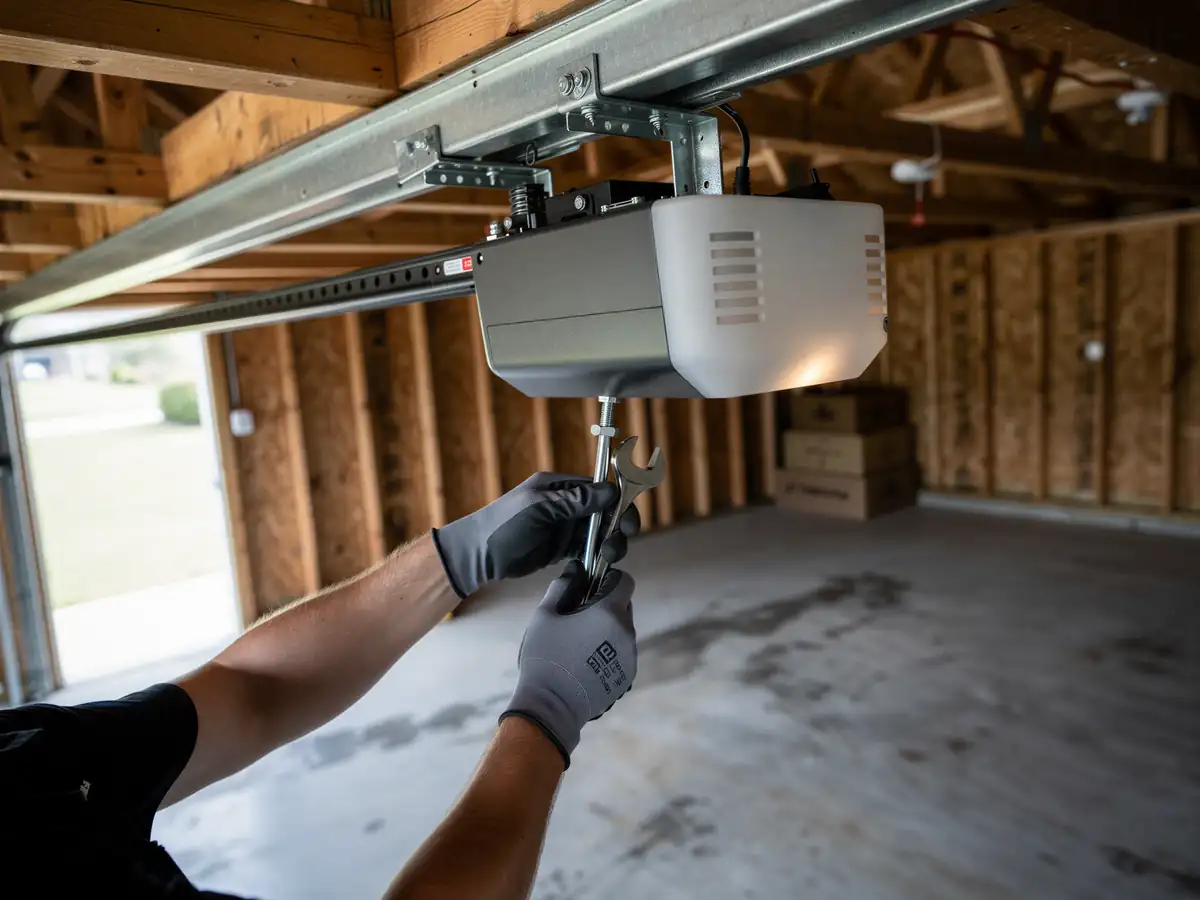
Fountain Hills sits in a climate band rated severe for heat, and heat is rough on garage door hardware in specific ways. The nylon gear inside a chain-drive opener softens and wears faster once the garage itself climbs into the triple digits for weeks at a time. Lubricant on torsion springs and rollers breaks down quicker in sustained heat than it would somewhere milder, which means a spring that might have creaked along for another few years in a cooler town is more likely to snap here first.
With median household income in the service area at $141,331, most of the calls we get aren't about stretching a repair as far as it'll go - they're about getting it done right once, with a new opener and matched springs instead of a mismatched patch. That's a choice available because of the income level here, not because the parts are different.
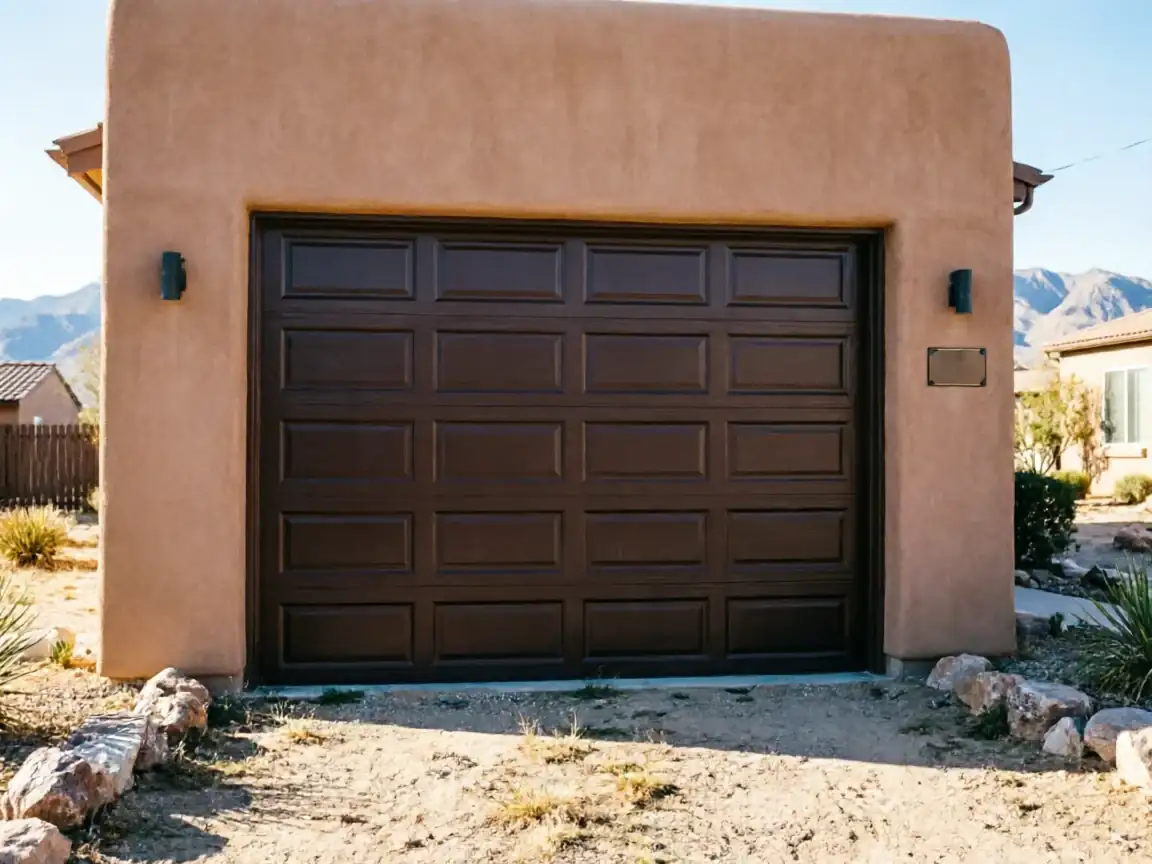
The housing stock matters too. A door built for a house finished in 1989 was spec'd to the building standards of that decade, not today's. We're not going to tell you that door violates some code it never had to meet - it didn't - but it also wasn't built with the opener gear and weatherstripping options available now, and three decades of Arizona summers have worn on it accordingly.
What Is Going On
Here's the plain version: houses in this stretch of Fountain Hills, including areas like mostly went up in the same narrow window, the mid-1980s through the mid-1990s. That means the garage door hardware across whole streets is aging on roughly the same clock. When one neighbor's spring goes, it's worth checking your own, because it was likely installed around the same time, by the same builder-grade supplier, to the same spec.
Across the service area there are about 8,109 households and 8,588 owner-occupied houses, and a meaningful share of those garages are running original or close-to-original equipment. That's not a guess about any one house - it's the pattern you'd expect from a town whose housing stock clusters this tightly around a single decade. We see openers failing in batches by age rather than randomly, and springs going out in pairs on double doors that have never been touched since the house was framed.
What this isn't is a reason to panic about a door that's working fine. A door built in 1989 that's been lubricated now and then can still be solid. It's a reason to actually look at the spring and cable condition rather than assume everything's fine just because the door still opens.
What Changes With the Season
The severe-heat rating on this climate means summer is the hard season for doors here
Not winter. Metal track expands slightly in extreme heat, which can turn a door that was running quiet into one that's grinding or catching partway up. Lubricant that was fine in spring gets thin and gummy by August, and that's when we see the most opener gear failures and the most cables showing fray - heat-stressed hardware finally giving out under daily use.
Cooler stretches of the year are the better window for spring replacement and full opener swaps
Simply because working in a hot garage with a wound spring is worse for everyone, including the tech doing the job. If your door is overdue for new springs, scheduling it before the hottest months isn't about saving money - it's about not doing that job in a garage that's already baked all day.
If you're out toward Rio Verde or down near Paradise Valley, the same pattern holds
Since the heat band doesn't stop at a street. We don't have a list of exact seasonal failure counts to hand you, but the pattern of what breaks and when tracks the heat, not the calendar month by name.