What You Are Seeing
A dented or bowed panel on a garage door isn't just cosmetic
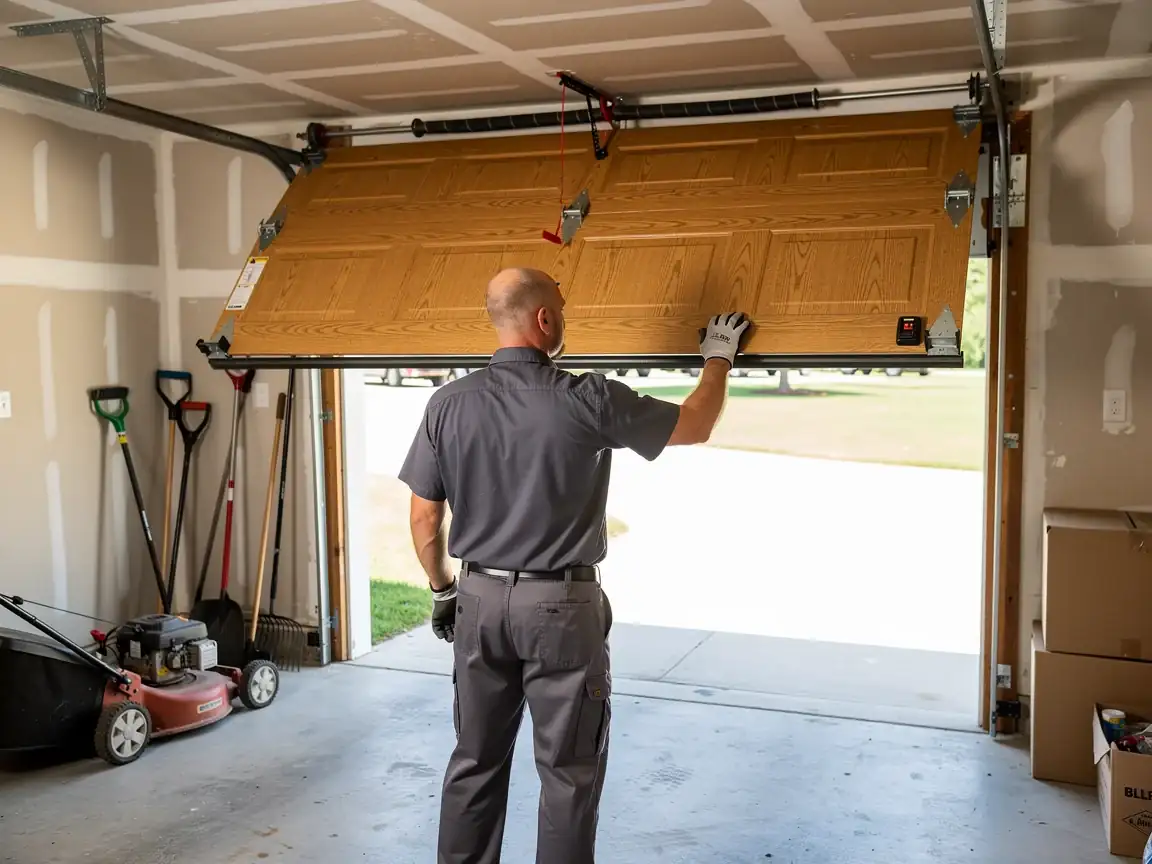
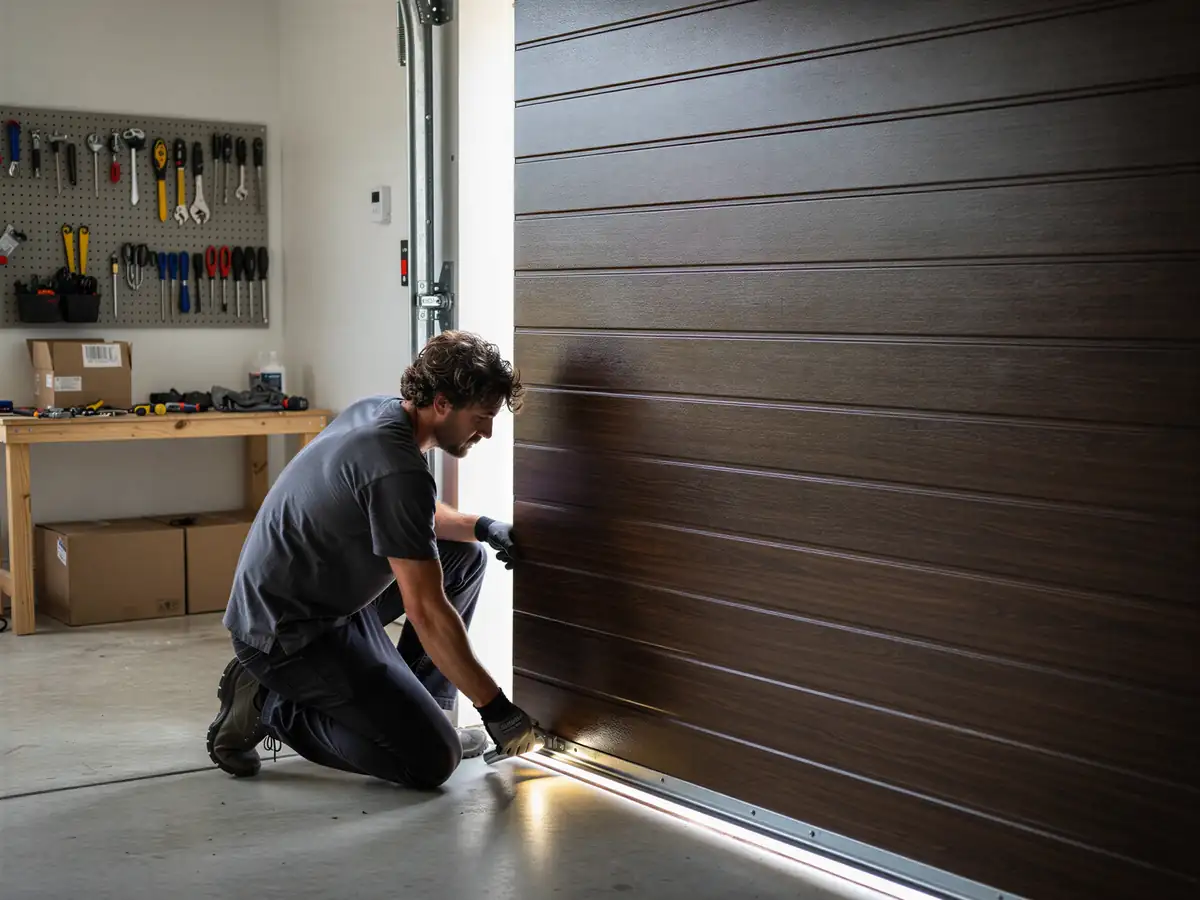
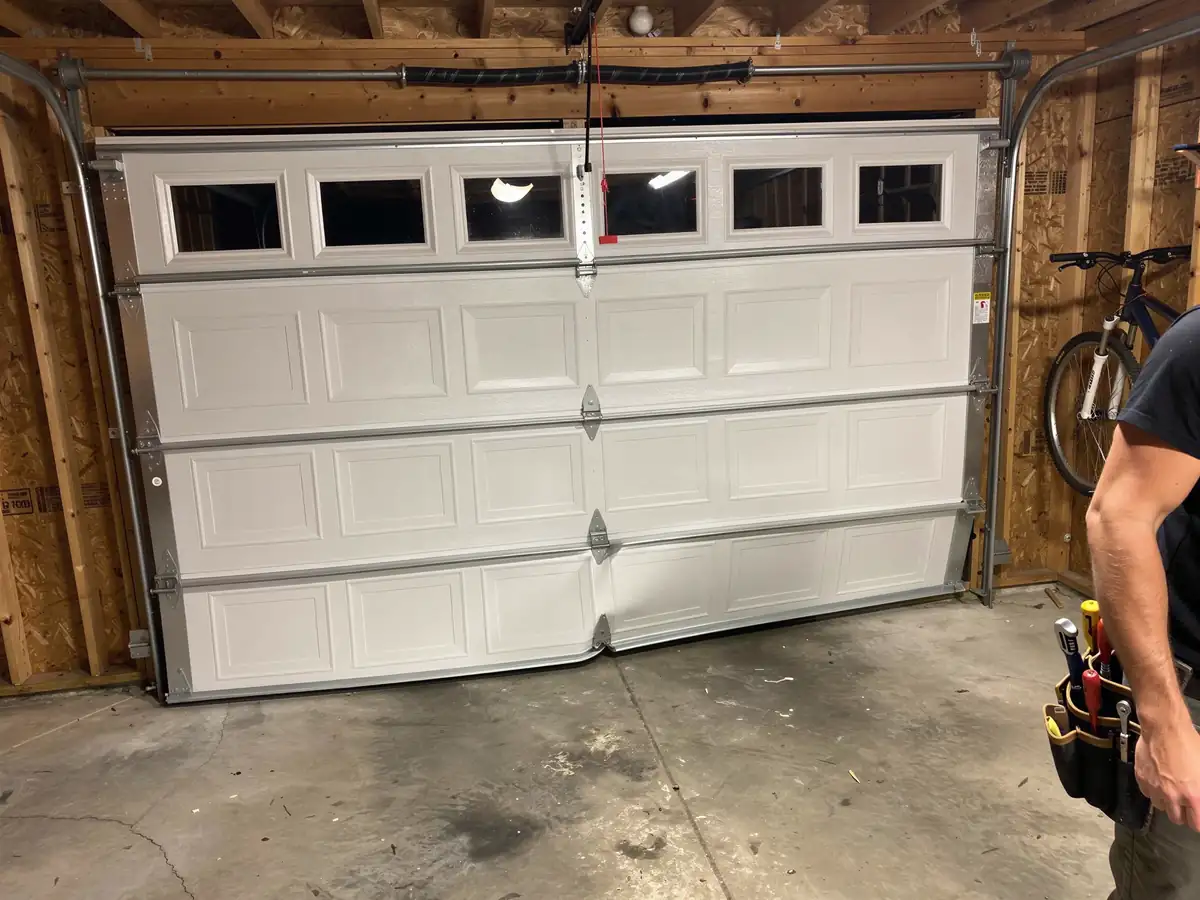
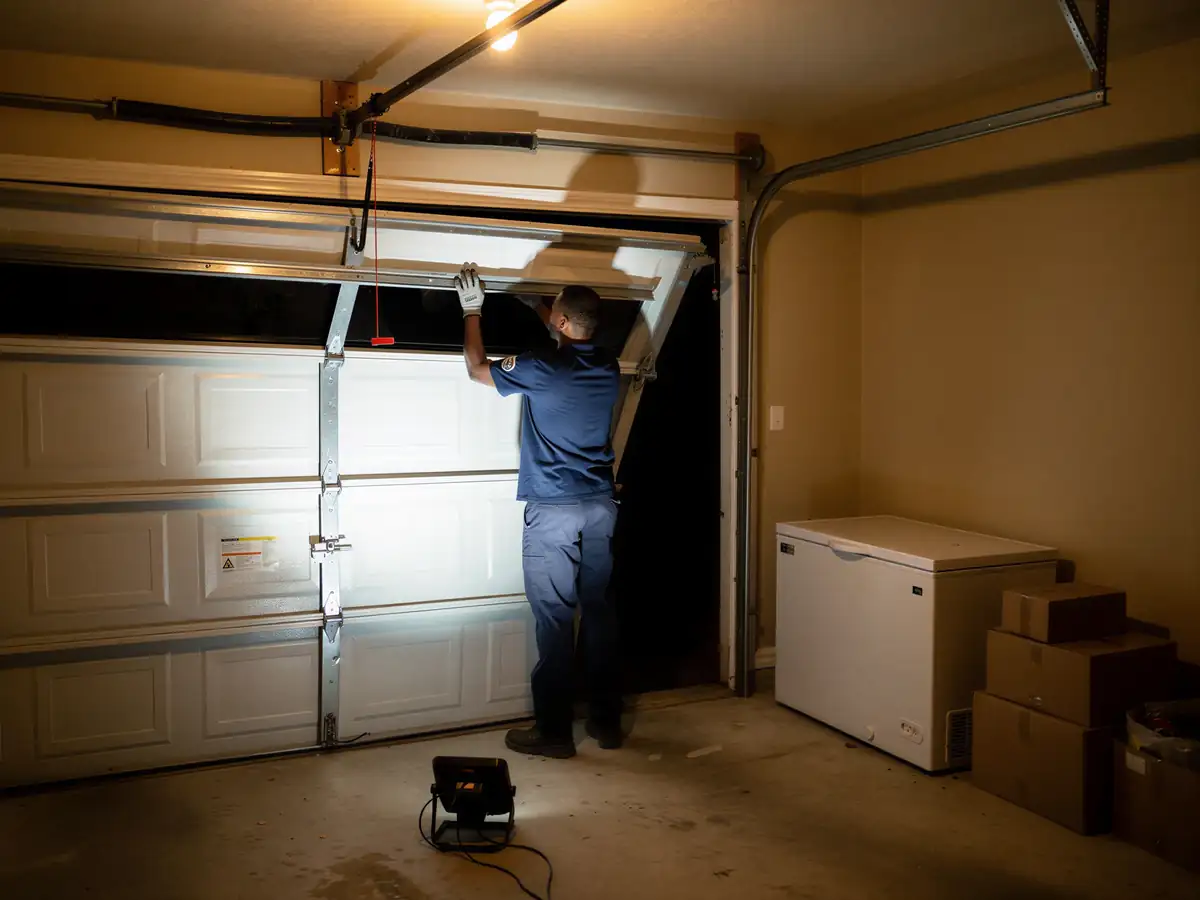
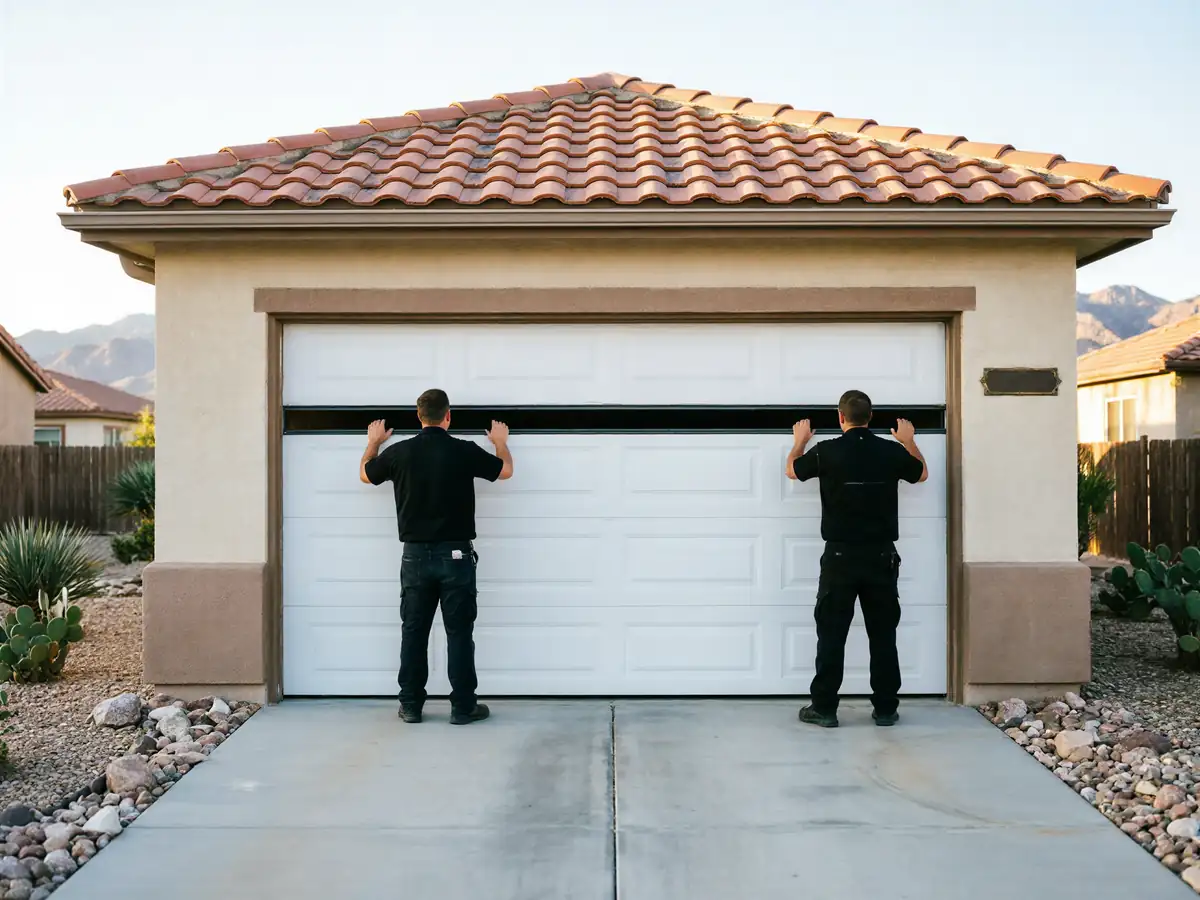
Once a steel section takes a hit - a trailer hitch backing in wrong, a basketball that connects just a little too hard, a decade of sun exposure softening the seams - the whole door stops tracking the way it should. You'll see the panel bulge out from its neighbors, the rollers start to bind in the track, or a gap open up at the bottom that lets in dust and heat. Sometimes it's one section near the bottom that takes the brunt of daily use. Sometimes it's a top panel that's warped from years of sitting in direct afternoon sun.
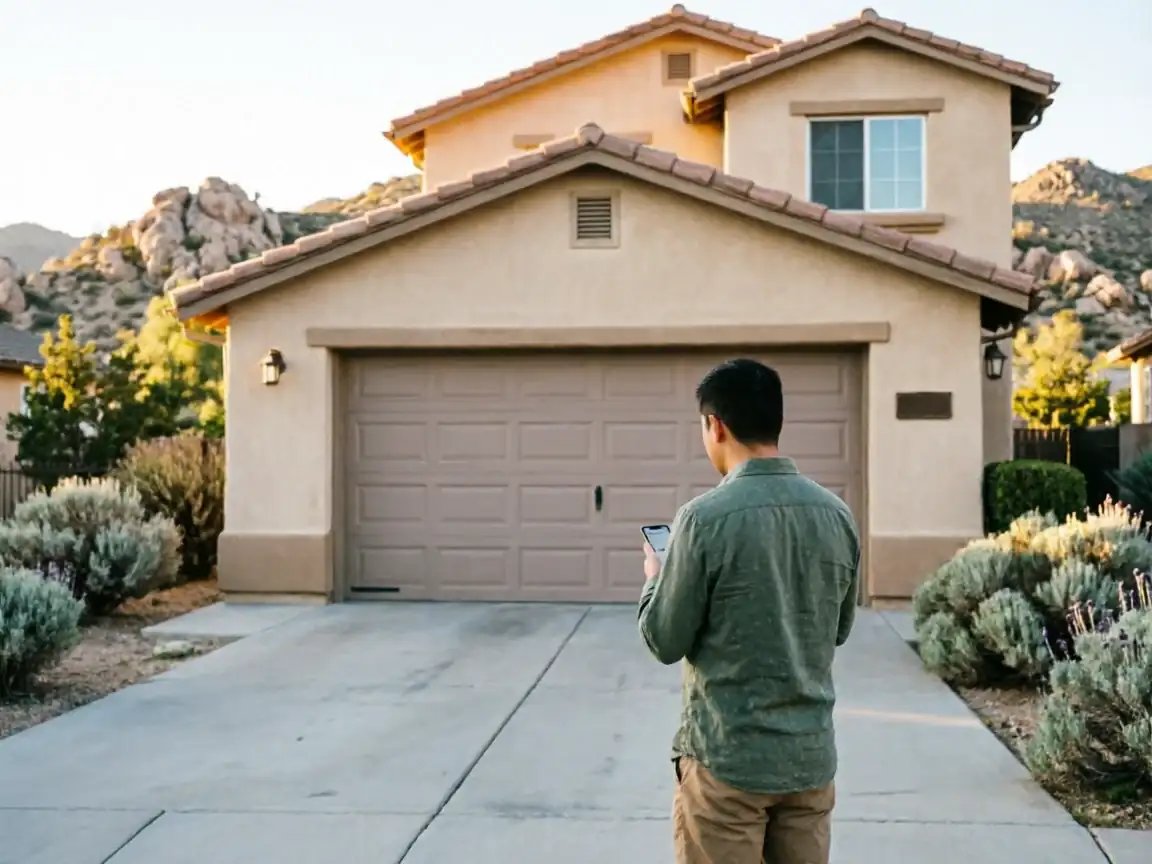
Across the Fountain Hills service area, most of the houses we get called to went up between 1985 and 1994
So the doors on them are either original builder-grade steel or a first replacement from the 90s or early 2000s. Those panels were built to a lower heat spec than what's sold today, and a lot of them are showing it now - not failing all at once, but one section at a time. If the opener still runs and the track is straight, swapping the damaged panel is usually the right call rather than replacing the whole door.
What Causes It Around Here
This area sits in a severe heat band, and steel garage door panels take that heat directly on a surface that gets almost no airflow behind it for most of the day. Repeated expansion and contraction loosens the seams between panel layers and the insulation core, which is exactly why a door that looked fine for fifteen years can suddenly show a bowed or buckled section with no obvious impact at all. It's heat fatigue, not a single event.
The second driver is simply the age of the stock. With most homes in the 1985-1994 build range across the three main pockets of housing here, a large share of original doors and openers are now 30-plus years old. Panels from that era used thinner gauge steel than current product, and replacement sections for some of those older door lines are harder to source - which is the honest limitation: if your door is an older or discontinued model, we may need to match the closest panel profile rather than an exact factory part, or recommend a full door if the match isn't close enough to look right.
What Is on the Truck
For a straightforward panel swap, the truck carries common steel panel sections in standard widths and several insulation grades, along with end hinges, center hinges, and the fasteners that go with them. Matching an existing door means checking panel height, color, and texture before pulling anything apart - a mismatched panel on an otherwise good-looking door is worse than the dent it replaced.
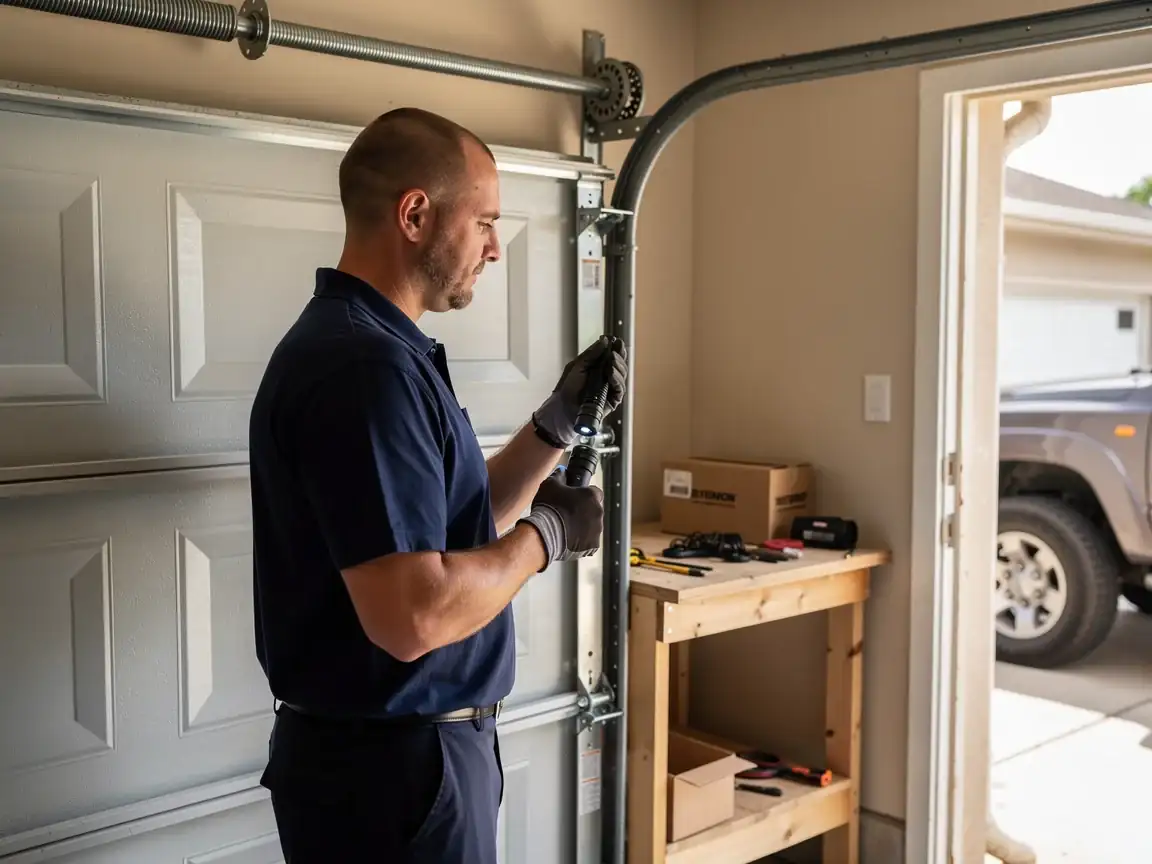
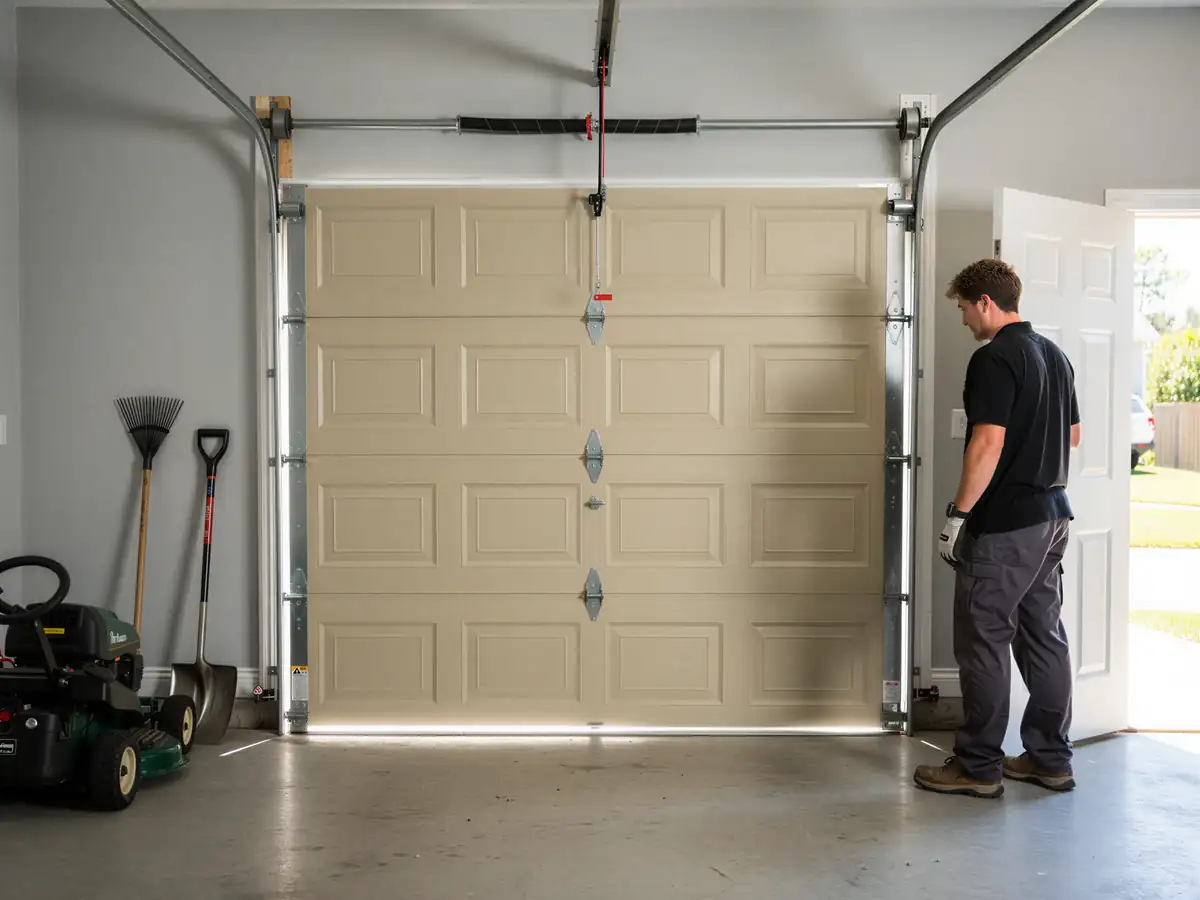
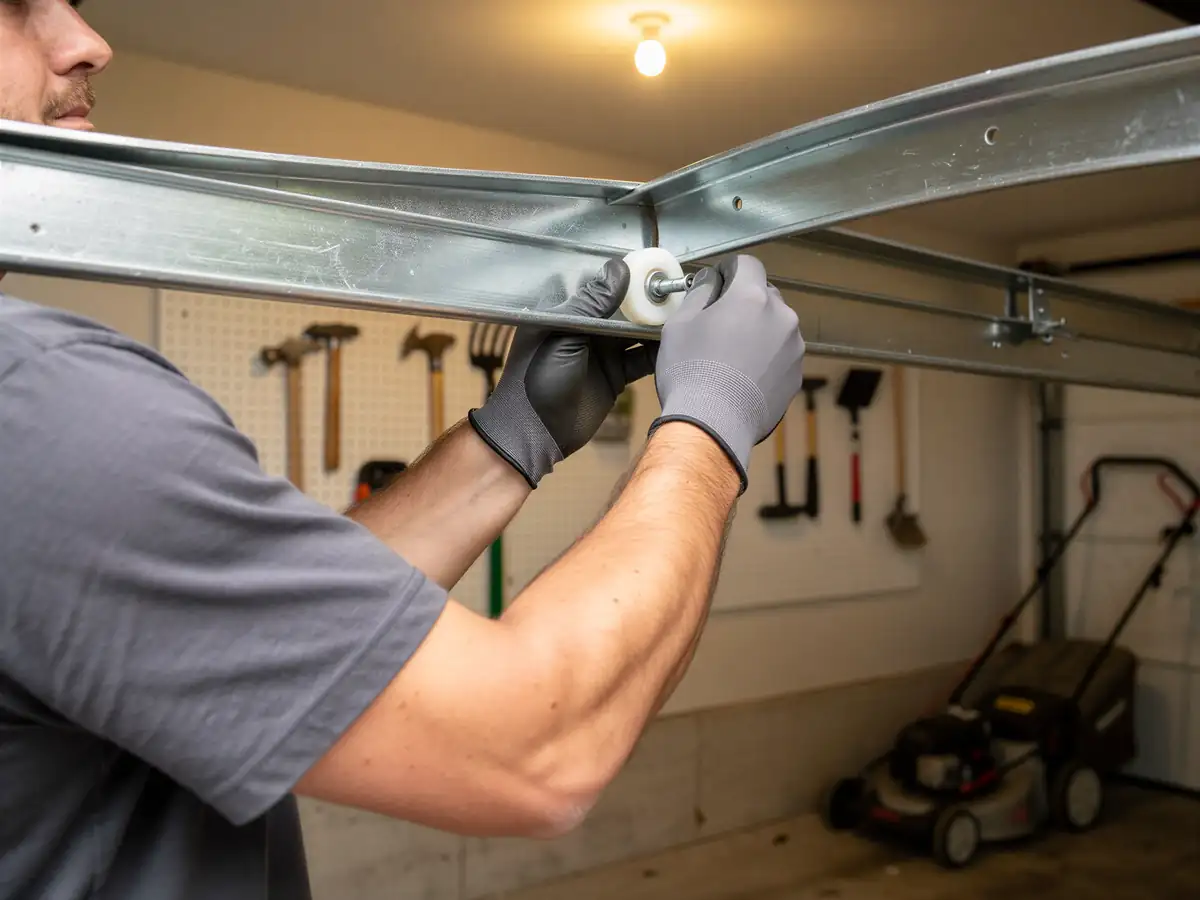
We also carry rollers and short sections of track, since a hard impact that dents a panel often knocks the roller out of alignment too, and replacing the panel without checking the track means the new section won't sit flush. On older doors - the kind common in the housing built between 1985 and 1994 that makes up most of this service area - we carry a few legacy hinge patterns and will check hardware compatibility before quoting the job, since a panel that doesn't match the existing hinge spacing won't seat right no matter how good the color match is.
What You Pay
Panel replacement cost depends on a few things we check on site
How many panels are damaged, whether the door is a common current-production line or an older discontinued one, the insulation grade, and whether the track or rollers also need attention from the same impact. A single bottom panel on a common door is a different job than a top panel on a door where we have to source a close match rather than an exact one.
With median household income across the service area above $141,000
We see a mix of quality-focused replacements and straightforward repairs - we'll walk you through both options with actual numbers for your door before any work starts, not a phone estimate. We don't publish a flat price here because panel jobs vary too much door to door to make that number honest.