What Was Built Here
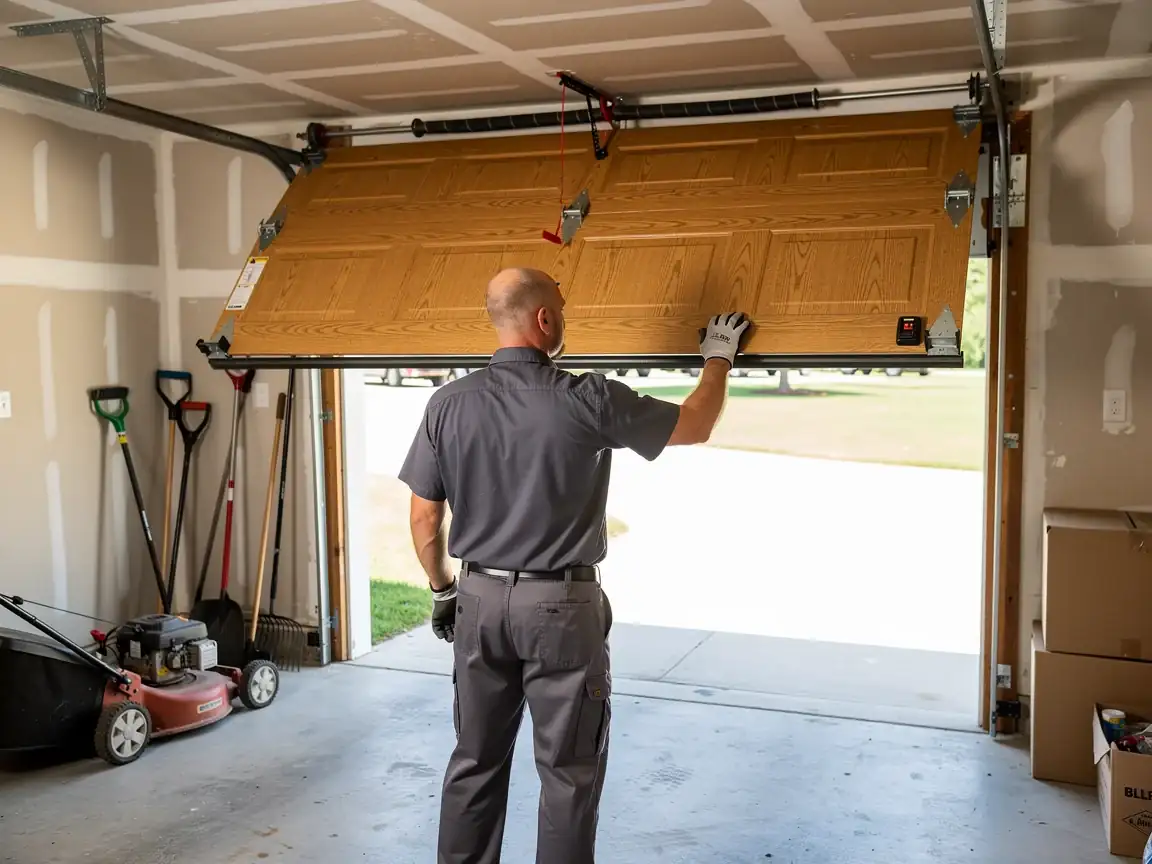
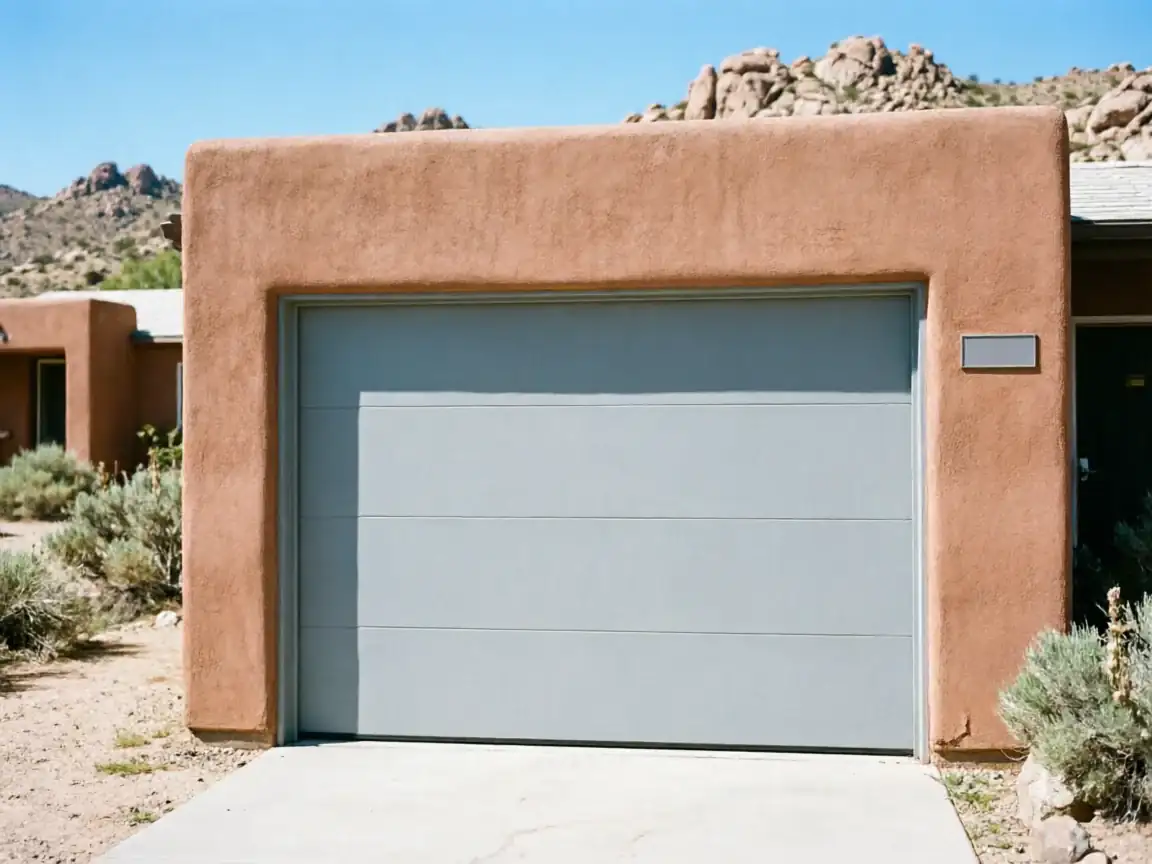
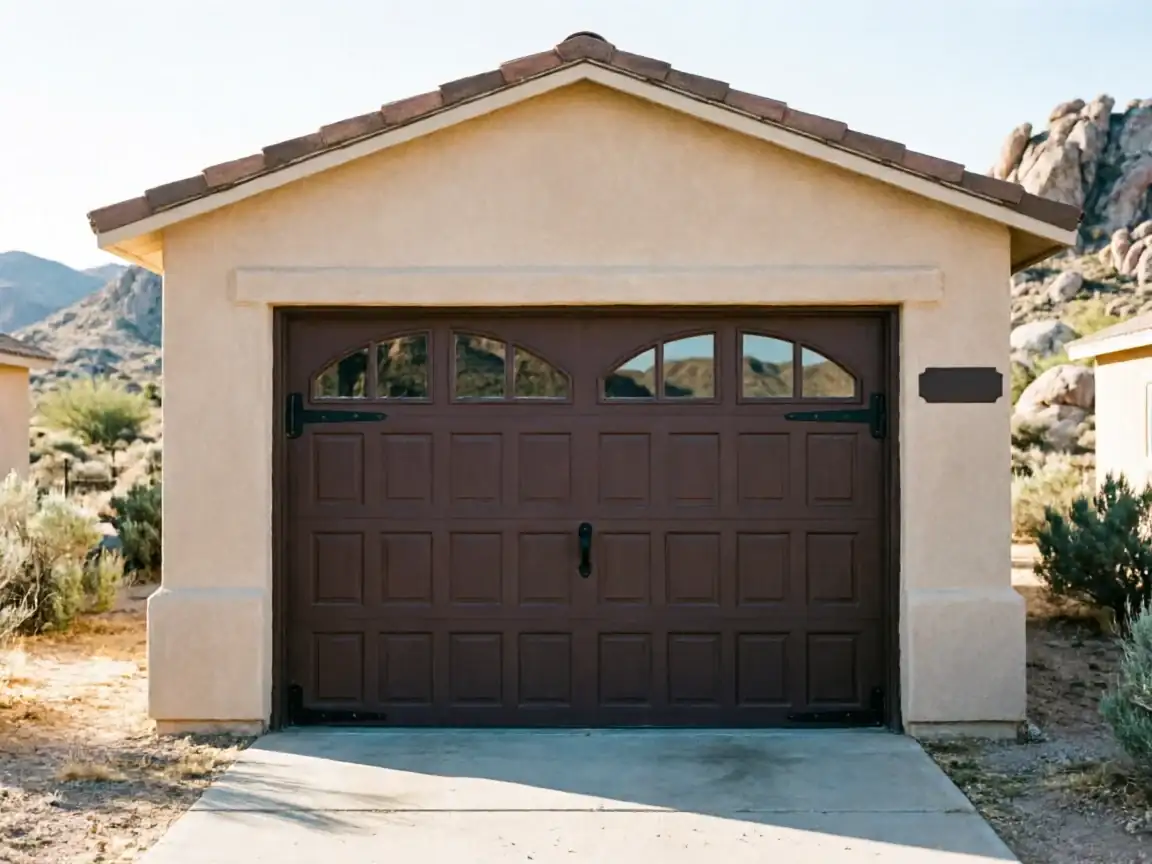
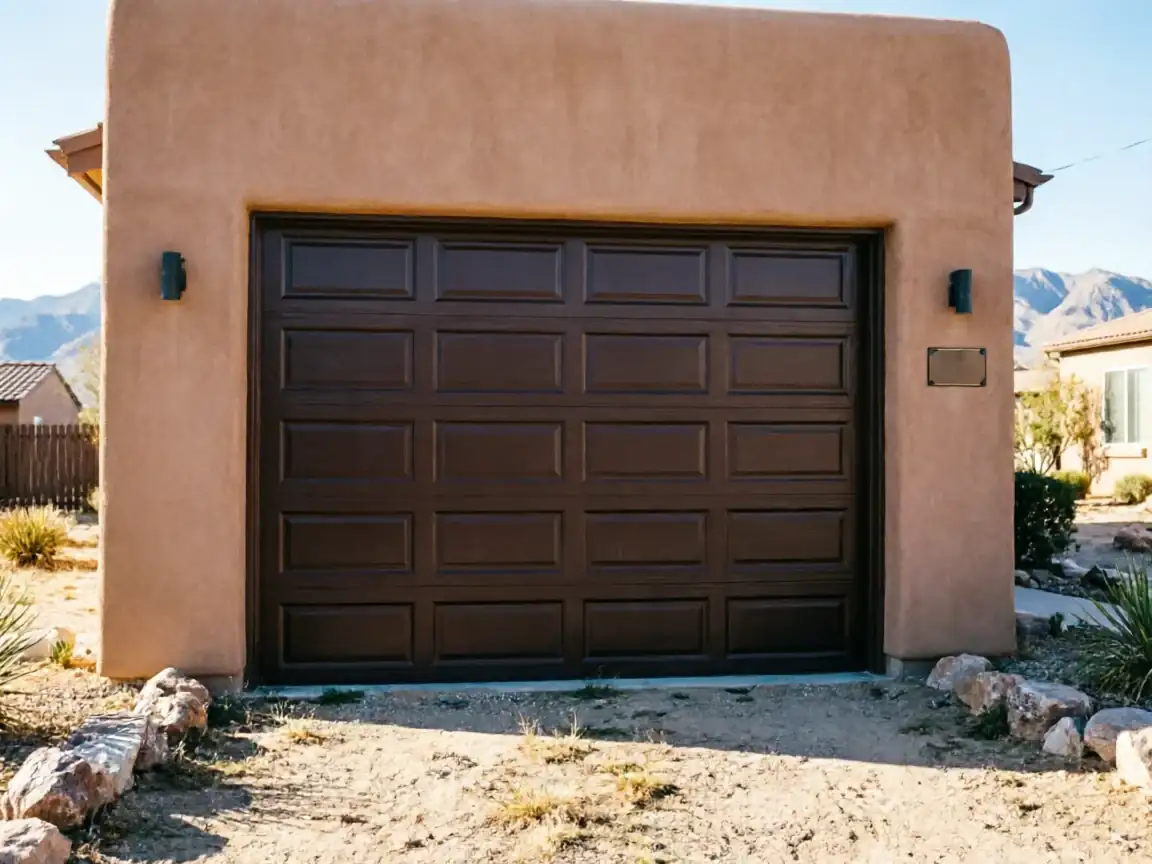
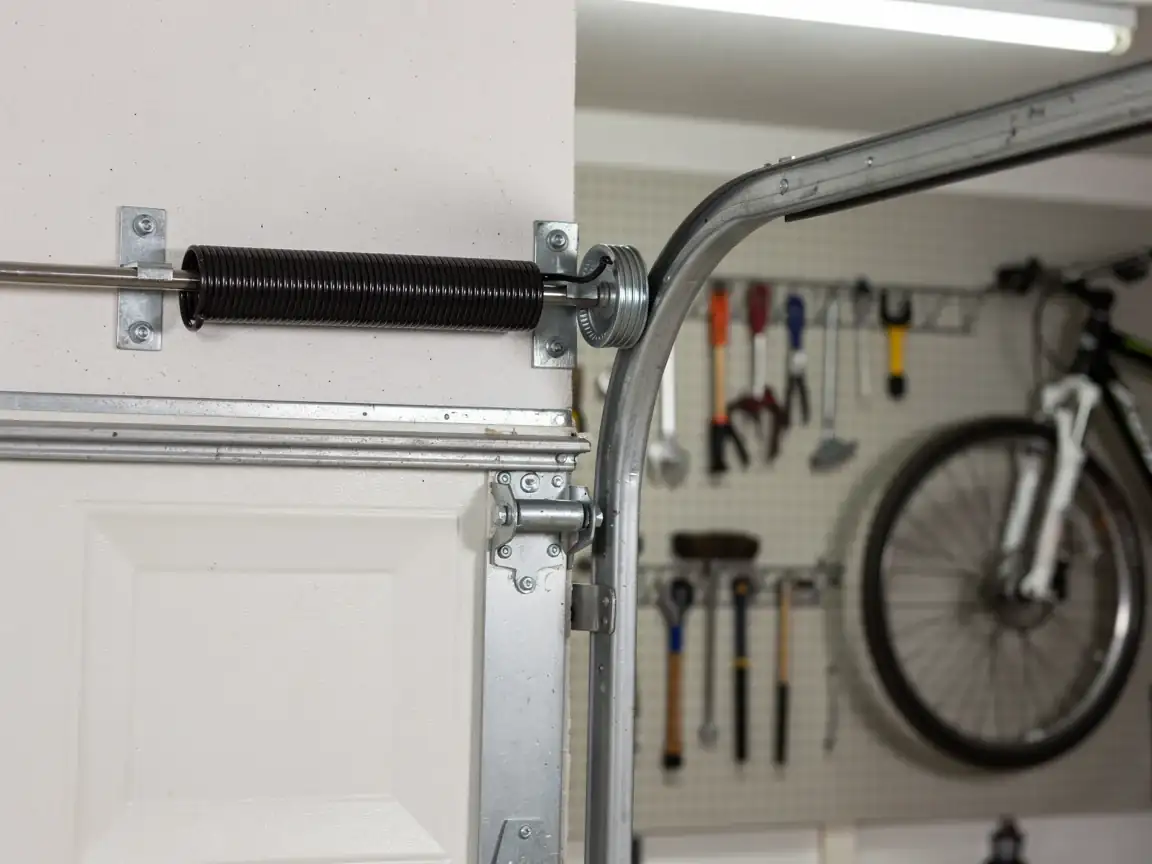
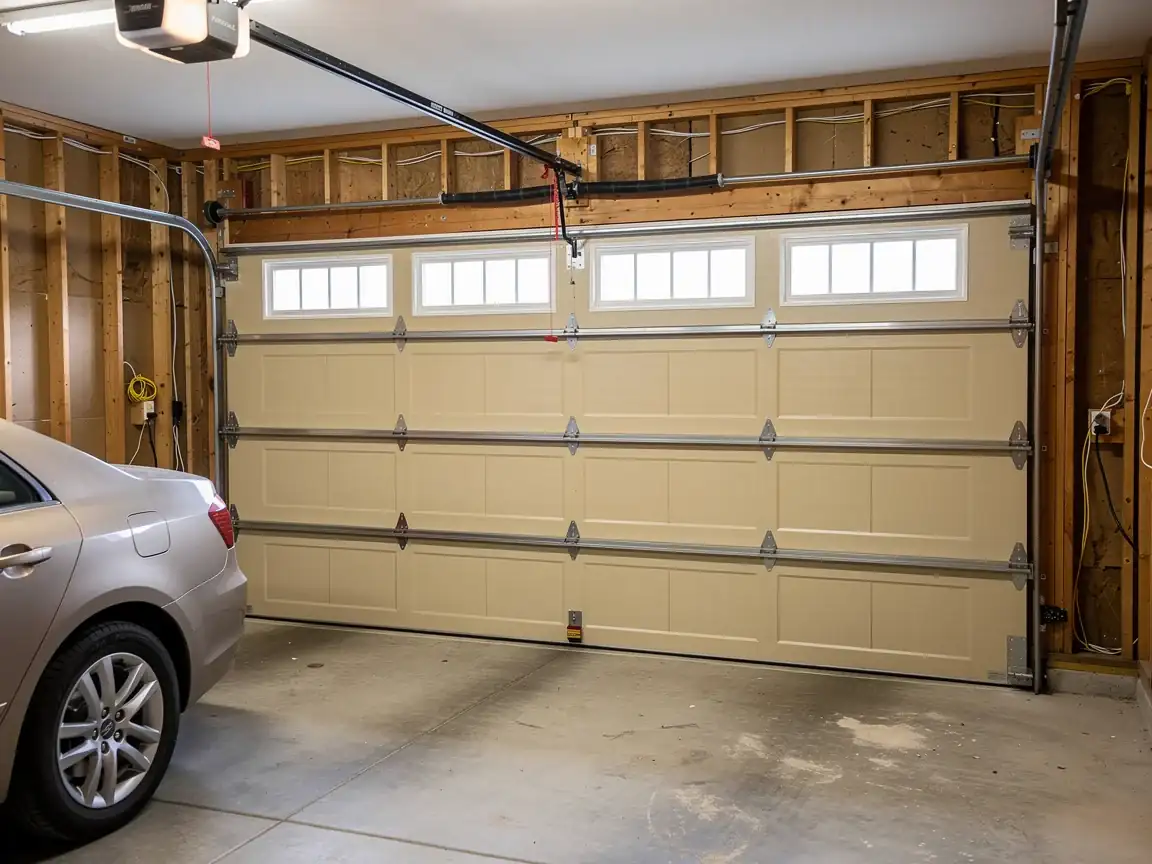
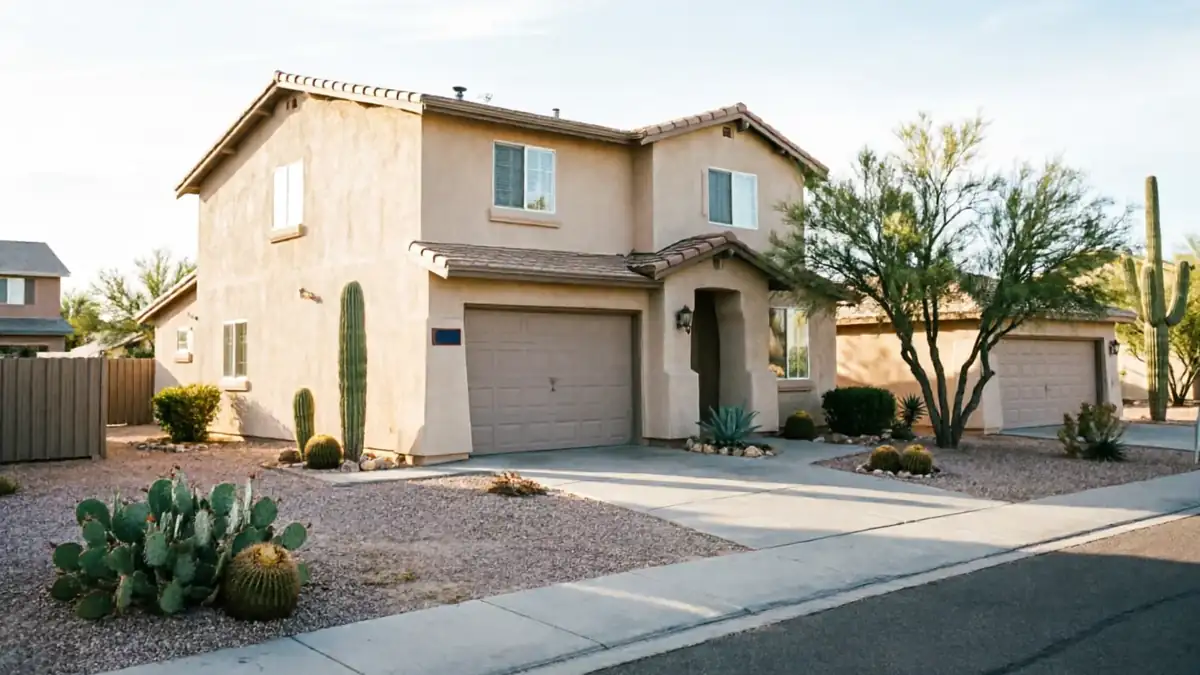
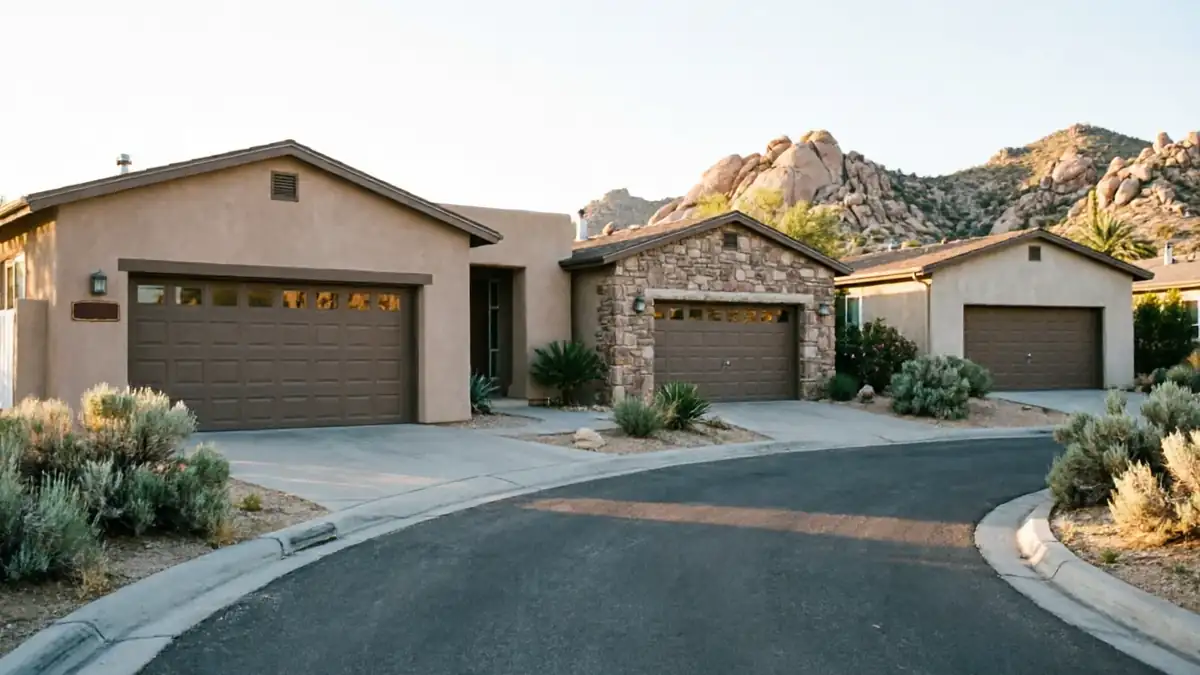
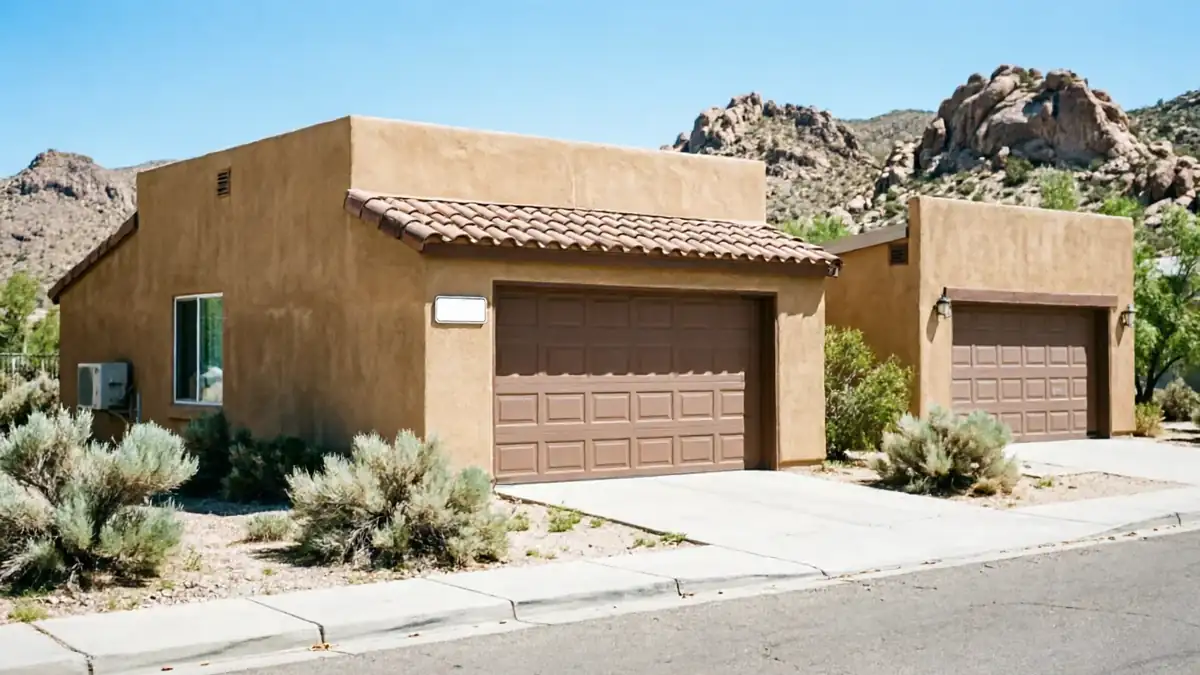
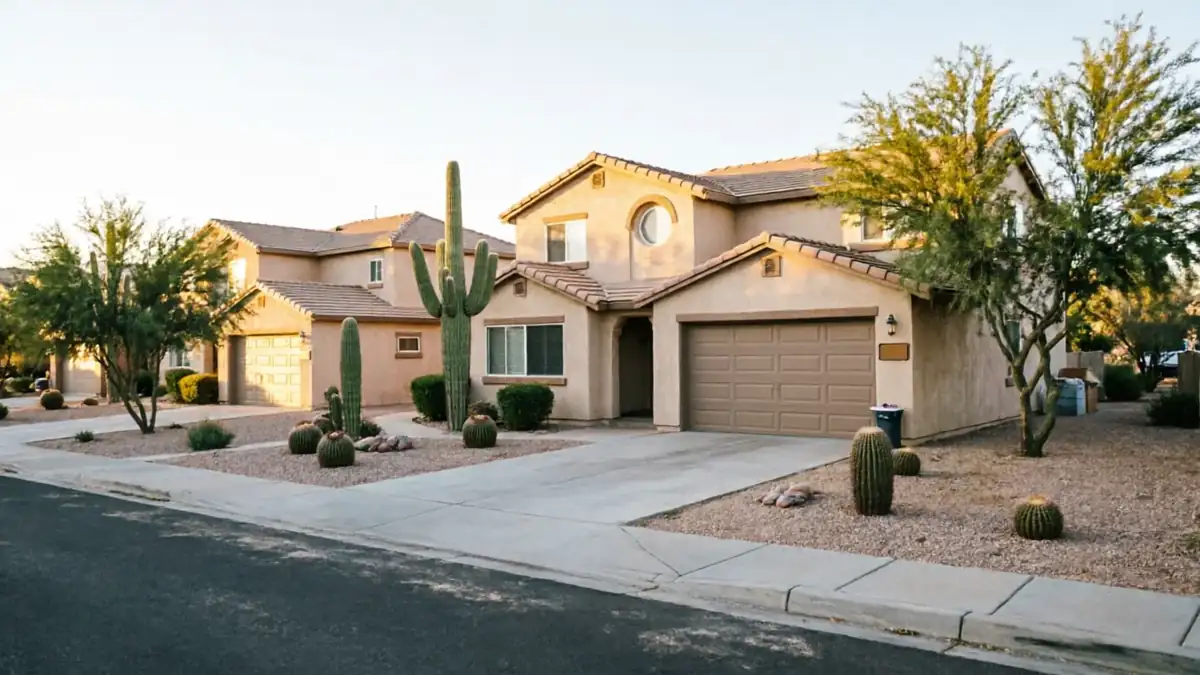
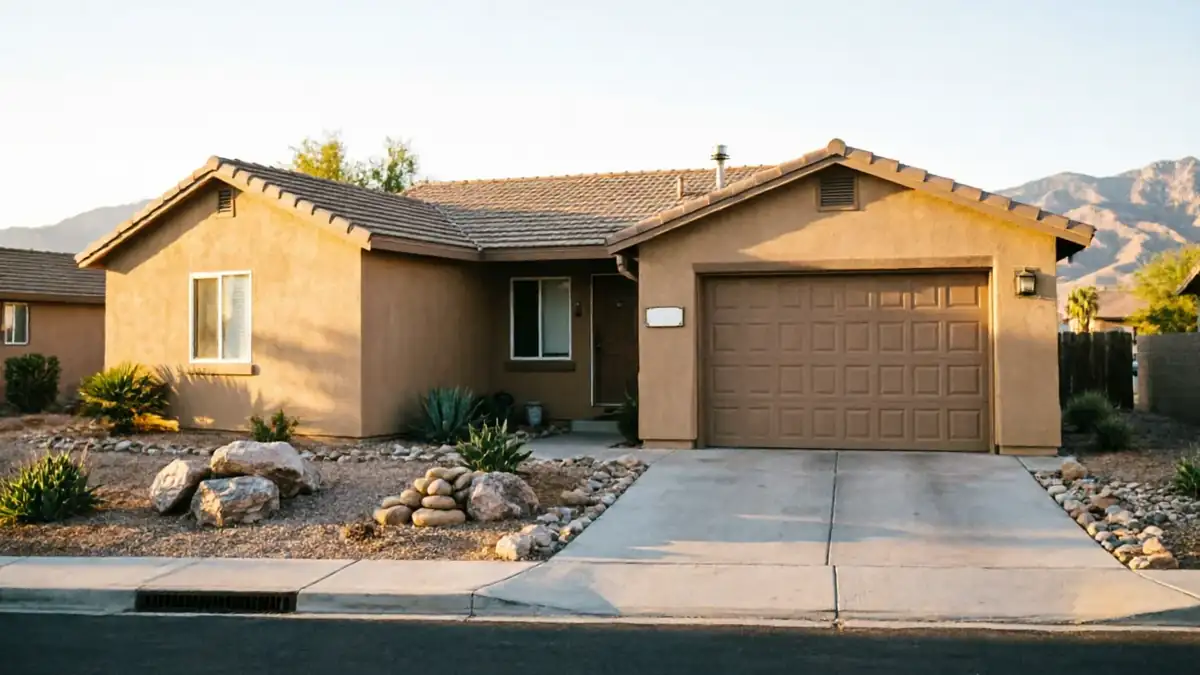
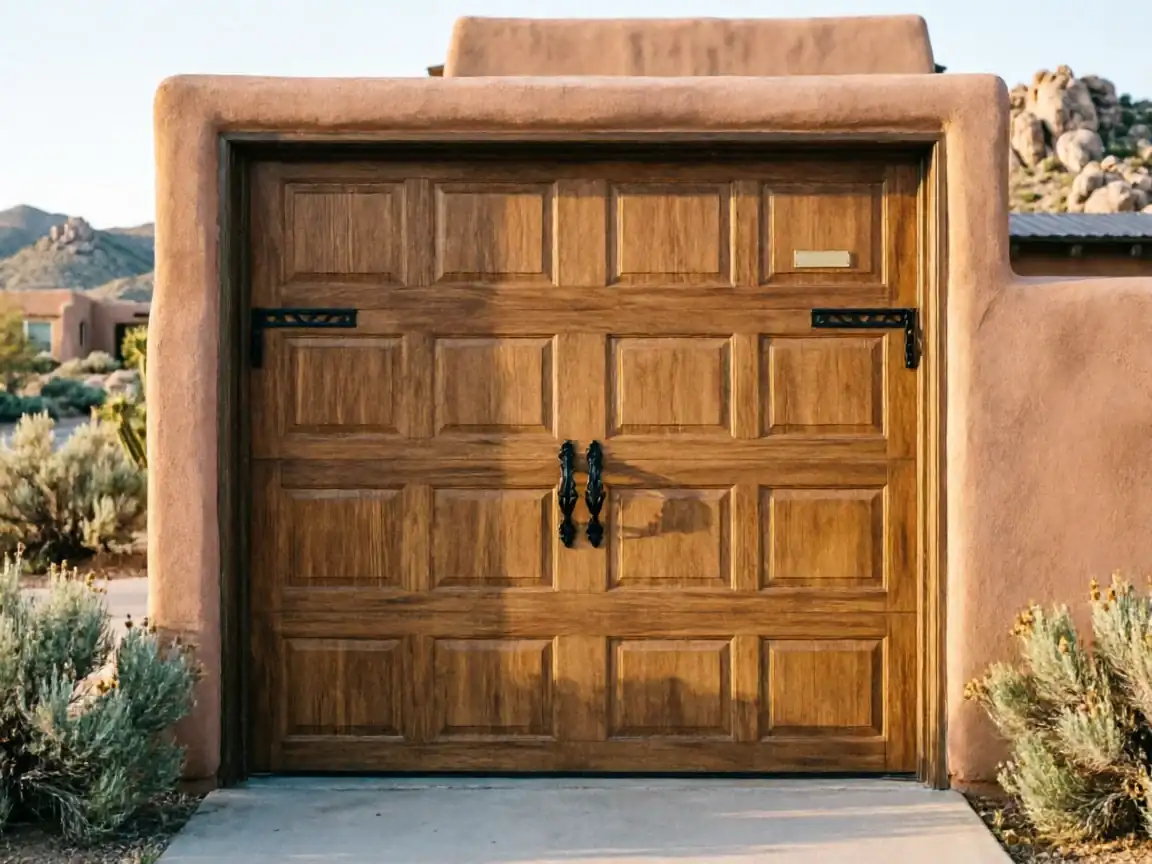
Across the broader area the company covers, most housing dates to 1985 through 1994, concentrated in a few built-out pockets from that stretch. Paradise Valley sits at the early edge of that window, with a median build year of 1985, and roughly 4,972 households now. The homes here tend to be larger and more custom than the tract-built stock you'll find in some newer pockets, and the household income, a median of $236,250, runs well above the $141,331 median for the service area as a whole. That income gap tracks with heavier doors: more homes with custom wood-look steel or solid wood panels instead of the standard lightweight steel most builders used in the mid-1980s. Heavier panels put more strain on springs sized for a standard door weight, which is one more reason original hardware here tends to fail sooner than the same hardware would on a lighter door somewhere else. None of this means every house needs new springs tomorrow - it means the odds are higher than they'd be on a house built two decades later.
Old Streets and New Ones
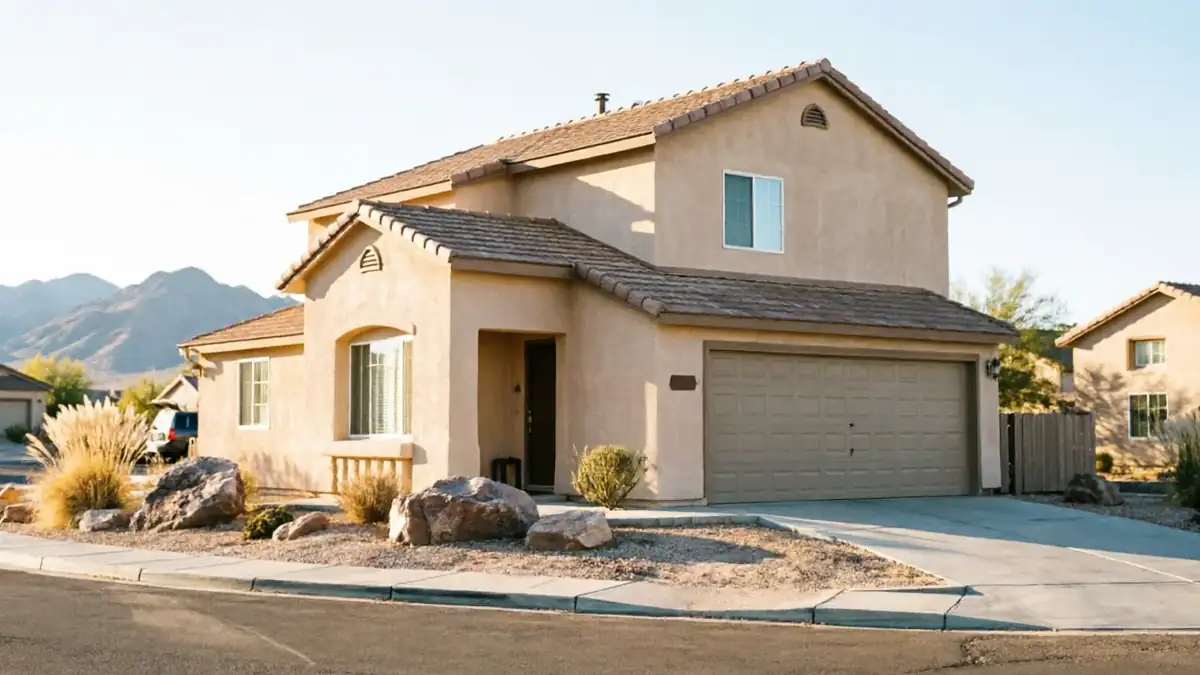
Paradise Valley's housing dates mostly to one building push in the mid-1980s rather than decades of gradual infill, so you don't see the mix of eras you'd find somewhere with an older original core and newer additions tacked on over time. That's a double-edged fact for a garage door company: the hardware across the area is more consistent, but it's also all aging on the same clock. We don't have records on specific subdivisions or phases within Paradise Valley, so we won't pretend to know which block went in first or guess at street names we haven't verified. What we can say from the household and build-year numbers is that the housing stock here is older on average than the price point might suggest, and that consistency means a spring failure on one house is a reasonable preview of what's happening behind a neighbor's door too, even if it hasn't broken yet.