Serving Fountain Hills, AZ & nearby
(928) 403-7195
Fountain Hills, AZ

Garage Door Repair in Fountain Hills: Knowing When It's Past DIY

Fountain Hills homes built mostly 1985-1994 face heat-driven spring and opener wear. Here's when a repair is a weekend job and when it isn't.

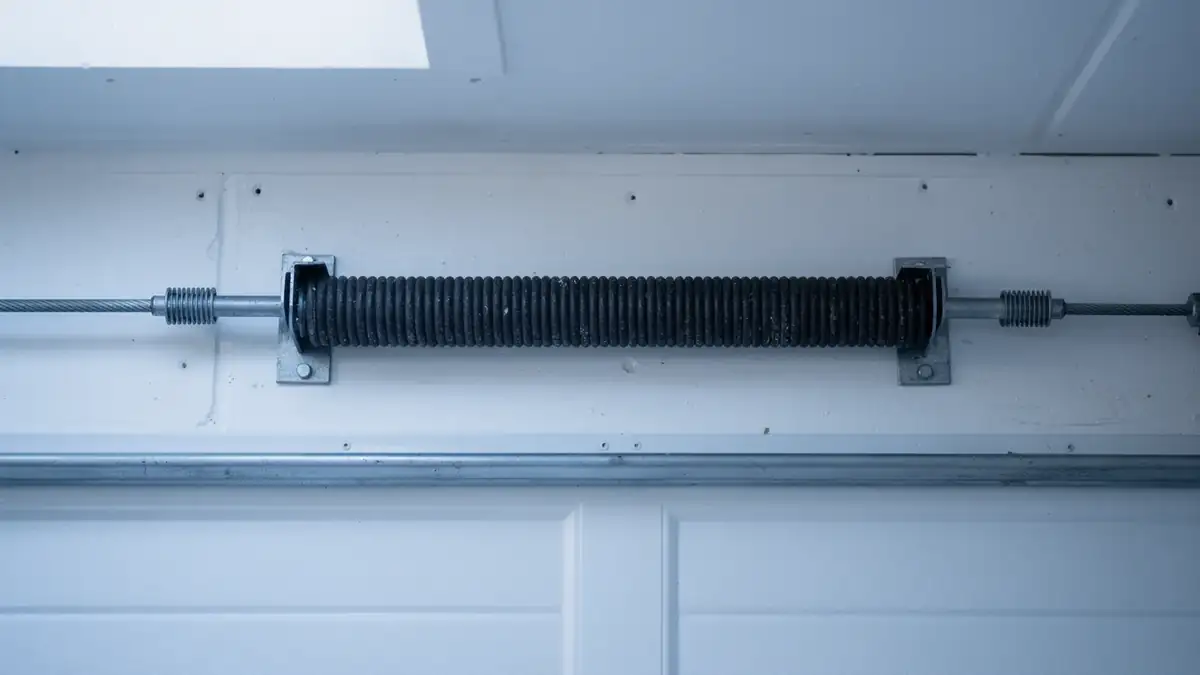
A black torsion spring is mounted above a white garage door.

When It Stops Being a DIY Job

  1. A loose hinge screw or a roller that squeals is a fifteen-minute fix with a ladder and a socket wrench

    A torsion spring under tension is not. Most houses in this part of Fountain Hills went up between 1985 and 1994, which means a lot of original torsion hardware is now over thirty years old and has been cycling through brutal summer heat for every one of those years. When that spring lets go, it can do it with enough force to bend the shaft or snap a cable, and neither of those is something to wrench on without the right bars and a clamp.

  2. Same goes for the opener

    If your garage was built in that same window, chances are the opener has been swapped at least once, maybe twice, and the mounting bracket or rail may not match what a big-box replacement kit expects. If the door reverses on its own, won't fully close, or the chain is slapping the rail, that's not a lubricant problem - that's a travel limit or a gear issue, and guessing at it usually makes the next repair more expensive.

  3. The honest line: if the door is off its track, a cable has jumped the drum

    Or the spring is visibly separated, stop. Don't pull the release cord and try to force it by hand. Call it in.

How Local Conditions Play In

Fountain Hills sits in a severe-heat climate band, and that heat does specific things to garage door components that cooler towns don't deal with the same way. Steel torsion springs lose a measurable amount of tension as the metal heats and cools day after day across a summer, and the grease in the coil breaks down faster than it would in a mild climate. Nylon rollers and plastic idler bearings get brittle under repeated heat cycling, which is why you'll see more cracked rollers out here than worn-smooth ones.

Opener logic boards and photo-eye sensors sit low or mounted near the door, exposed to whatever heat radiates off the slab and the door skin itself during peak afternoon hours. A board that intermittently drops out or a sensor that reads 'ask for it' only when it's hot isn't a coincidence - it's heat stress on the solder joints and the sensor lens itself.

If your house is close to down toward you're on the same general housing stock and the same sun exposure, so the wear pattern looks the same from one block to the next. The fix isn't exotic - it's matching the spring and roller spec to what this climate actually does to the parts, not what a catalog assumes for a milder zip code.

What Is Going On

With roughly 8,600 owner-occupied houses across the service area and median household income north of $141,000, a lot of homeowners here are in a position to fix things right the first time rather than patch them twice. That matters with garage doors built in the late '80s stock, because a lot of those original panels and tracks were specced for a cooler decade of expectations - lighter-duty springs, standard-lift track geometry - and thirty-plus years of Arizona heat cycling has worn that margin down to nothing.

What we're usually finding on a service call in this age bracket: a spring that's lost coil tension and is making the opener work twice as hard to lift the door, bearing plates that have worn an oval groove where the shaft spins, and weatherstripping on the bottom panel that's gone hard and cracked from UV and heat rather than cold.

The limitation worth stating plainly: if a door this age needs a full spring, drum, and bearing replacement at once, it's often close in cost to a new torsion system rather than a patch, and we'll tell you that up front instead of nickel-and-diming a door that's at the end of its service life.

What Changes With the Season

  1. Summer is the stretch that does the damage here, not winter

    As temperatures climb, steel expands, lubricant thins out, and anything already marginal - a spring near the end of its life, a roller with a hairline crack - tends to fail in the hottest months rather than the mildest ones. That's the opposite pattern from a lot of the country, and it's worth knowing if you're used to hearing that cold snaps are when springs break.

  2. Shoulder seasons, when daytime highs ease off, are the better window for maintenance

    Lubricating hinges and rollers, checking spring tension, and inspecting the bottom seal before the next heat stretch starts working on it again. Waiting until the hottest part of summer to deal with a door that's already acting up usually means doing it as an emergency call instead of a scheduled one.
How it works

From “it’s stuck” to “it’s fixed”

  1. 1
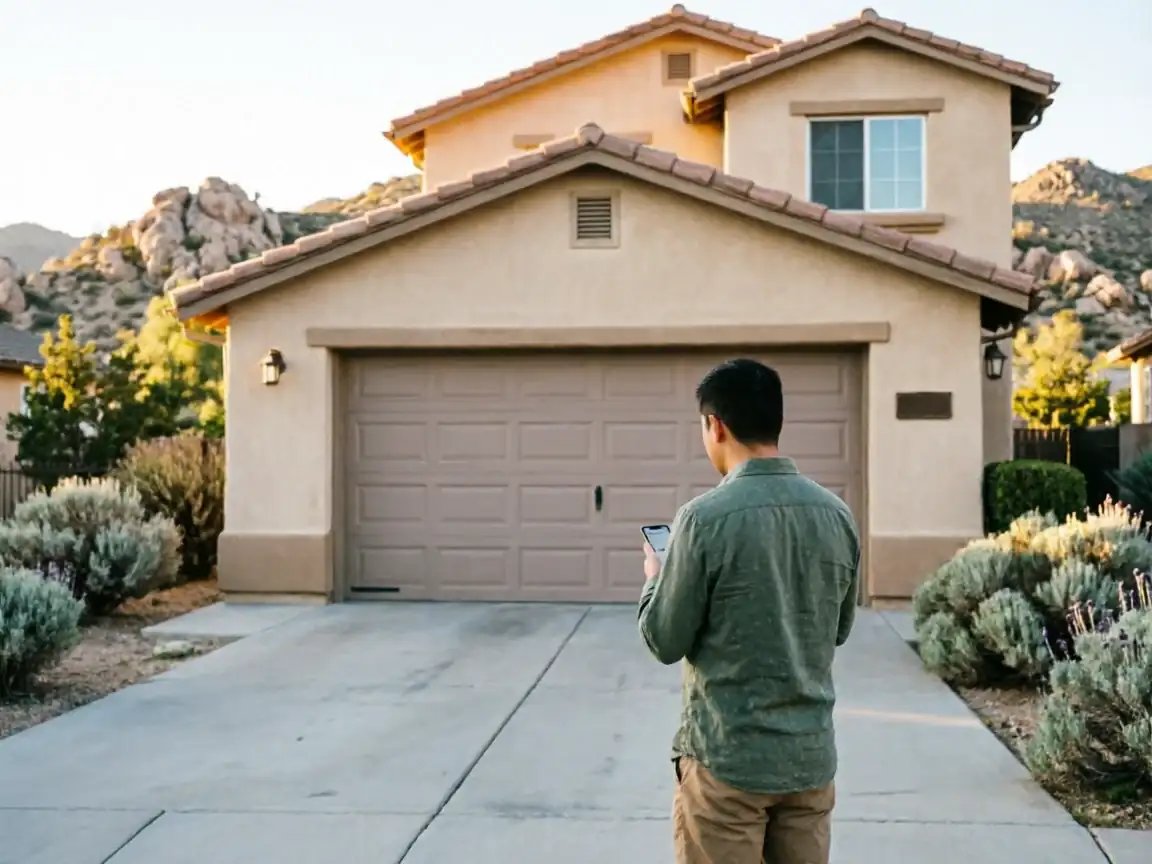
    A man stands in a driveway, looking at his phone in front of a house.

    Tell us what’s wrong

    Describe the symptom - won’t open, loud bang, opener runs but the door won’t move.

  2. 2
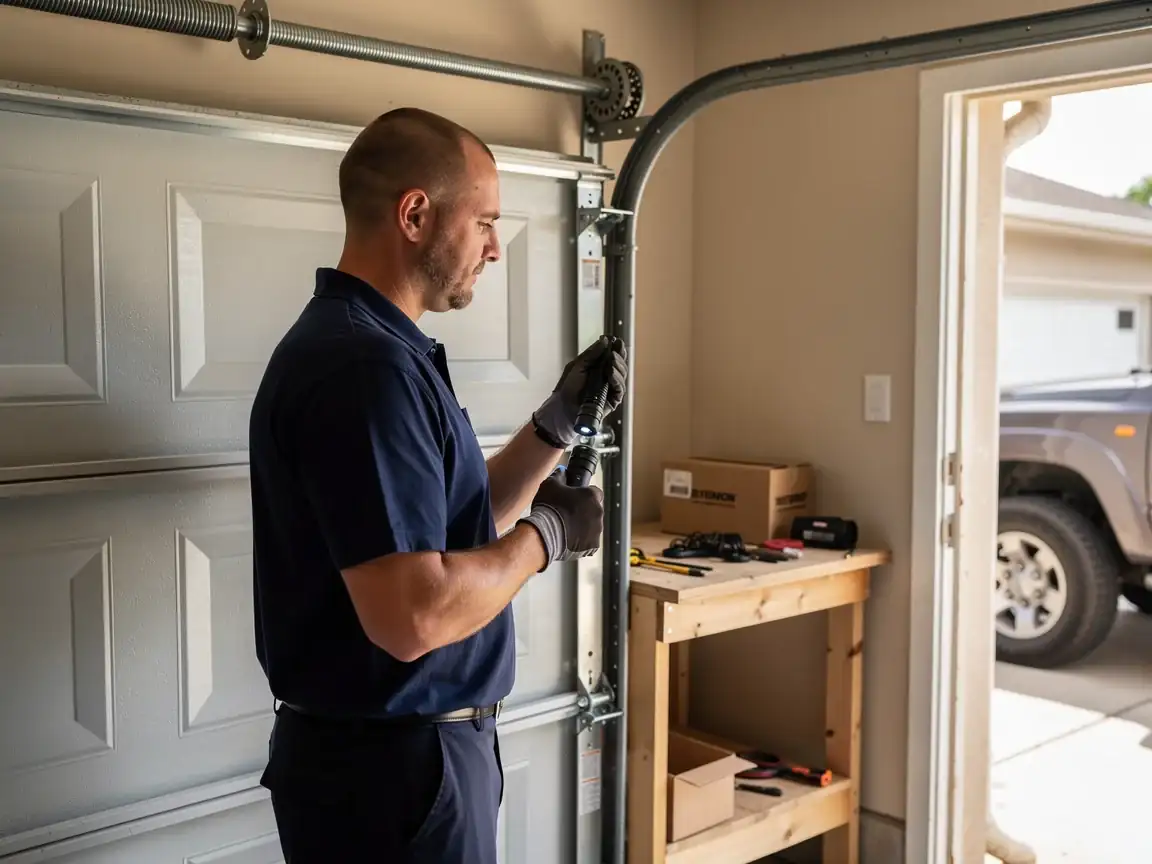
    A technician in gloves holds a flashlight next to a white garage door.

    On-site diagnosis

    A technician tests the door under power and by hand and finds what actually failed.

  3. 3
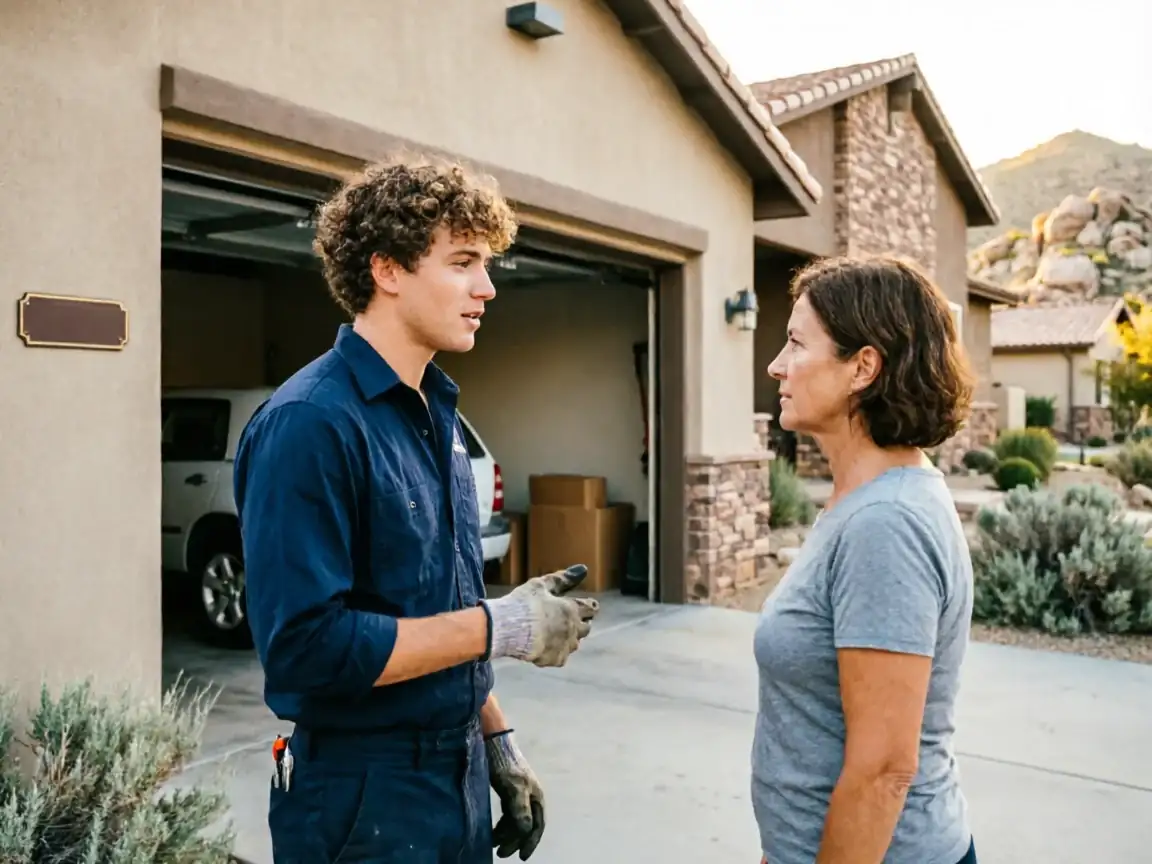
    A technician in a blue uniform talks to a woman in a gray shirt outside a house.

    Clear, up-front plan

    You get the fix that’s needed and what drives the cost - before any work starts.

  4. 4
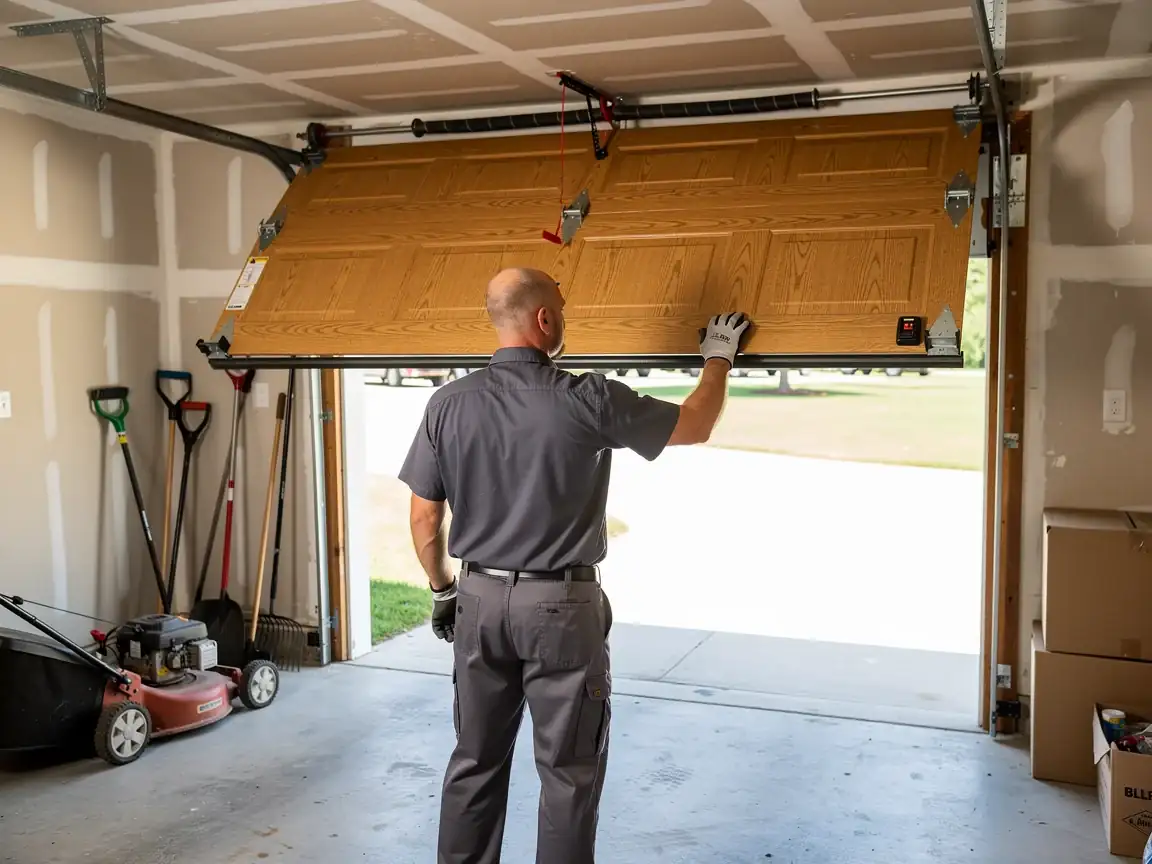
    A technician in a gray uniform is adjusting a brown garage door.

    Repaired & tested

    The repair is done, the door is set true and tested, and the work area left clean.

Not sure which repair your door needs in Fountain Hills, AZ? Describe what it’s doing - every job starts with a diagnosis.

How we work

What to expect

Diagnosis firstEvery visit starts by finding what actually failed - not a pre-written parts list.
The right part for the doorSprings and openers matched to the door’s weight and age, so the fix holds up.
Straight answersWhen a repair makes more sense than a replacement - or the reverse - you hear it plainly.
Clean, careful workTension released safely, hardware set true, the door tested under power before we leave.
What we do

Garage Door Services

Repair and installation work for Fountain Hills homes and businesses.

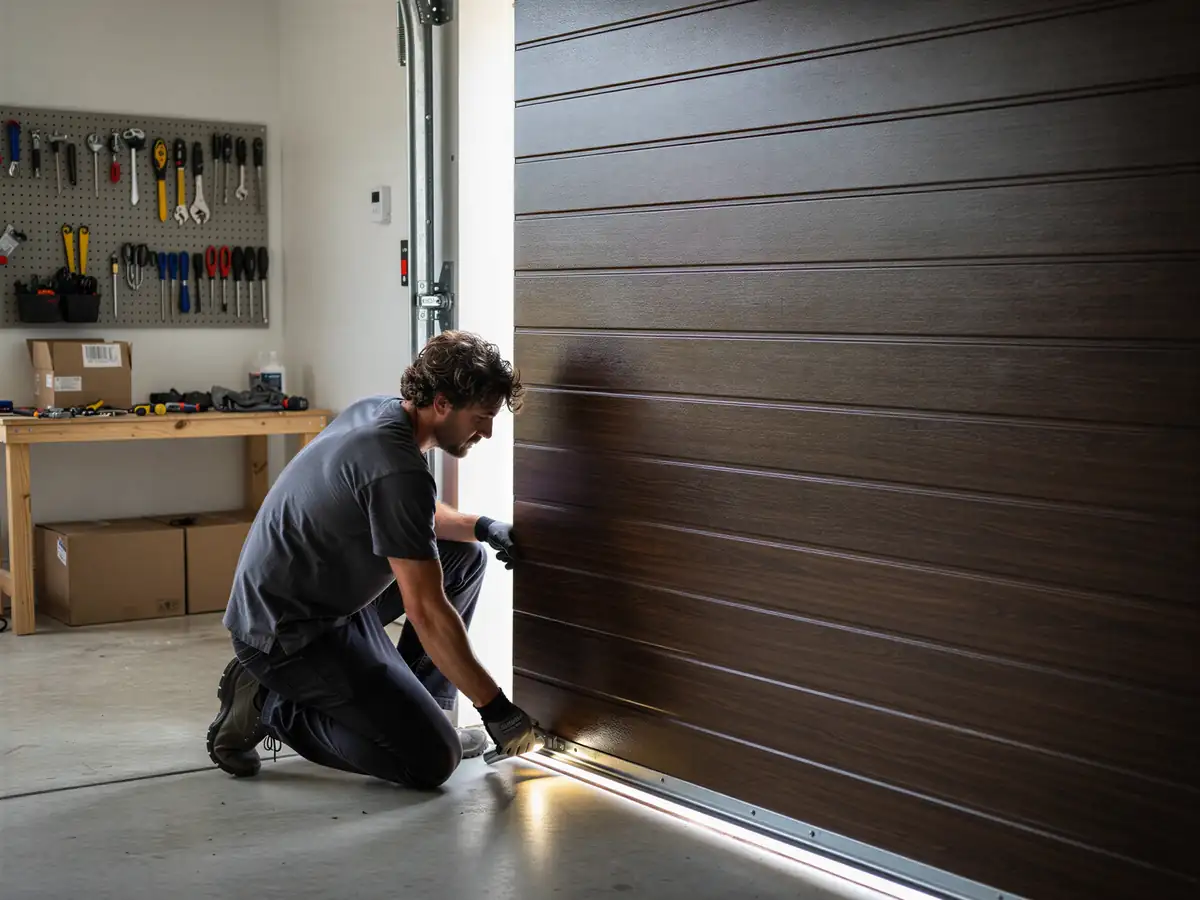
A technician kneels, inspecting the bottom of a brown garage door.

Garage Door Repair

Garage door repair built around Fountain Hills's 1980s-90s housing stock and severe desert heat - spring failure, opener wear, and what's actually on our truck.

Learn more
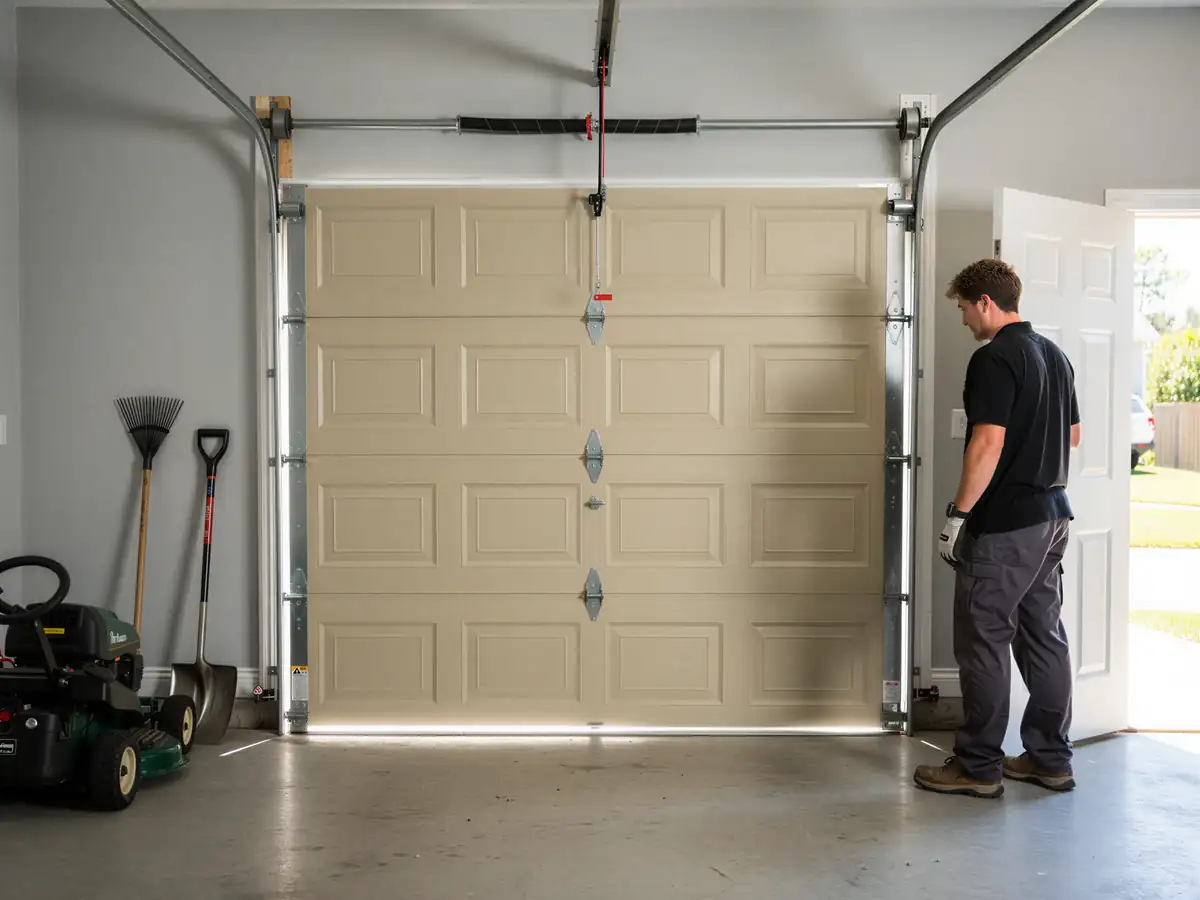
A technician stands next to a closed beige garage door inside a garage.

Garage Door Installation

Replacing a garage door in Fountain Hills means matching the right panel and spring to 1980s-90s tract construction and severe desert heat. Here's what that job actually involves.

Learn more
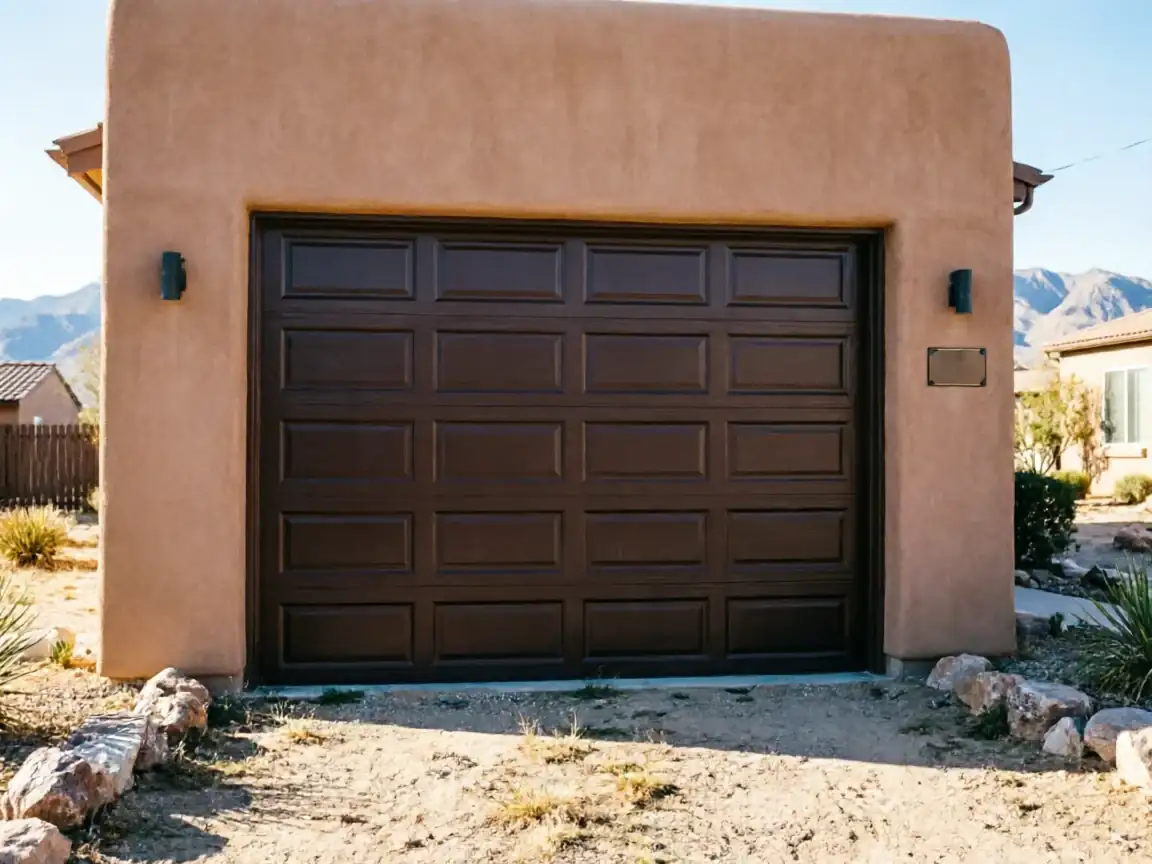
A brown paneled garage door is set into a tan stucco house.

Garage Door Service

Springs, openers, and tracks on Fountain Hills homes built in the 1985-1994 boom are hitting their limit in the heat. Here's what we see and what we carry.

Learn more
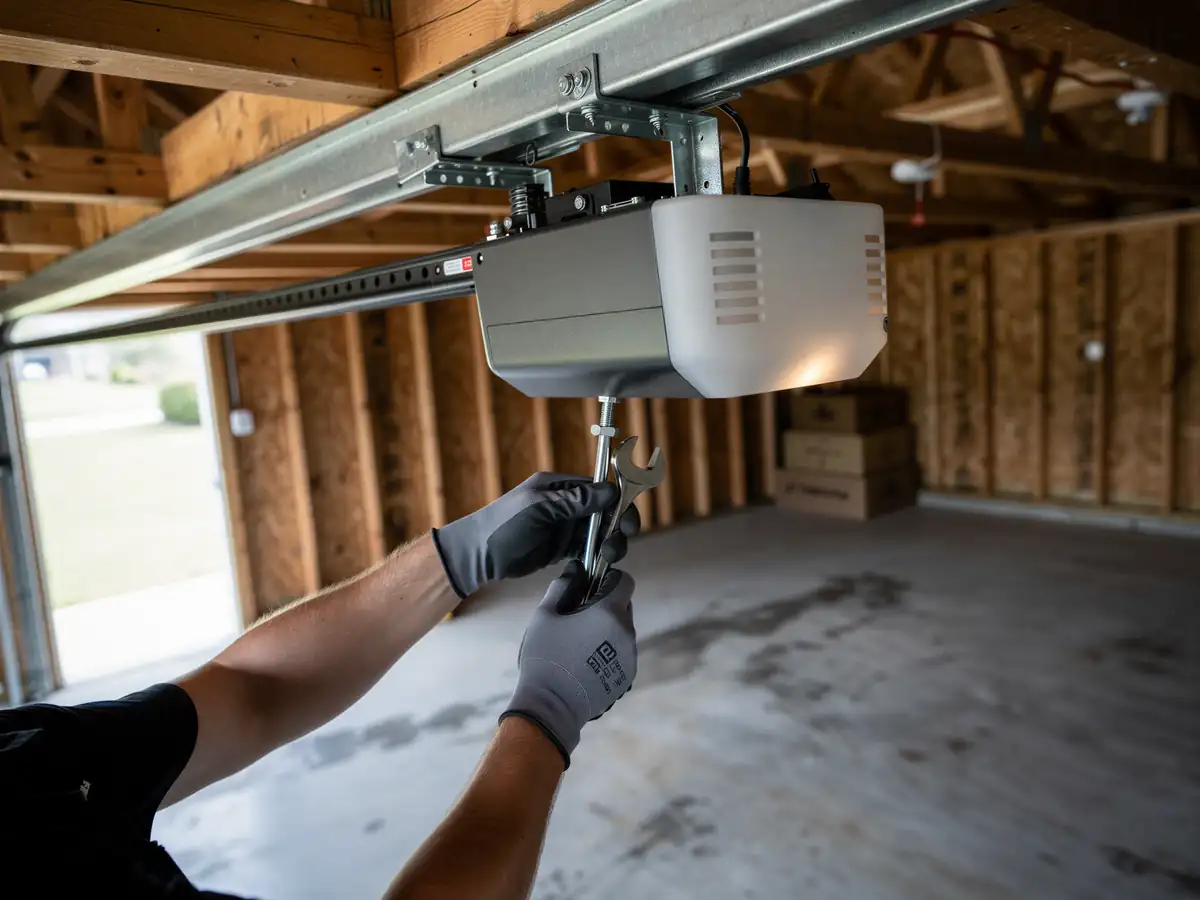
A technician in gray gloves adjusts a garage door opener with a wrench.

Opener Installation

Opener installation for Fountain Hills homes built mostly 1985-1994, where desert heat and original hardware push openers past their service life early.

Learn more
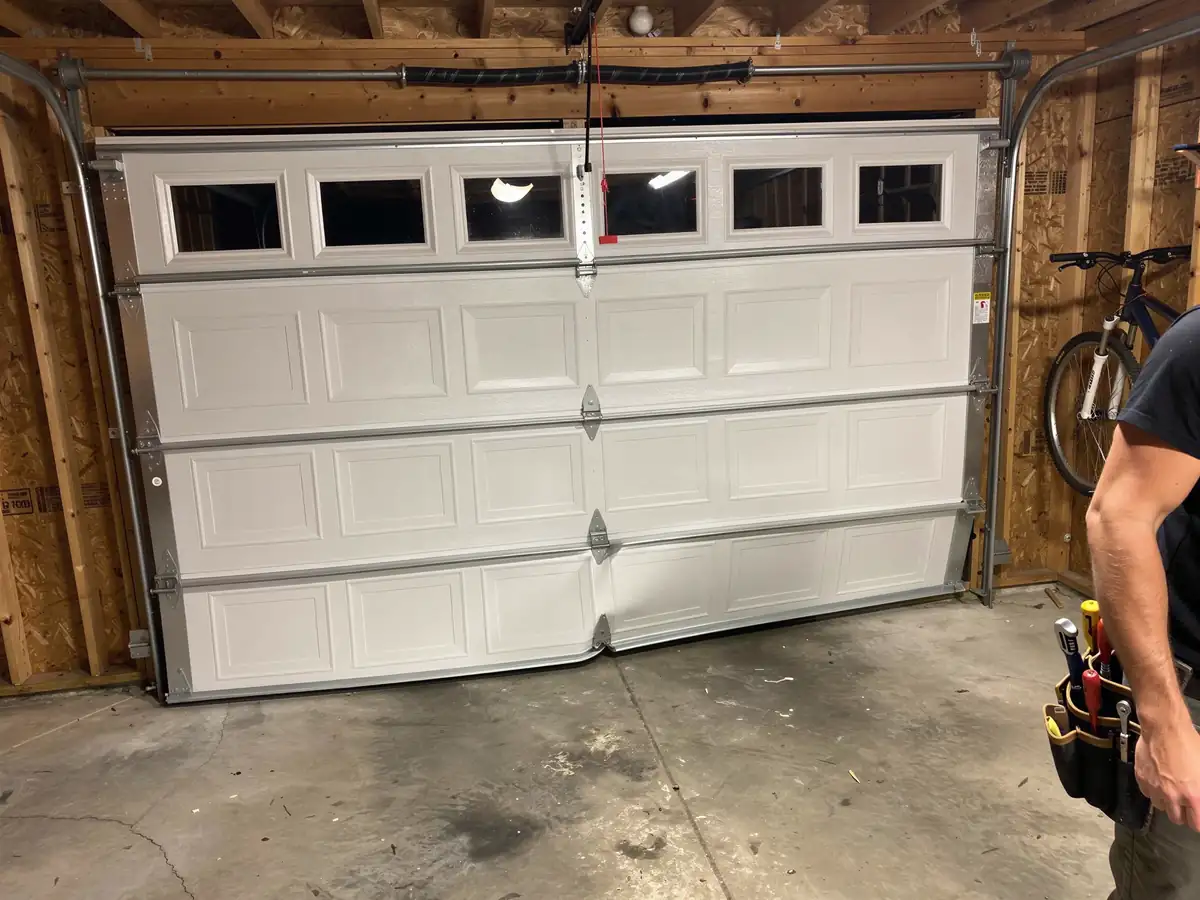
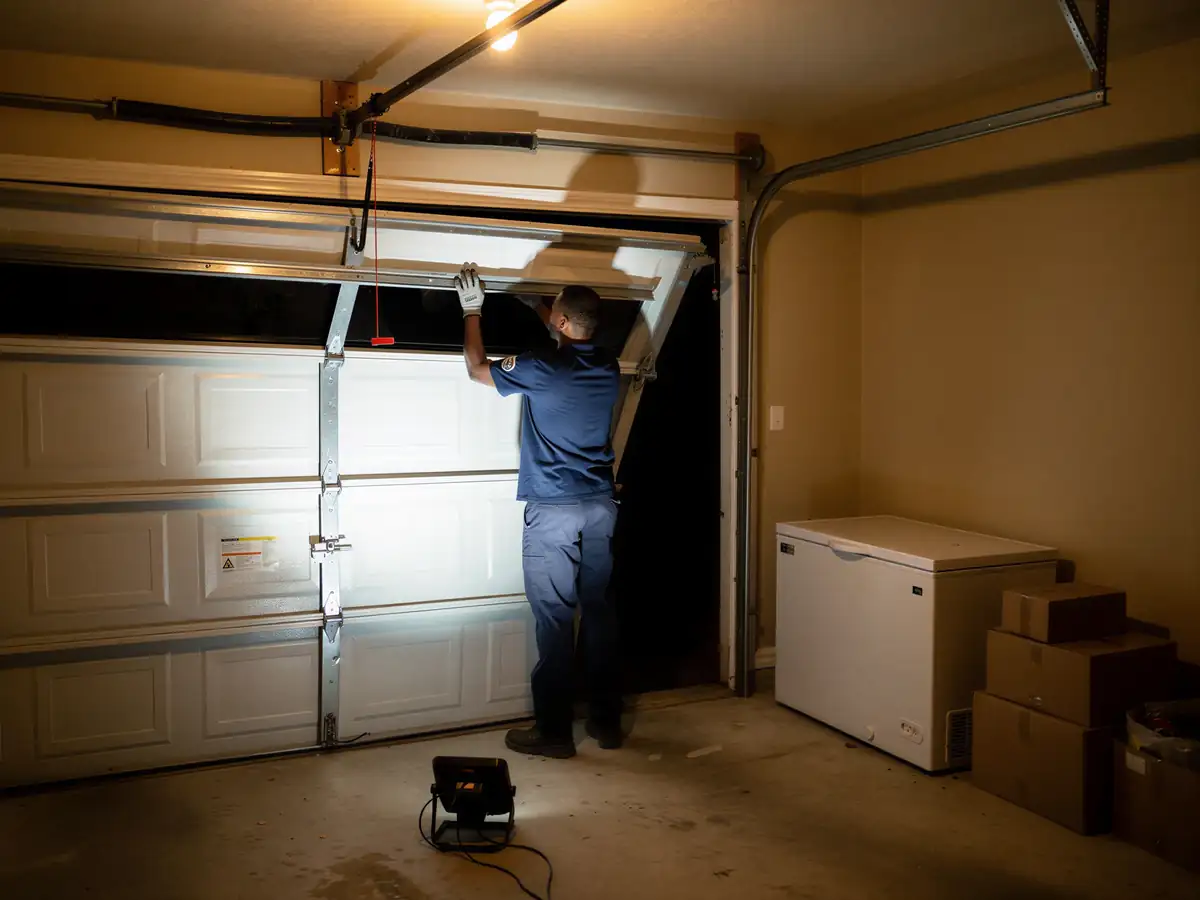
The white garage door is off its tracks and bent at the bottom.

Off-Track Repair

Off-track garage doors in Fountain Hills tie back to 1980s-90s hardware and severe summer heat. Here's what causes it, what we bring, and what drives the cost.

Learn more
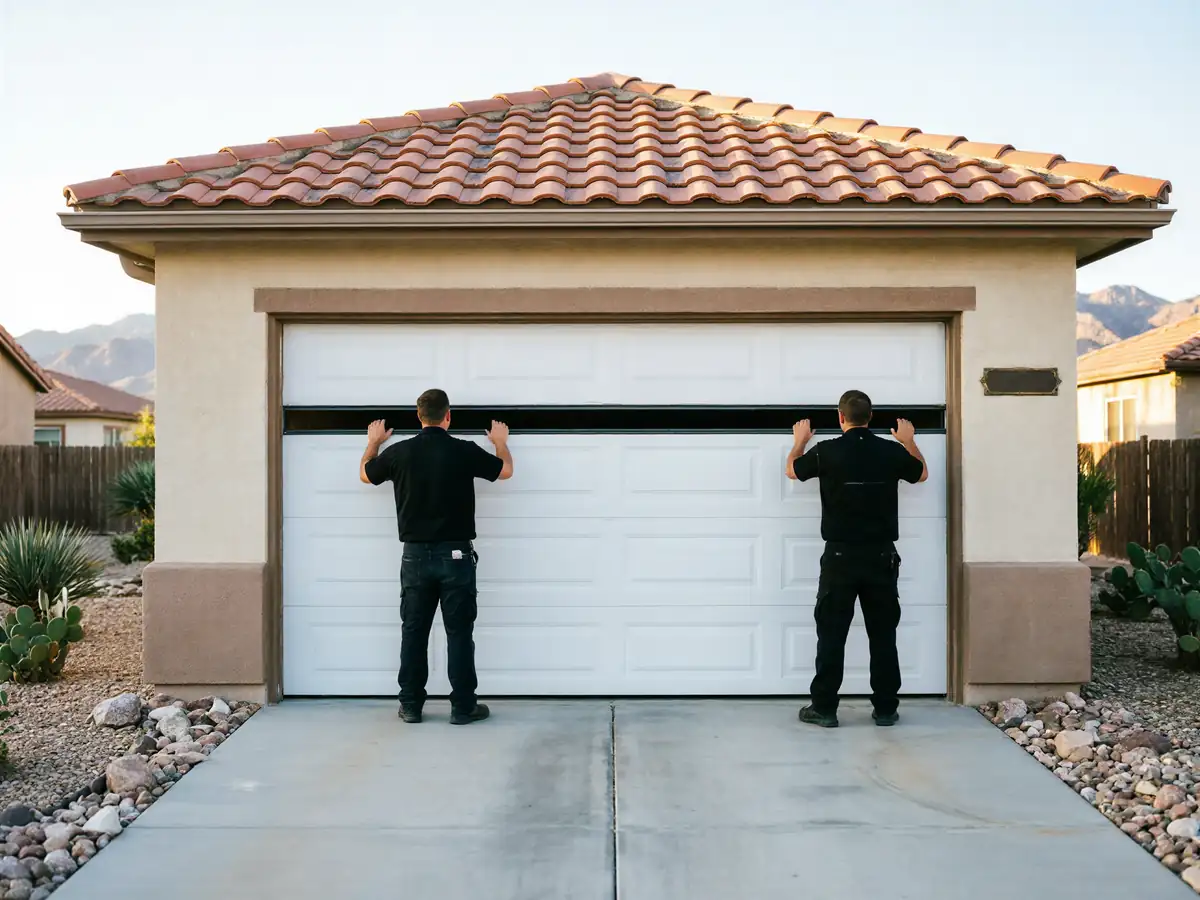
Two technicians are installing a white garage door on a tan house.

Panel Replacement

Panel replacement for Fountain Hills homes built in the 1985-1994 boom, where sun-warped steel and dented sections are common. See what the job involves and what drives the cost.

Learn more
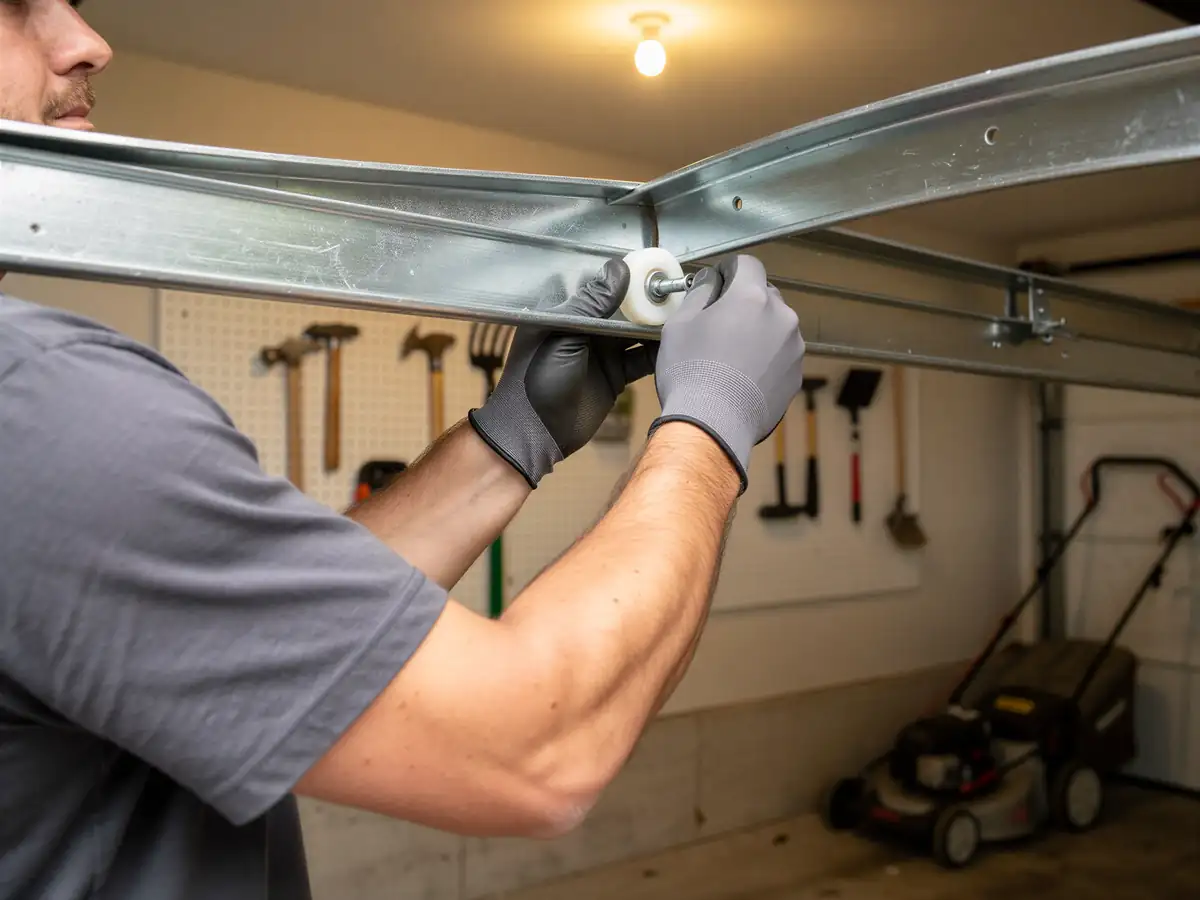
A technician installs a new roller on a garage door track.

Roller Replacement

Worn rollers on 1980s-90s Fountain Hills homes fail from heat and age, not accidents. See why this is common here and what a roller job actually involves.

Learn more
A technician in a blue shirt adjusts a white garage door inside a garage.

Emergency Garage Door Repair

24-hour garage door repair for Fountain Hills homes built in the 1985-1994 boom, where heat-cracked springs and sun-dried seals cause most emergency calls.

Learn more
Questions

Frequently asked

Straight answers about garage door repair in Fountain Hills. Still unsure? Ask us directly.

Why do garage door springs fail more in summer here than in winter?

Steel springs expand and lose coil tension as they heat and cool repeatedly through a severe-heat summer, and the grease packed into the coil breaks down faster at high temperatures. In this climate, a spring near the end of its life is far more likely to go in July than in January.

My house was built around 1990 - should I worry about the opener too?

Possibly. Houses from that build era often have at least one opener swap behind them, and mounting brackets or rail length don't always match newer kits. If the door reverses on its own or the chain slaps the rail, that's a travel-limit or gear issue worth having looked at, not a lubrication fix.

Is it worth repairing an original door from the late '80s or early '90s?

Sometimes, but not always. If the spring, drum, and bearings all need replacing at once, the cost gets close to a new torsion system, and we'll say so rather than patch a door that's at the end of its service life.

How often should I check the springs given the heat here?

A visual check once a year, ideally before peak summer, catches most problems early - look for gaps in the coil, rust, or a spring that looks stretched compared to its mate on the other side of the shaft.

Ready to get your garage door sorted?

Tell us what it’s doing and where you are in Fountain Hills - we’ll take it from there.

Request a QuoteCall