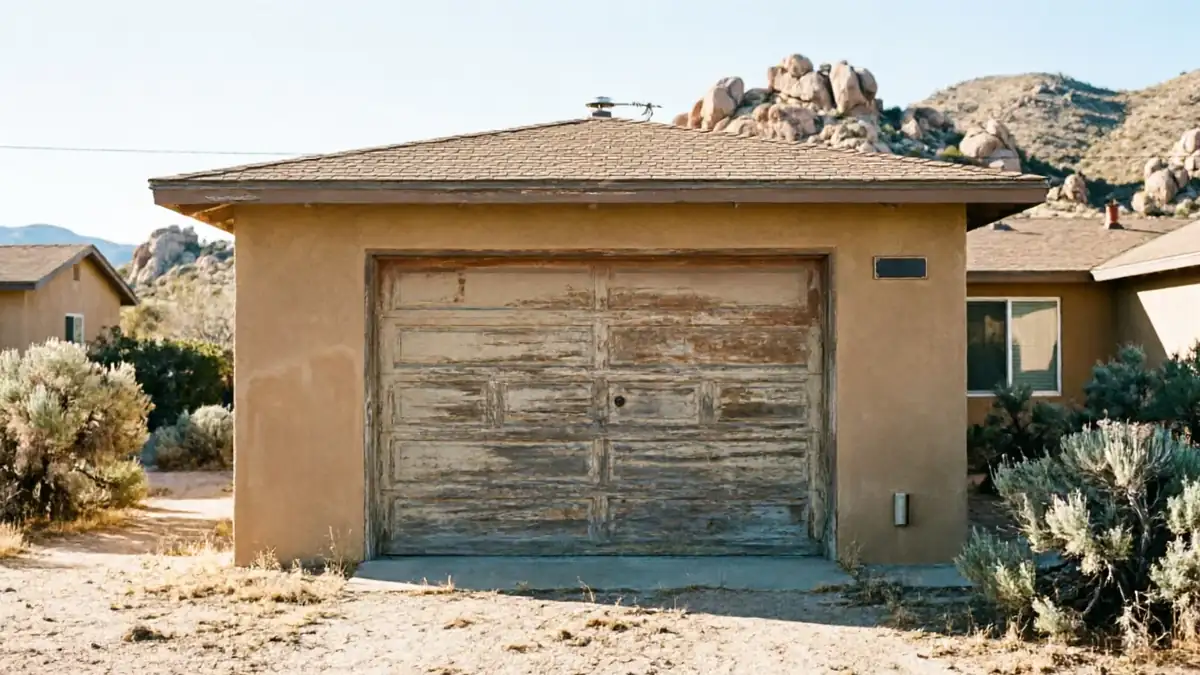
When It Stops Being a DIY Job
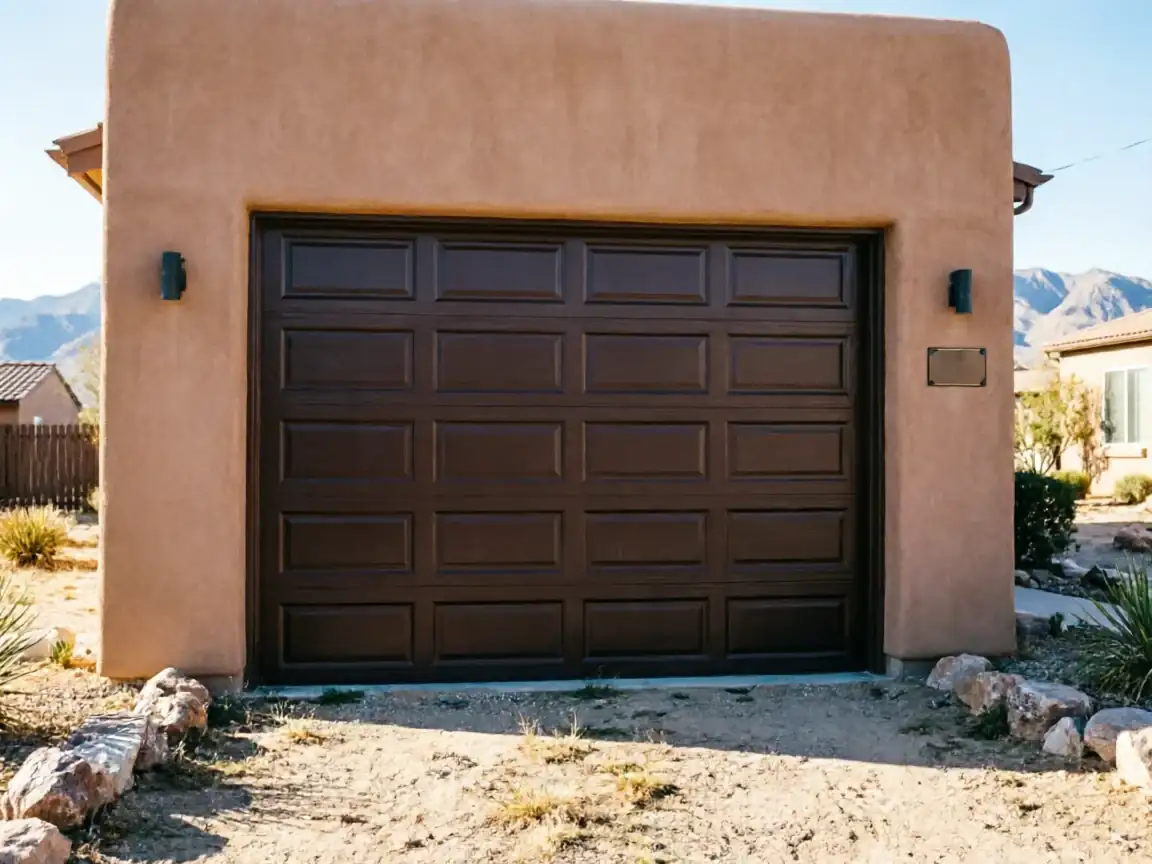
Most houses in Fountain Hills went up between 1985 and 1994
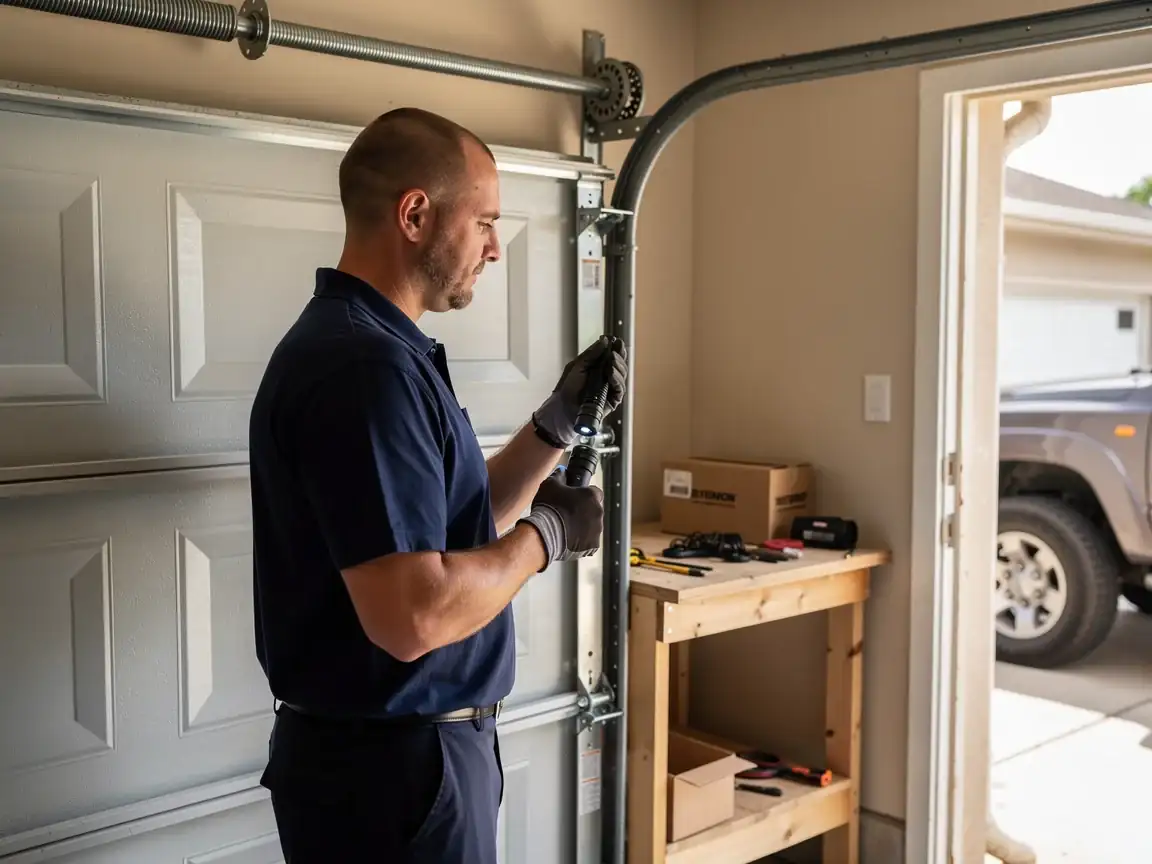
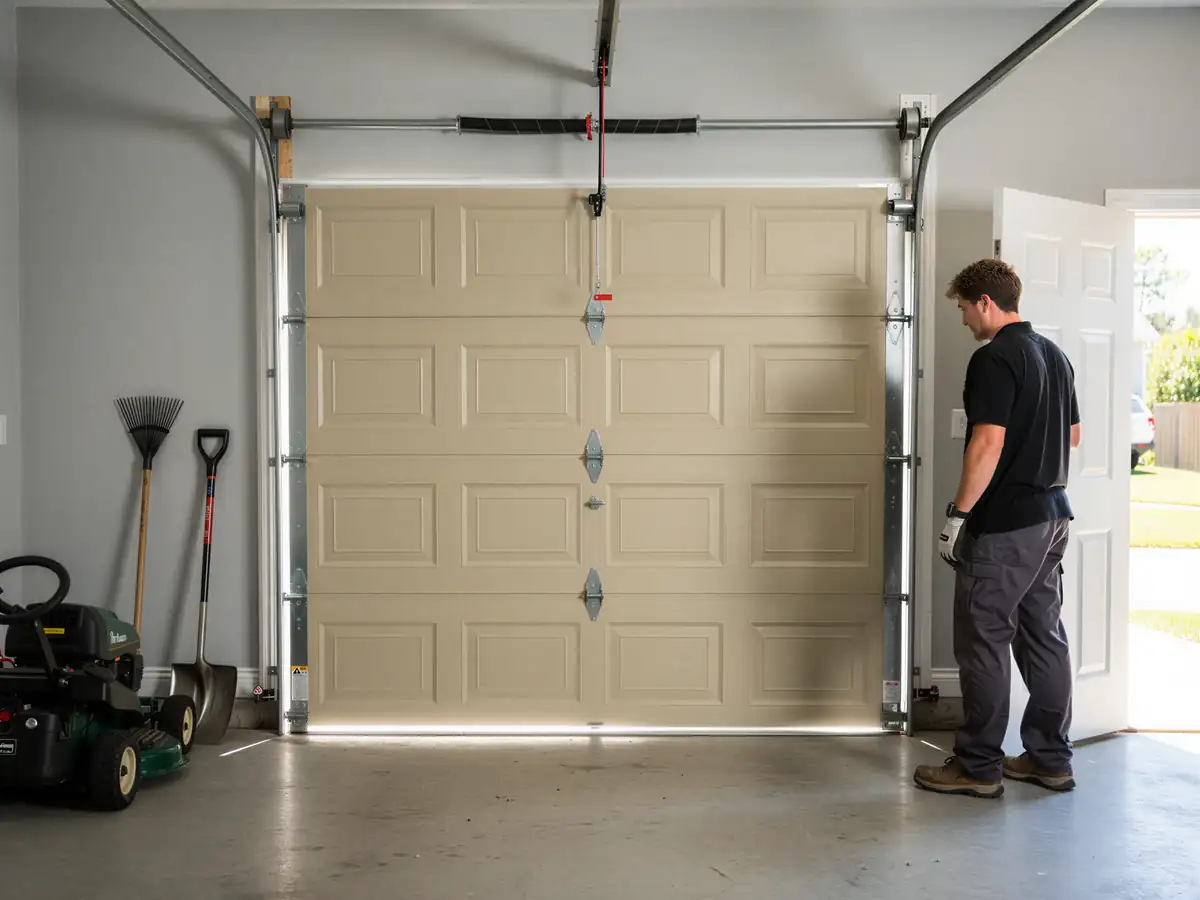
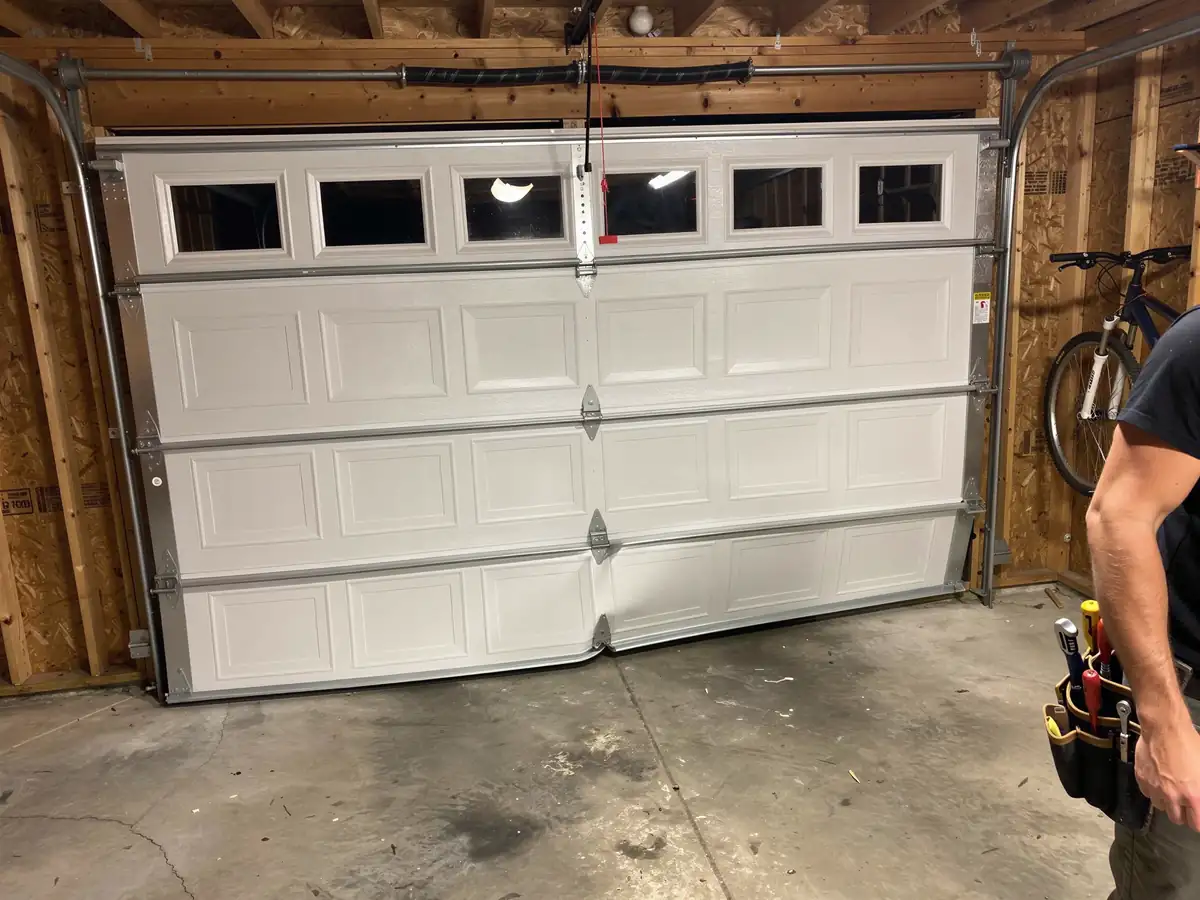
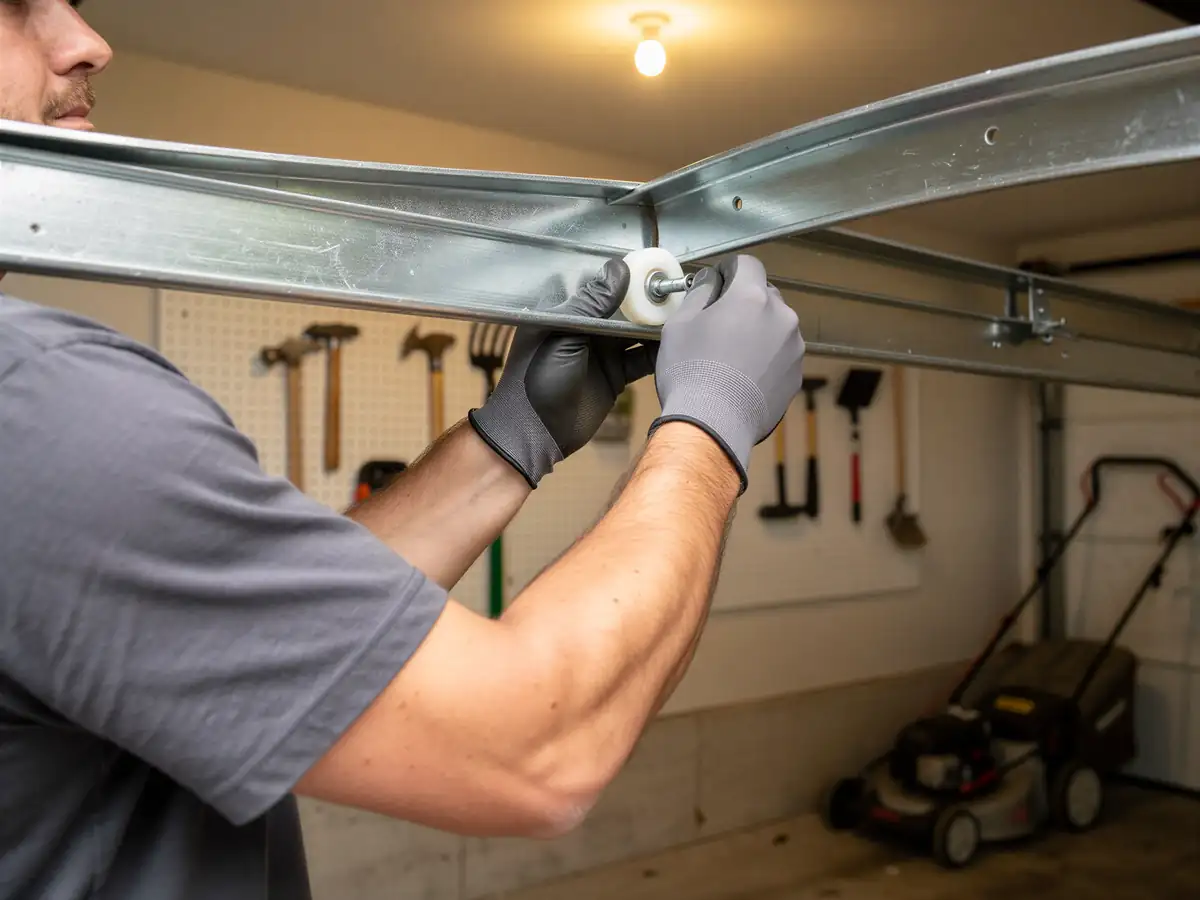
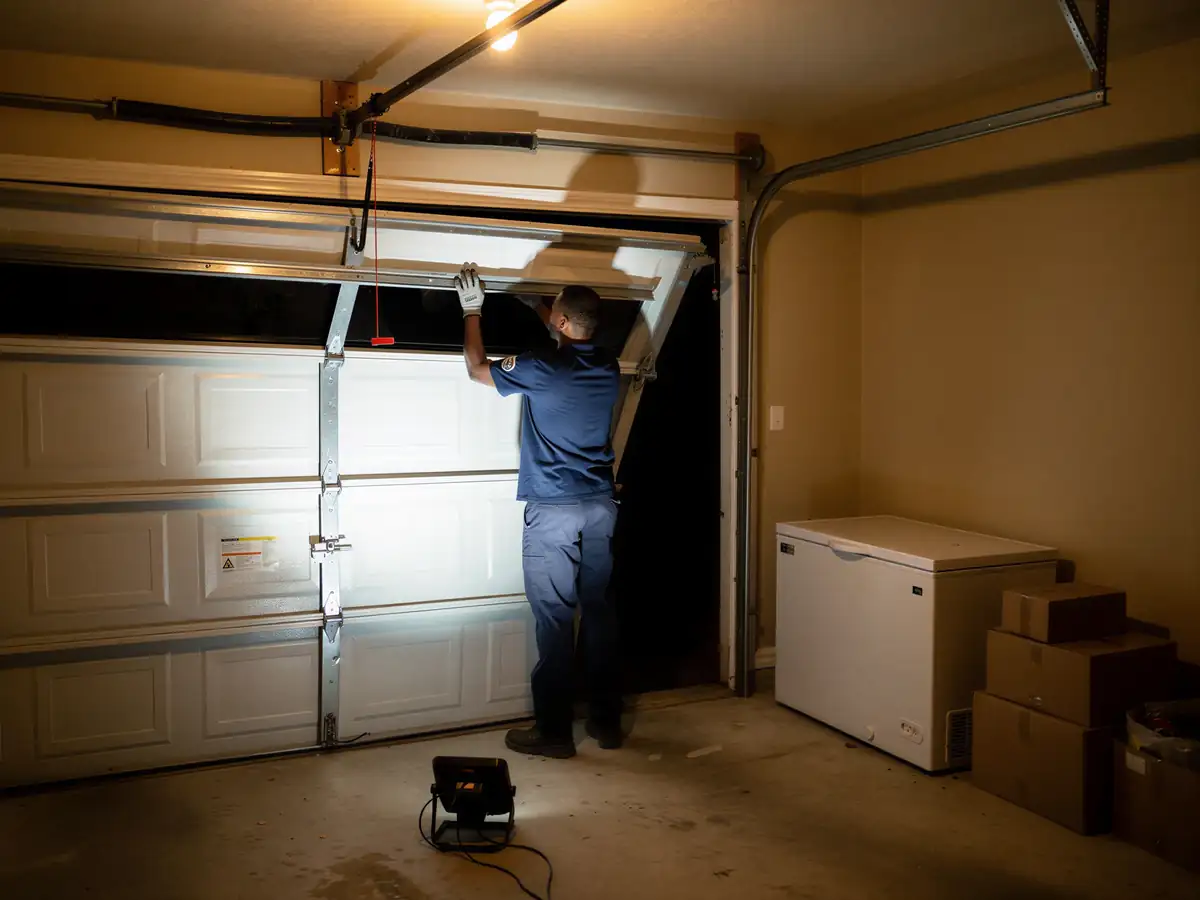
With the median build year sitting right at 1989. That means a lot of doors and openers in this town are original equipment, not something swapped out in the last decade. A worn roller or a squeaky hinge is still a weekend job. A broken torsion spring, a bent track, or an opener that grinds and stalls halfway up is not - that's where people get hurt, because a loaded spring on a door this old can let go with real force.
Here's the honest limit
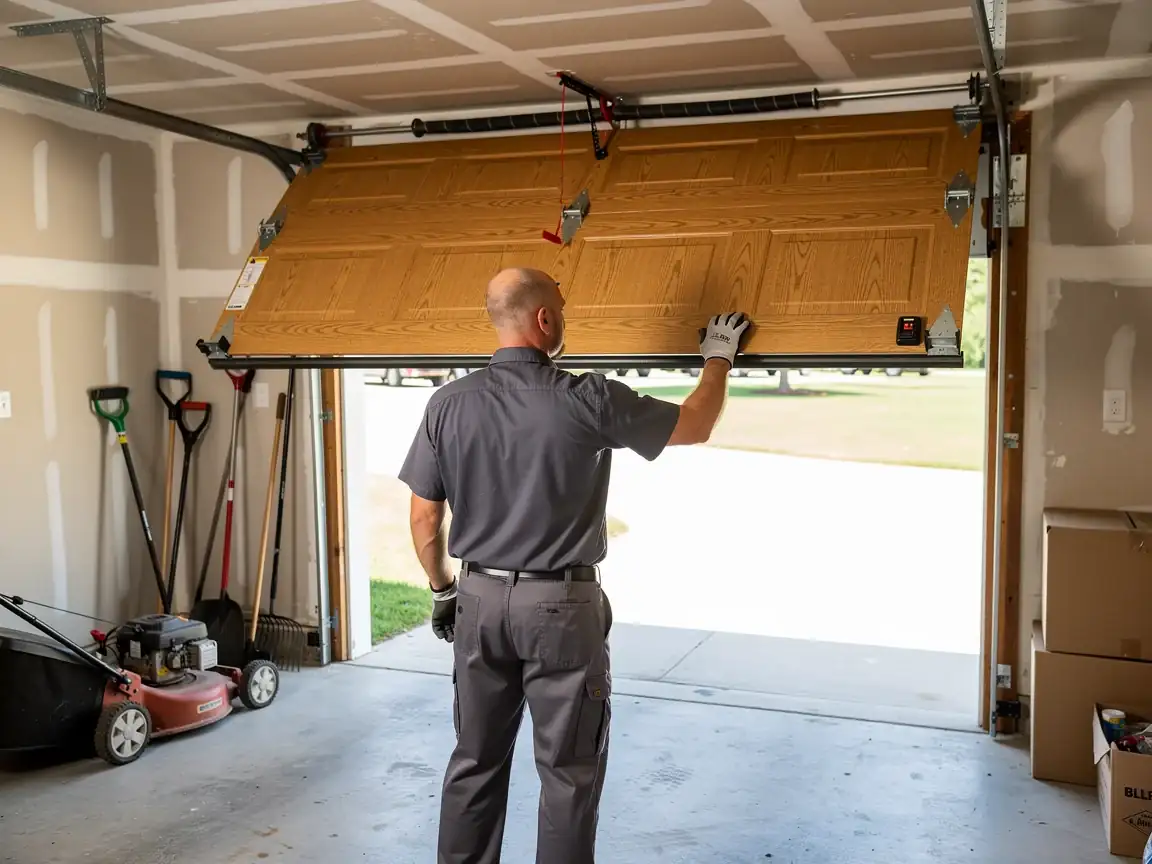
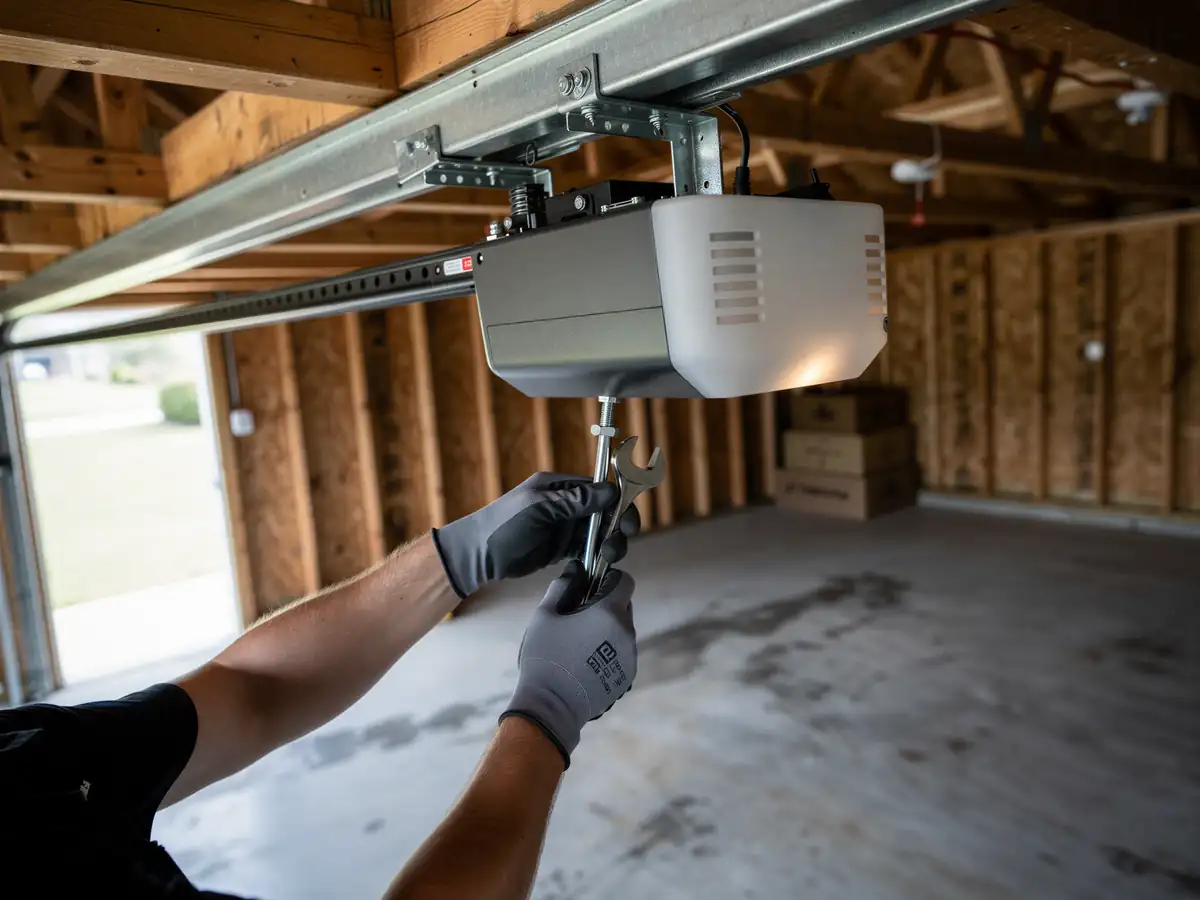
If the opener is original to a 1989-era build, we don't chase a part number for it. Nobody stocks motor boards or gear kits for units that old, and hunting for one wastes your money and our time. At that point the call isn't repair versus DIY, it's repair versus replace, and for a unit that age replacement usually wins. A door panel section is a different story - those can often be sourced and swapped even on an older door, as long as the track and spring underneath are sound.
How Local Conditions Play In
Fountain Hills sits in a climate band rated for severe heat, and heat is harder on a garage door system than people expect. Grease and lubricant on tracks and hinges break down faster at high sustained temperatures, which means rollers run dry months before a homeowner notices the squeal. Opener gears, especially the nylon ones used in units from the 1980s and 90s, get brittle and strip under that kind of heat load.
Metal expansion matters too. A steel track that fits perfectly in the cooler months can bind slightly once the garage interior climbs into severe-heat territory for hours at a stretch, and a door that already has a little wear in the rollers or hinges will start catching right where it didn't before. None of this is damage you can see from the driveway - it shows up as a door that's suddenly louder, slower, or harder for the opener to pull.
What Is Going On
Fountain Hills isn't one uniform neighborhood in terms of age - it's closer to three pockets, all built out in roughly the same 1980s-to-90s window. The area near a mile northwest, the blocks toward two miles south, and the stretch out toward seven miles to the west-southwest all carry the same vintage of door hardware: original torsion springs, original steel track, and openers that are old enough to be on their second or third homeowner.
With roughly 8,588 owner-occupied houses across the service area, that's not a handful of outliers - it's most of the town. A door that's original to a 1989 build and still running is not a sign it's fine forever; springs lose tension on a curve, and most are rated for a fixed number of cycles that a 35-year-old door has usually already used up. Median household income here runs around $141,331, which is part of why a lot of owners choose a clean replacement over patching an original unit a third or fourth time.
What Changes With the Season
In a severe-heat climate band, the stress on a door system doesn't really let up the way it would somewhere with a true winter
The months of sustained high heat are what do the damage - spring steel fatigues faster under heat cycling, and opener motors that run during the hottest part of the day are working against thermal load on top of the lift itself.
For a door that's original to the 1985-1994 building wave common across Fountain Hills
That means the spring is aging on a heat-driven clock, not a calendar one. It's also why a repair that looked fine in spring can fail by late summer - the spring was already near the end of its rated cycles, and a few months of heat pushed it over. If your door is from that era and you haven't had the spring tension checked, that's the one thing worth doing before it breaks on its own.