What Causes It Around Here
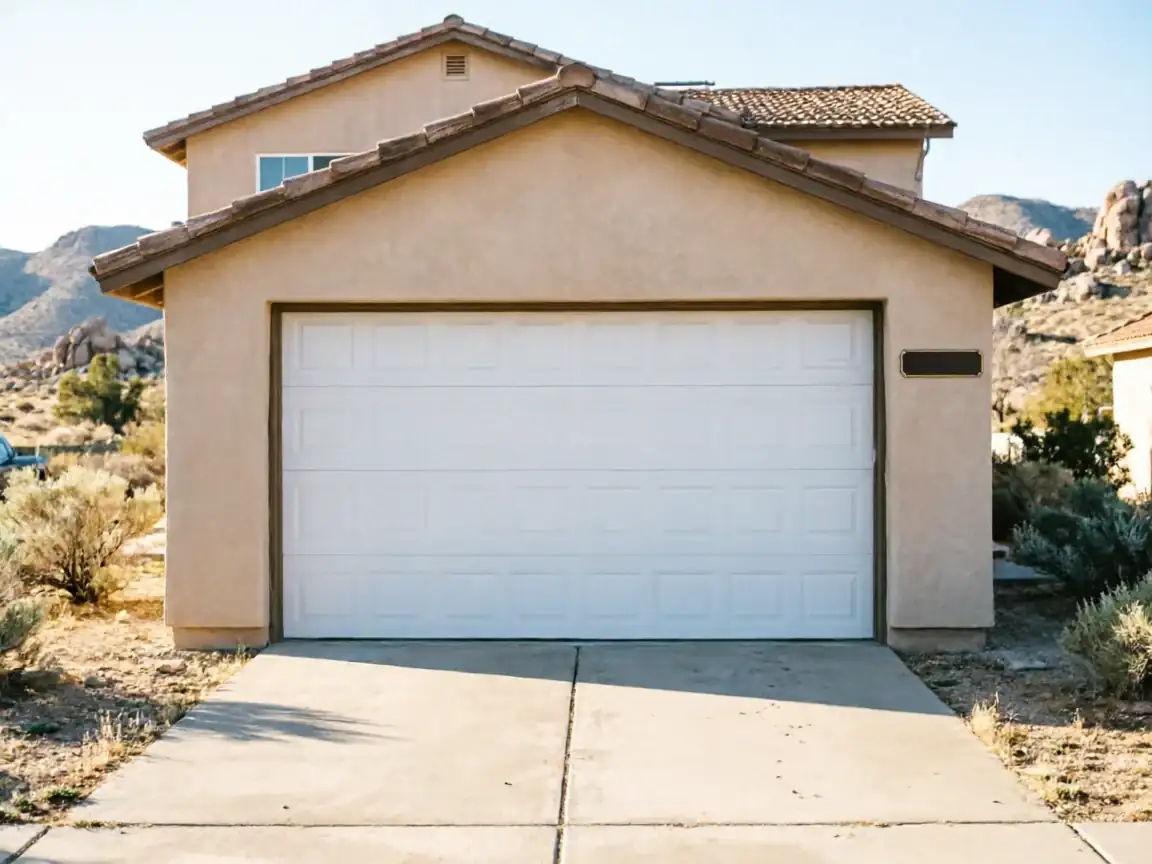
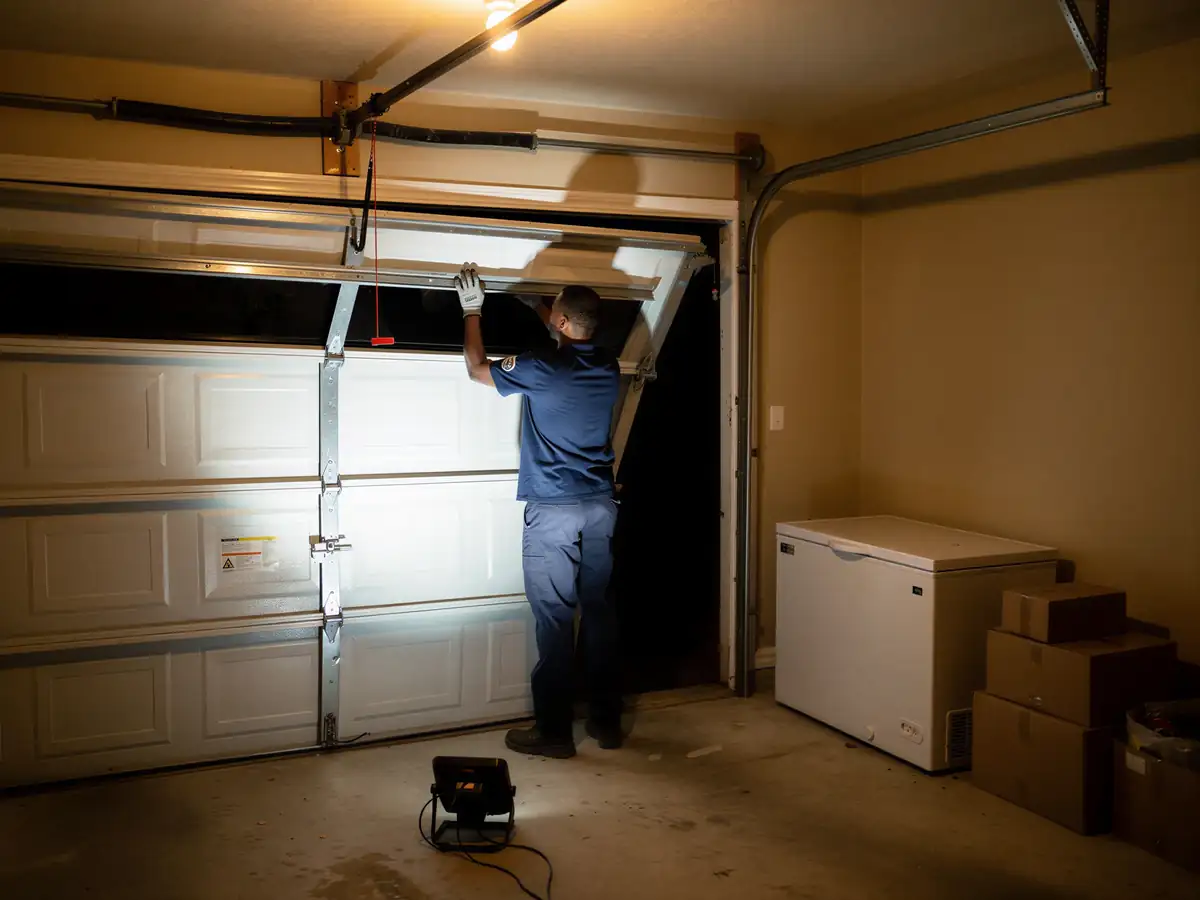
Most of the housing stock in this service area went up between 1985 and 1994, which means a lot of original builder-grade rollers are now three decades old or have already been replaced once with a cheap match. That alone would wear rollers out eventually anywhere. What makes it happen faster here is the heat. Fountain Hills sits in a severe-heat climate band, and garage interiors routinely run well past the surrounding air temperature in summer - the metal track expands, the stem lubricant cooks off faster than it would in a mild climate, and nylon rollers get brittle sooner than their rated life would suggest. We see this pattern across the whole service area, from the older infill lots near out toward the newer builds closer to Rio Verde - the roller wear shows up earlier than the warranty paperwork says it should, because the paperwork wasn't written for this kind of heat exposure.
What Is on the Truck
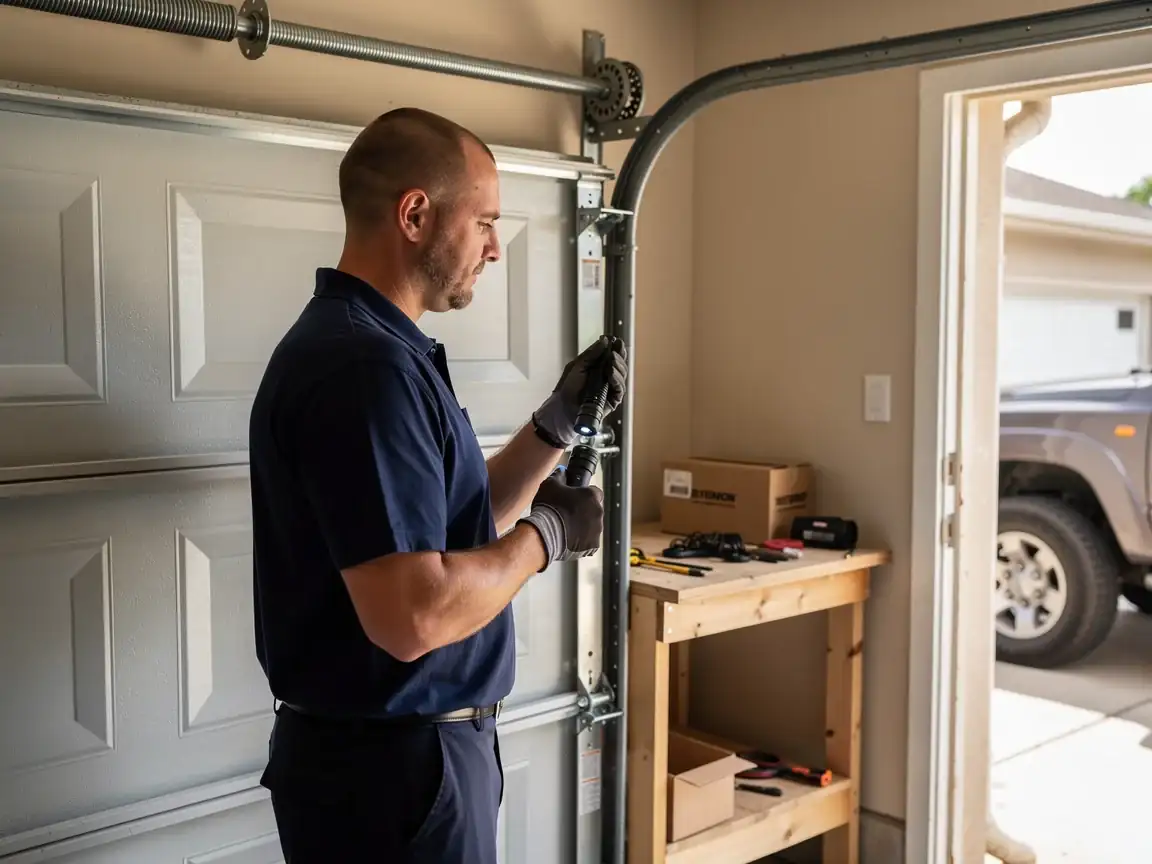
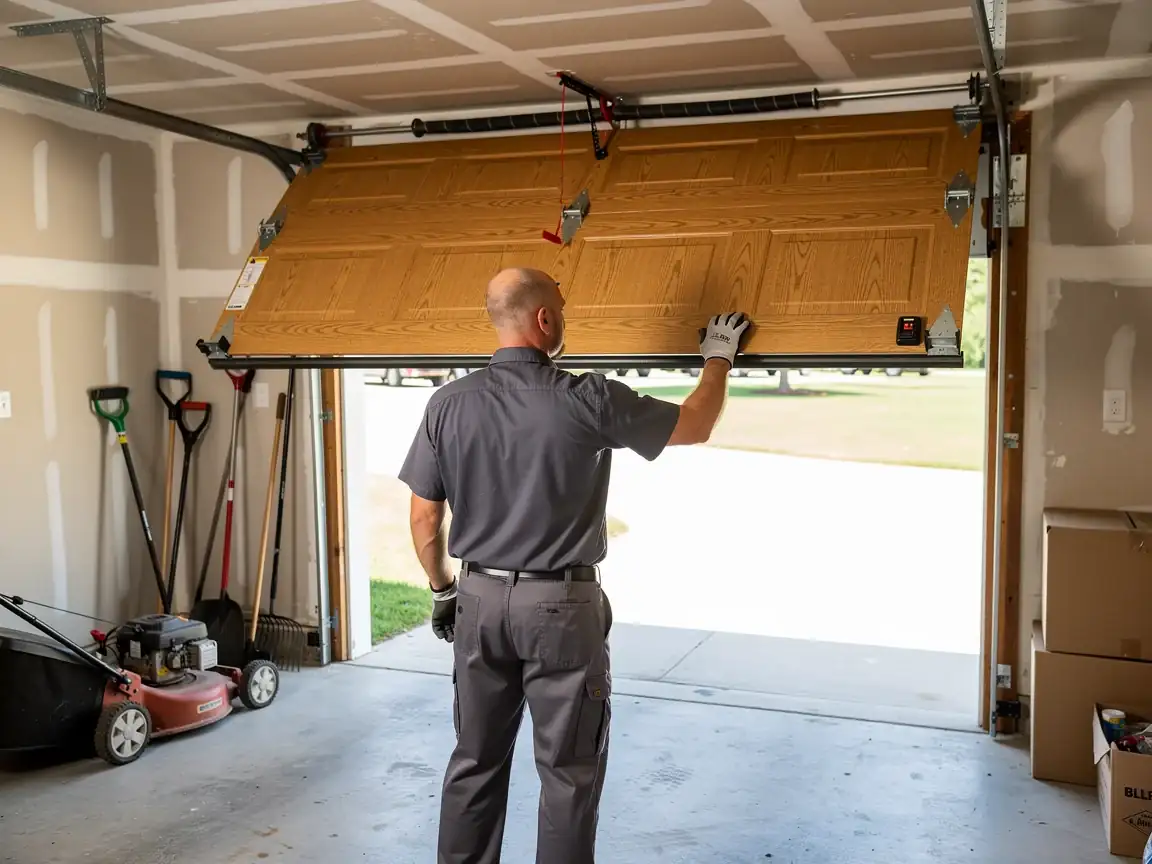
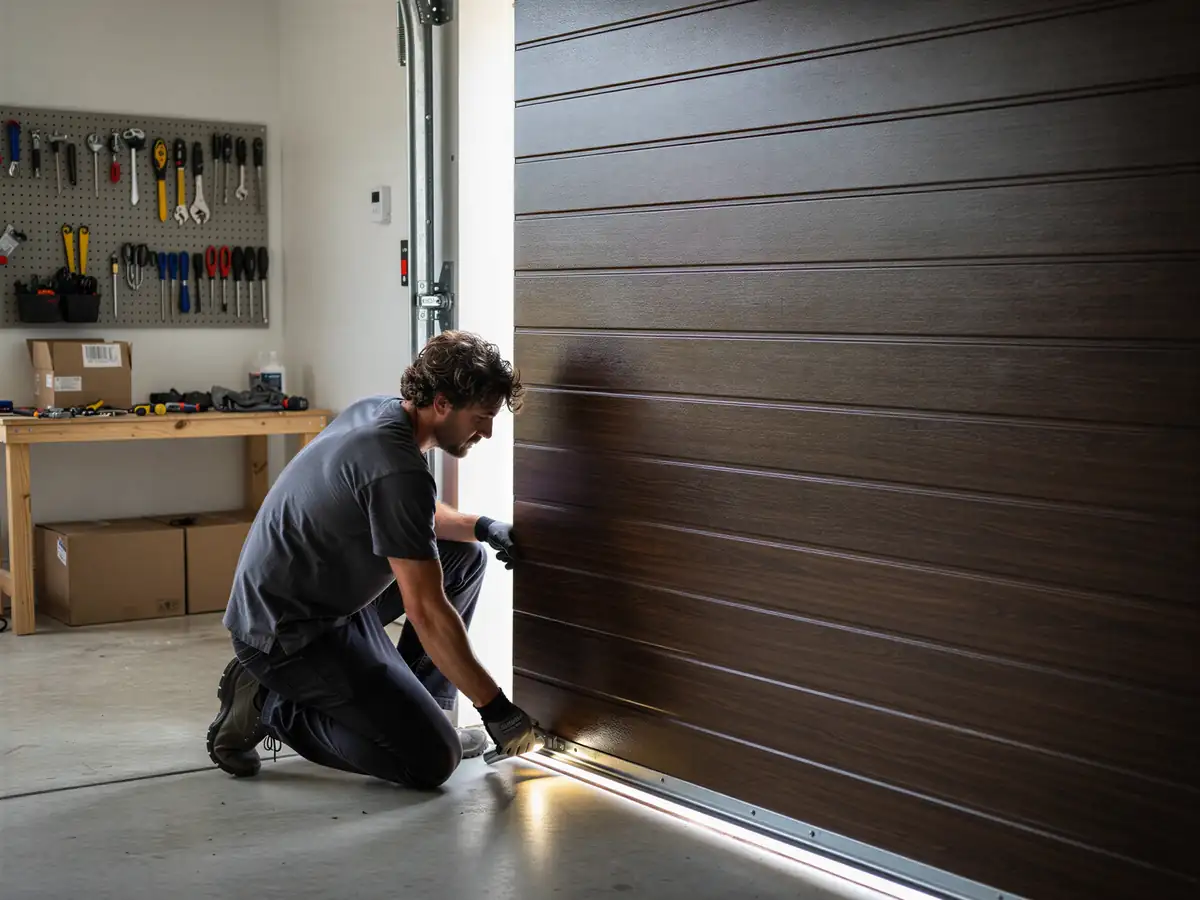
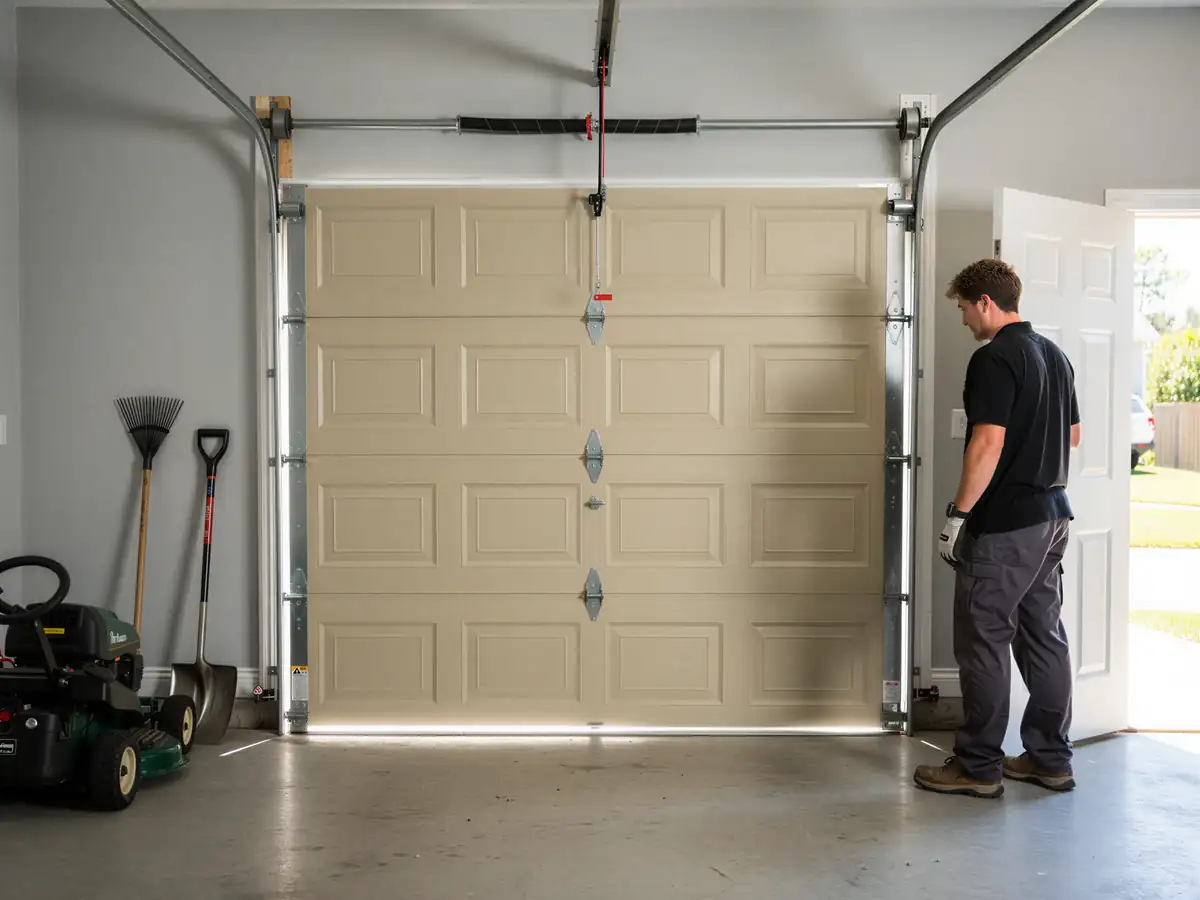
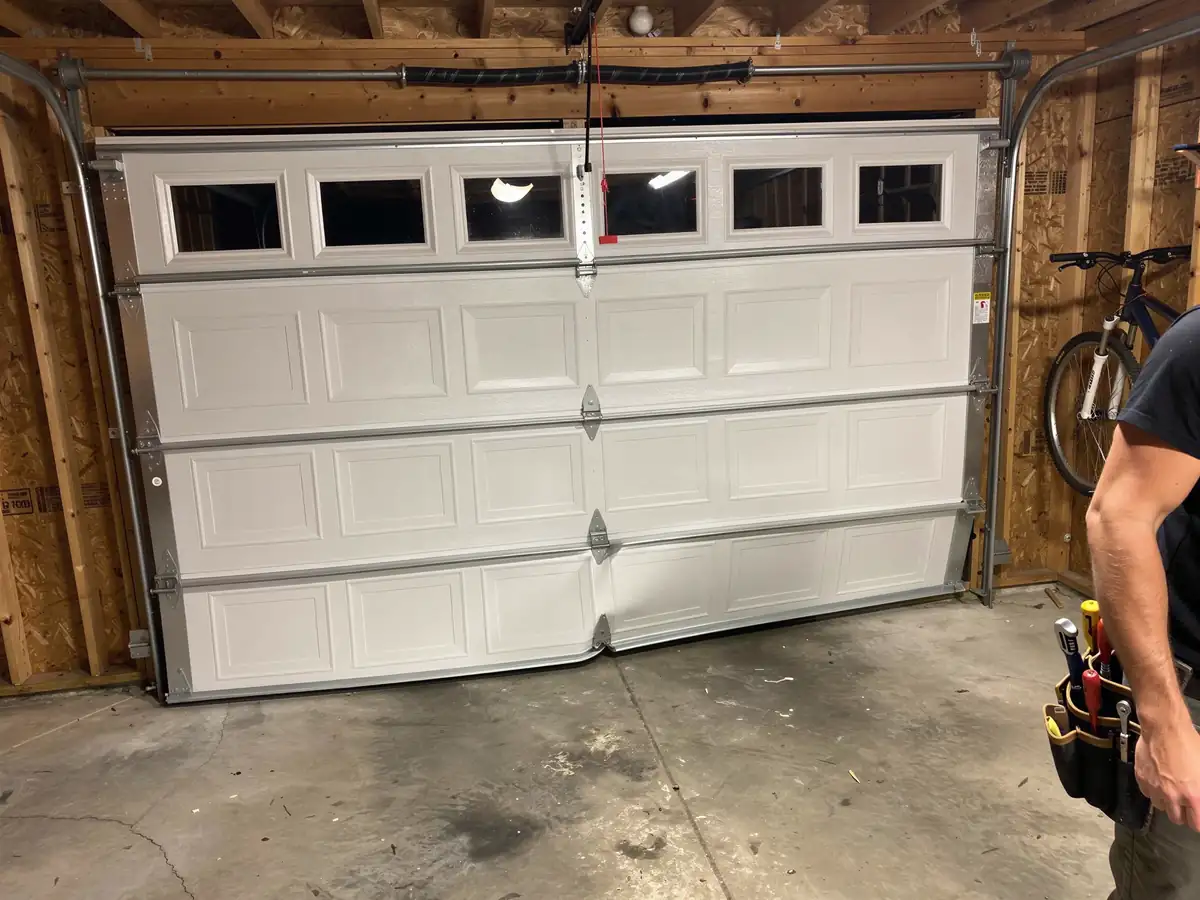
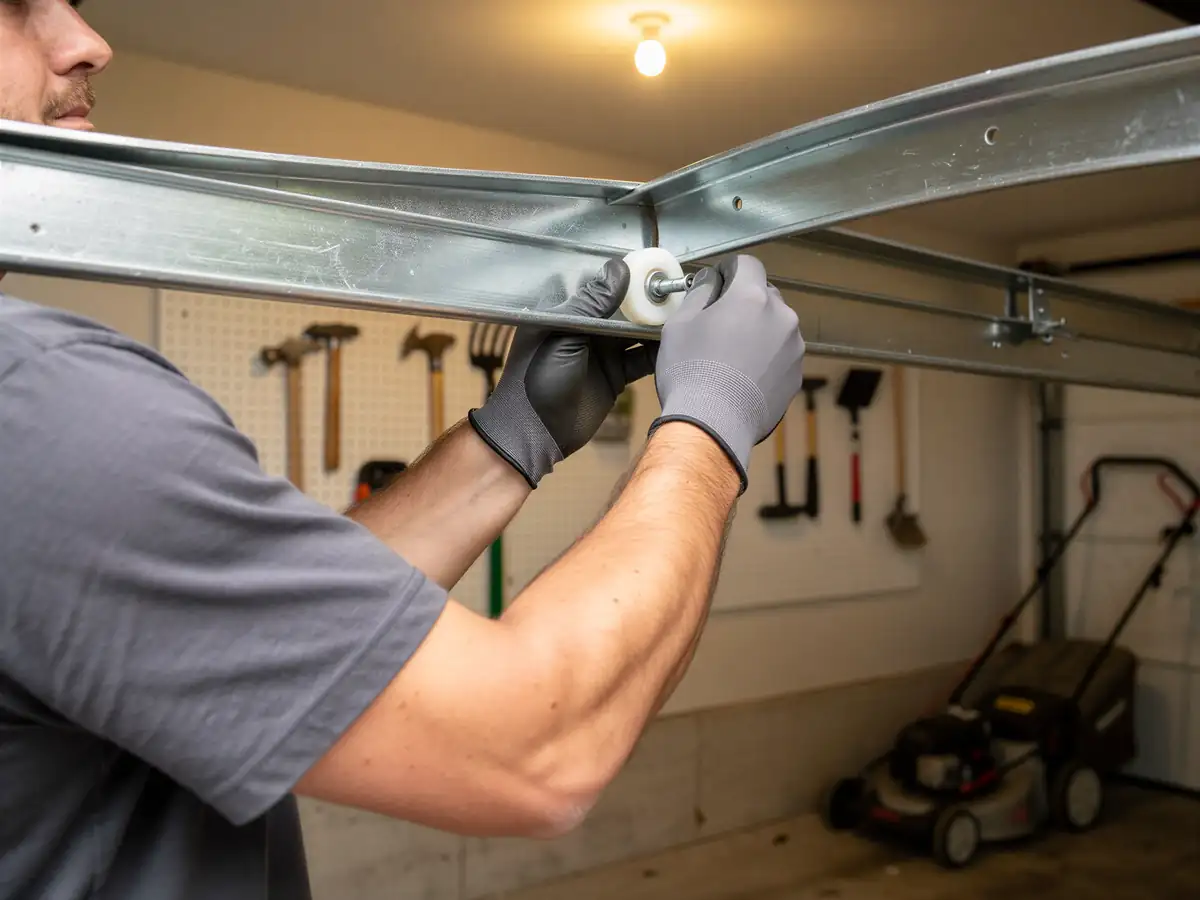
For a standard roller job we carry sealed-bearing nylon rollers in the common stem lengths and gauges used on residential doors from this era of construction, along with the hardware to match hinges that have worn oval where the roller stem rides. We also stock track-alignment tools, because a roller that's been grinding for months usually takes a little bend out of the track with it, and swapping the roller without checking the track just means a shorter second life for the new part. We do not carry every roller size on the truck - some older or imported door models use nonstandard stems, and if that's what we find, we'll tell you straight rather than force a part that won't seat right. On a standard 10-roller set we can usually finish same visit; anything requiring a special-order stem means a return trip.