Fountain Hills homes from the 1985-1994 building boom face opener failures tied to severe desert heat and grid strain. Here's what a torsion spring or opener can and can't take.
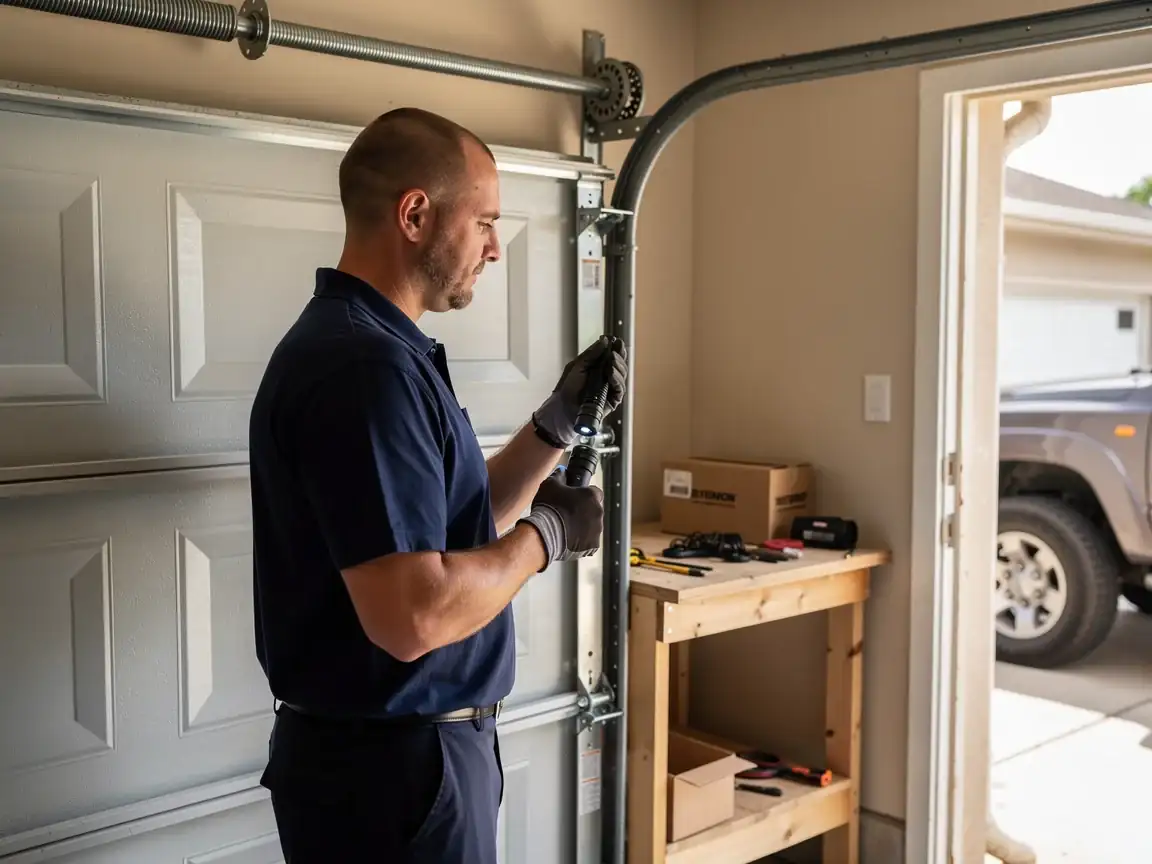
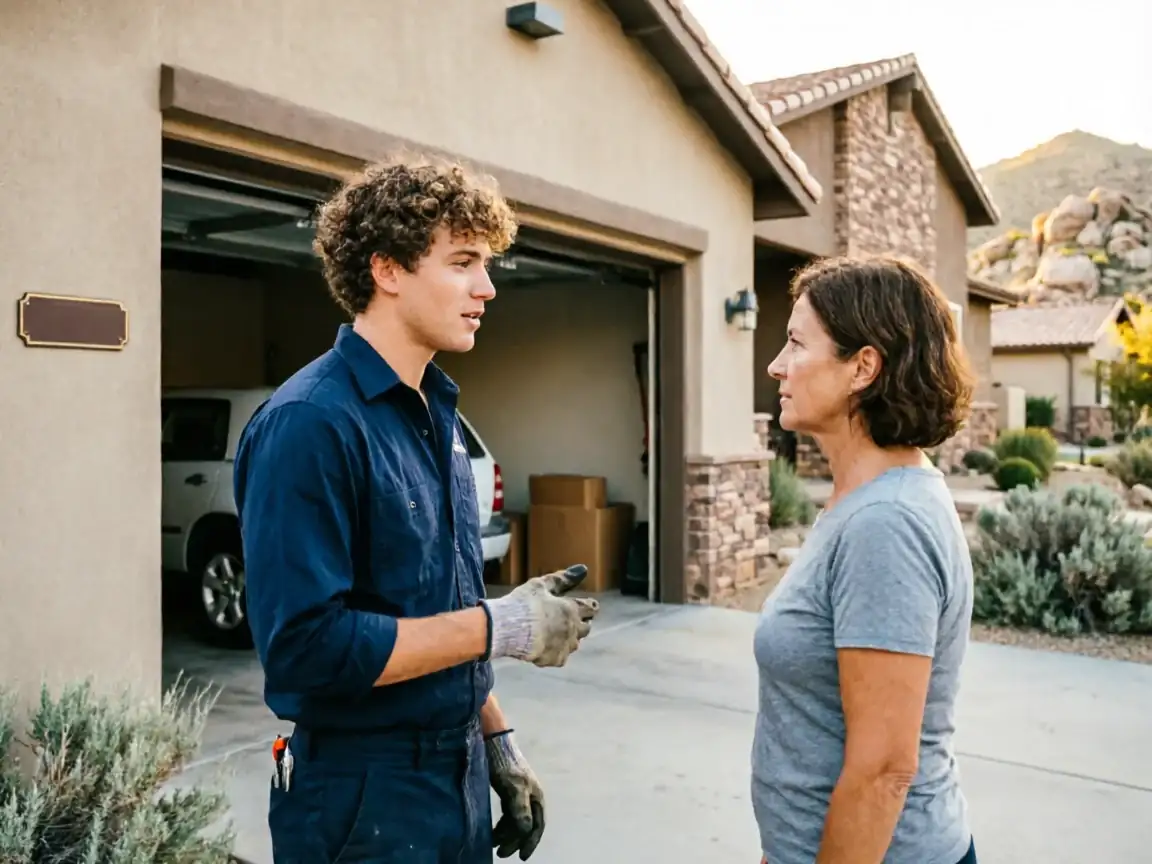
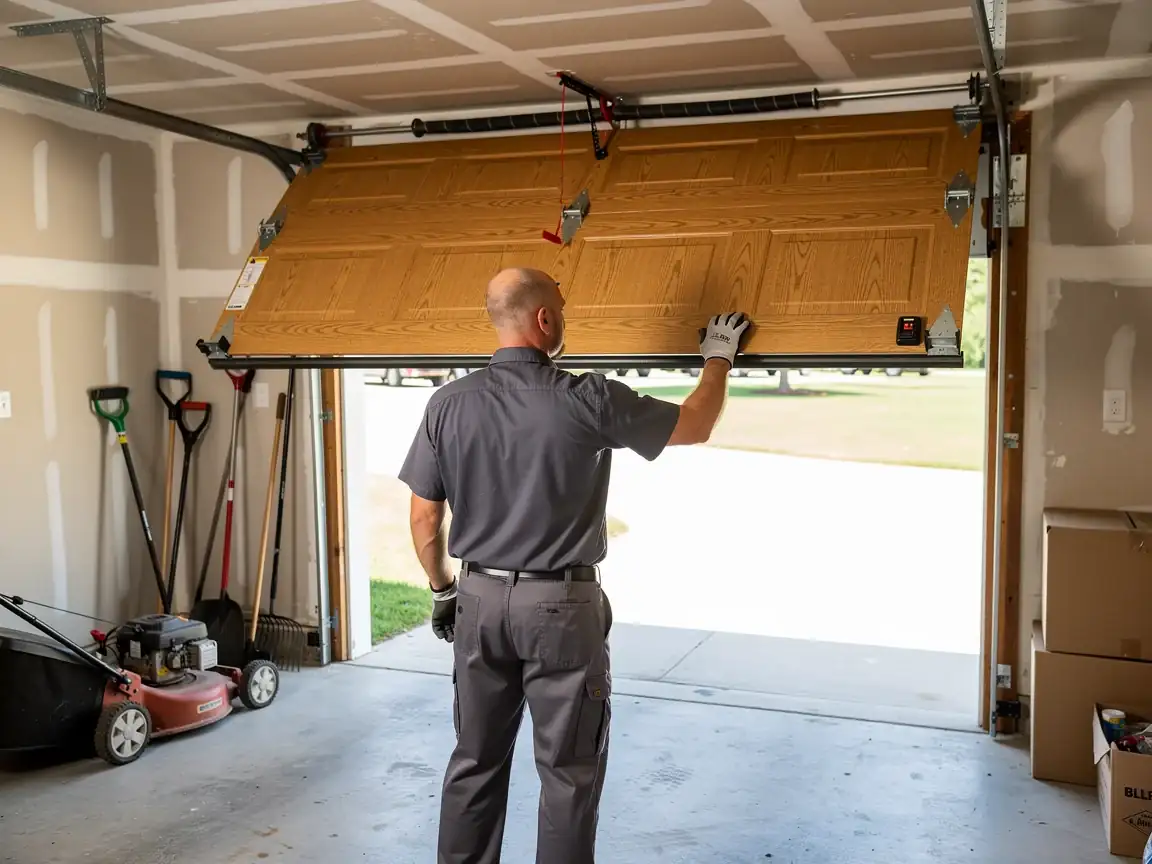
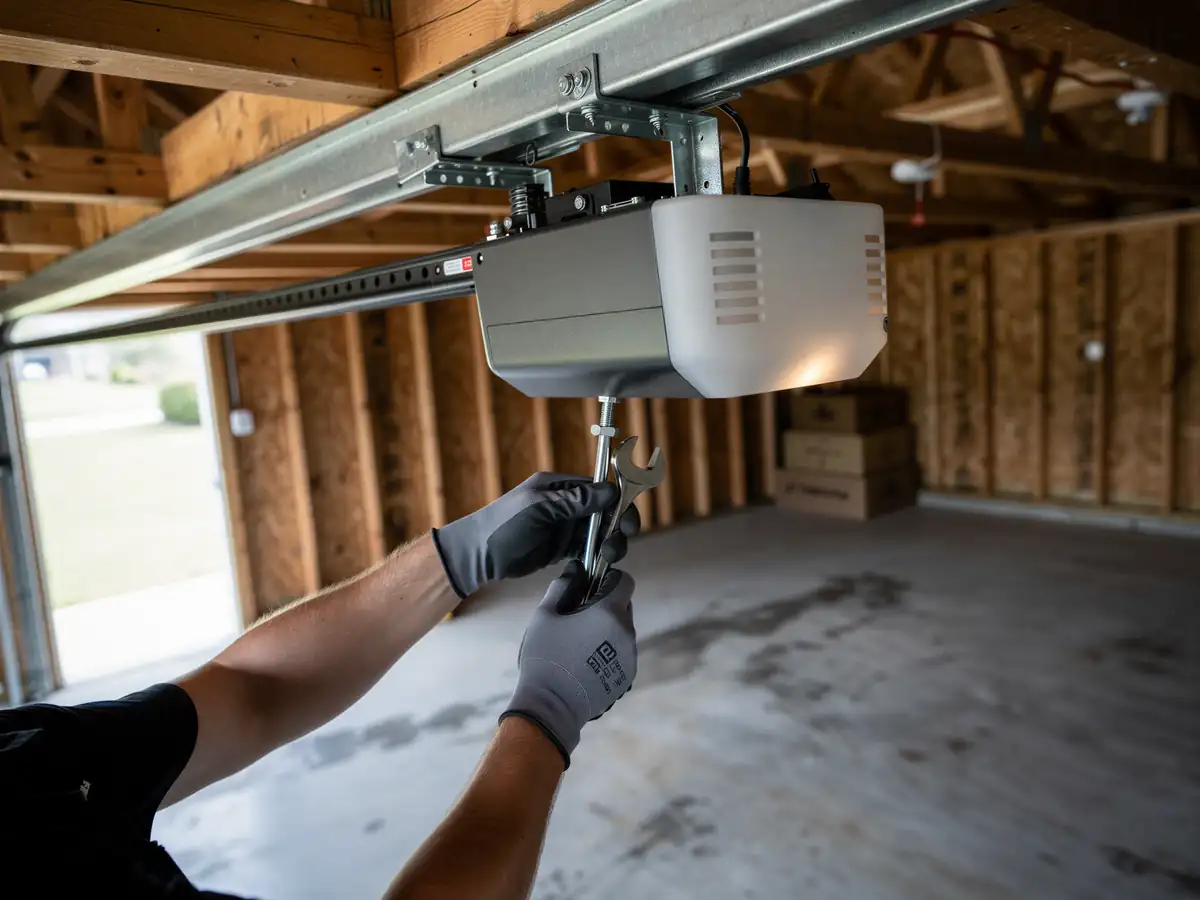
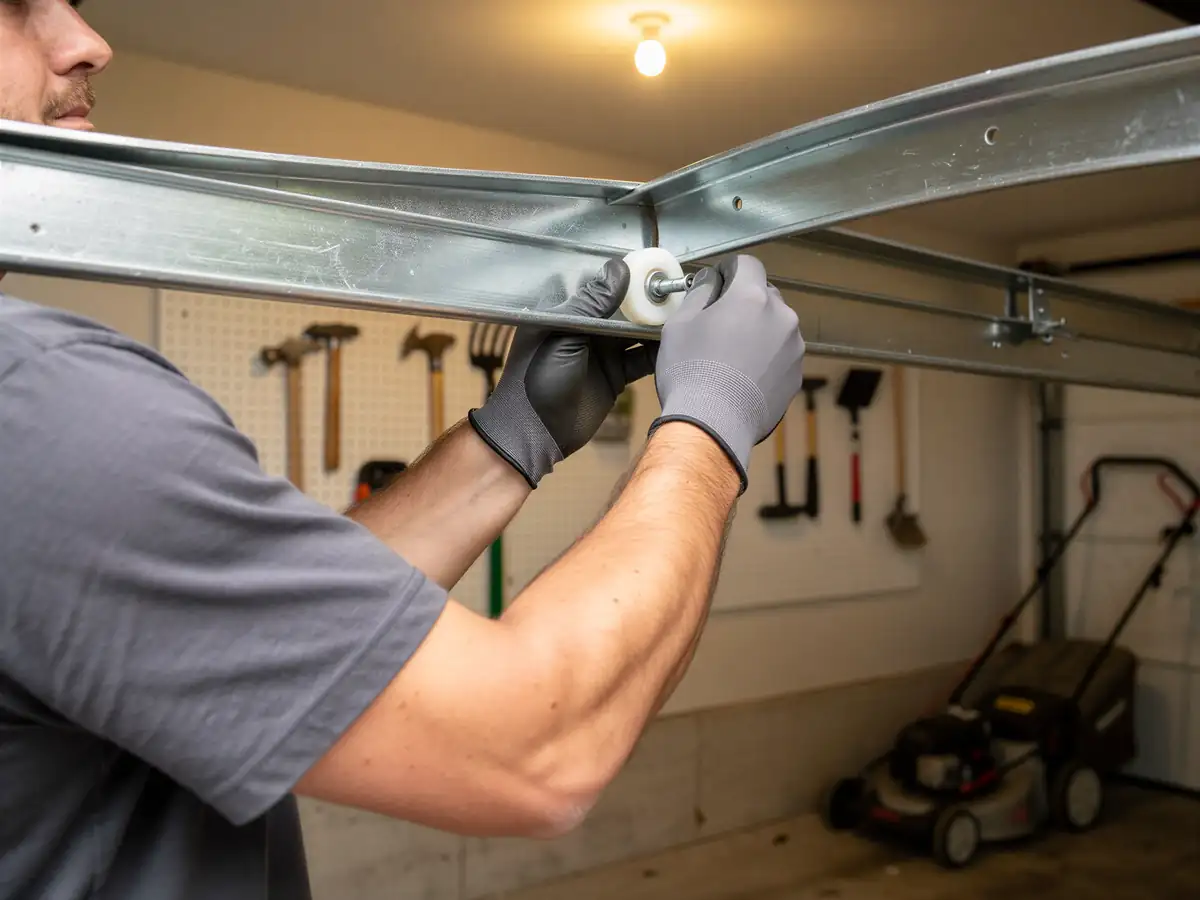
Most houses in this service area went up between 1985 and 1994, with 1989 as the median build year. That means the opener on your garage is very likely a second or third unit on original or near-original track and spring hardware, not the house's first setup. When a chain-drive or screw-drive opener from that era starts grinding, reversing without cause, or tripping its breaker, you're not looking at a quick fix with a can of lubricant. A homeowner can safely check batteries in the wall remote, clear the photo-eye sensors of dust, and tighten loose bolts on the rail. What you shouldn't touch is anything involving the torsion spring under load, or a logic board that's cycling erratically - that's a call, not a weekend project. With 8,588 owner-occupied houses across this area sharing roughly the same age of garage hardware, a lot of these failures are showing up on the same streets around the same time, which tells you it's the equipment aging out, not bad luck.
How Local Conditions Play In
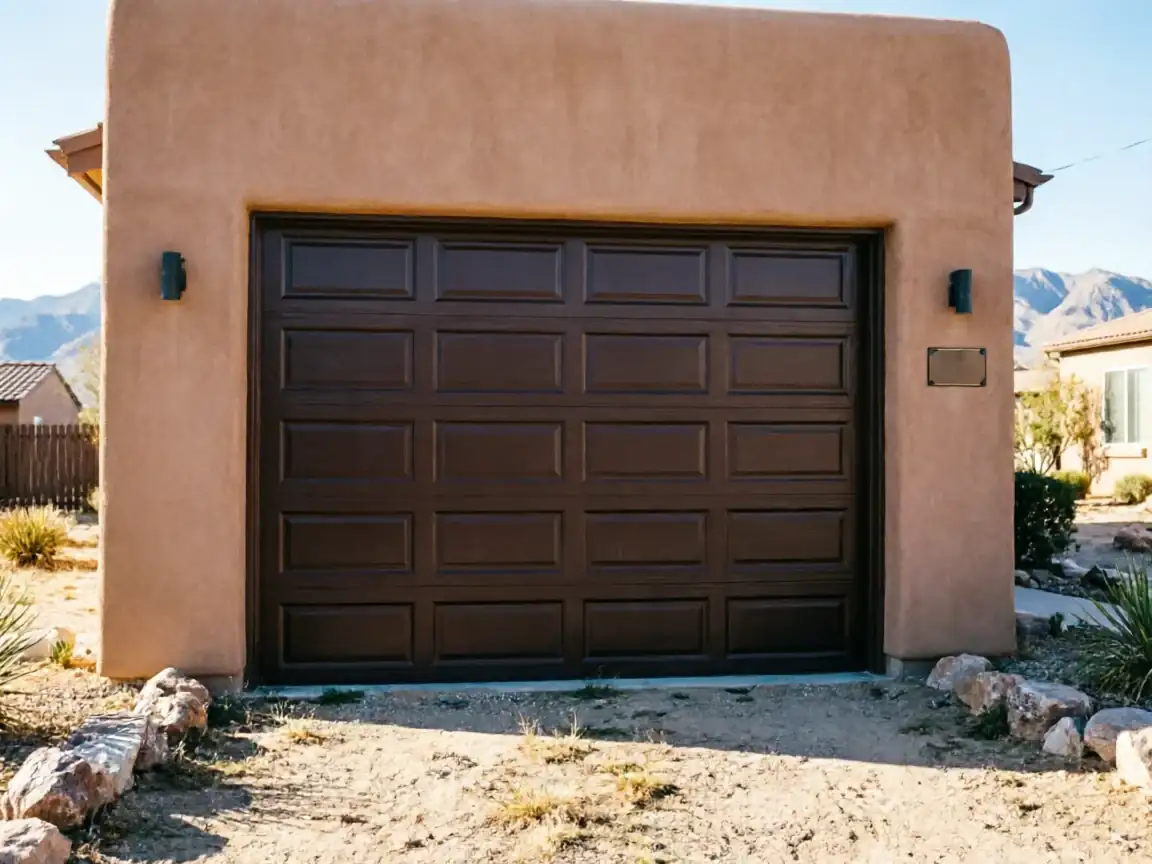
This area sits in a severe heat band, and that matters more for garage doors than people expect. A detached garage or an attached one with minimal insulation can run well past 130 degrees inside on a summer afternoon. Opener motors rated for residential duty cycle faster in that heat - the windings degrade, the capacitor in the motor housing weakens, and the plastic gears inside a chain-drive unit get brittle sooner than the spec sheet assumes. Houses in neighborhoods like both inside a couple miles of the center of town, carry the same 1980s-90s stock as the rest of the area, so the same heat stress is working on the same vintage of hardware across the board. Summer grid strain from air conditioning demand also means more short power interruptions - not the opener's fault, but it will act like it died when the power blips back on mid-cycle.
What Is Going On
Put the two things together - 1989-median housing stock and severe heat - and you get a predictable failure pattern. Openers manufactured before the mid-1990s weren't built with today's thermal-cutoff protections, so repeated heat cycling shortens their working life well below what a newer unit would see in a milder climate. A power cut during a heat wave, even a brief one, can leave an opener's motor stalled mid-travel or its logic board needing a full reset - and on older units without battery backup, that means the door sits wherever it stopped until someone manually releases the trolley. With median household income in this area at $141,331 and 8,109 households total, a fair number of these are larger two- and three-car setups with heavier doors, which puts more strain on an aging motor than a single-car door would.
What Changes With the Season
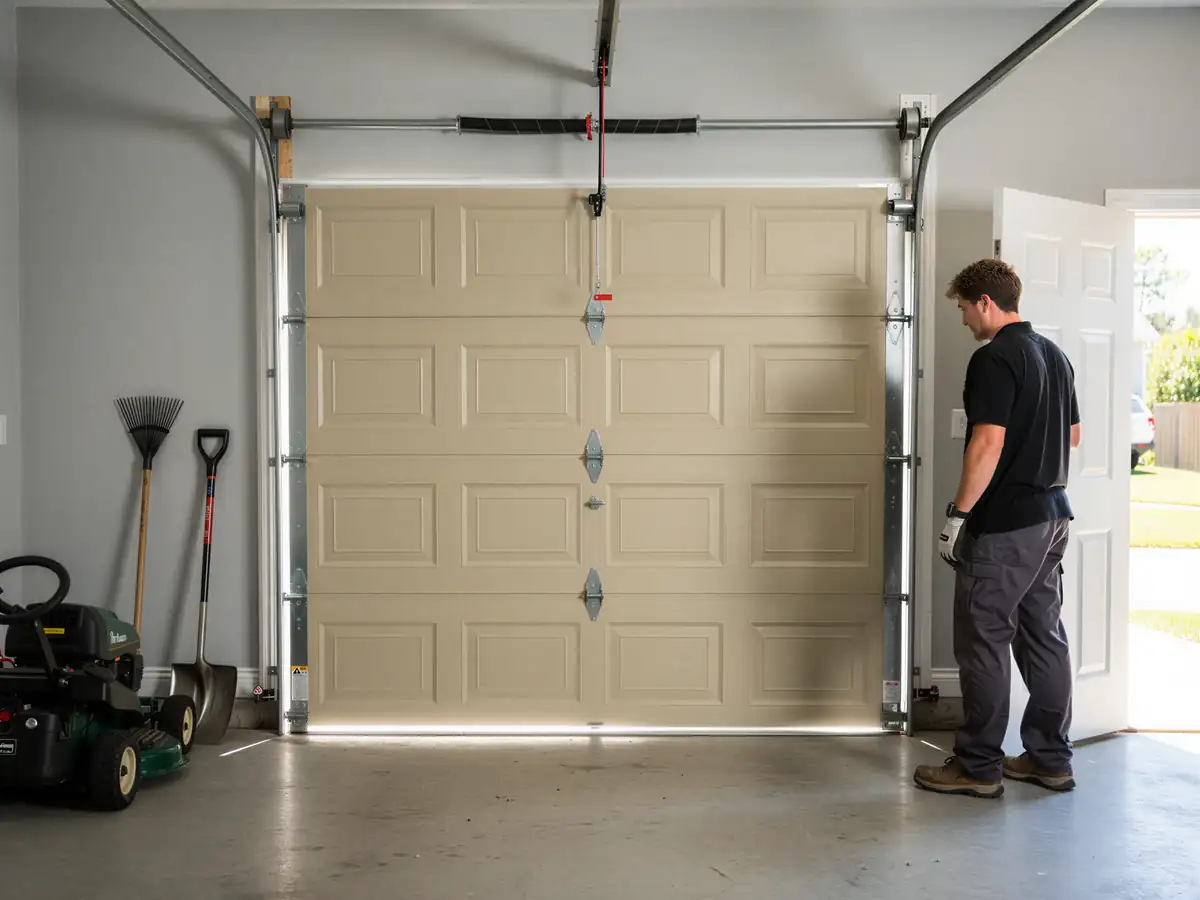
Spring and fall are the right time to deal with an opener that's been limping through summer, because parts and schedules are easier to manage when it's not 115 degrees in the garage. Heading into summer, the move is checking the opener's force settings and the condition of the drive gear before the heat really sets in, not after the motor has already started slipping. During the hottest stretch, expect more nuisance trips and slower response from older units - that's the heat, not necessarily a sign of total failure, though it's worth having it looked at rather than assuming it'll sort itself out. One honest limitation: if your opener is original to a 1980s or early-90s build, replacement parts for that exact motor and gear assembly are often no longer made, and at that point repair isn't really an option - a new unit is the only path forward.
Is it normal for my garage door opener to act up in summer here?
Yes, to a point. Severe summer heat pushes motor windings and plastic gear components past their comfortable range, especially in older units. Nuisance reversals or slow response during the hottest part of the day are common. Repeated full stalls or a breaker that trips every time you use it are not normal and need a look.
Why did my door stop halfway during a power blip?
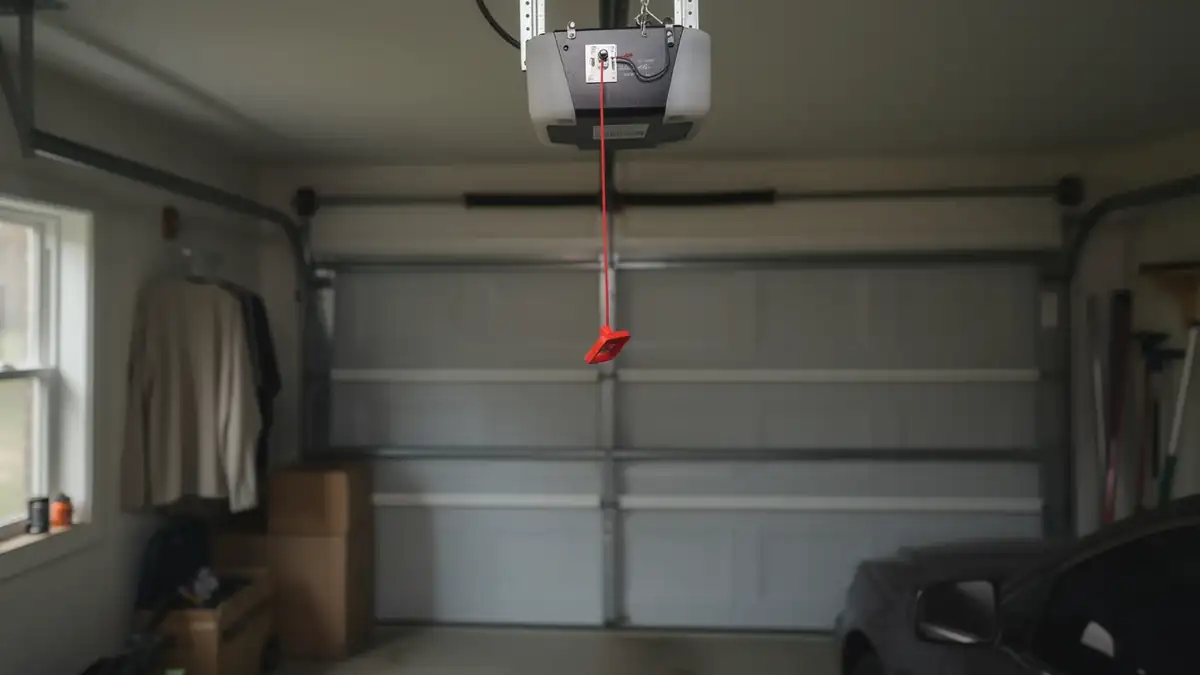
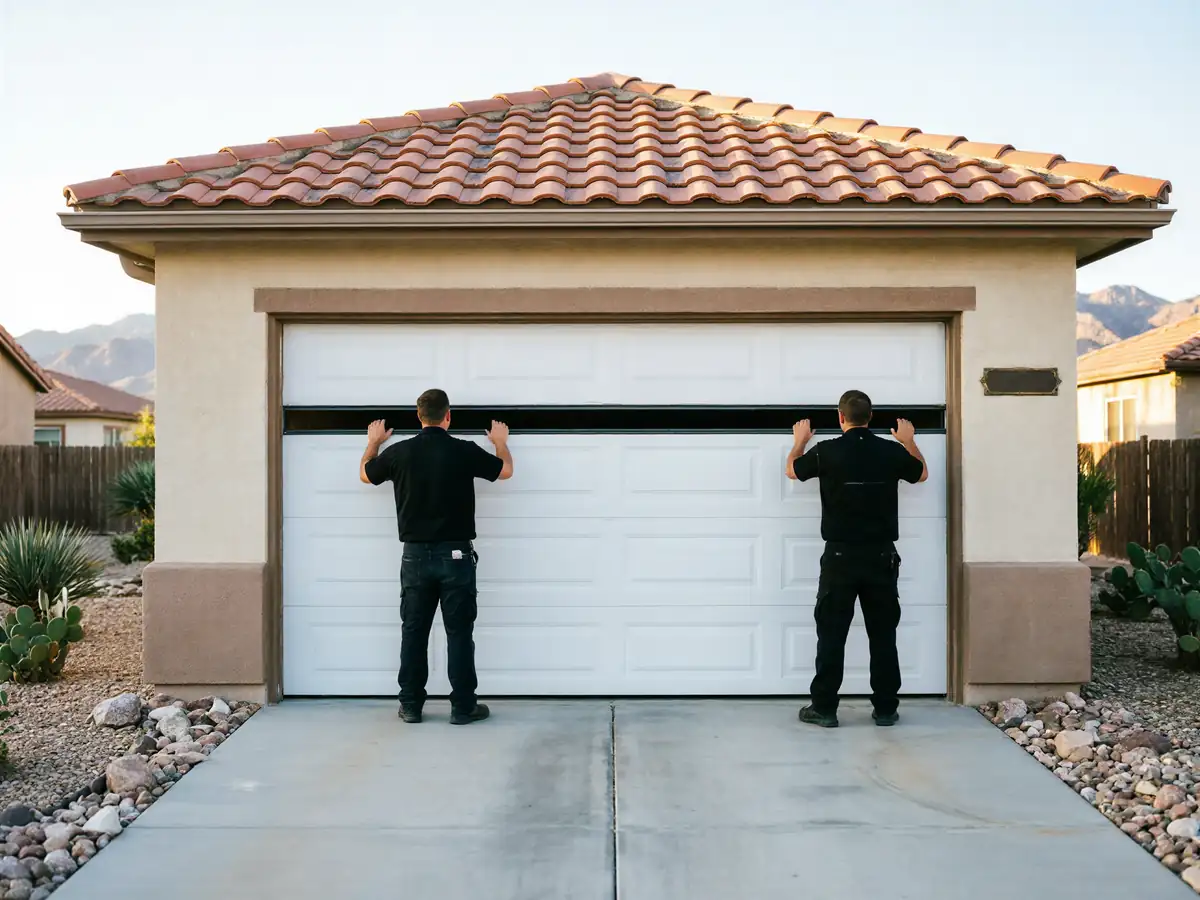
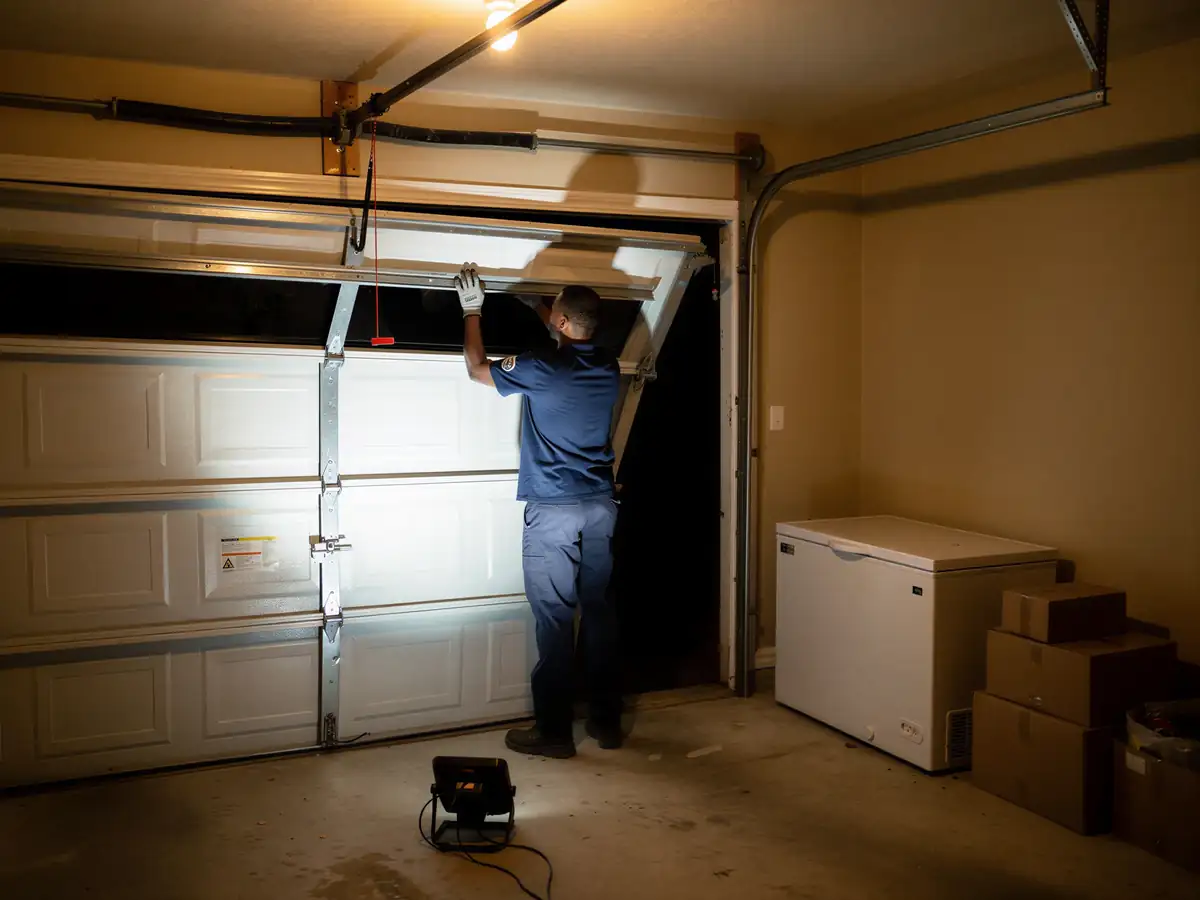
Openers without battery backup lose position memory when power cuts mid-cycle. On older units common in this area's 1980s-90s housing stock, that often means manually releasing the trolley to move the door by hand until power and the opener reset together.
Can I just replace the gear in my old opener instead of the whole unit?
Sometimes, but not always. If the opener is original to a house built in the 1985-1994 window, the exact replacement gear kit for that motor is often discontinued. We'll check what's available, but for a lot of these units, a new opener ends up being the only real option.
Does the heat affect the garage door itself, not just the opener?
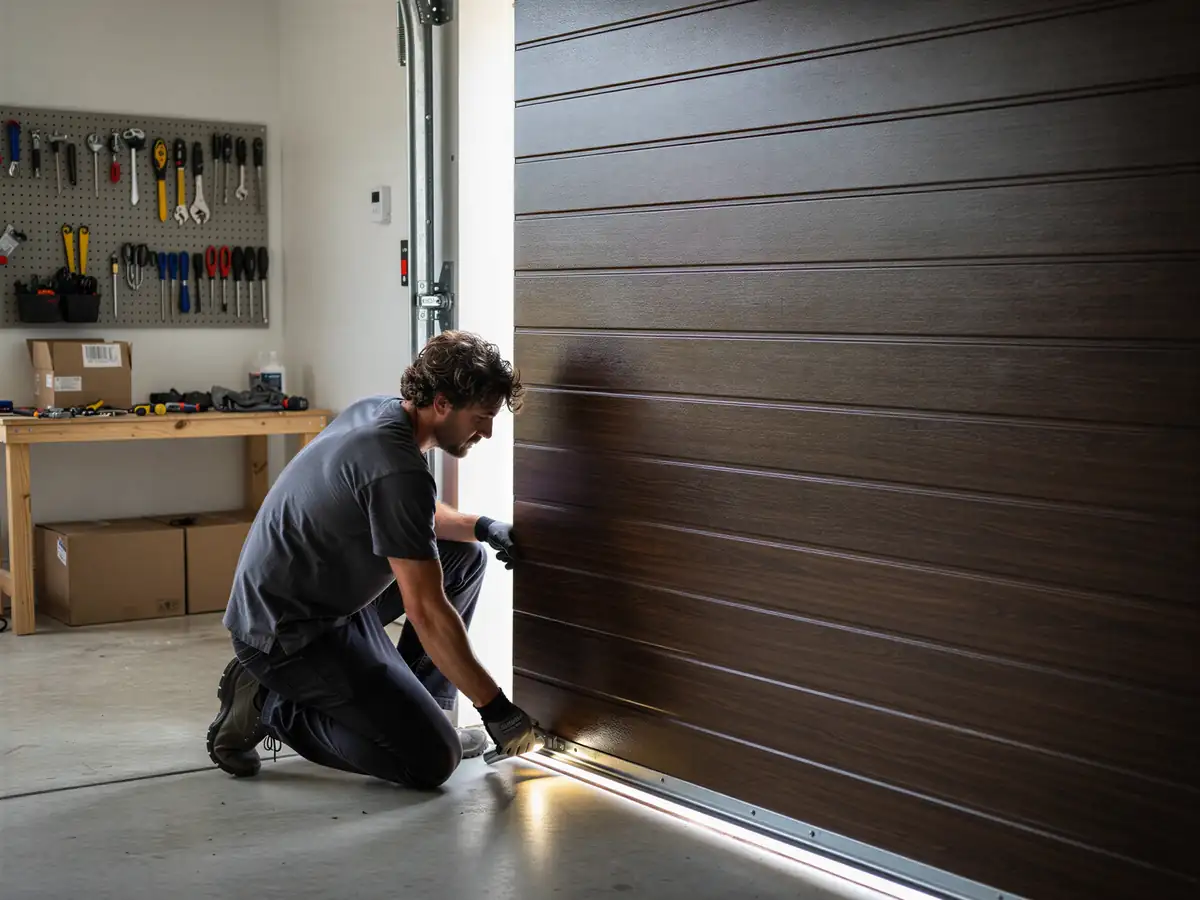
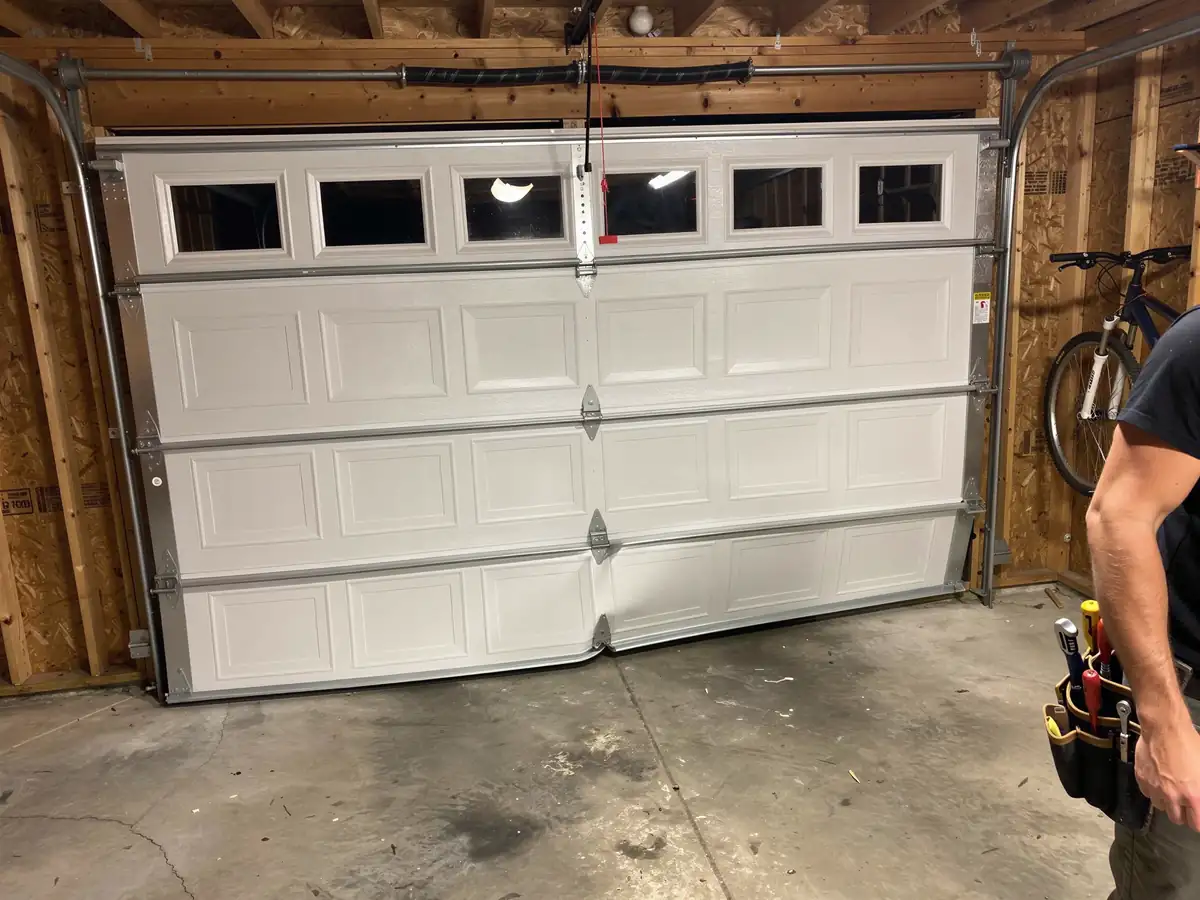
Yes. Severe heat can warp thinner panel sections over time and dry out weatherstripping and lubricant on rollers and hinges faster than in milder climates. It's less dramatic than an opener failure but adds up over years in a house from this era.
Ready to get your garage door sorted?
Tell us what it’s doing and where you are in Fountain Hills - we’ll take it from there.