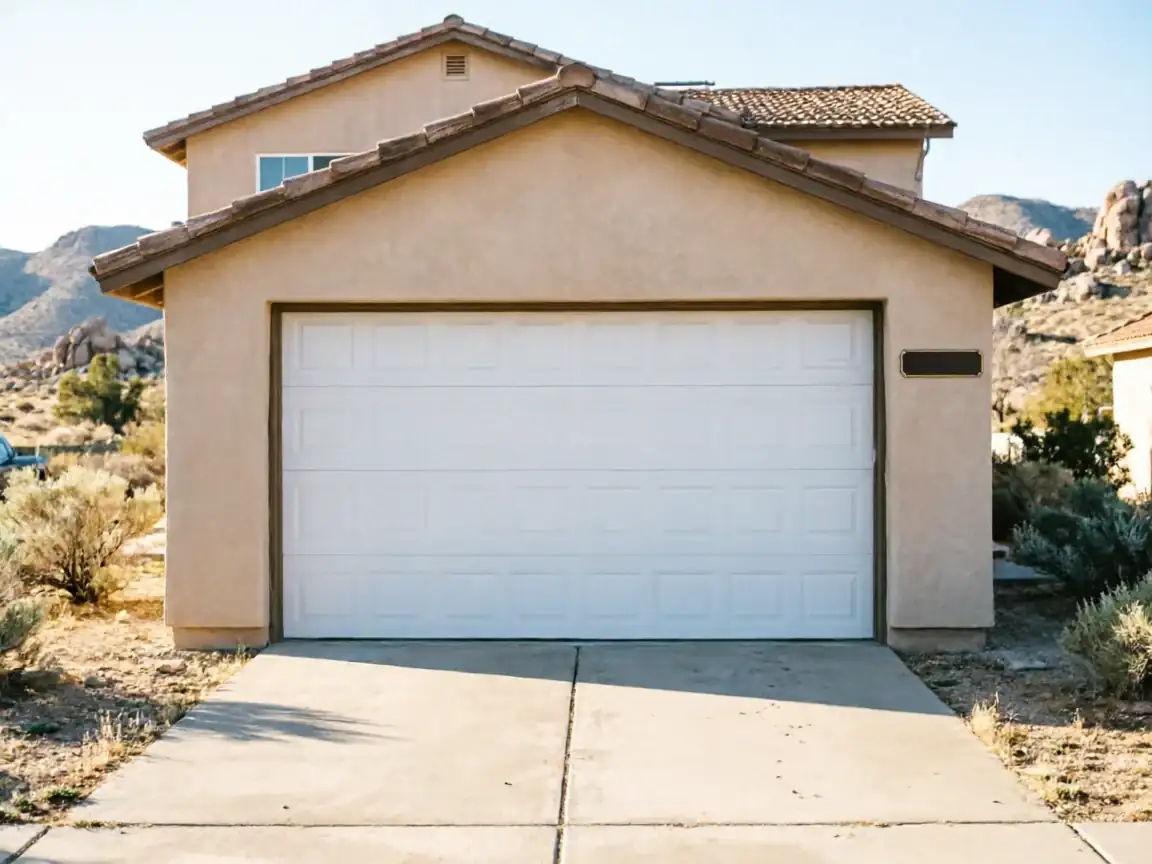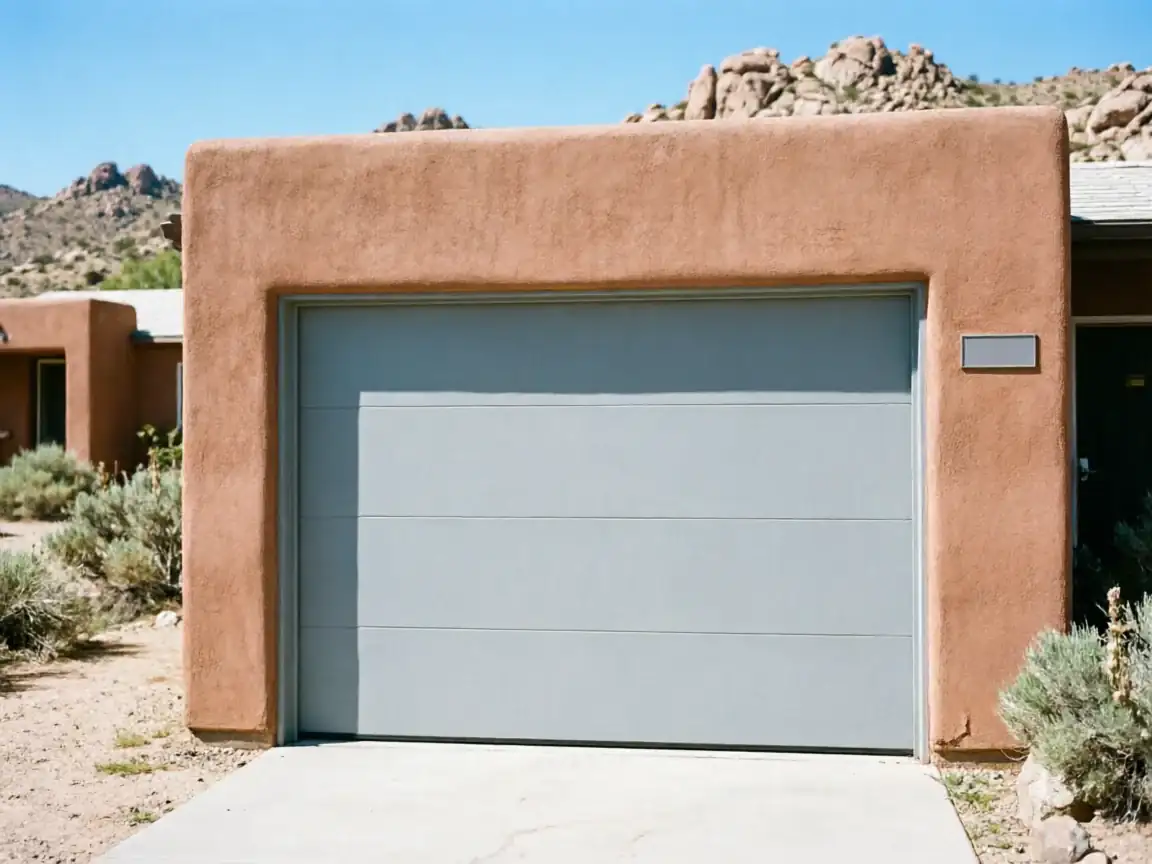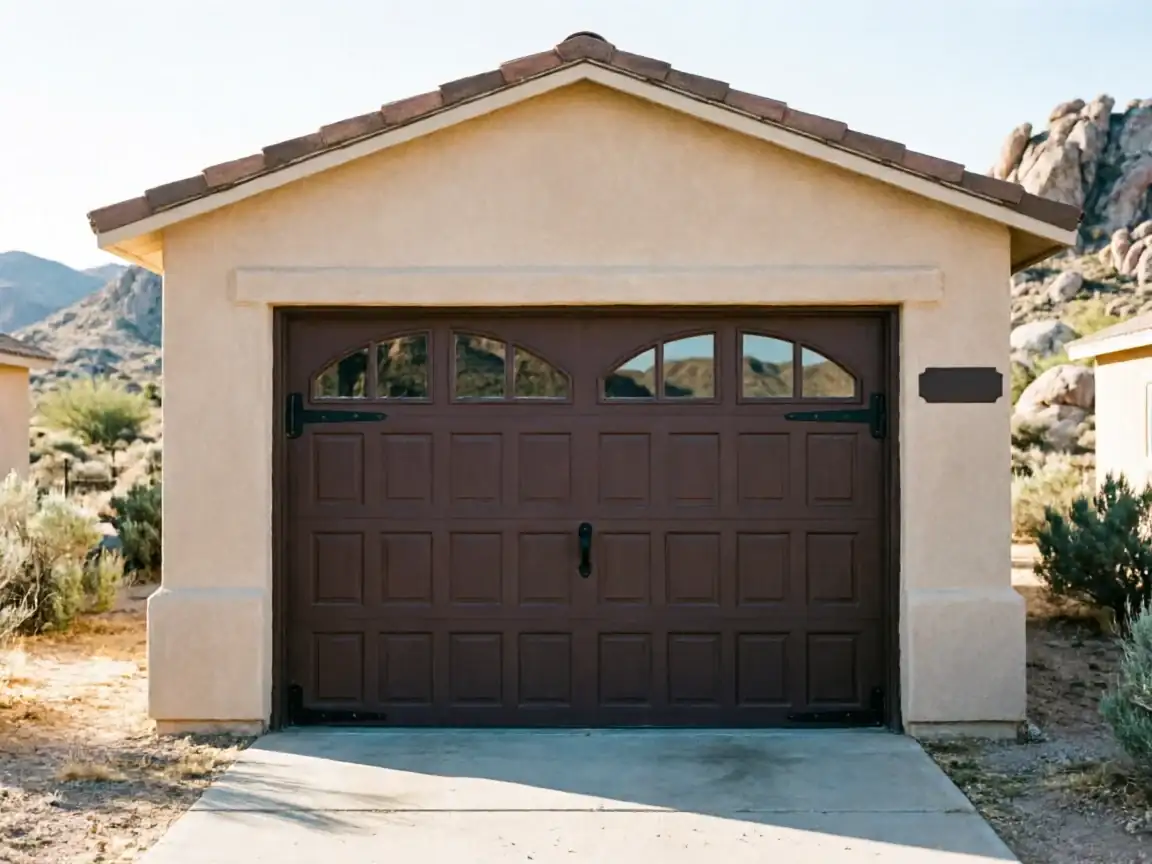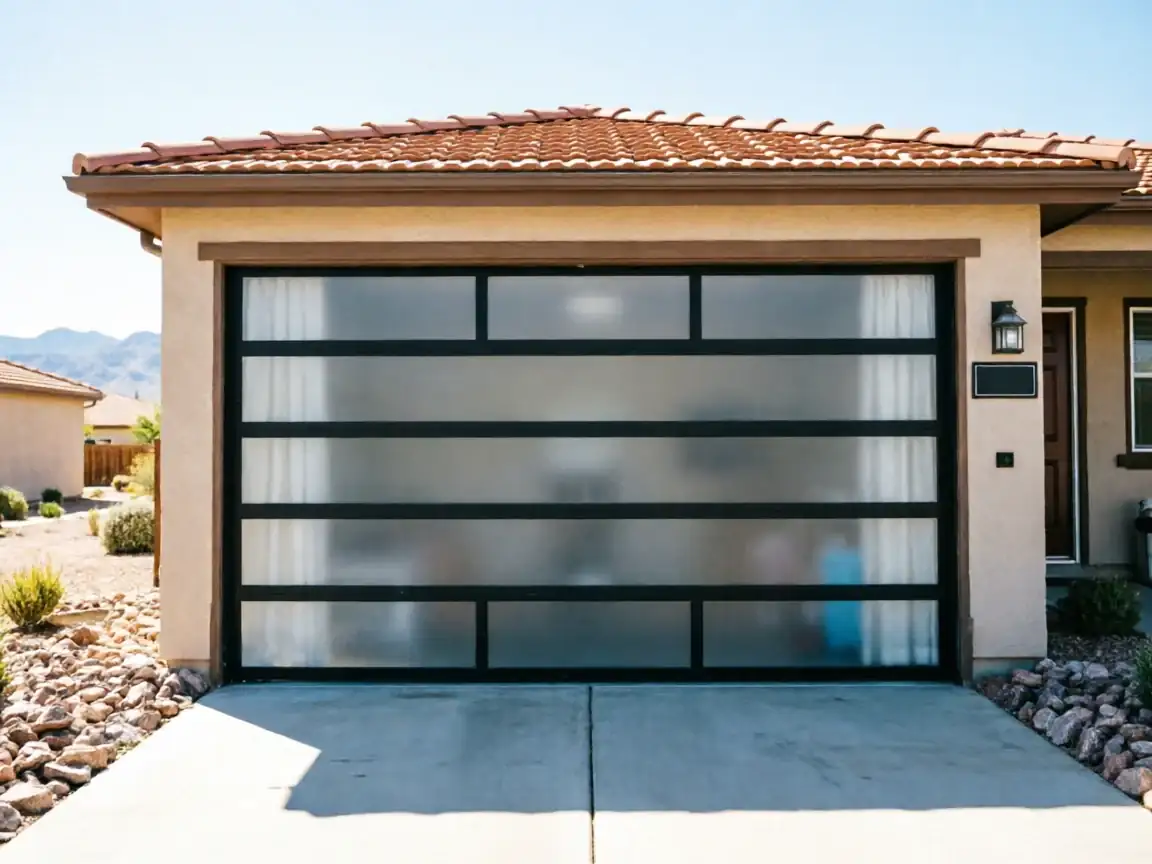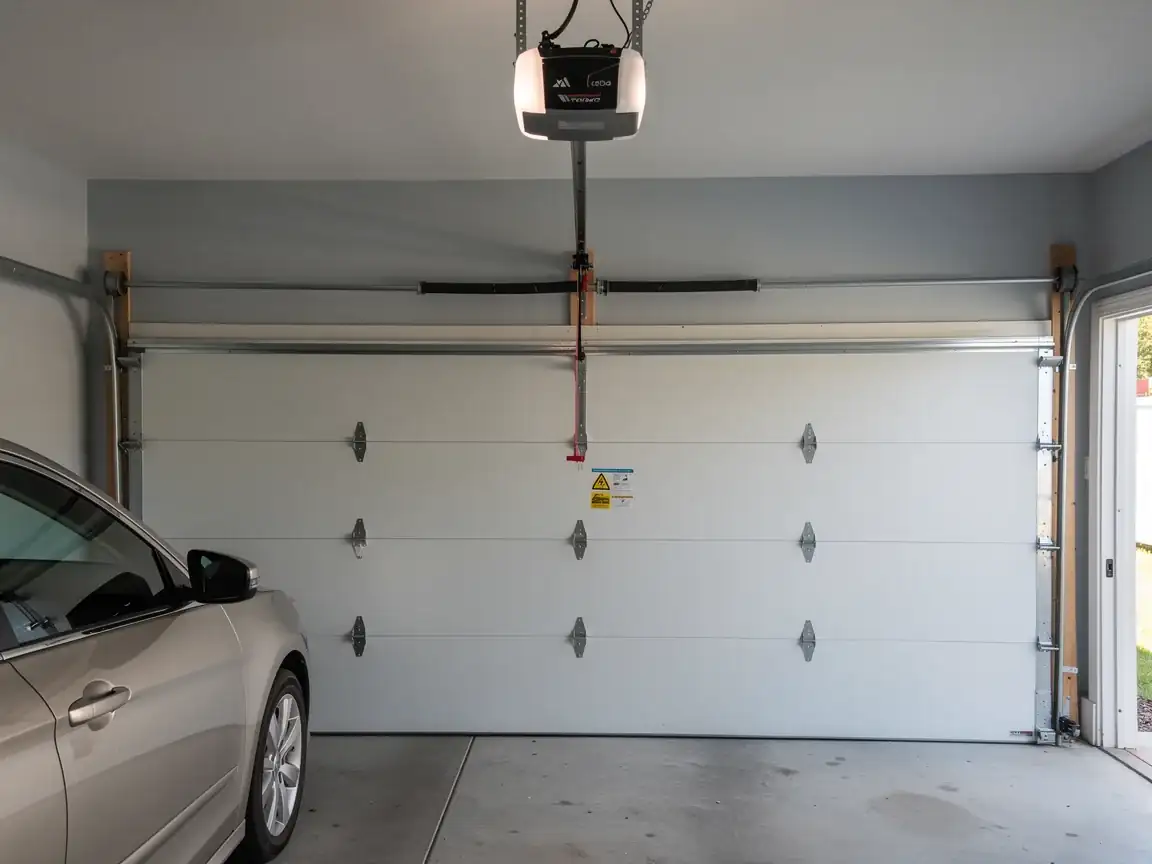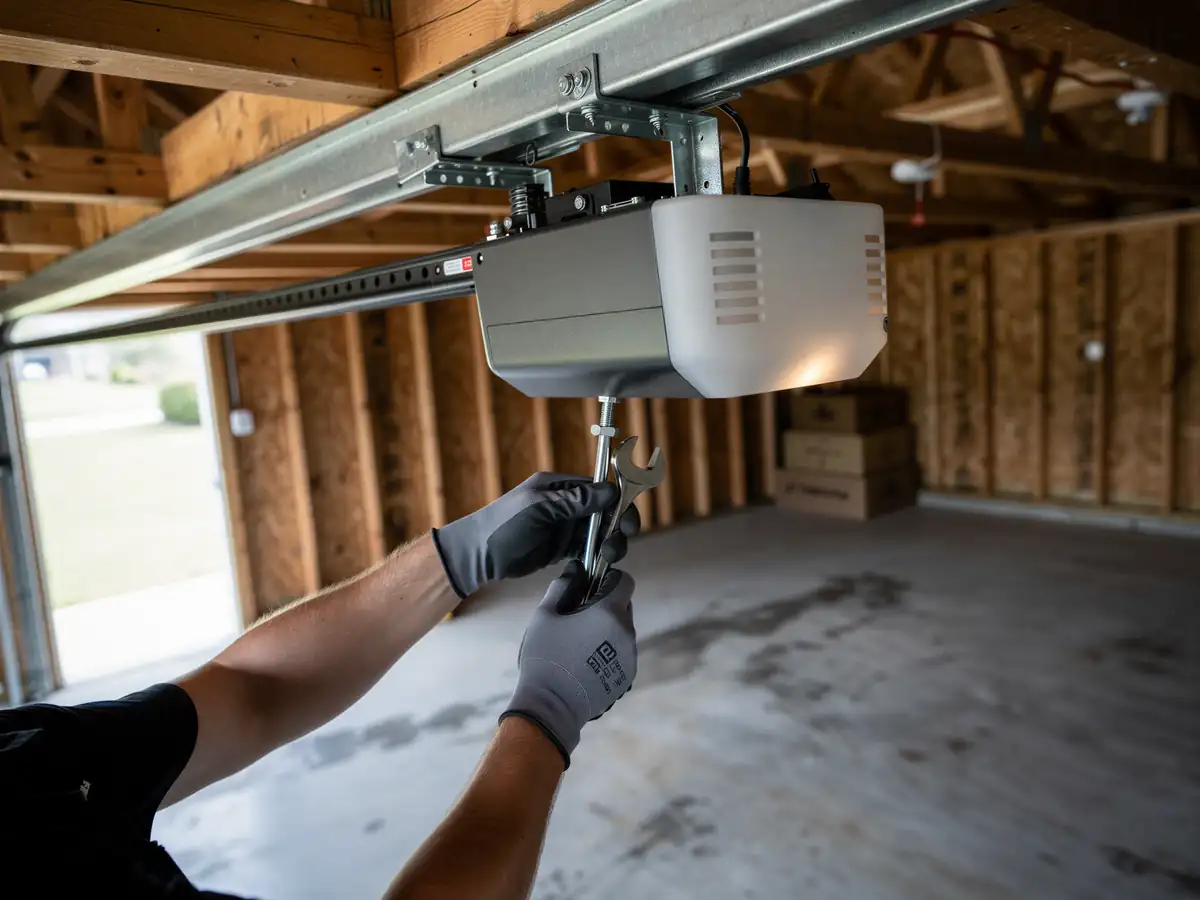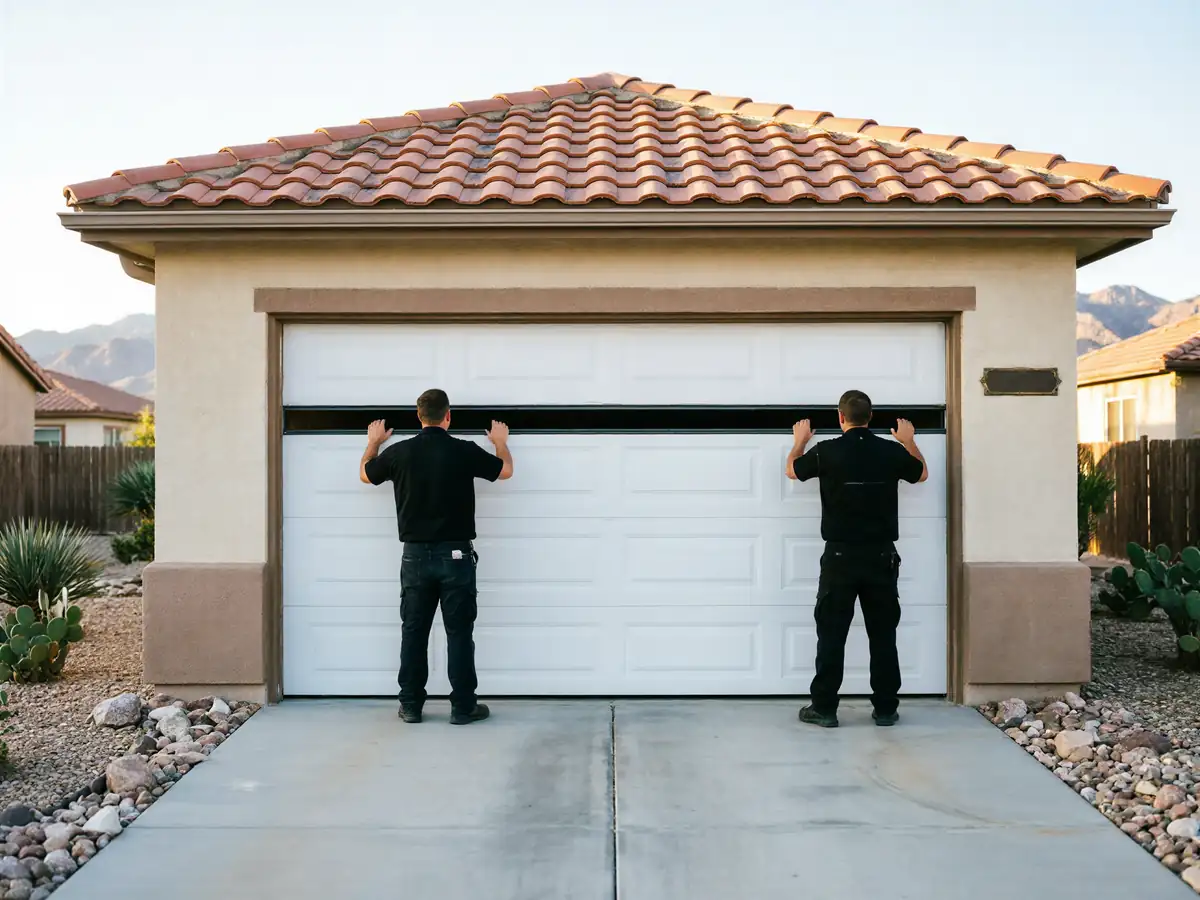
What You Are Seeing
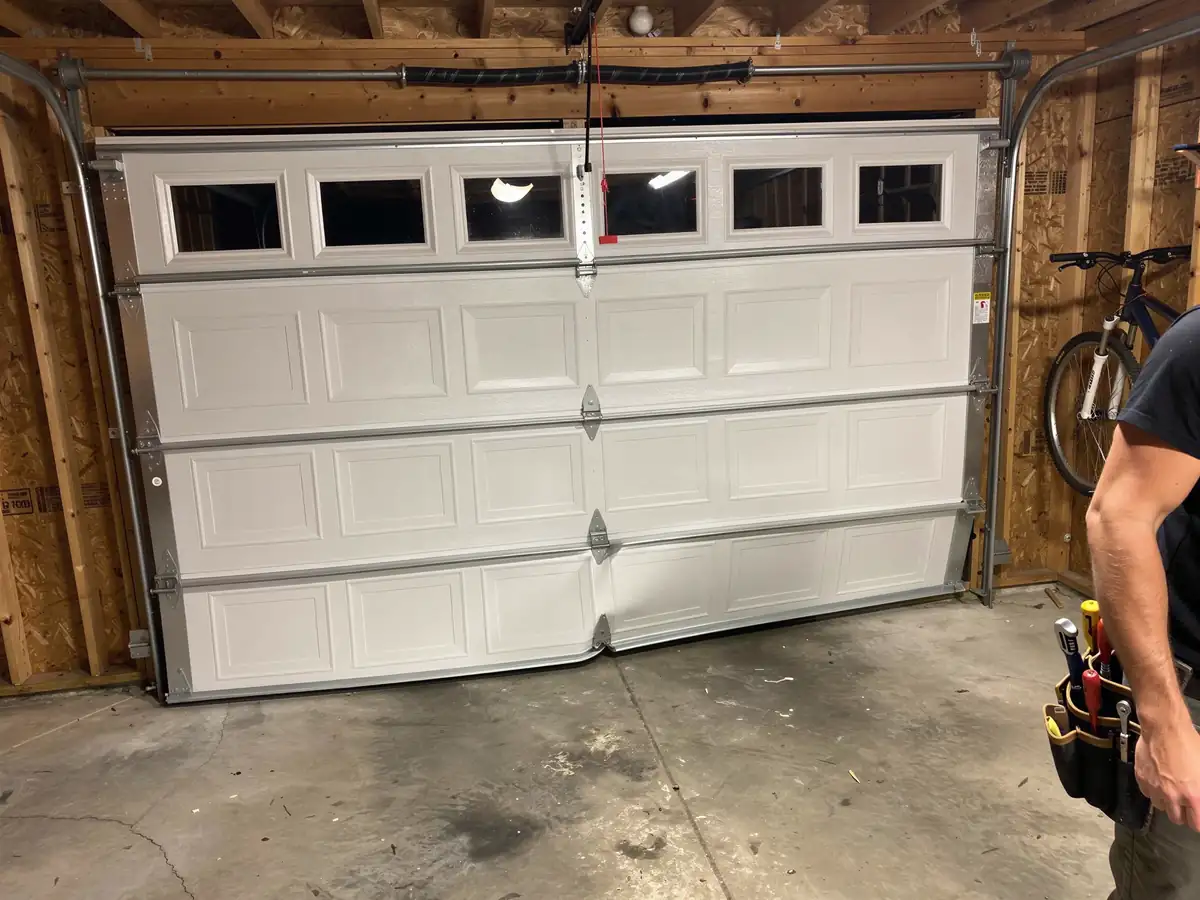
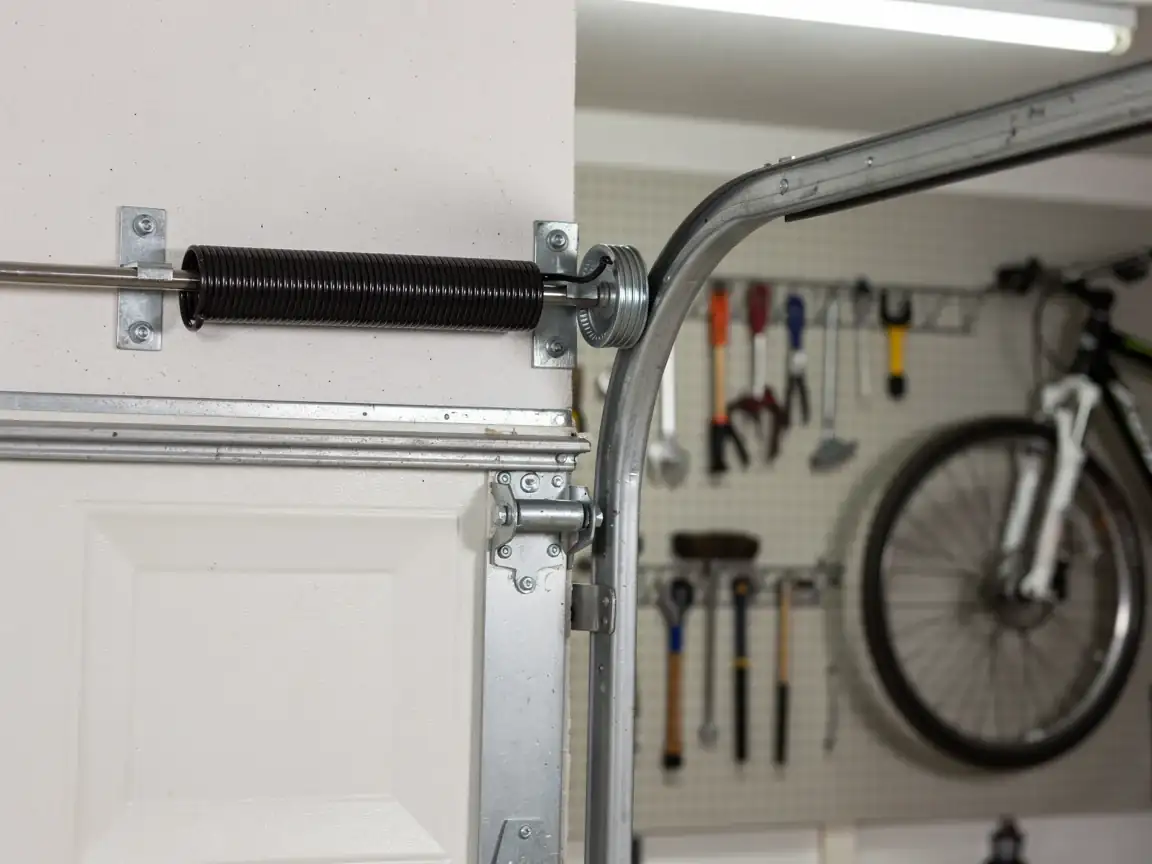
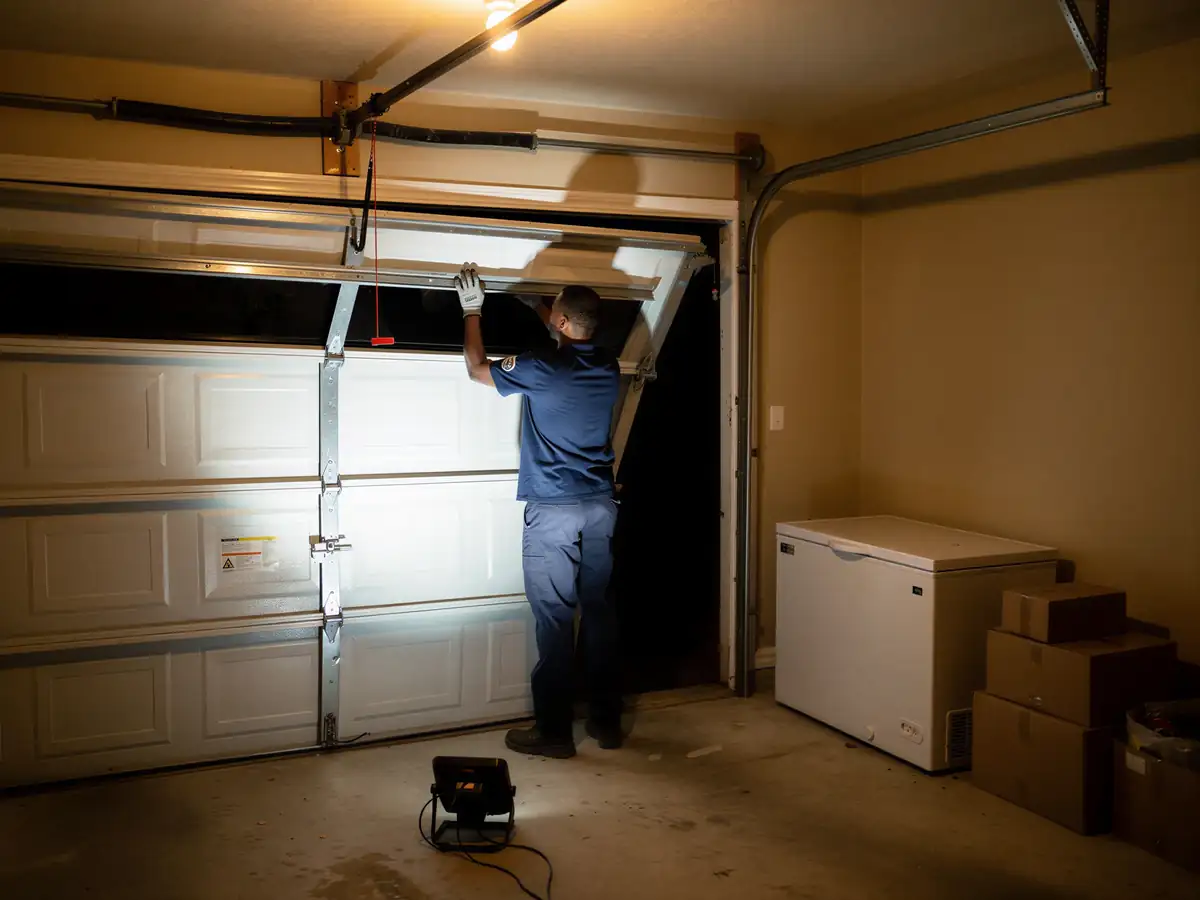
A garage door that won't move, a spring that let go with a bang, a cable that jumped the drum
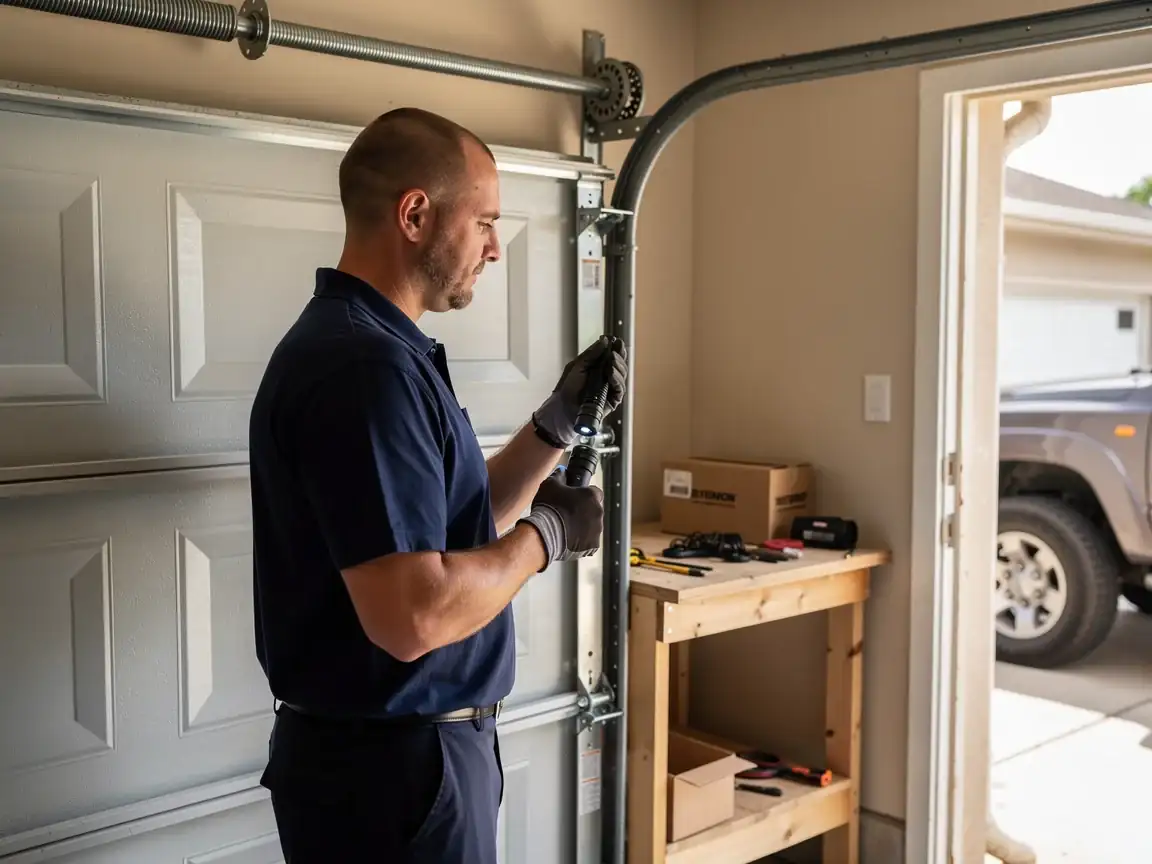
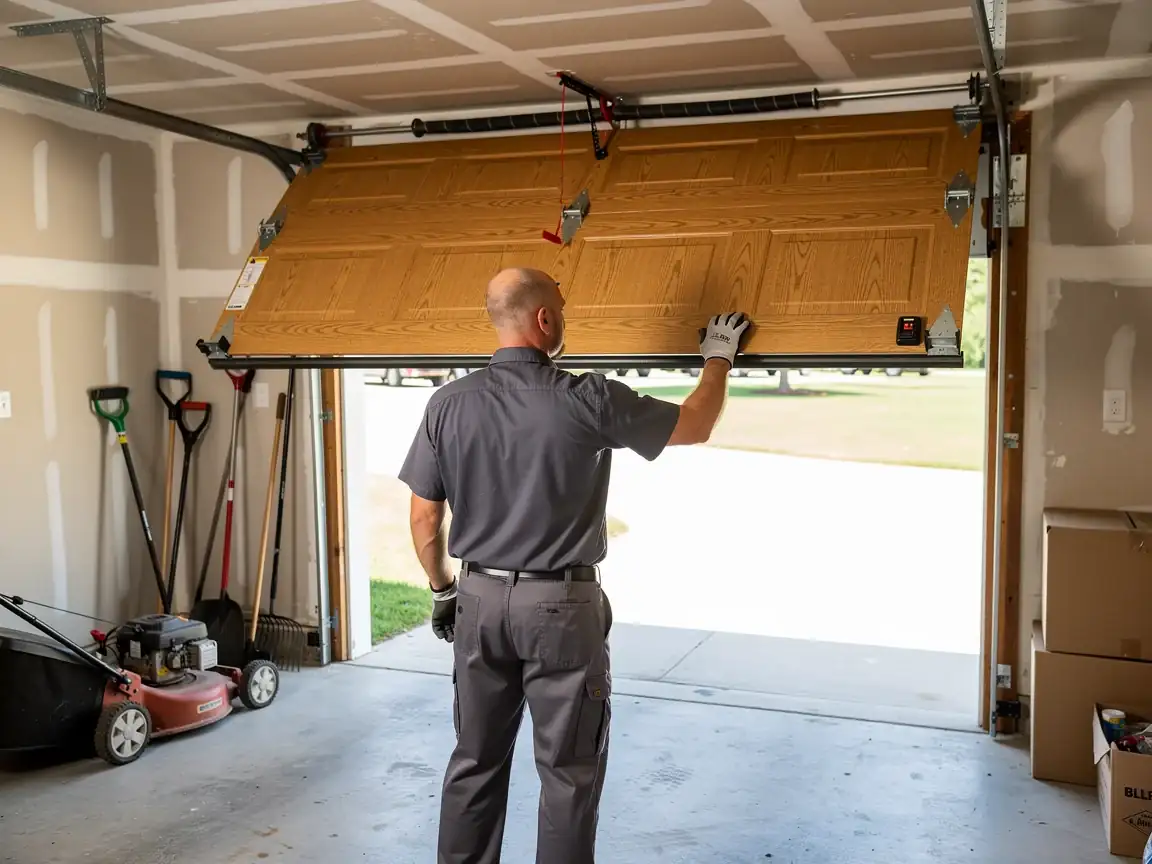
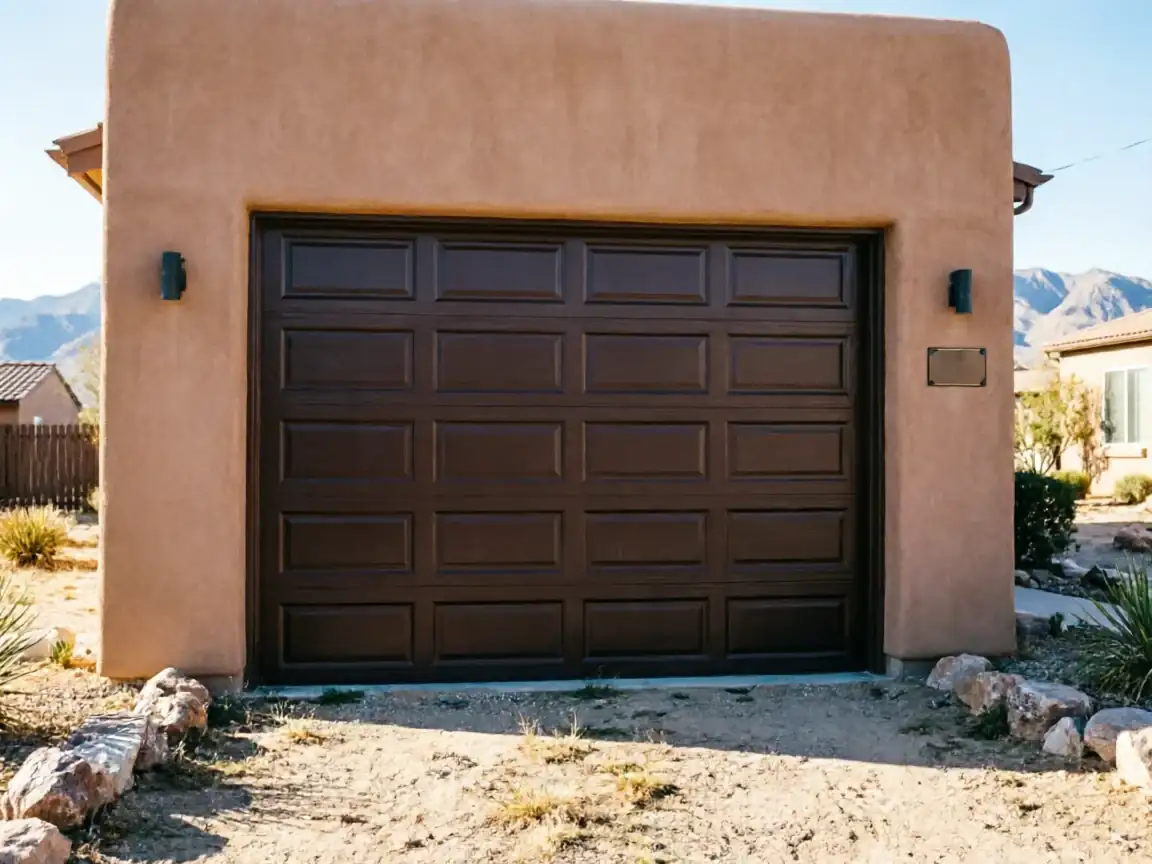
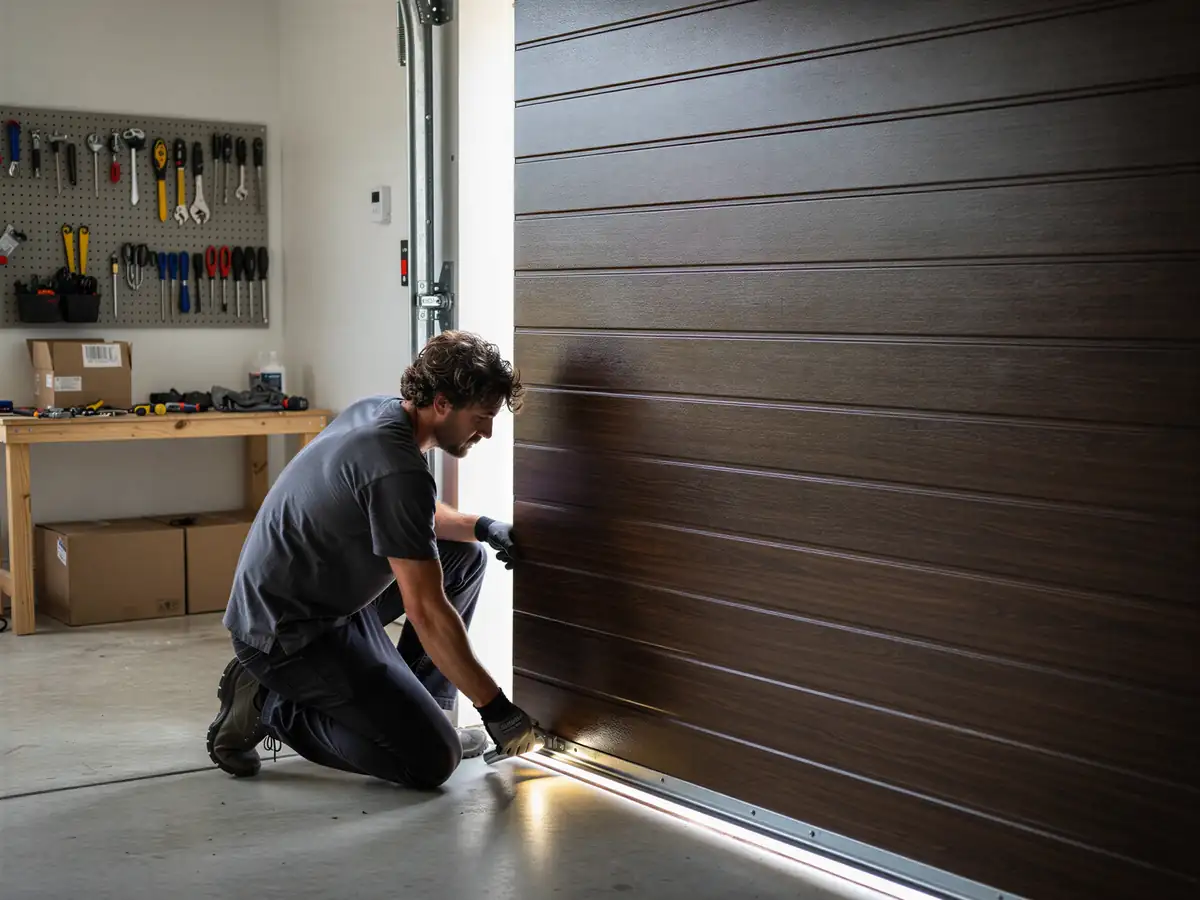
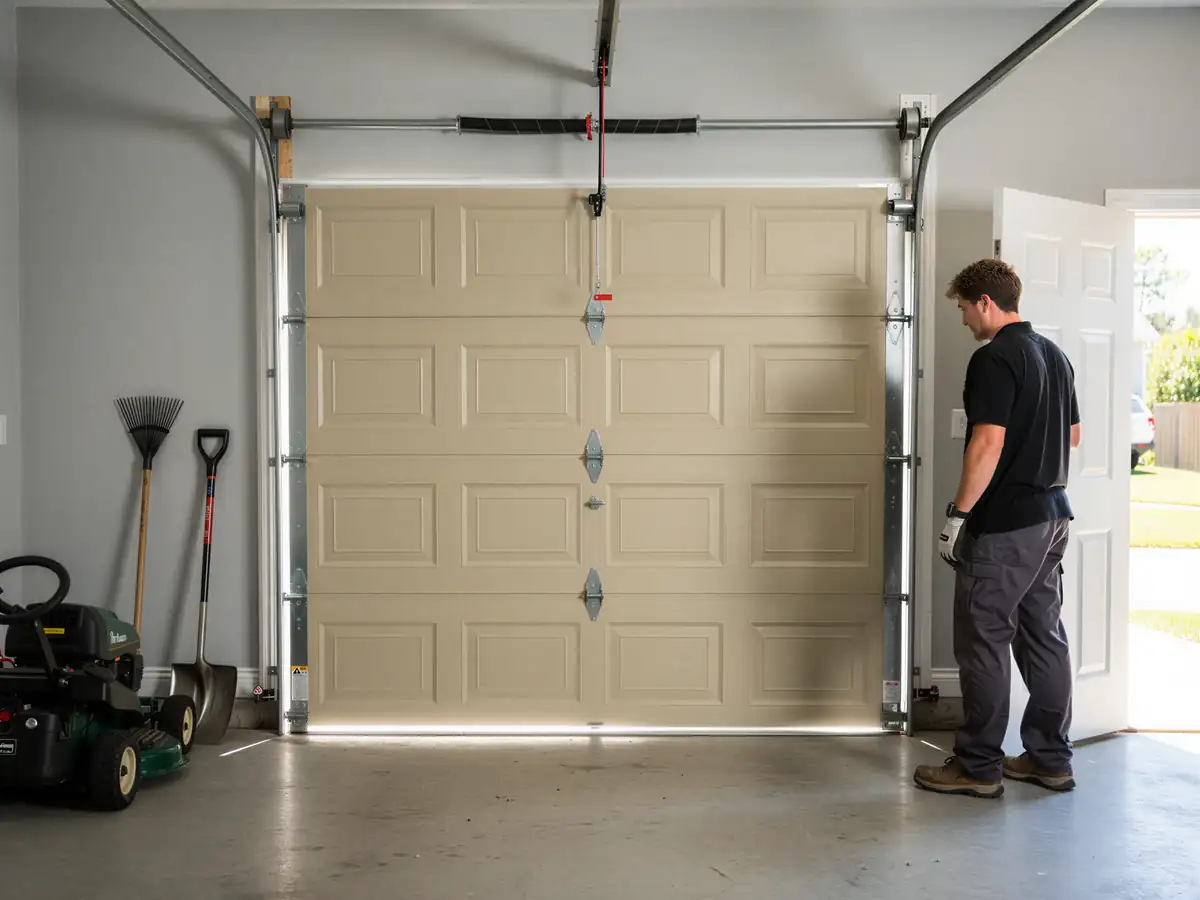
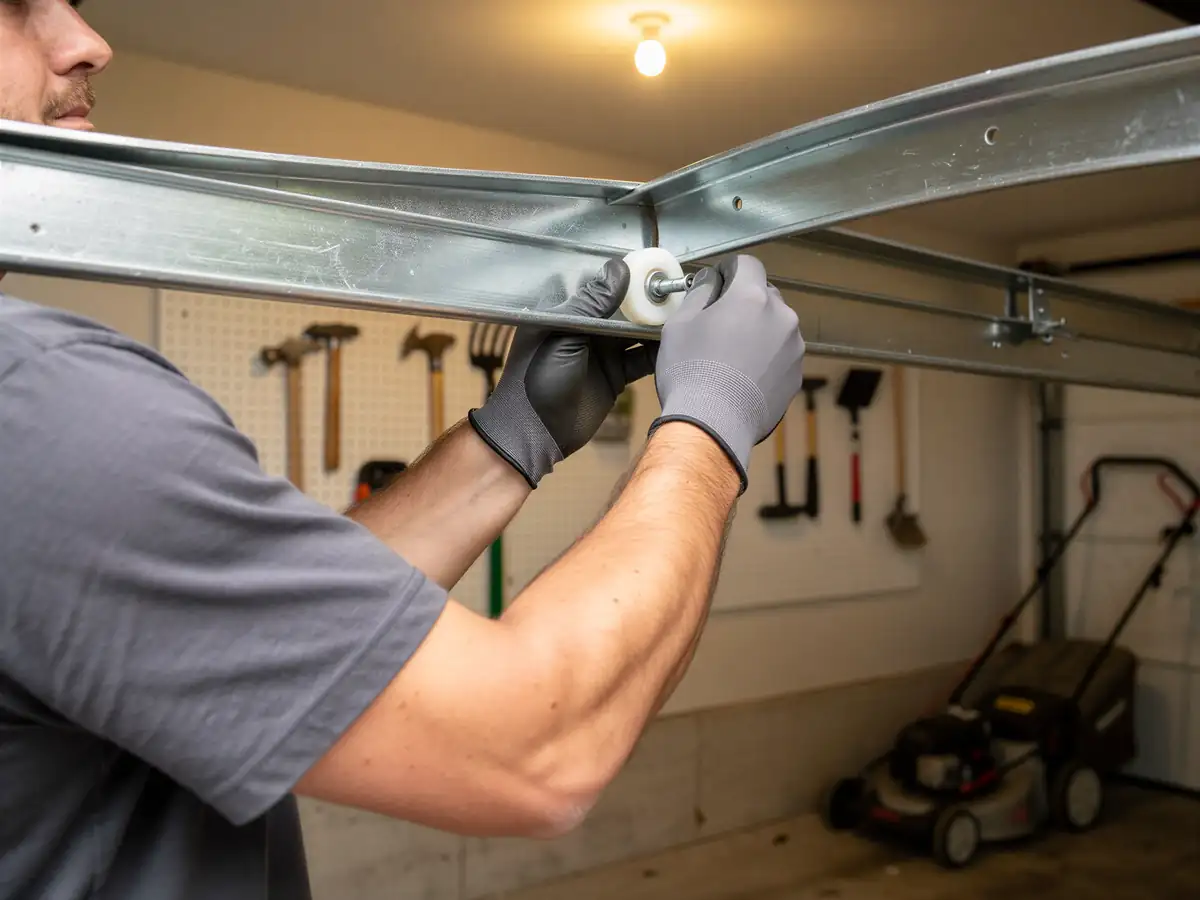
Or an opener that runs but the door sits still - these are the calls we treat as emergencies. In a town built out mostly between 1985 and 1994, the pattern repeats: a torsion spring snaps clean (usually first thing in the morning when the steel is coldest), or a roller binds in a track that's warped from decades of heat cycling. Sometimes the door comes off one bottom corner because a cable frayed through and nobody noticed until it let go.
We also see openers that trip and won't reset
Which usually means a sensor got knocked out of alignment or the logic board took a heat hit. If your door is stuck halfway and the opener is straining against it, stop pulling the cord - you'll strip the gear before we get there. Disconnect the opener, leave the door where it is, and call. That single step saves most of the hardware.
What Causes It Around Here
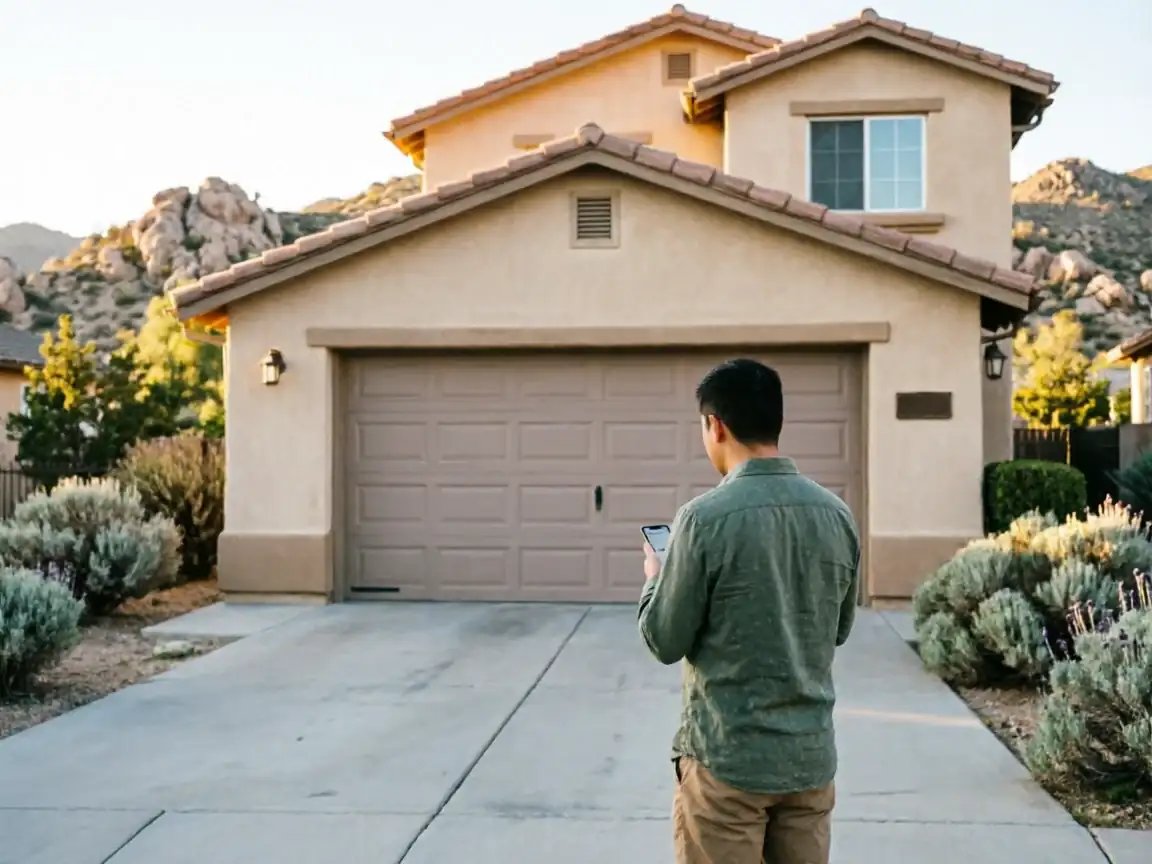
Housing across the service area is mostly 1985-1990s stock, and that generation of garage door hardware is now thirty-plus years old in a climate the federal data classes as severe heat. Steel springs cycle through daily temperature swings that are wider here than in milder climates, and that cycling fatigues the coil faster than the rated cycle count assumes. Nylon rollers and rubber seals installed in that era weren't built for this much UV and heat exposure, so they go brittle and crack years before a manufacturer's chart would predict.
Across the roughly 8,100 households and 8,500-plus owner-occupied homes we cover, from out to Rio Verde and Paradise Valley, the failure we get called for most isn't a defect - it's the original 1989-vintage spring or track finally giving out under heat it was never really spec'd to handle long-term. Homes closer to run the same age and the same pattern. It's not bad luck. It's the math of thirty summers on original parts.
What Is on the Truck
For an emergency call we carry torsion springs in the sizes that match the 1985-1994 door openings common here, standard-lift cable, and the rollers and hinges that wear out fastest in high-heat service. We also stock sensor pairs and logic boards for the opener models that show up most in this age of housing stock, since a dead board is as common a 2am call as a broken spring.
What we don't carry on the truck is every custom panel or a replacement for a door that's been discontinued for twenty years - if your door needs a specific obsolete panel, that's an order-in part, and we'll tell you straight that it's a parts-lead-time job, not a same-visit fix. We'd rather say that up front than have you wait on a truck that can't finish the repair. Most spring, cable, and opener-board failures, though, get fixed on the first visit because those are the parts we know we'll need before we knock on the door.
What You Pay
We don't post a flat number here because spring size, cable length, and opener model all change the bill
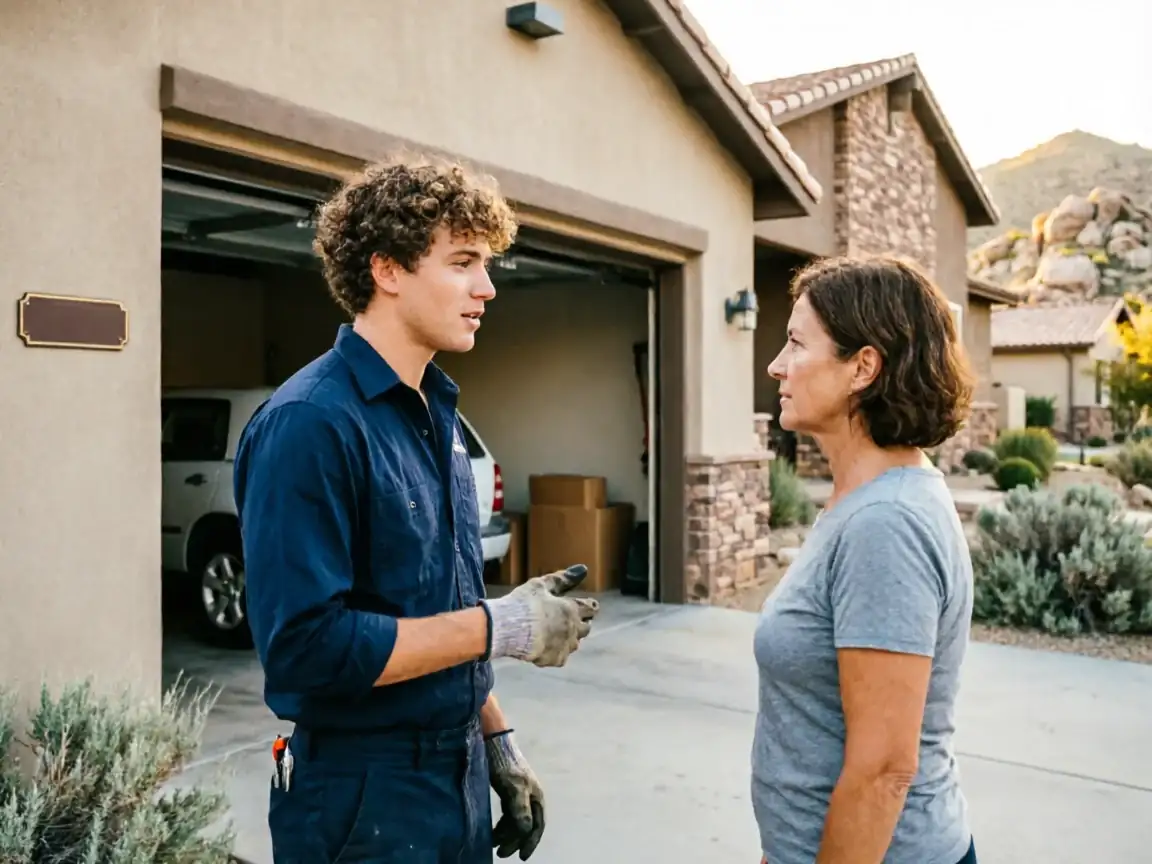
And guessing a price before we've seen the door does nobody favors. What we can tell you is how we price it: a diagnostic look at the door, a quote before any work starts, and no surprise add-ons once we're in the garage. Given the median household income across this service area runs well above the state figure, we price the job on parts and labor, not on what the neighborhood might bear.
If the repair cost starts creeping toward what a new door and opener would run, we'll tell you that too
On a door this old, replacement sometimes beats a third repair in two years, and we'd rather give you that number than keep patching a door that's done.