What You Are Seeing
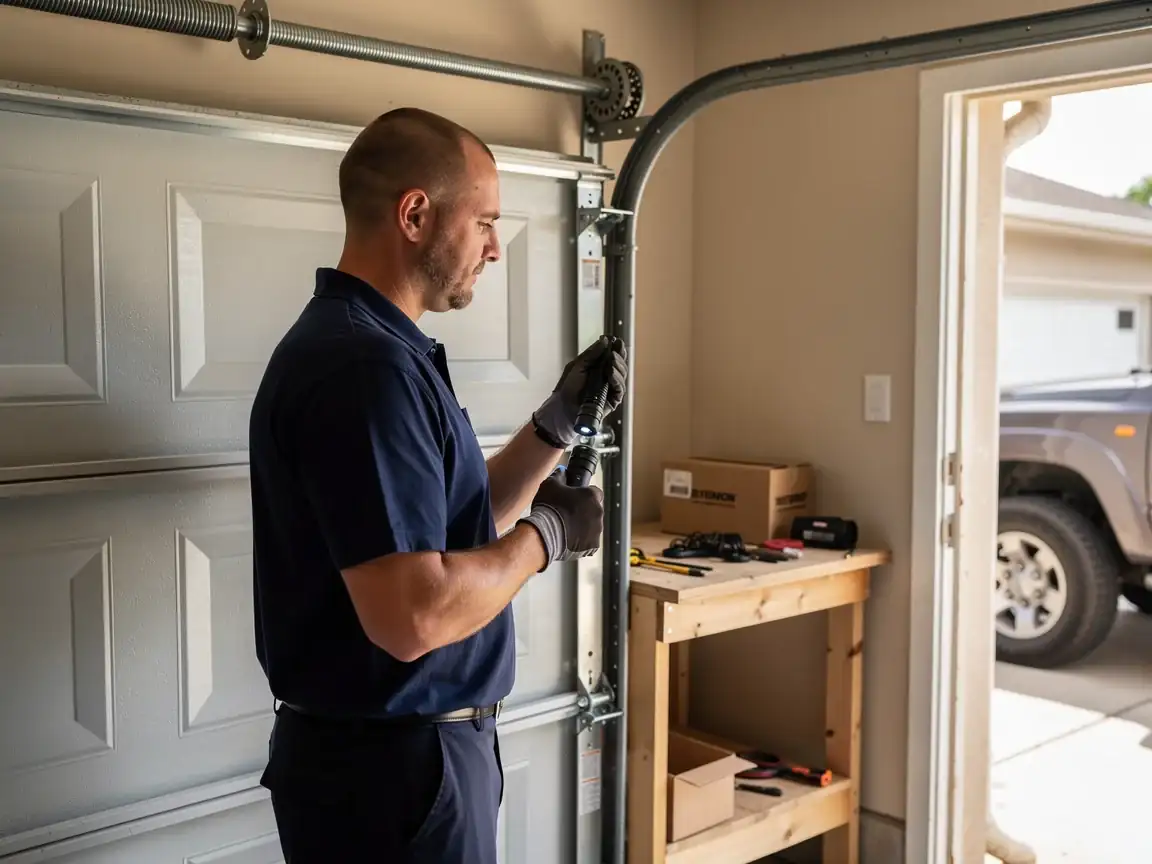
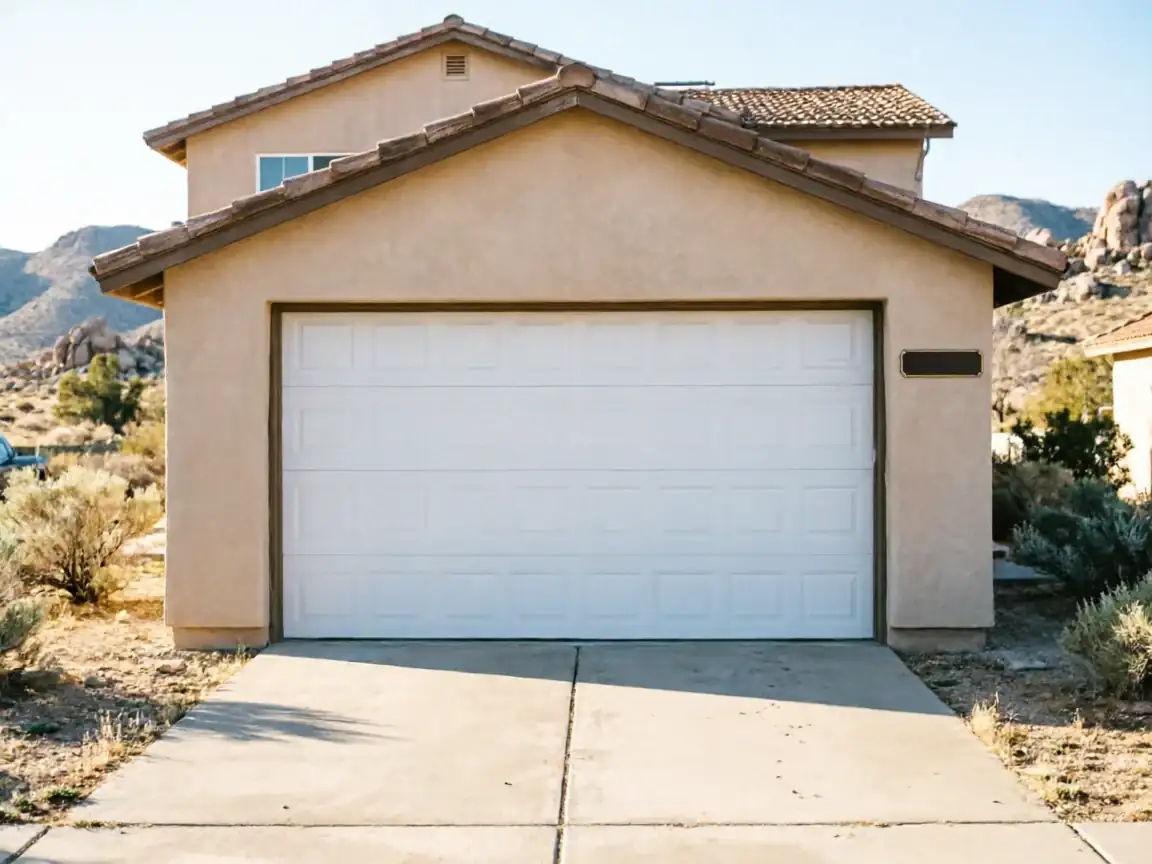
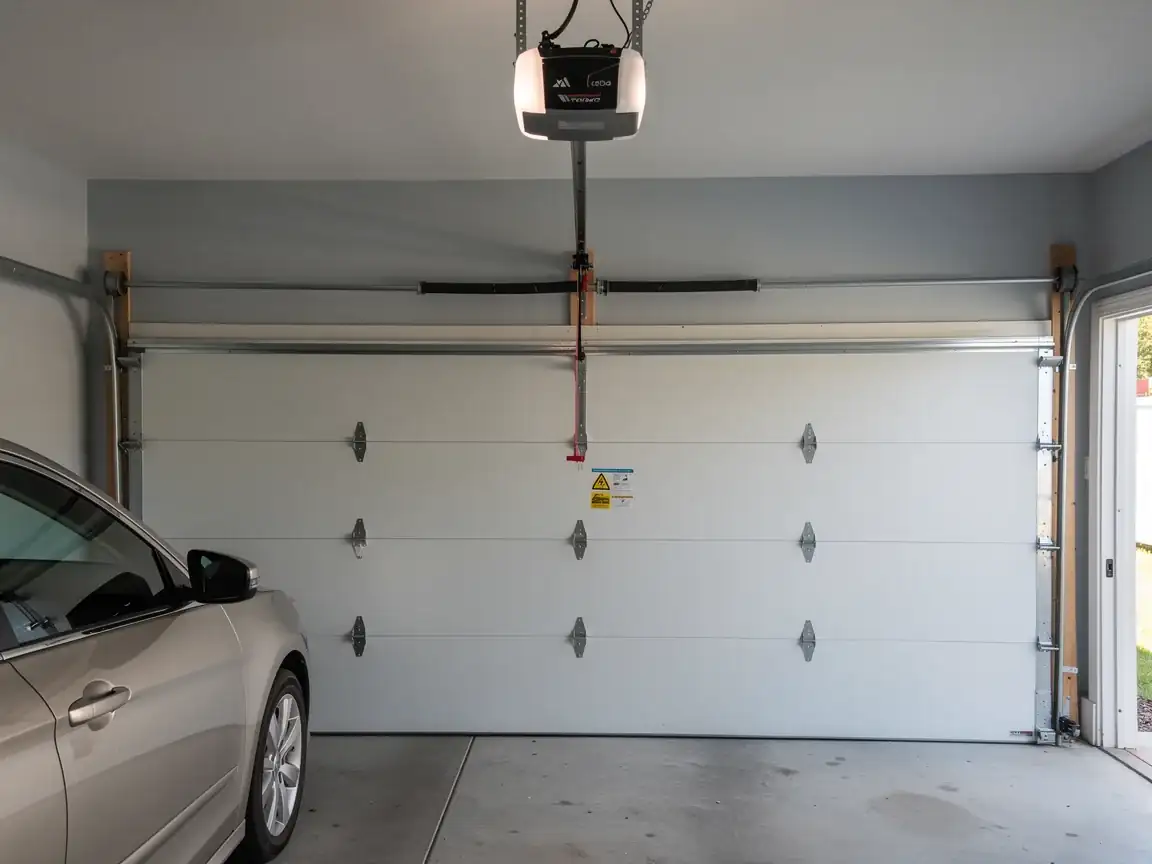
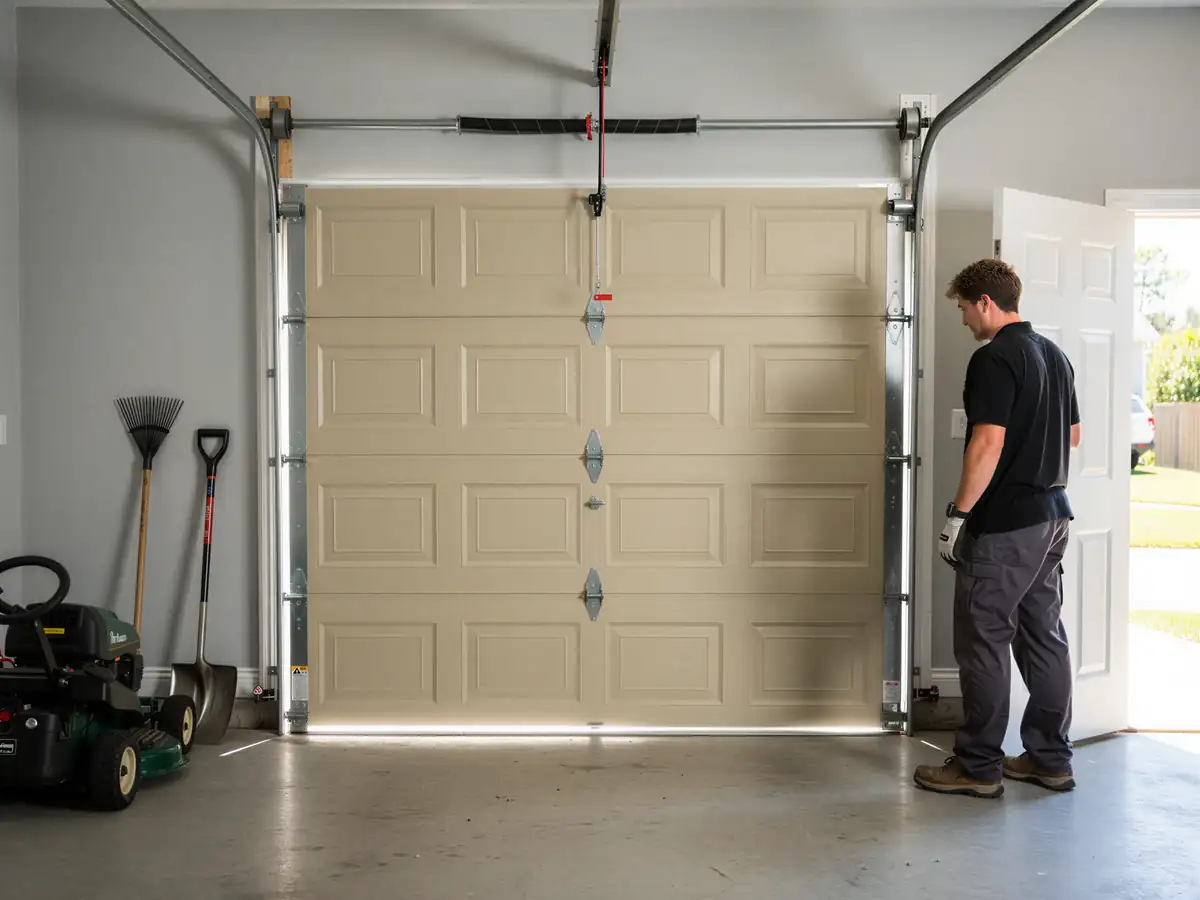
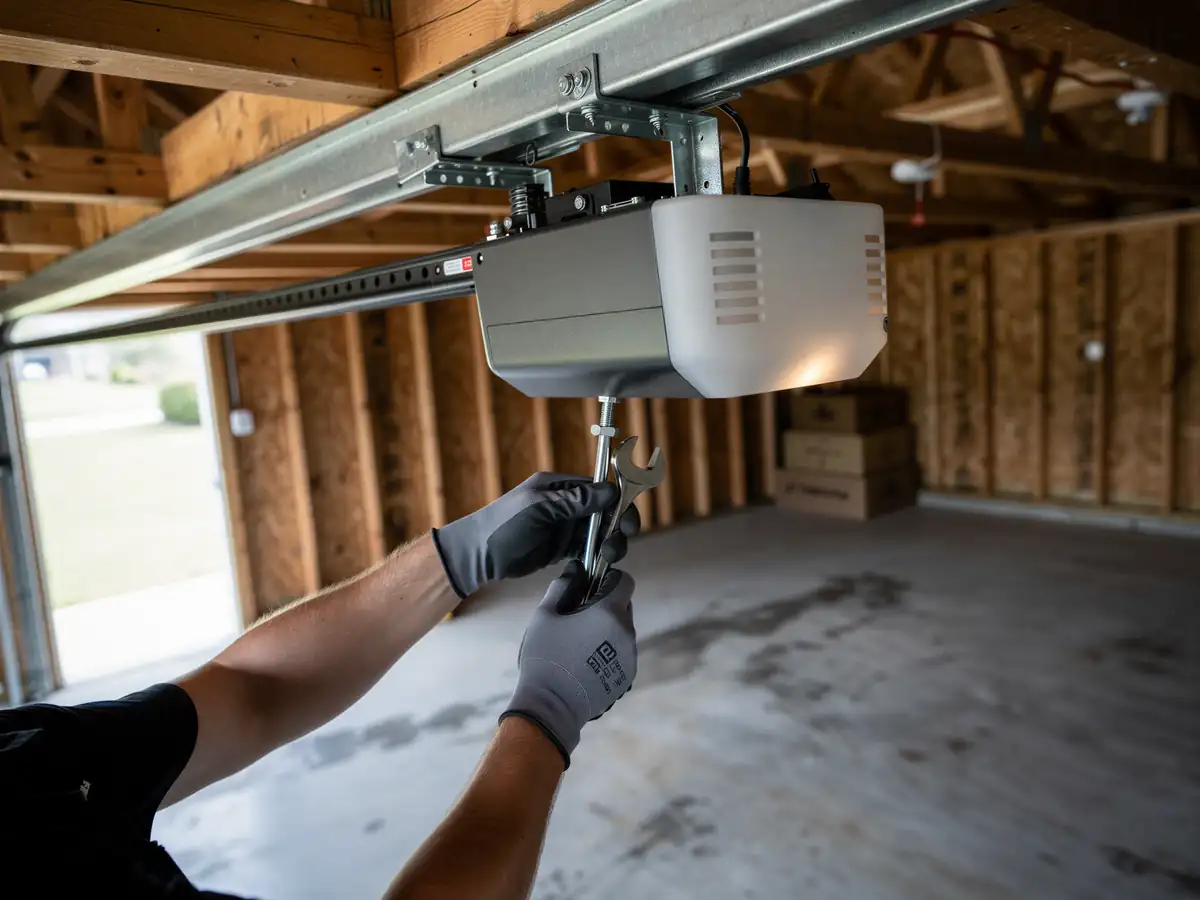
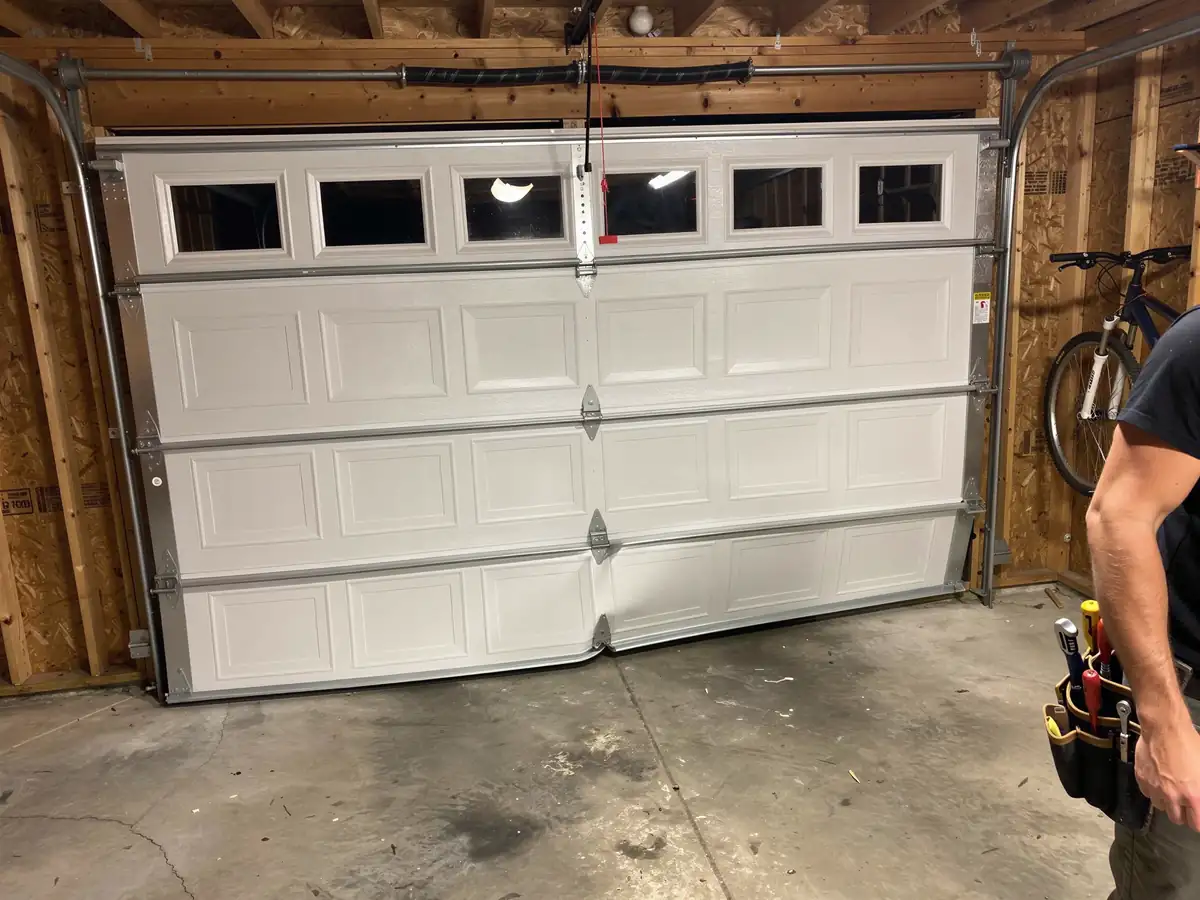
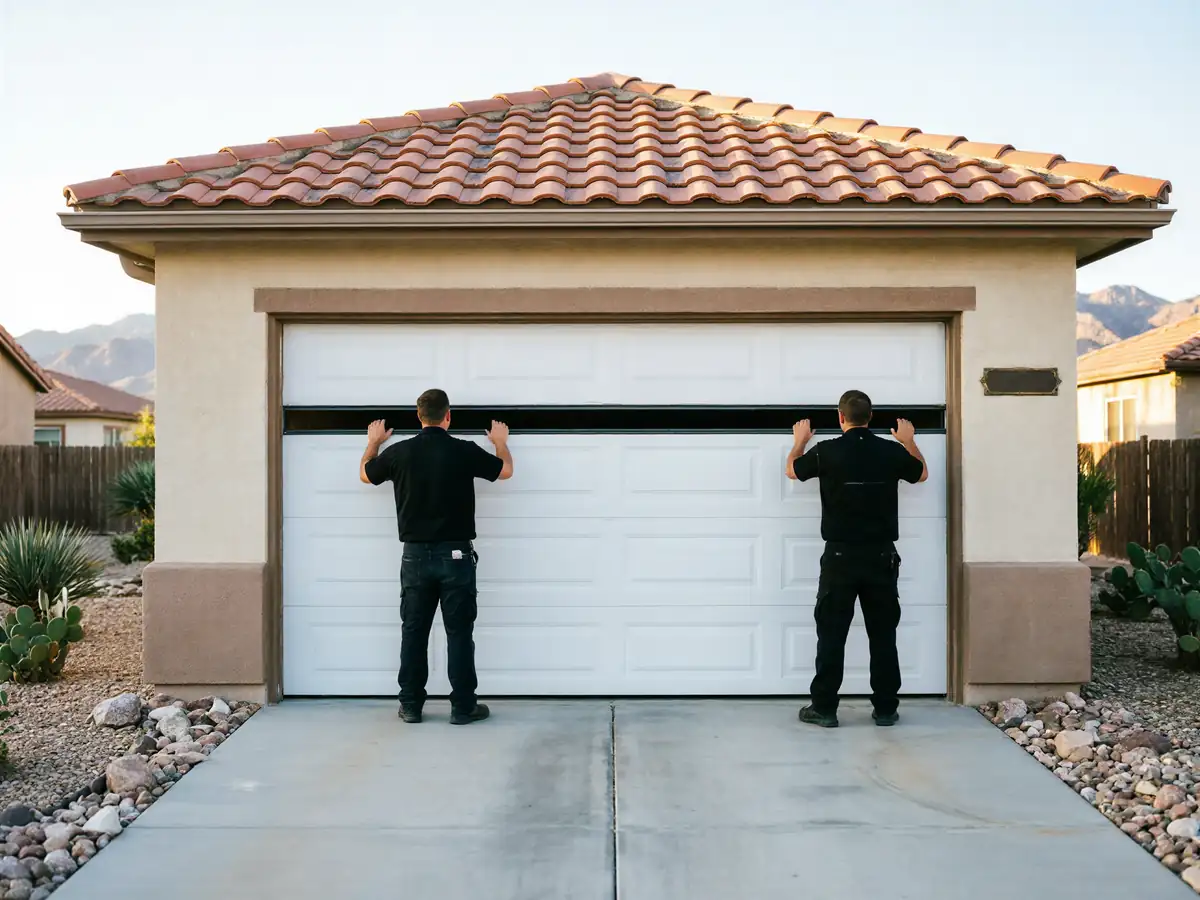
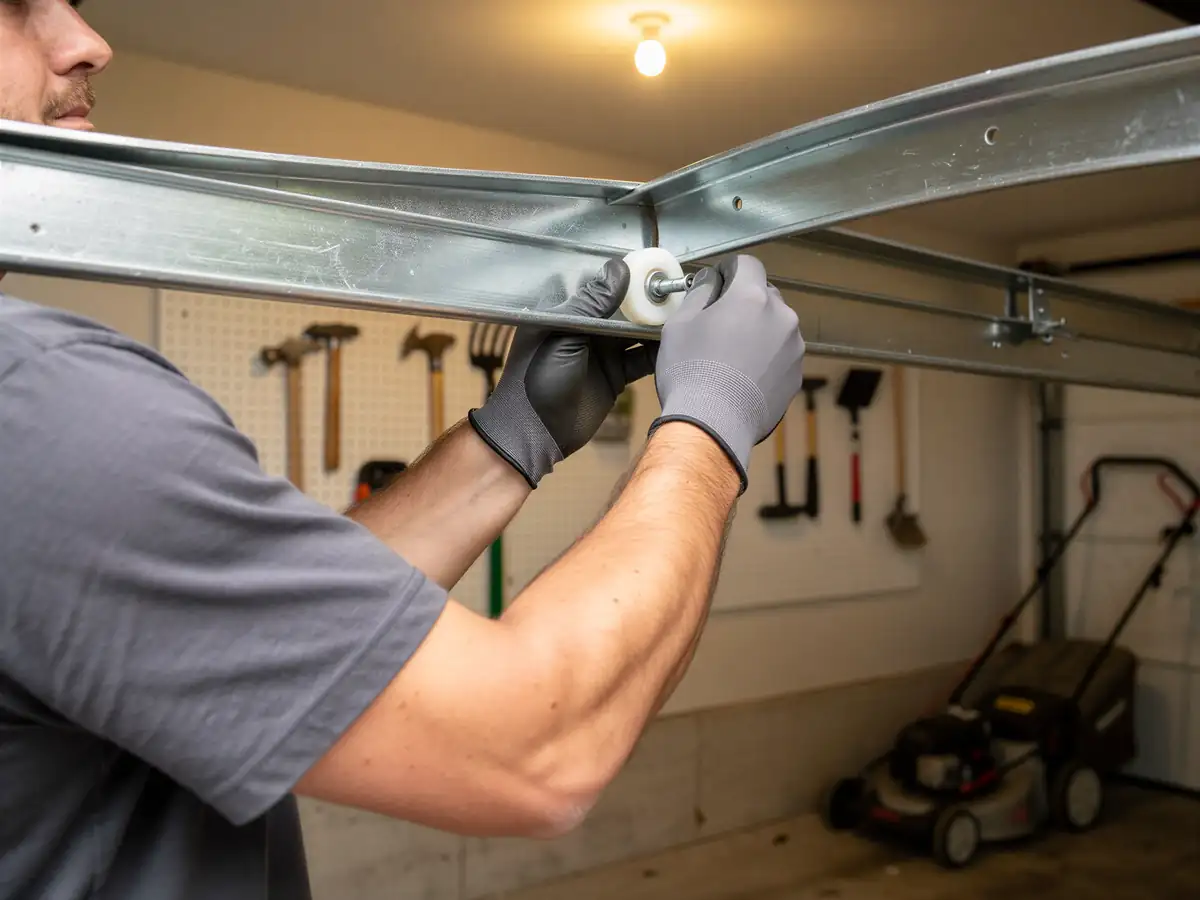
A door built around 1994 has had three decades of Arizona heat working on its hardware, and heat is the thing that ages torsion springs and nylon rollers faster than almost anything else. What you're likely seeing is a spring that's lost tension gradually, so the opener strains and the door feels heavier by the month, or a sudden snap where the door won't lift at all. On the original steel panels from that build year, we also see rust starting at the bottom panel seams, since insulation wasn't standard on every door from that period and condensation collects there. If your opener is original to the house, its gears are also near the end of what they're built for. None of this is unique to Rio Verde's doors, but the timing lines up with the housing stock here more than it does with newer construction closer to town.
What the Fix Involves
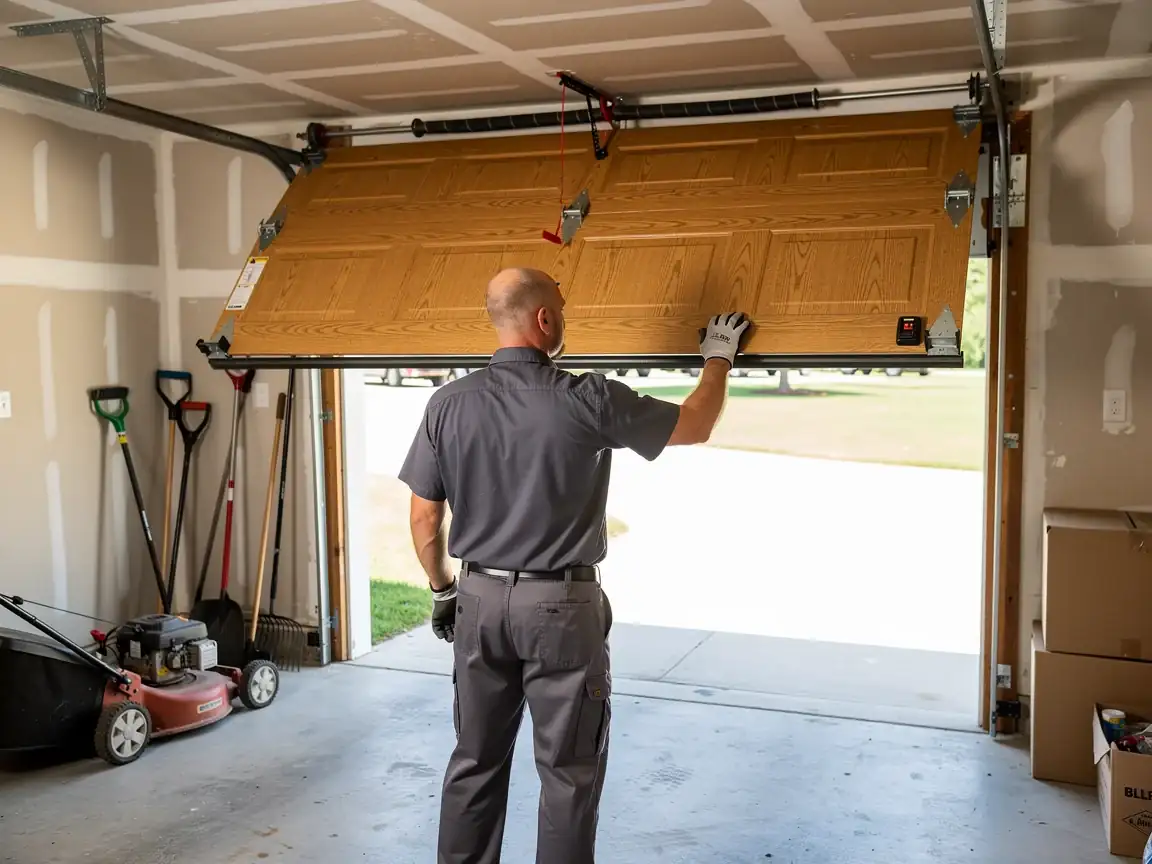
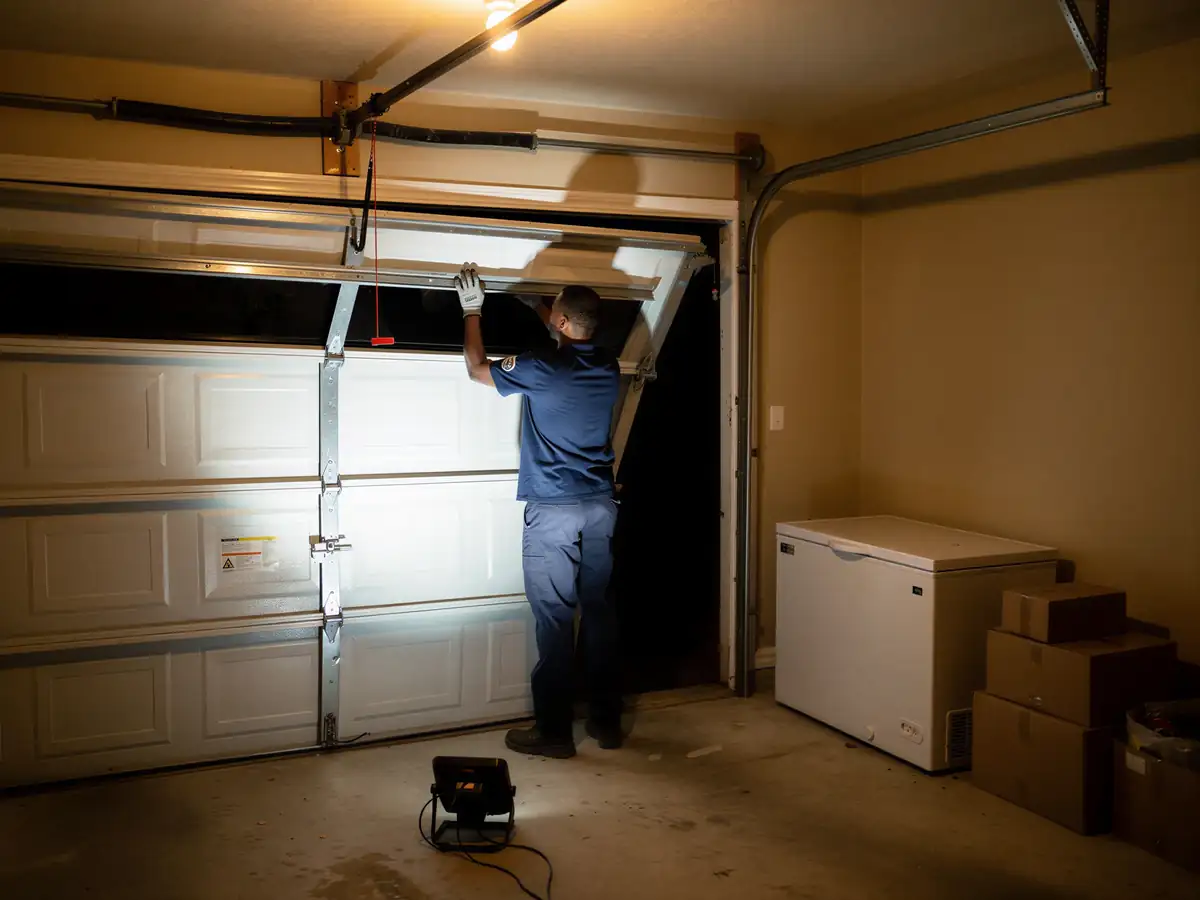
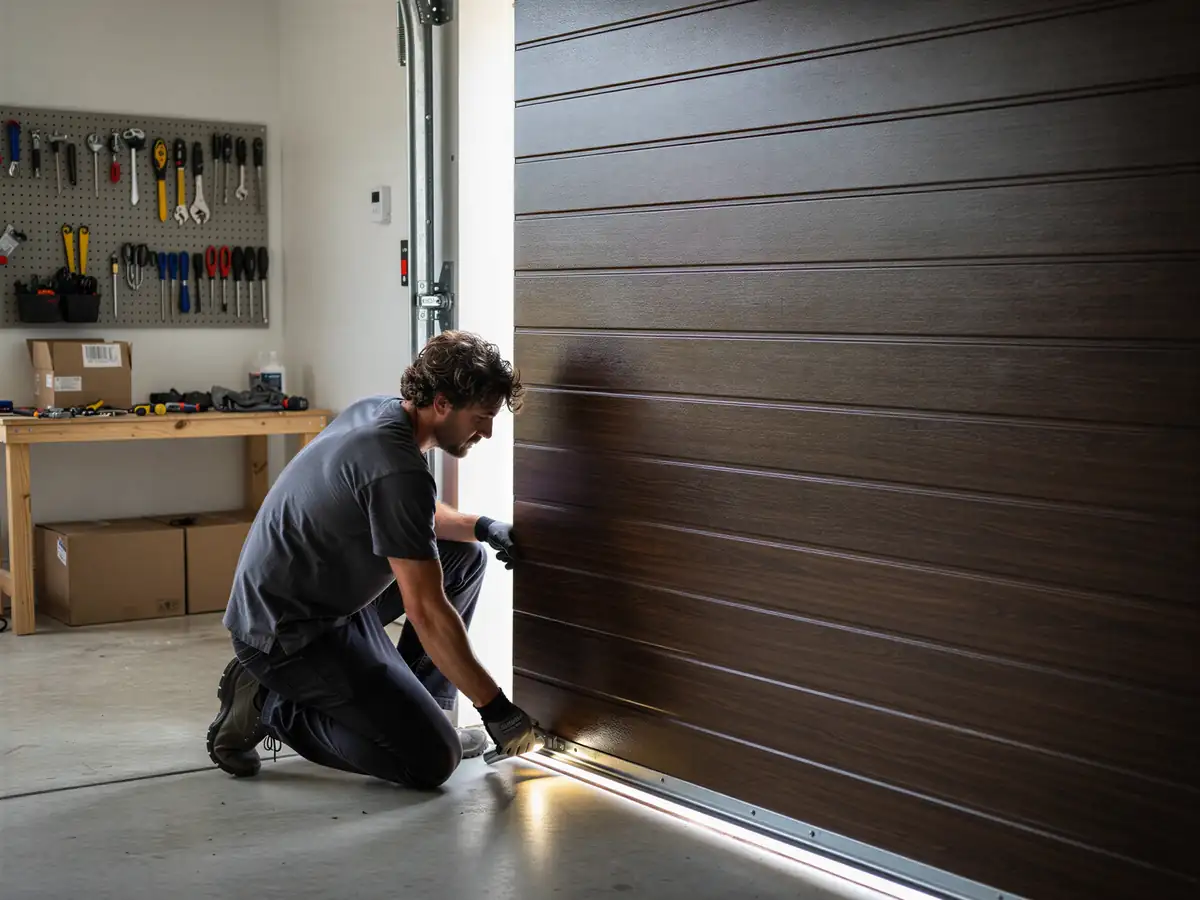
For a broken torsion spring on a 16-foot double door, the fix is matching the spring's wire size and wind to the door's actual weight, not just swapping in whatever's on the truck. Get that wrong and the door either strains the opener or slams on the way down. For panel rust from the original steel, the fix is usually a full panel replacement rather than a patch, since rust at a seam compromises the roll-formed edge. One honest limitation: parts for some of the original 1990s panel profiles aren't something we carry on the truck, and matching an exact discontinued panel can mean a short wait while we source it or a conversation about replacing the section with a close match instead. We'll tell you which one applies before we start, not after.