What You Are Seeing
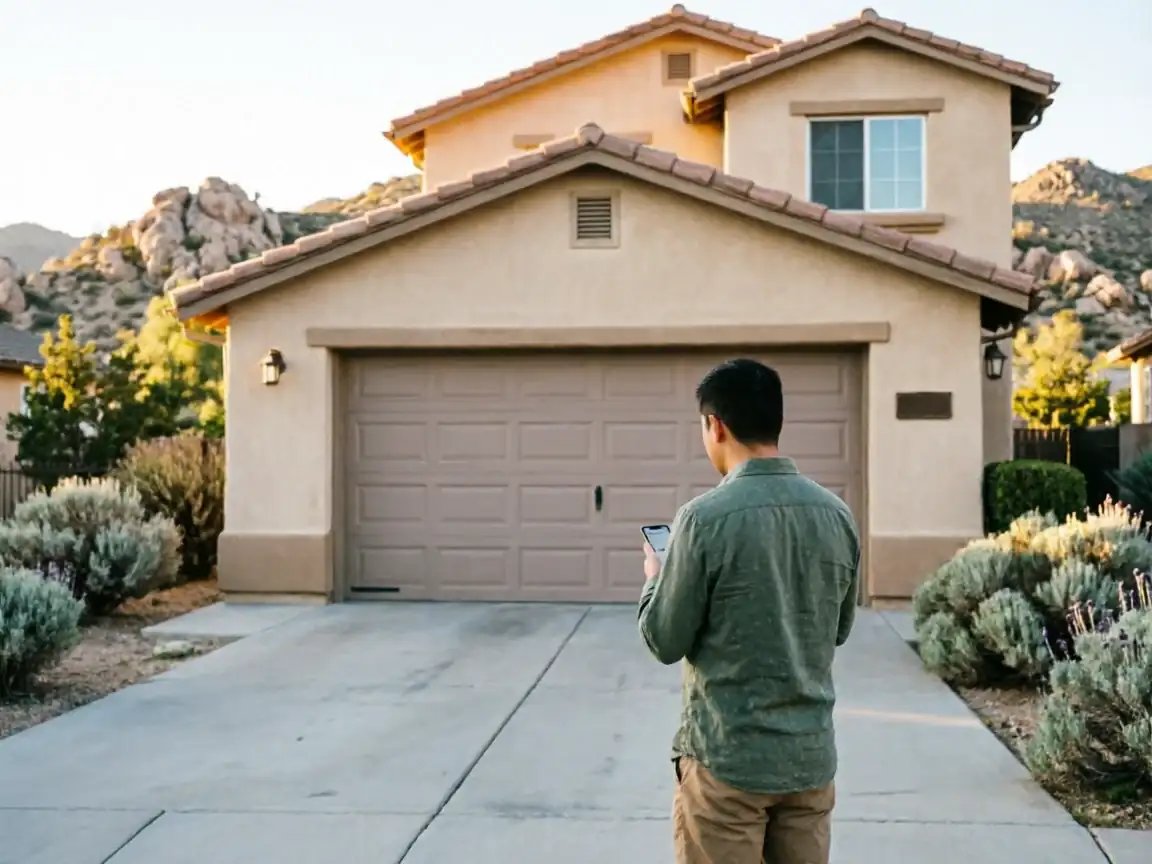
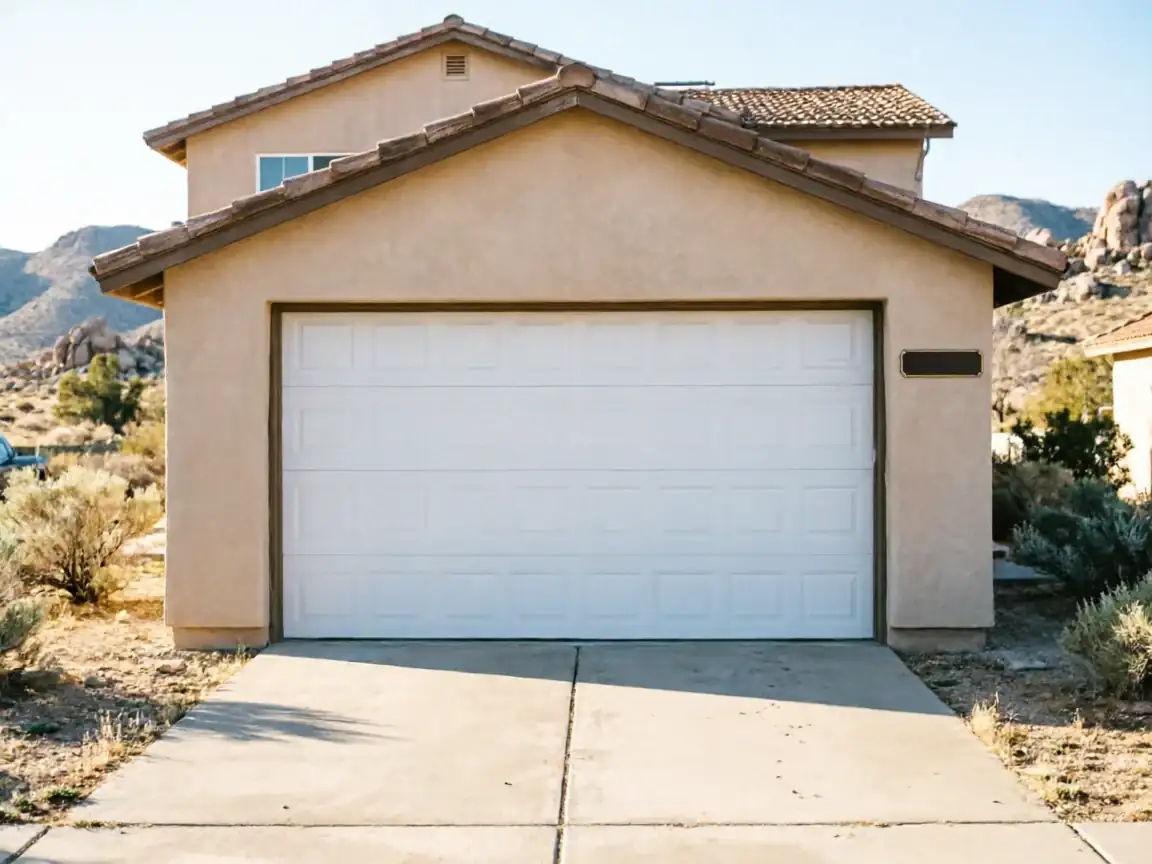
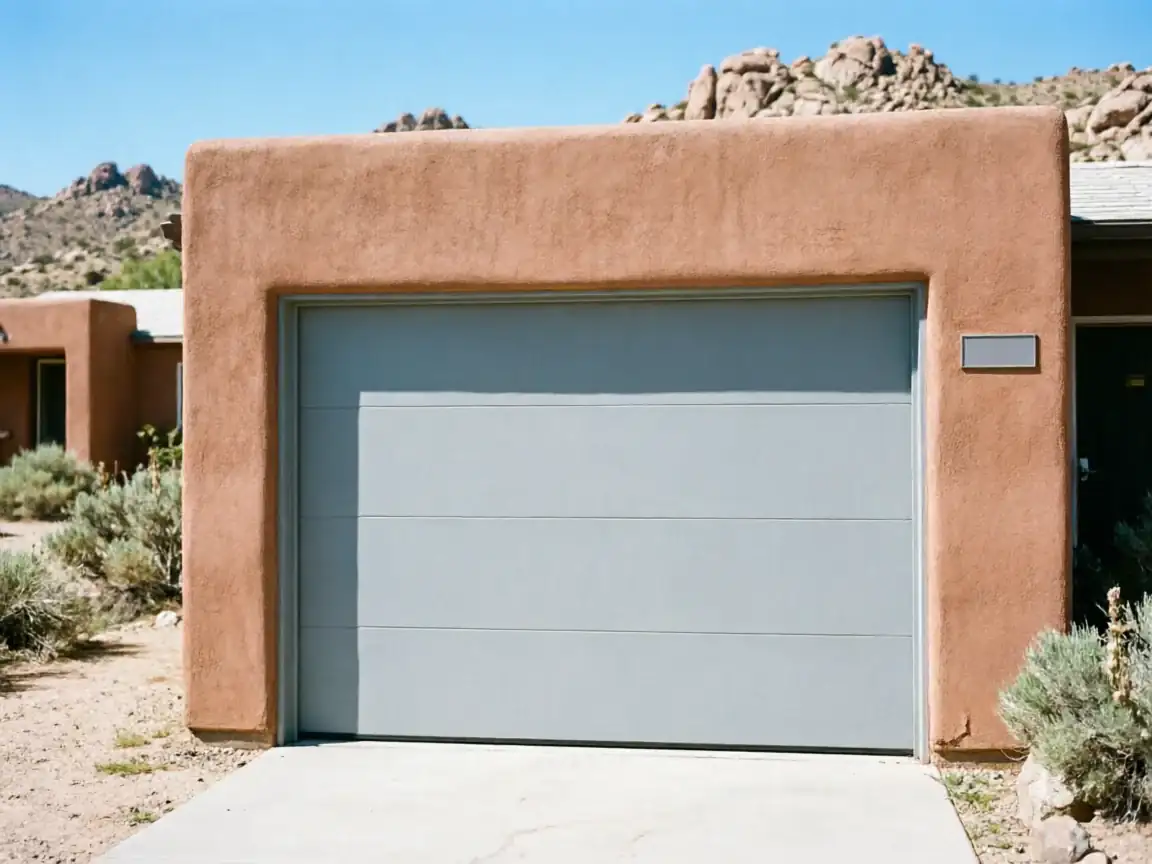
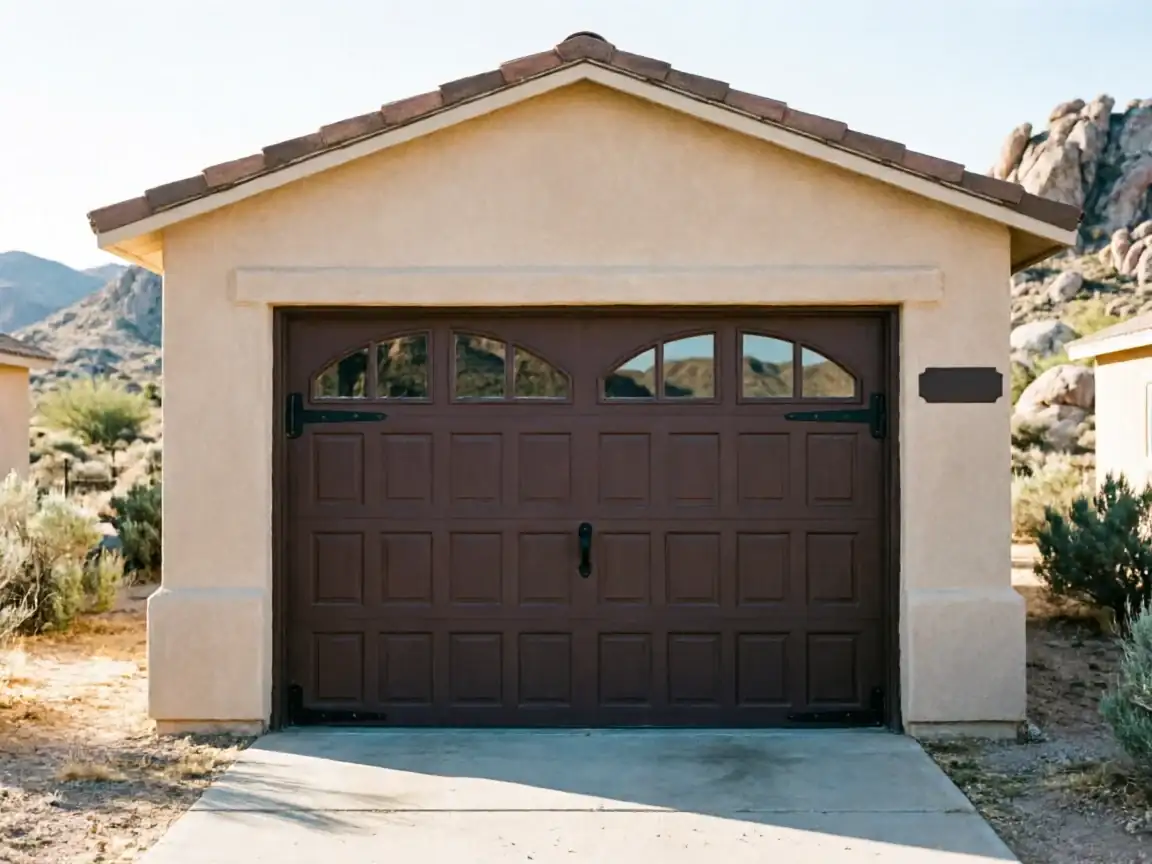
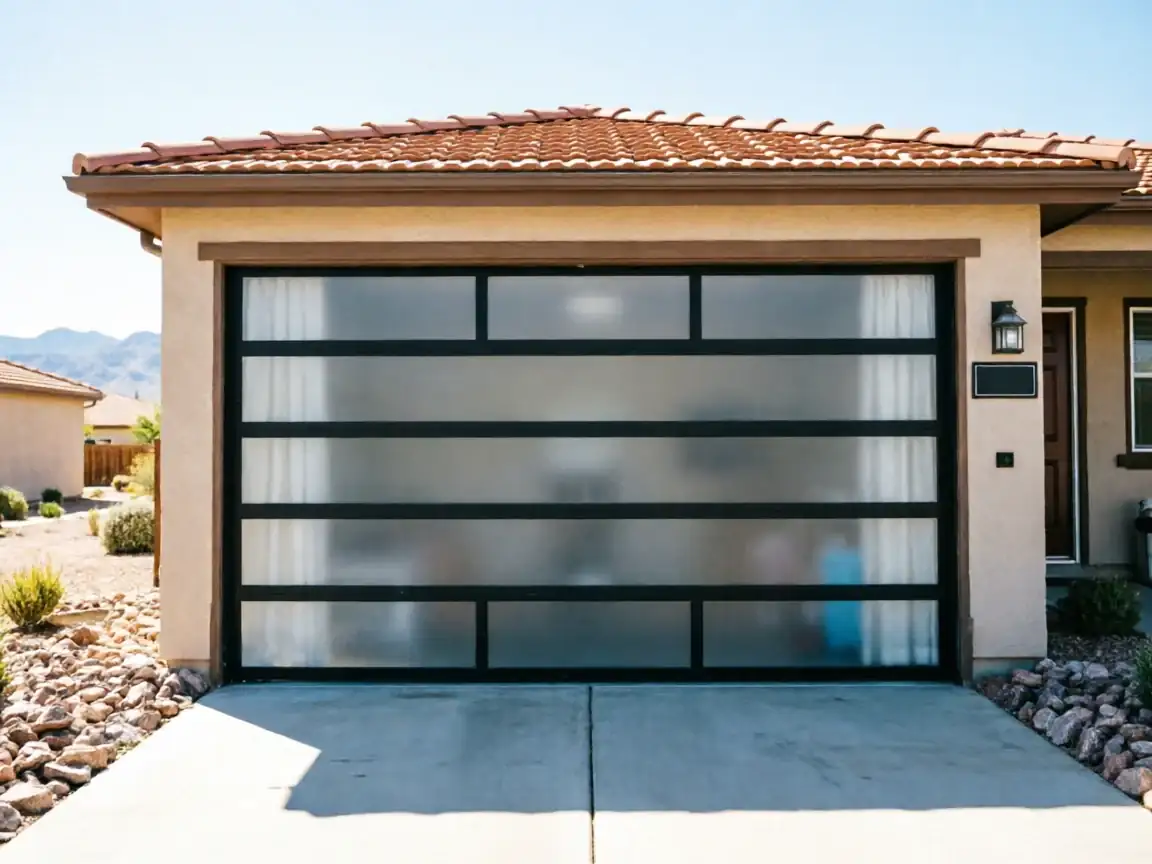
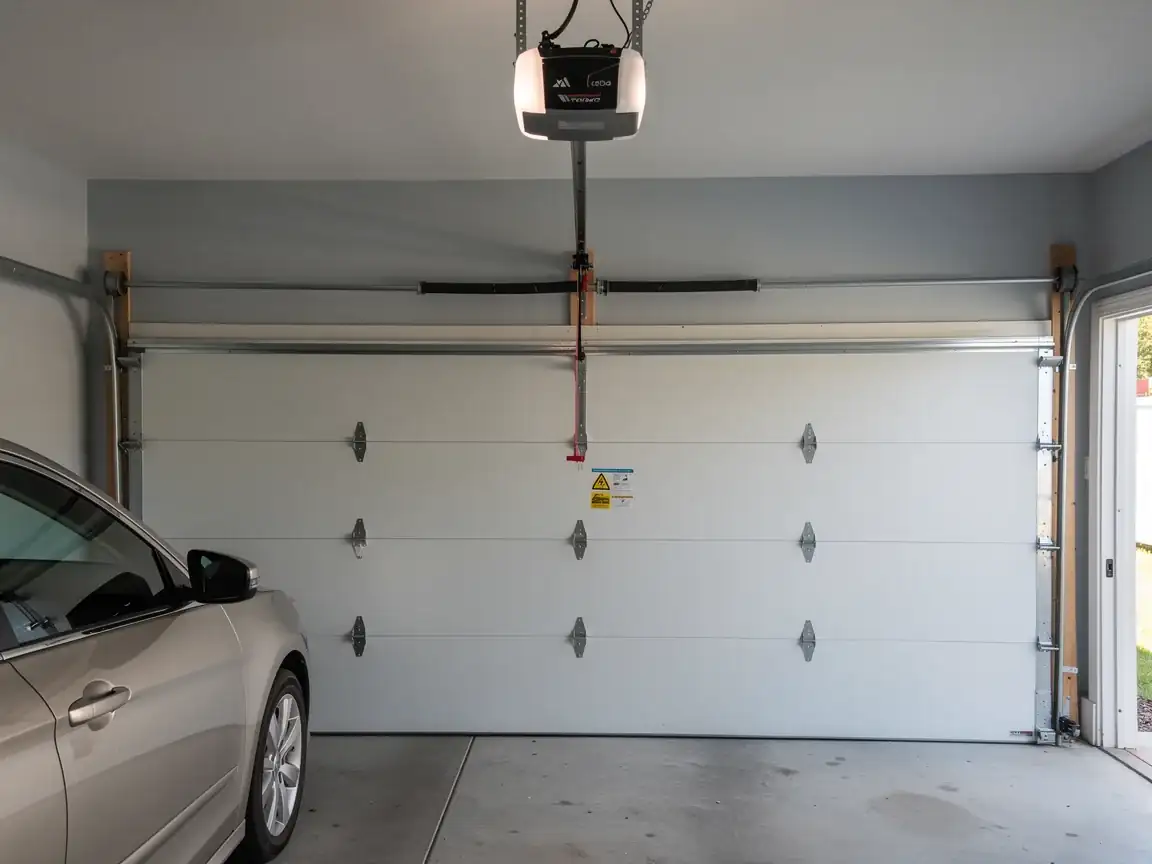
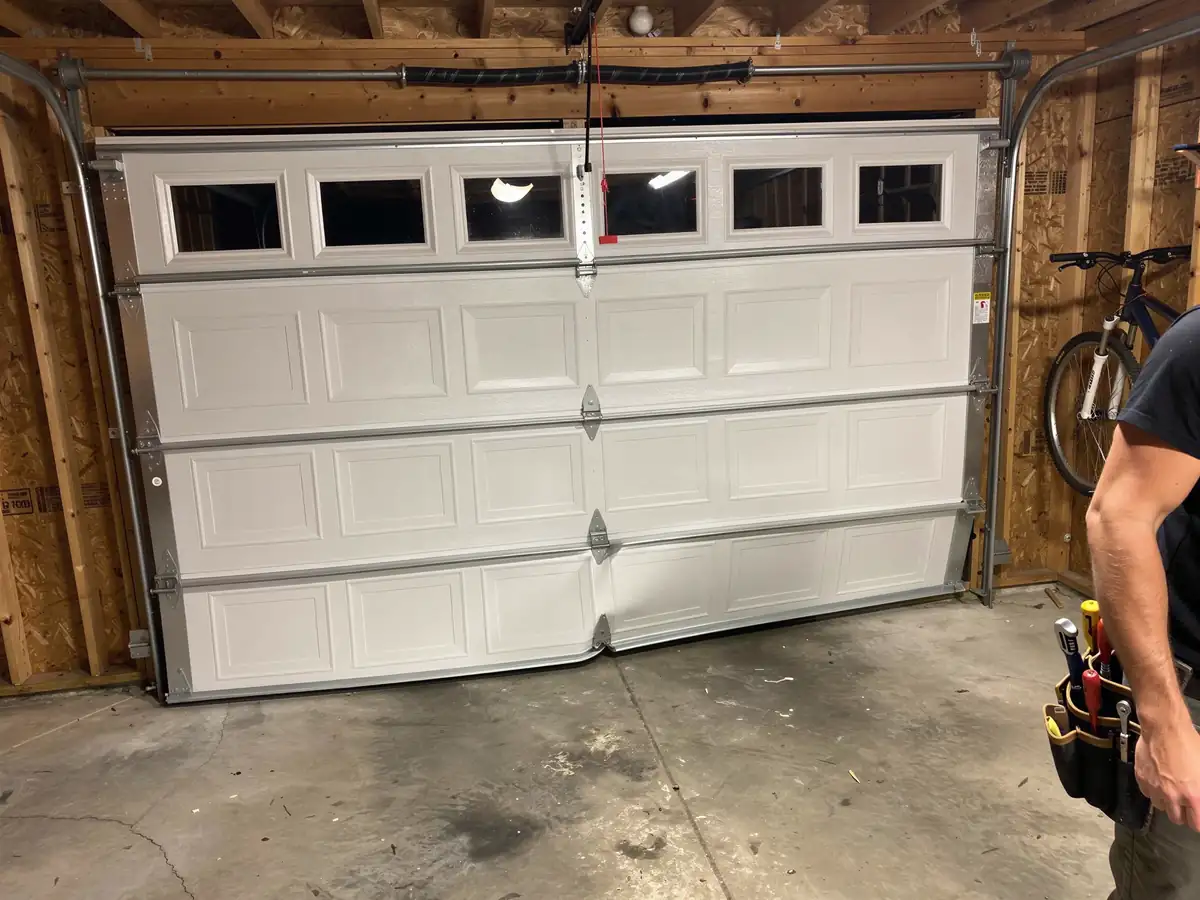
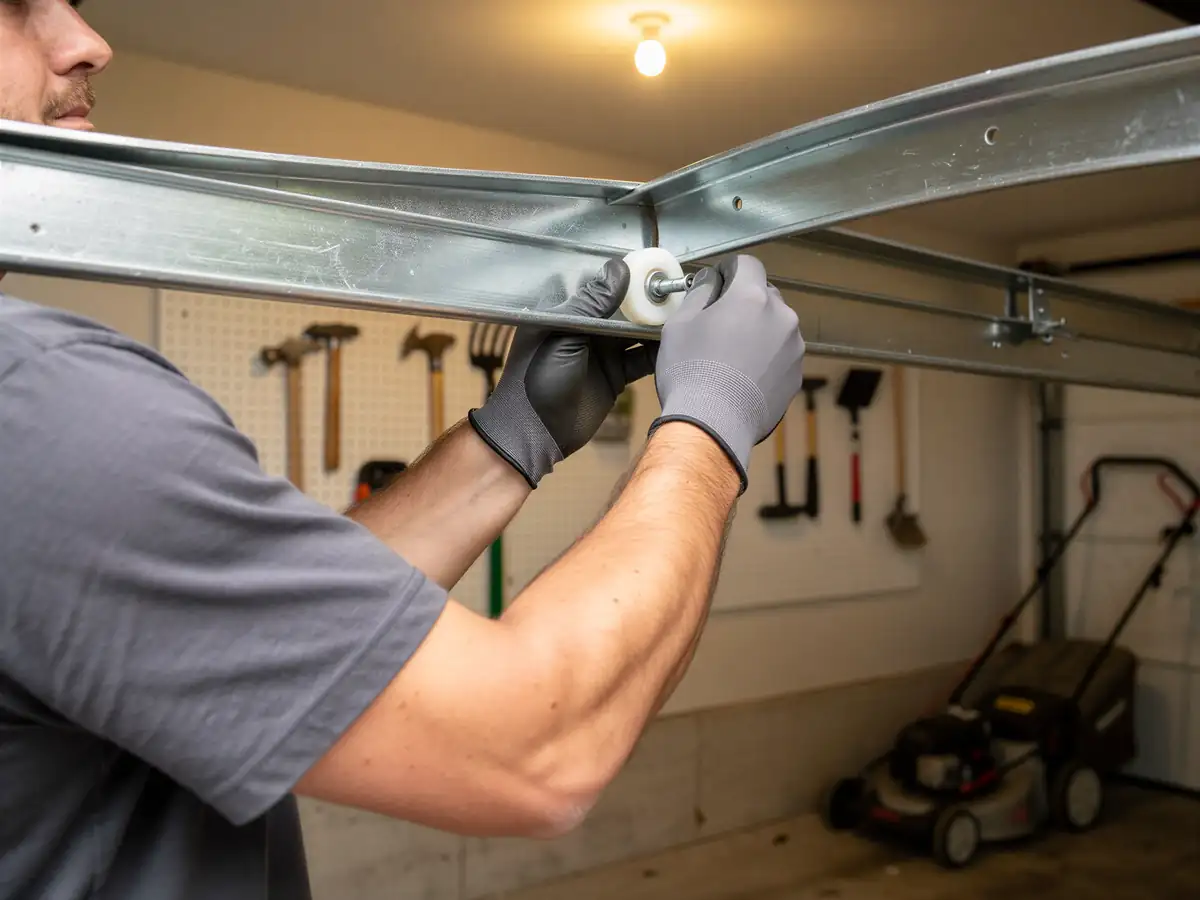
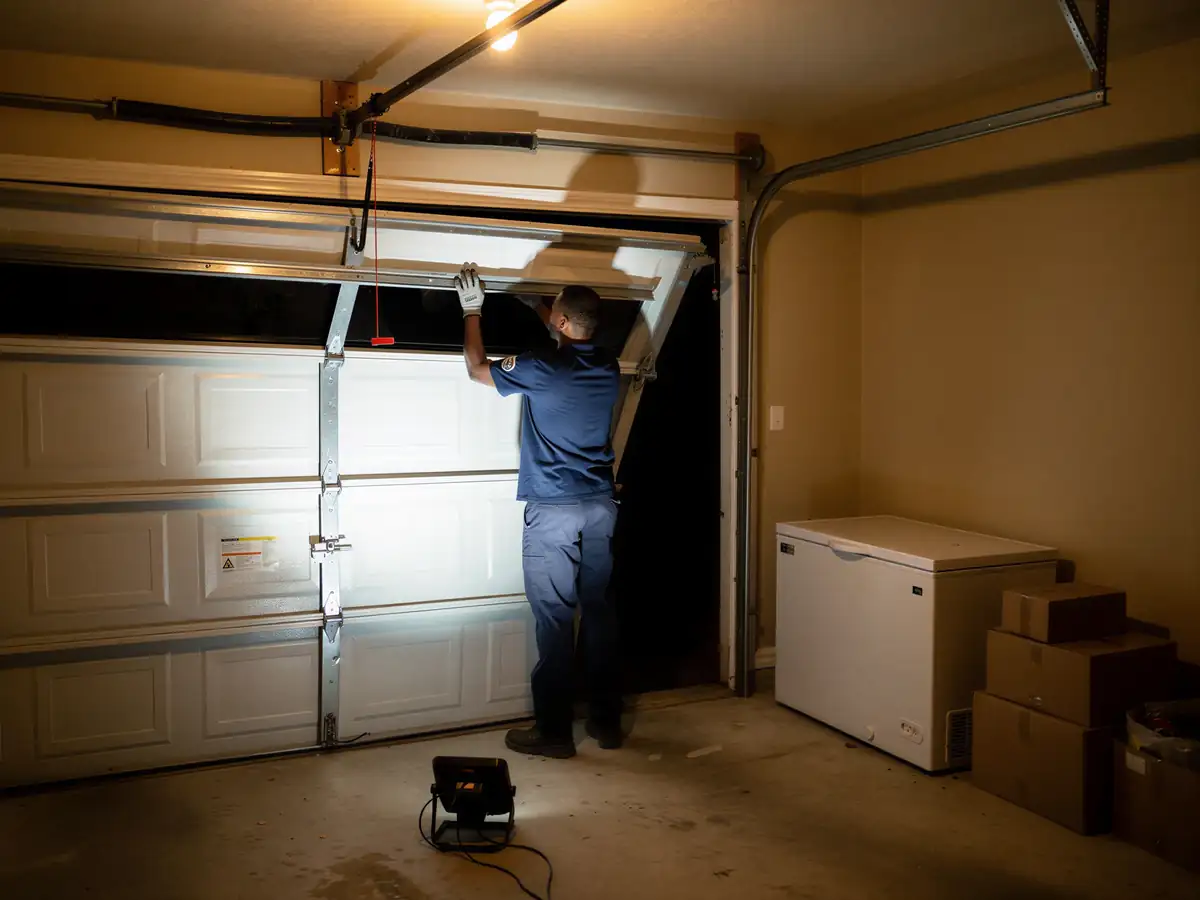
In a Rio Verde garage, the usual signs are an opener that grinds before it catches, a remote that works some days and not others, or a unit that stops partway and reverses for no obvious reason. Given that most homes here were built close to 1994, a fair number of these openers are either the original builder unit nearing the end of a normal service life, or a first replacement installed sometime in the late 1990s or early 2000s. Either way, the drive belt or chain has had two decades of Arizona heat working on it - this area sits in a severe heat climate band, and that heat shortens the life of rubber belts, plastic drive gears, and the capacitors on circuit boards faster than it would in a milder climate. A board that logic-faults only on the hottest afternoons is a classic sign the electronics are cooking, not that the opener is simply old. None of this means every noisy opener needs replacing - sometimes it's a worn roller or a track out of alignment, not the opener at all, and we'll tell you that straight instead of selling a unit you don't need.
What the Fix Involves
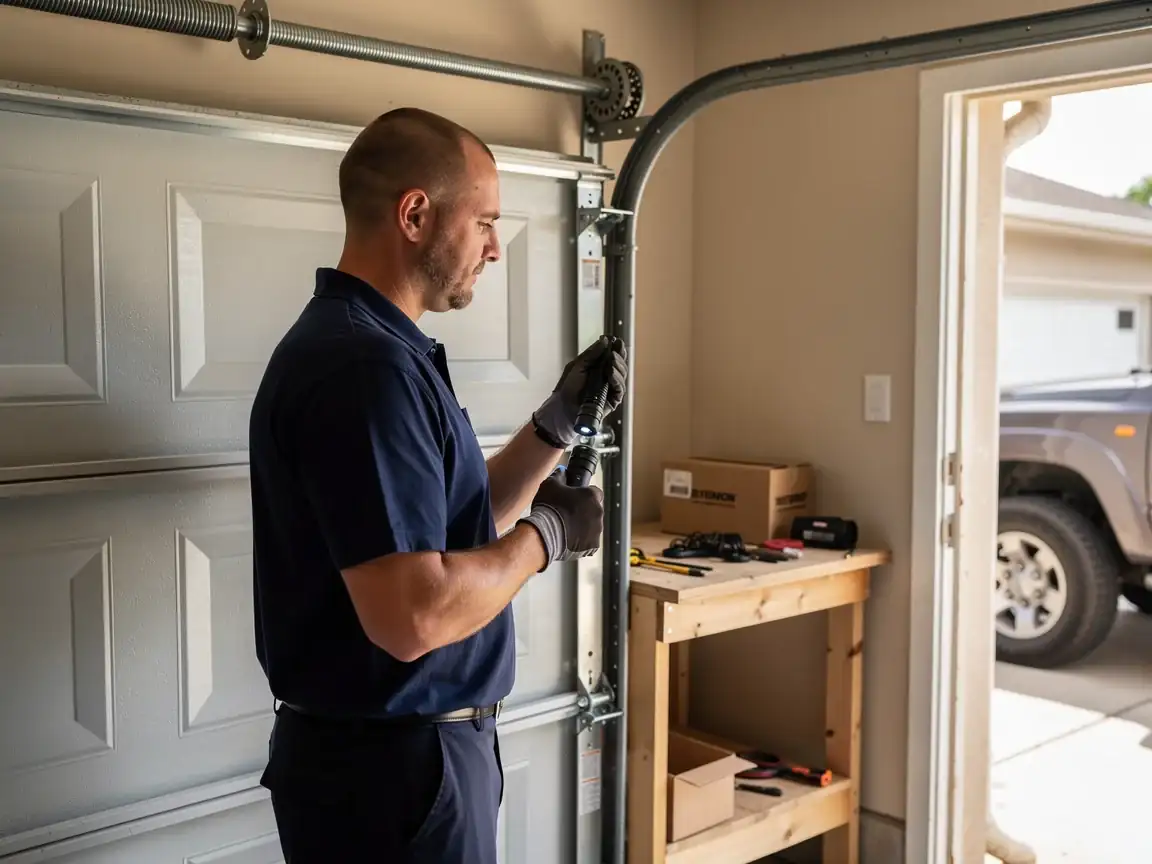
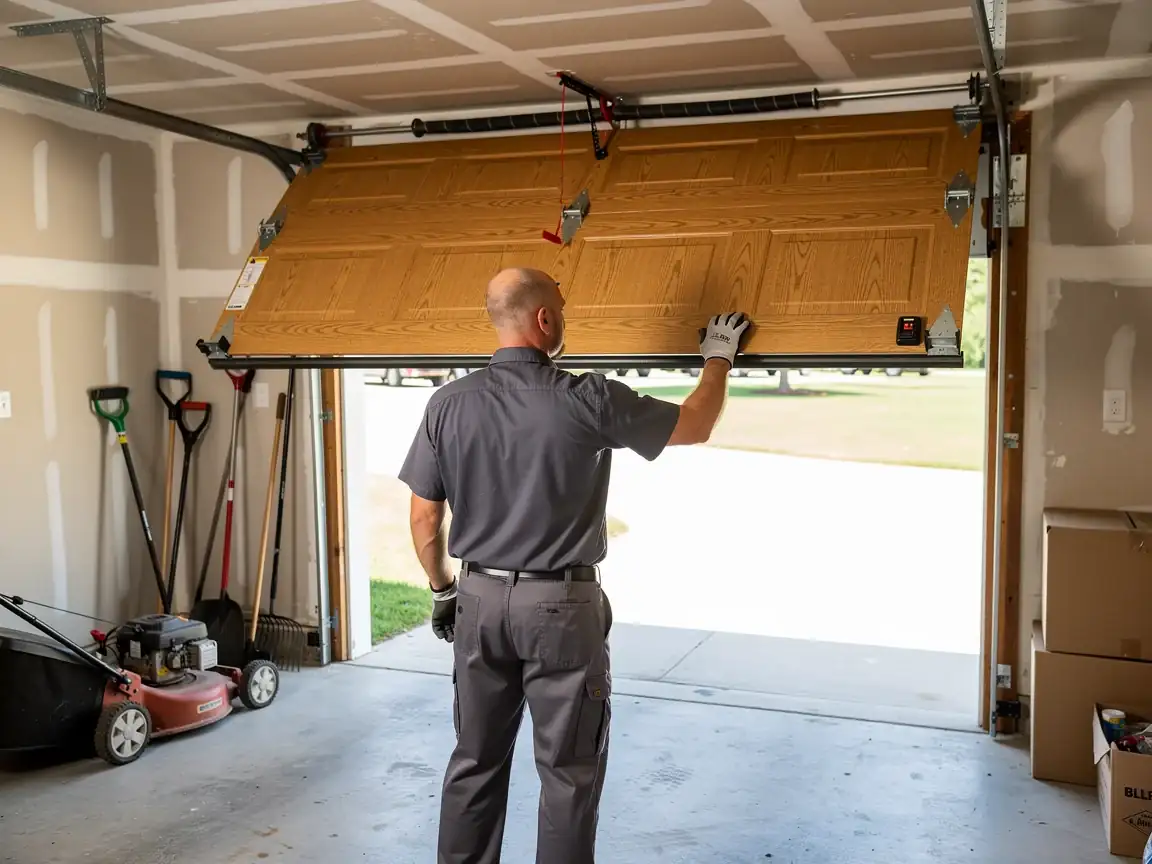
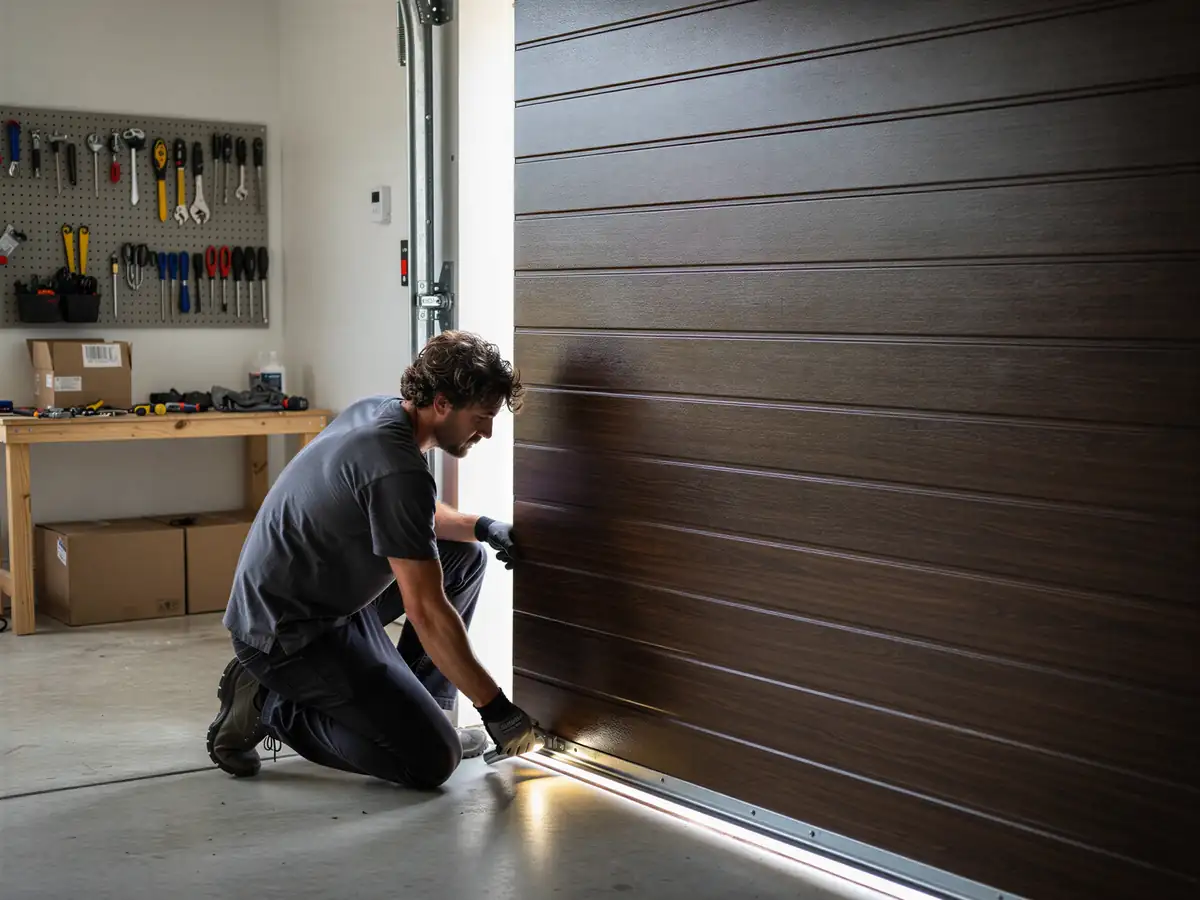
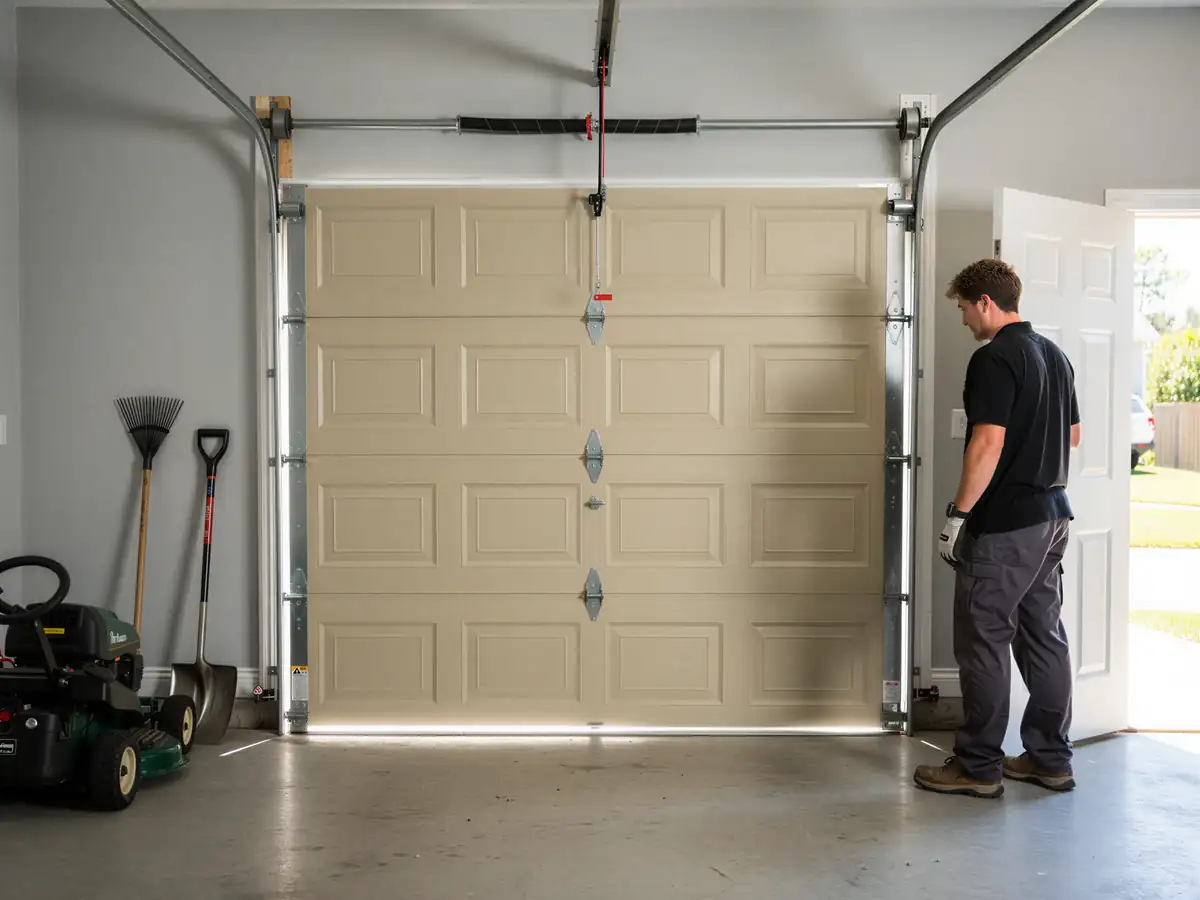
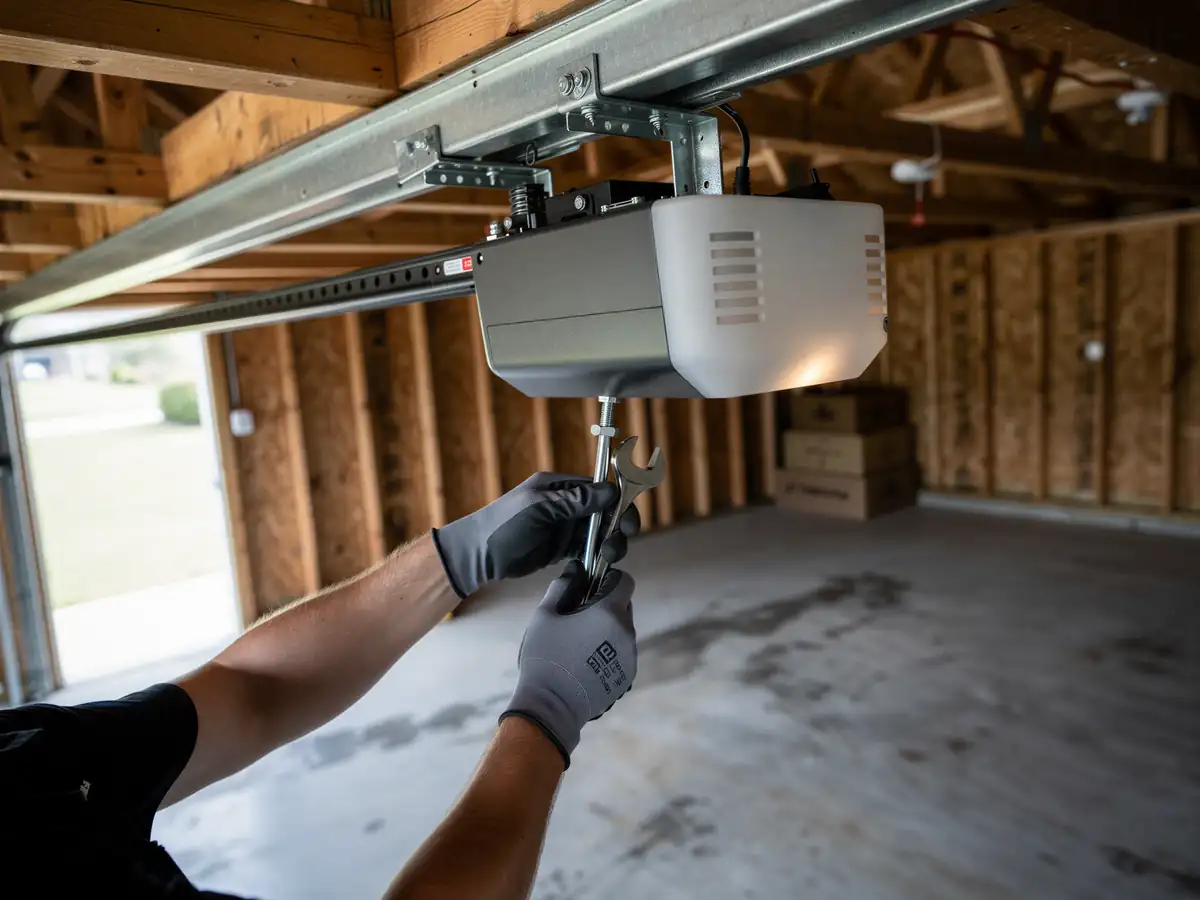
Installing a new opener means pulling the old head unit and rail, checking the header for a solid mounting point, and matching the new unit's horsepower and rail length to the actual door - not a generic default. With a median household income of $141,020 in Rio Verde, noticeably close to the $141,331 median across the whole service area, most owners here aren't choosing the cheapest chain-drive unit out of necessity; the common upgrade is a belt-drive opener with battery backup, since Rio Verde's outlying position means a grid outage can leave a door stuck down longer than it would in a denser part of town. We wire in the safety sensors, set travel limits and force settings to match the door's actual weight, and test the auto-reverse before we leave. One honest limitation: if your existing rail or track hardware is out of square or the header framing has shifted, that's a separate repair, not something an opener swap fixes on its own, and we'll flag it rather than bolt a new unit to a bad foundation.