Time on the Job
The call we get most from Carefree isn't a door that won't open at all
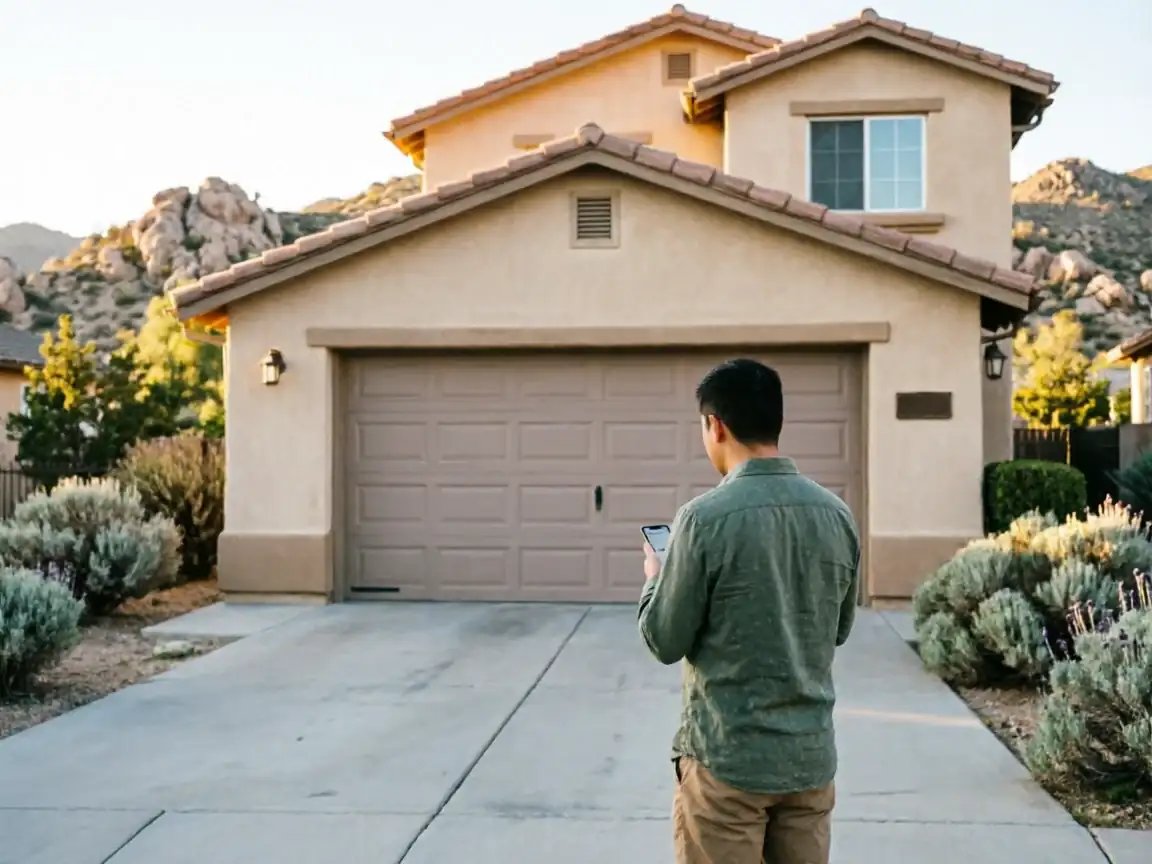
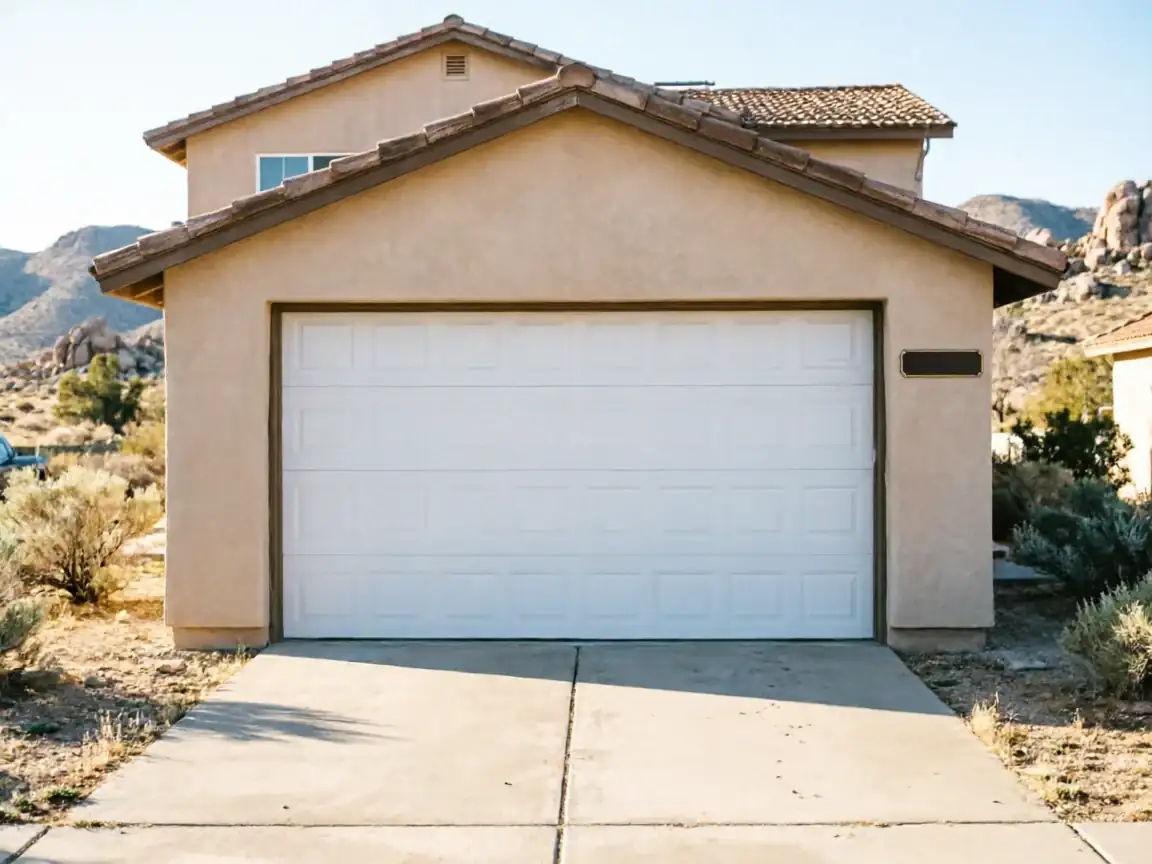
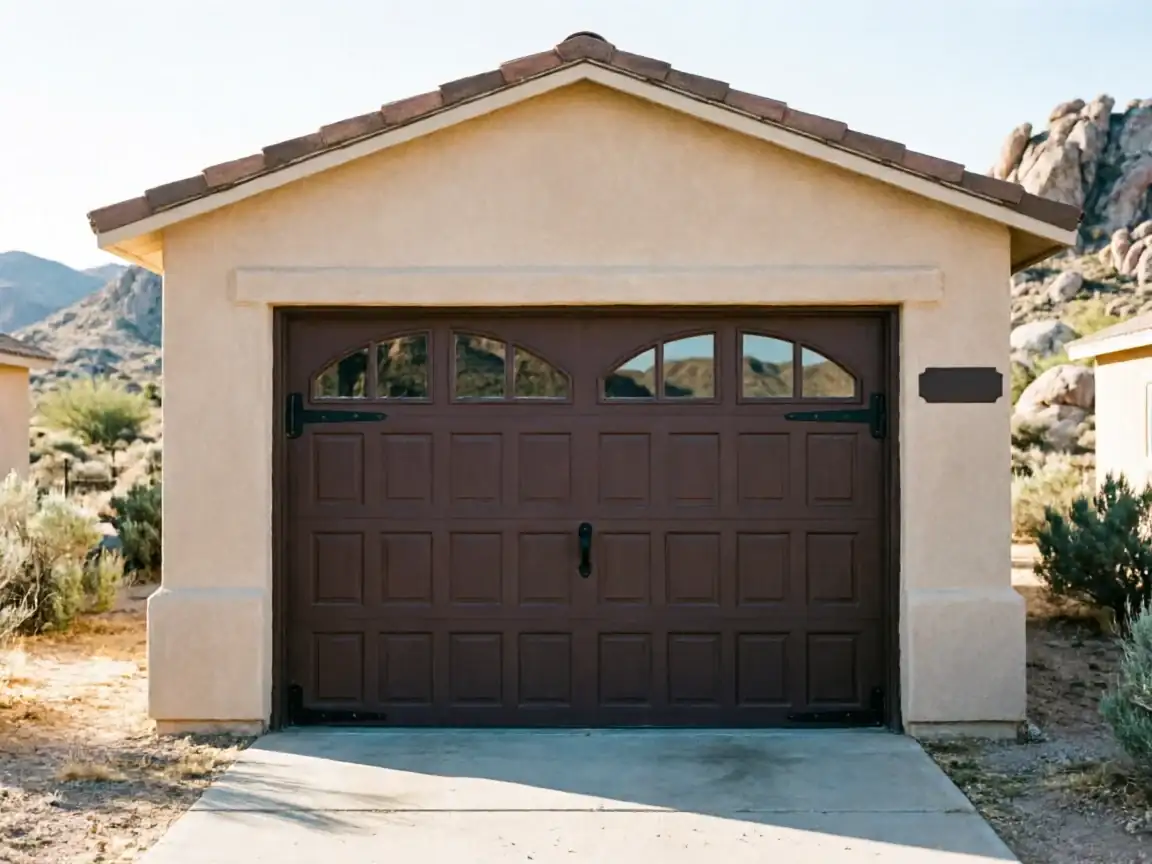
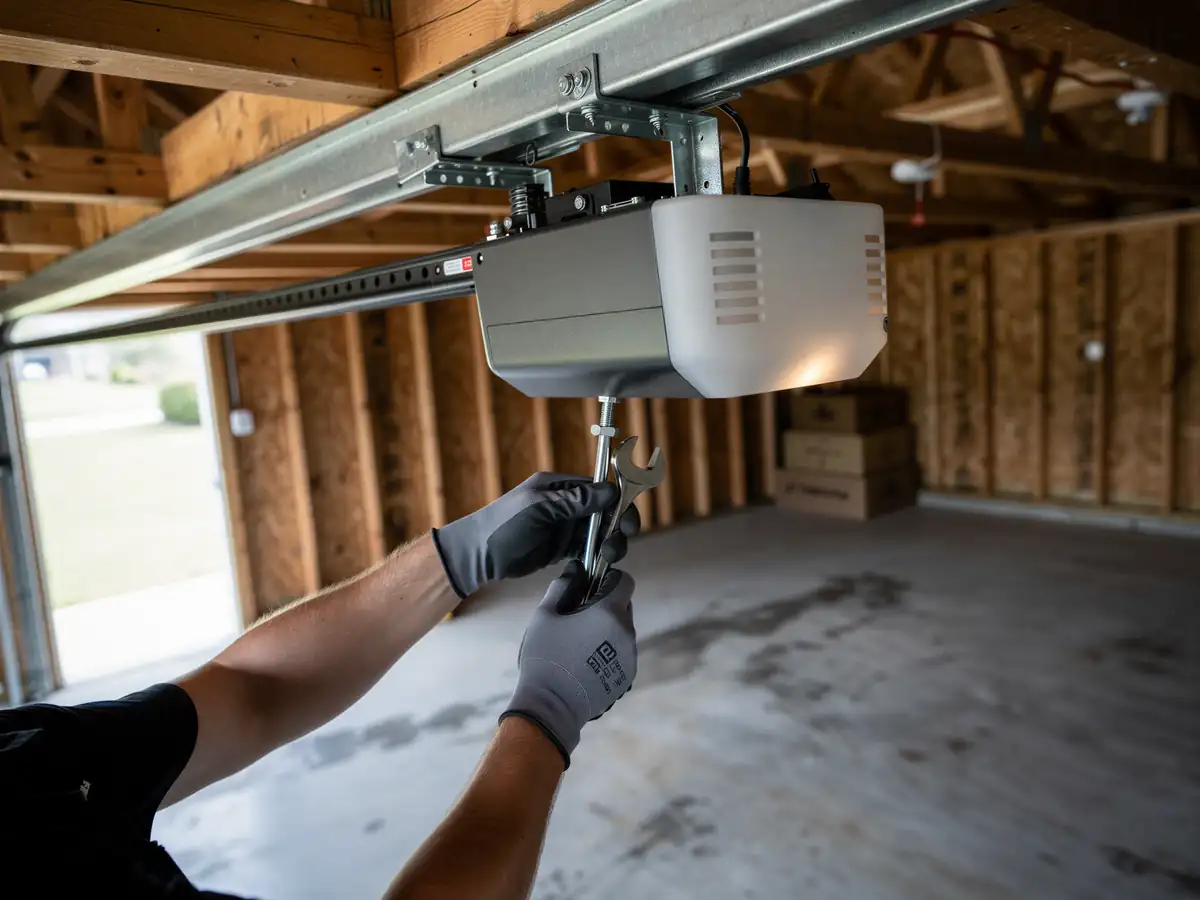
It's one that opens slow, shudders halfway, or reverses for no reason. That's not random. Most houses in this pocket of the valley went up around 1989, which means the garage door and opener in a lot of these homes are original or close to it. A steel door and a chain-drive opener from that era were built to last, but not to last forever, and we're now past the point where "it still works" and "it works right" are the same thing.
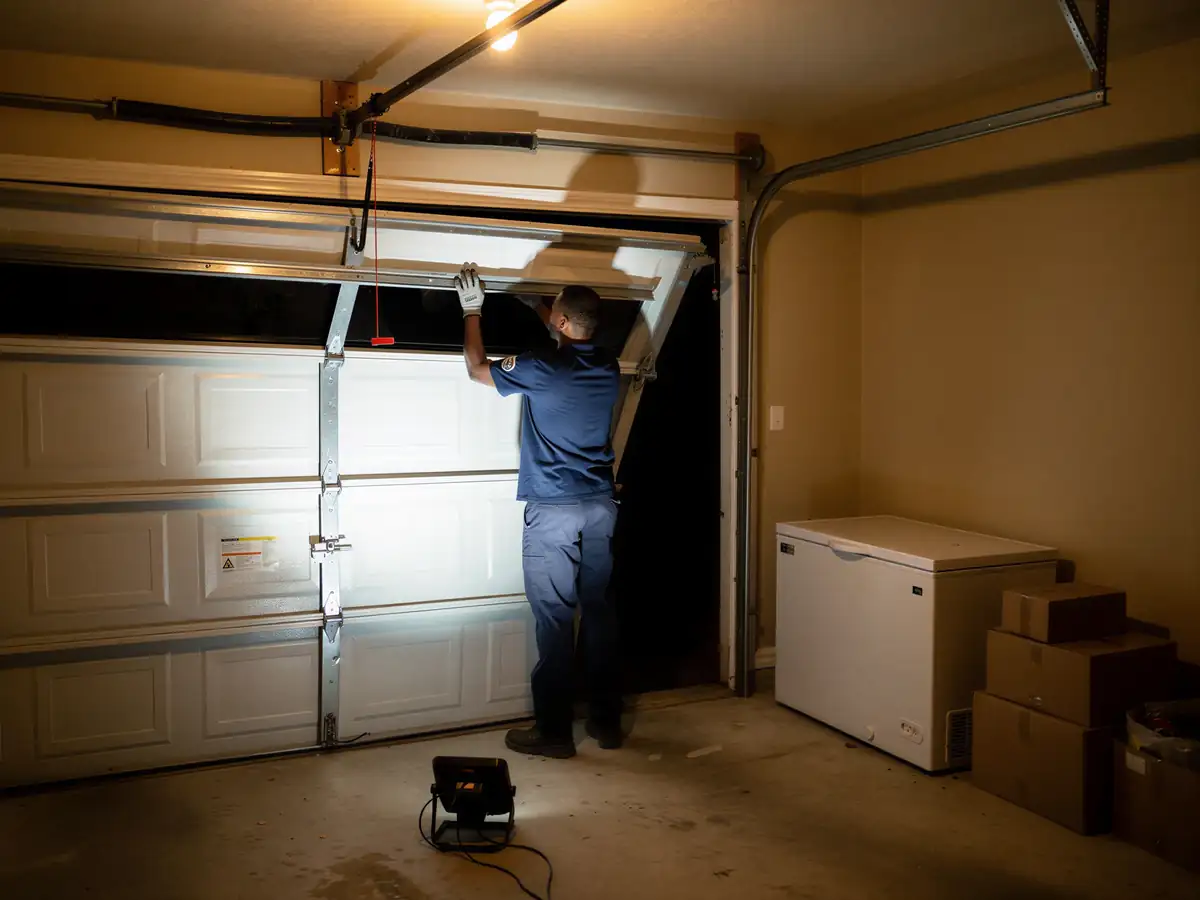
We come out from Fountain Hills for these calls
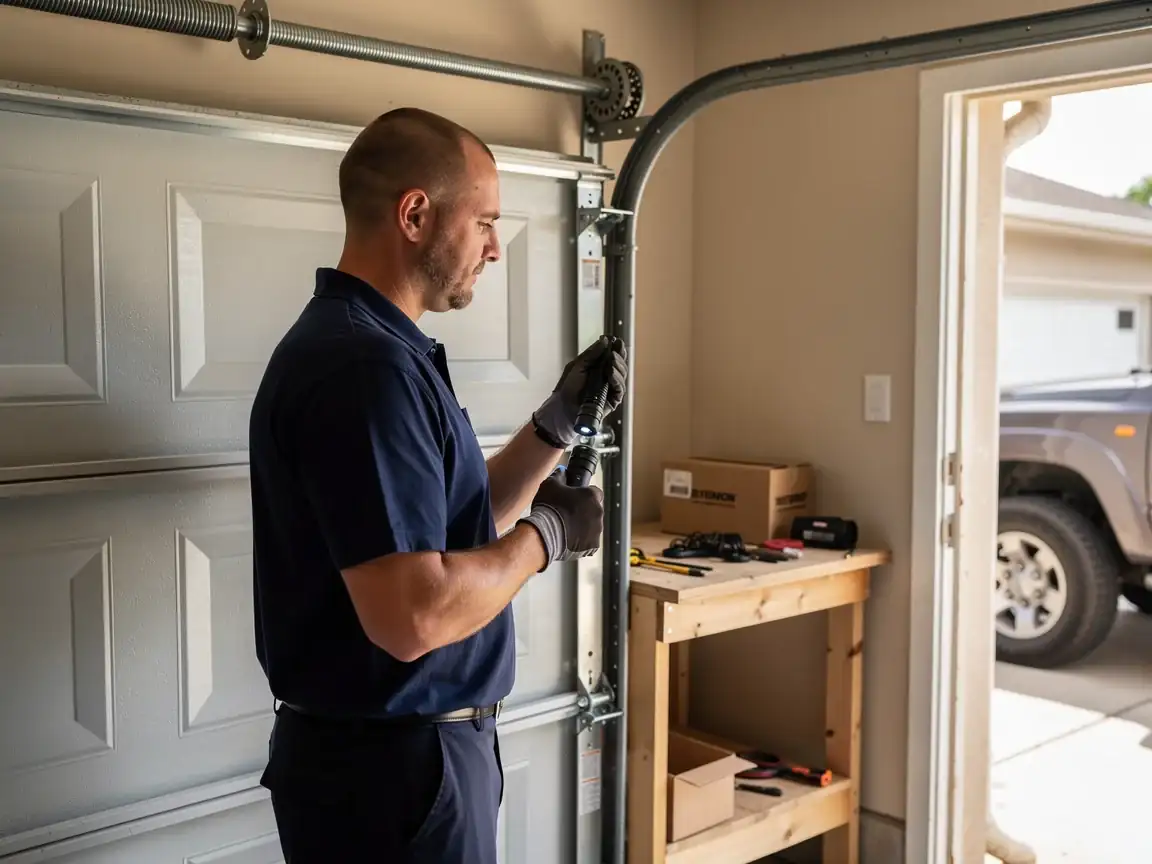
It's an 18-mile drive, so we're not sitting around the corner, but it's a trip we make regularly because this is where our customers are. What we see on arrival in Carefree tends to track closely with that 1989 build window: original torsion or extension springs well past their cycle life, openers with circuit boards that haven't been serviceable in years, and tracks that were never upgraded when the house was.
What You Are Seeing
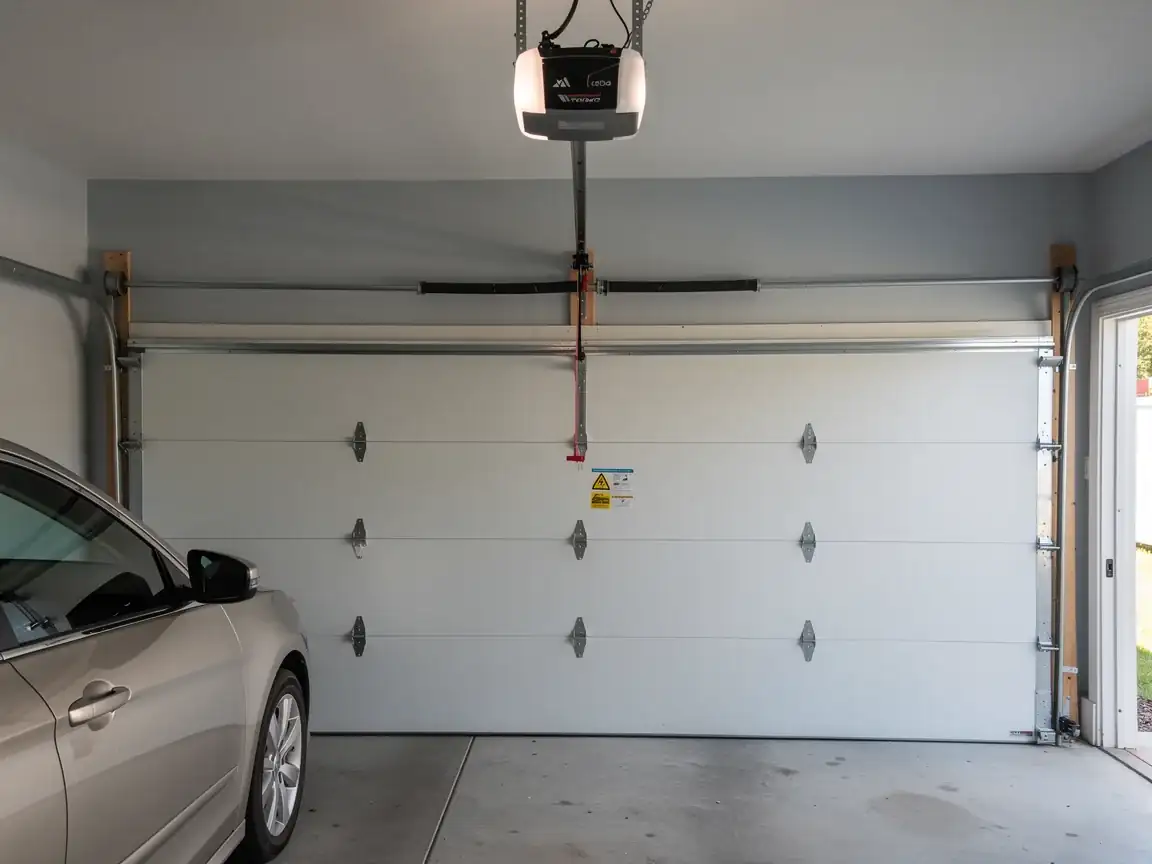
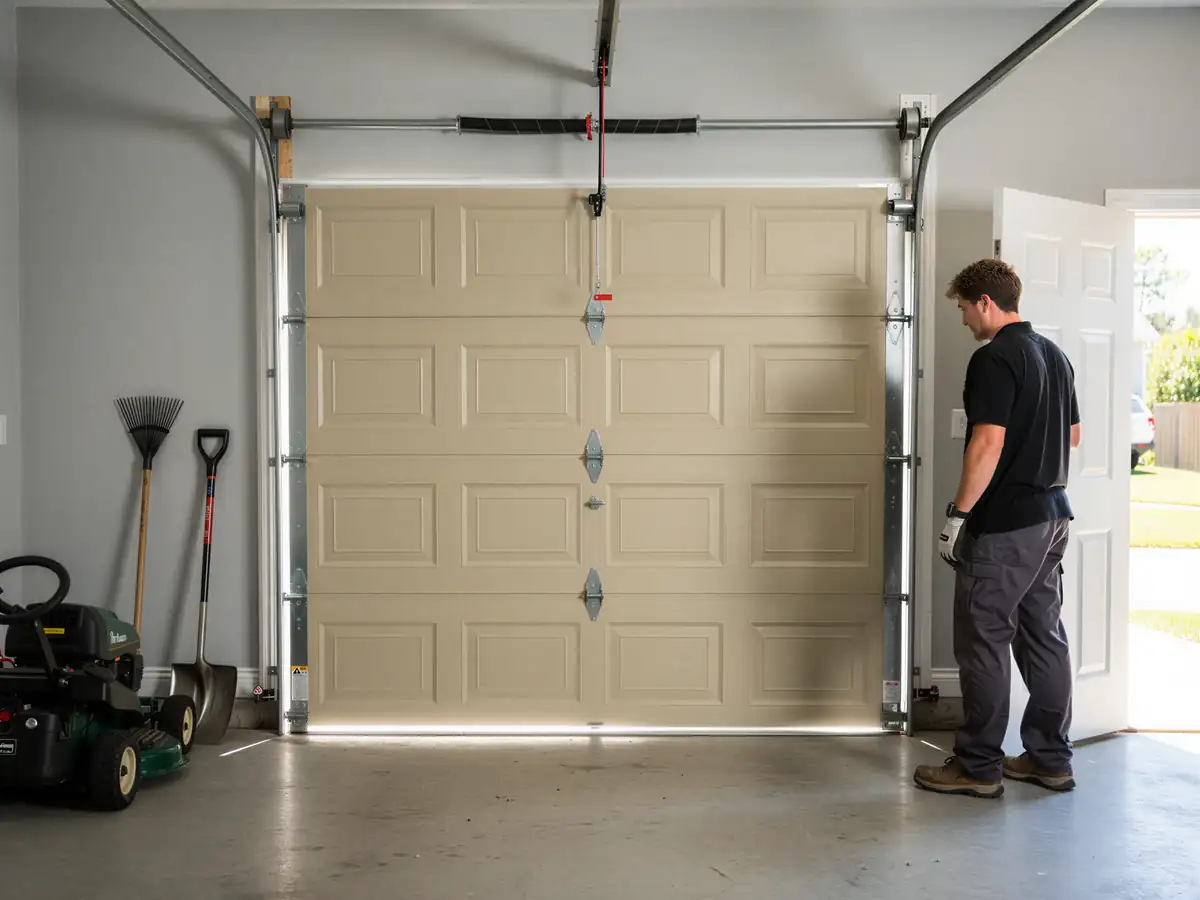
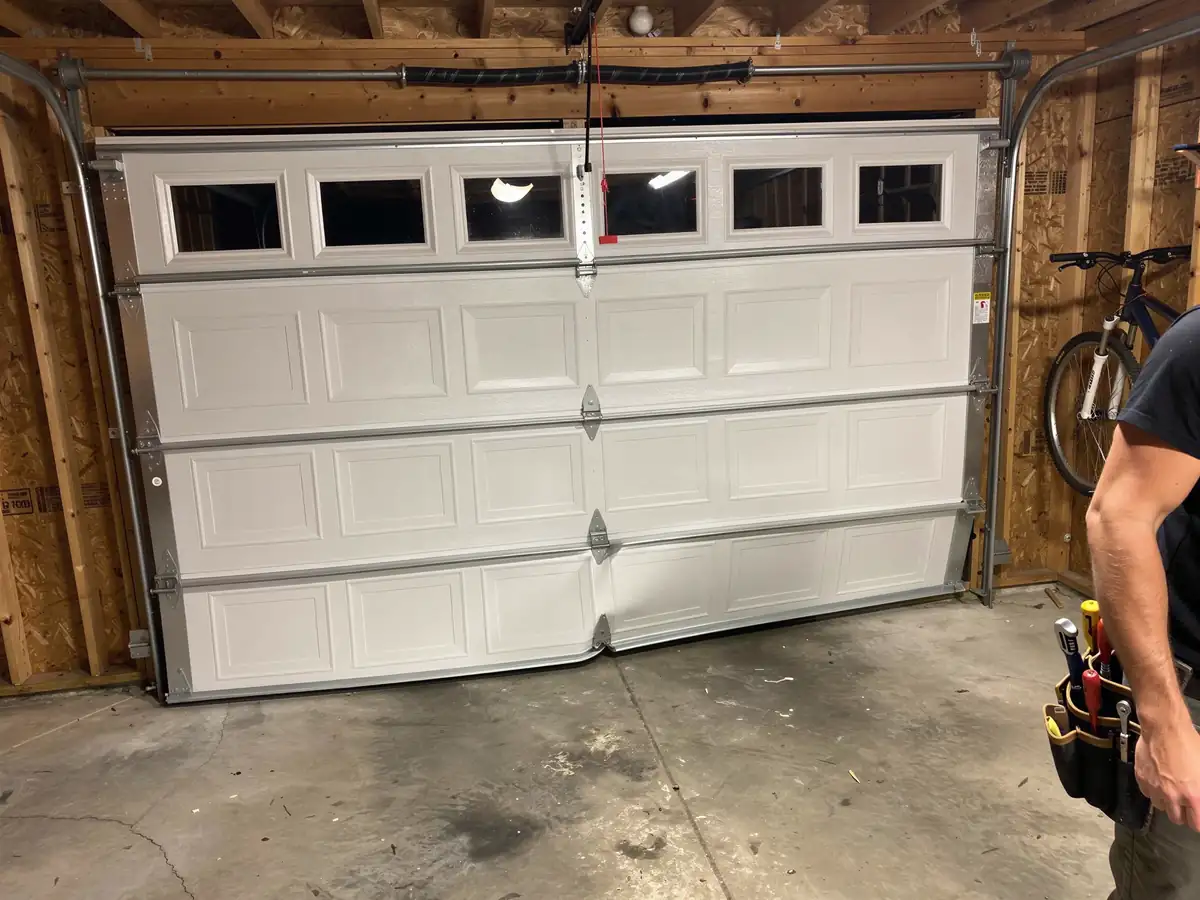
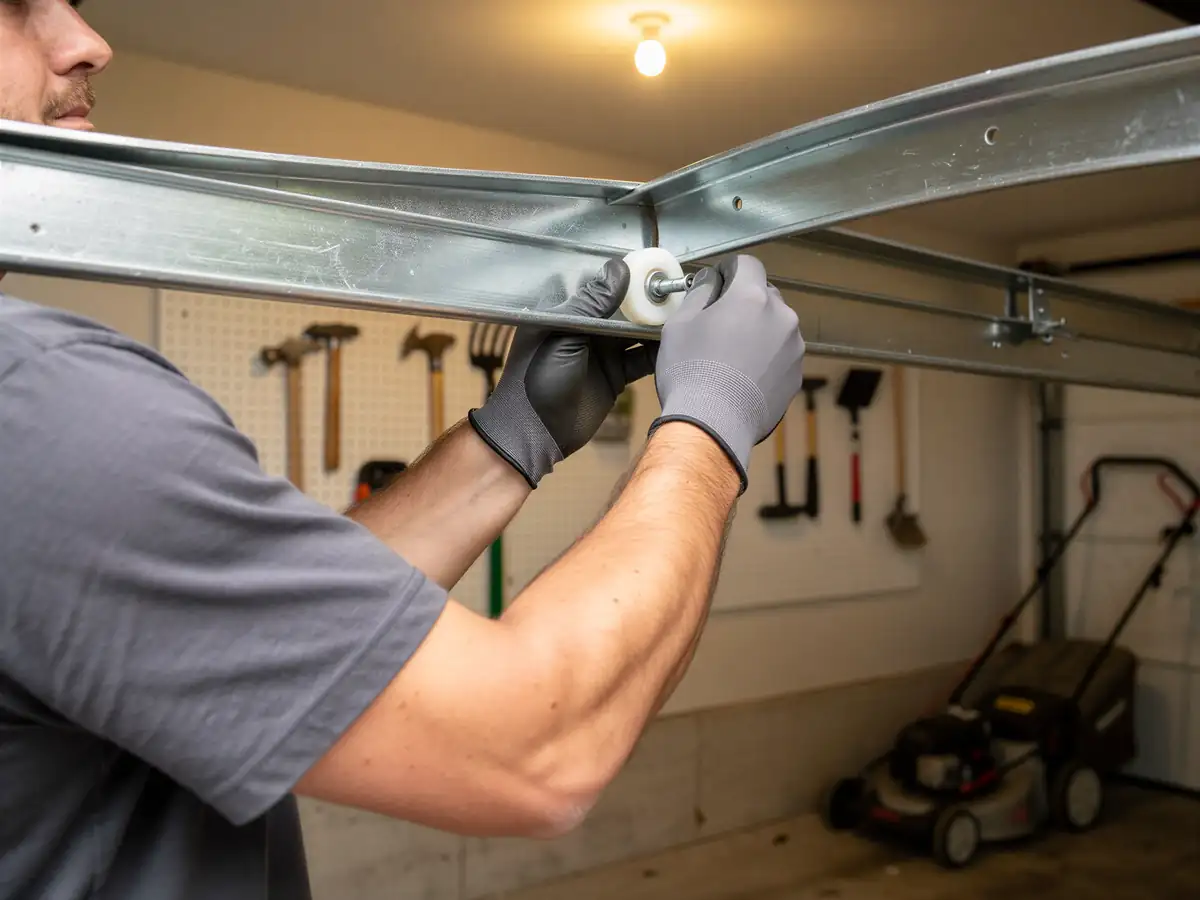
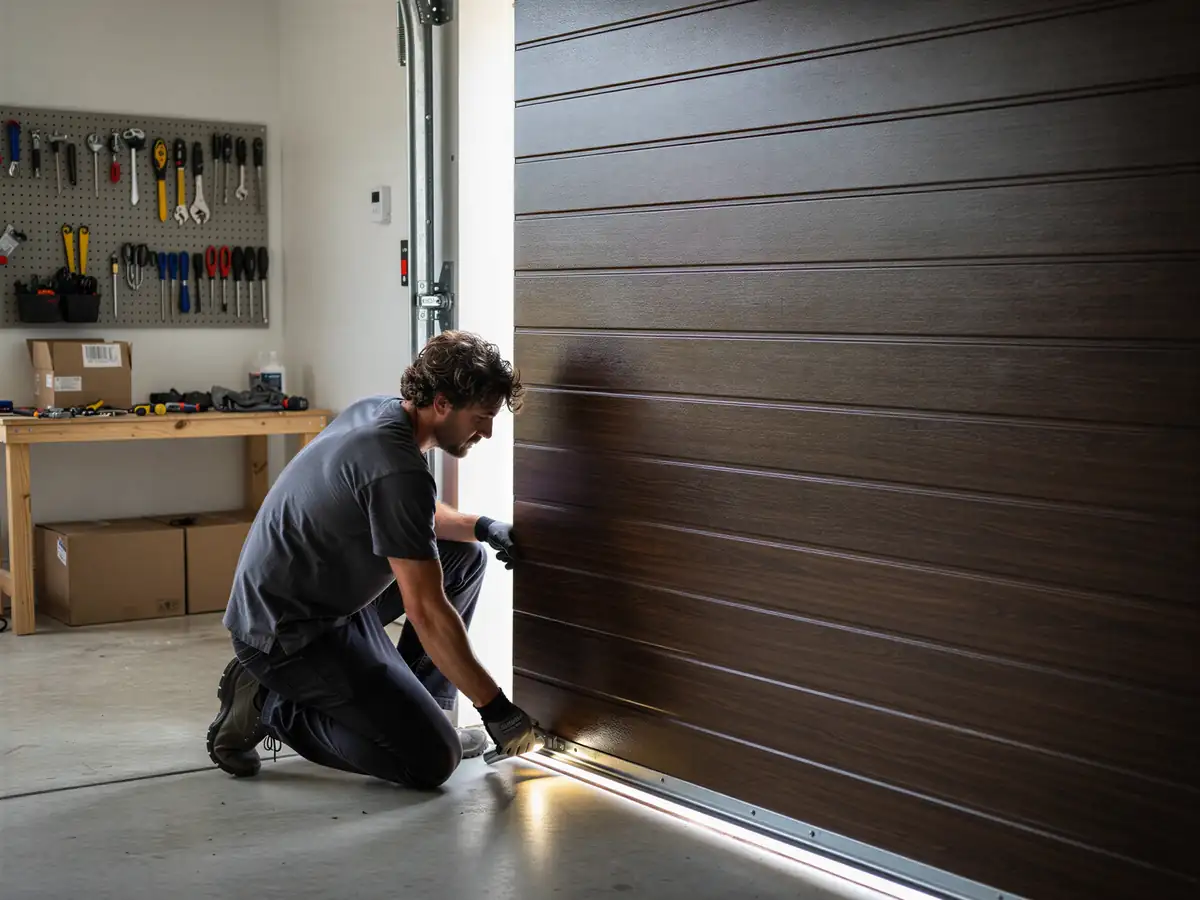
If your door groans before it moves, that's usually a spring losing tension, not a motor problem. If it opens fine but drops fast on the way down, or stutters and reverses, that's often the opener's force settings drifting out of spec - common on units this age, where the internal potentiometer or board has degraded. A door that's visibly sagging on one side, even slightly, points to a cable or roller issue rather than the spring itself.
Some owners also notice the door getting harder to lift by hand in the afternoon and easier in the early morning. That's not your imagination - it's the steel panel and the spring's steel coil both responding to daily heat swings, which is more pronounced on doors this old because the hardware has less give left in it than it did new.
What Causes It Around Here
The climate here runs in the severe-heat band, and that matters more for a 1989 door than a newer one. Lubricant on an original spring breaks down faster under repeated high heat, and galvanized coating that's been baking for three-plus decades doesn't protect the steel underneath the way it did when the house was built. Extension springs especially - common on doors from this build era - lose tension unevenly over the years, which is why one side of the door often droops before the other.
Openers from the late 1980s also weren't built with the thermal cutoffs and sealed circuitry that later models have, so repeated heat cycling shortens the life of the board and the motor. None of this is a Carefree-specific defect - it's just what happens to original hardware that's spent three-plus decades in a hot garage.
What Can Go Wrong
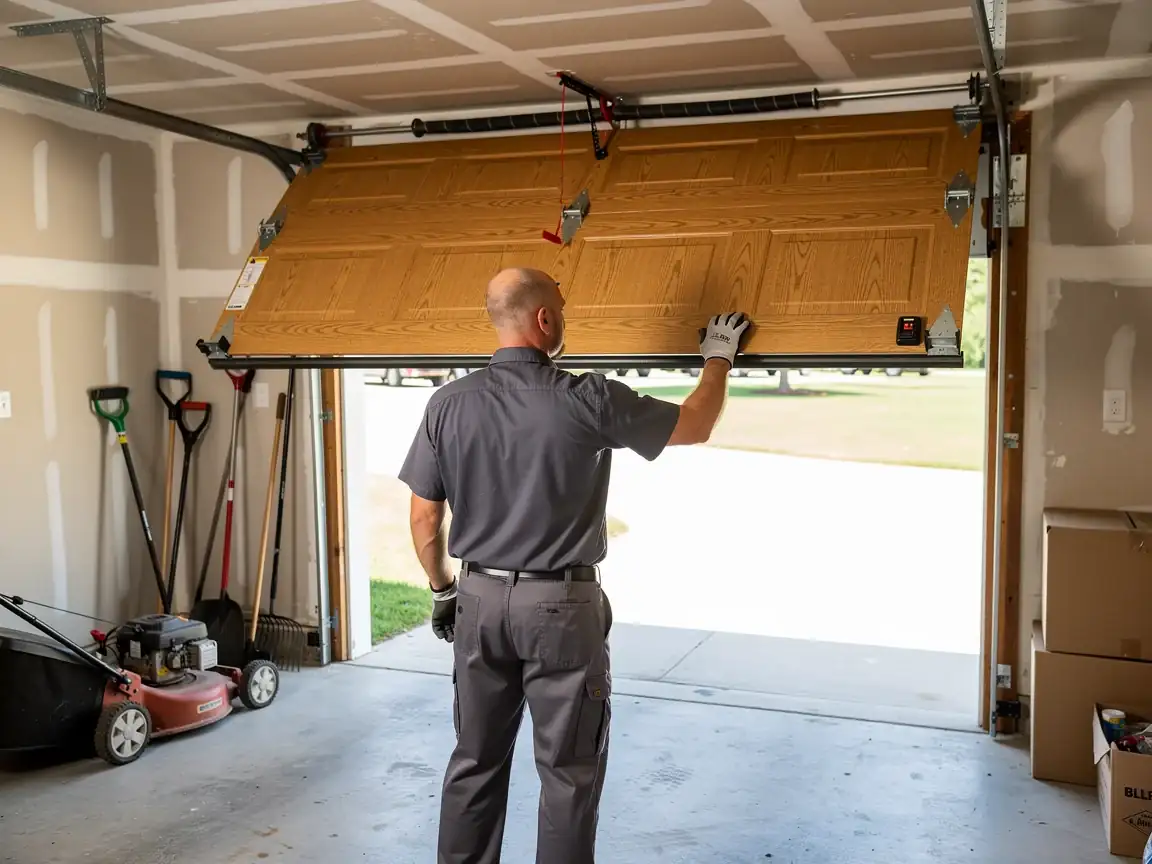
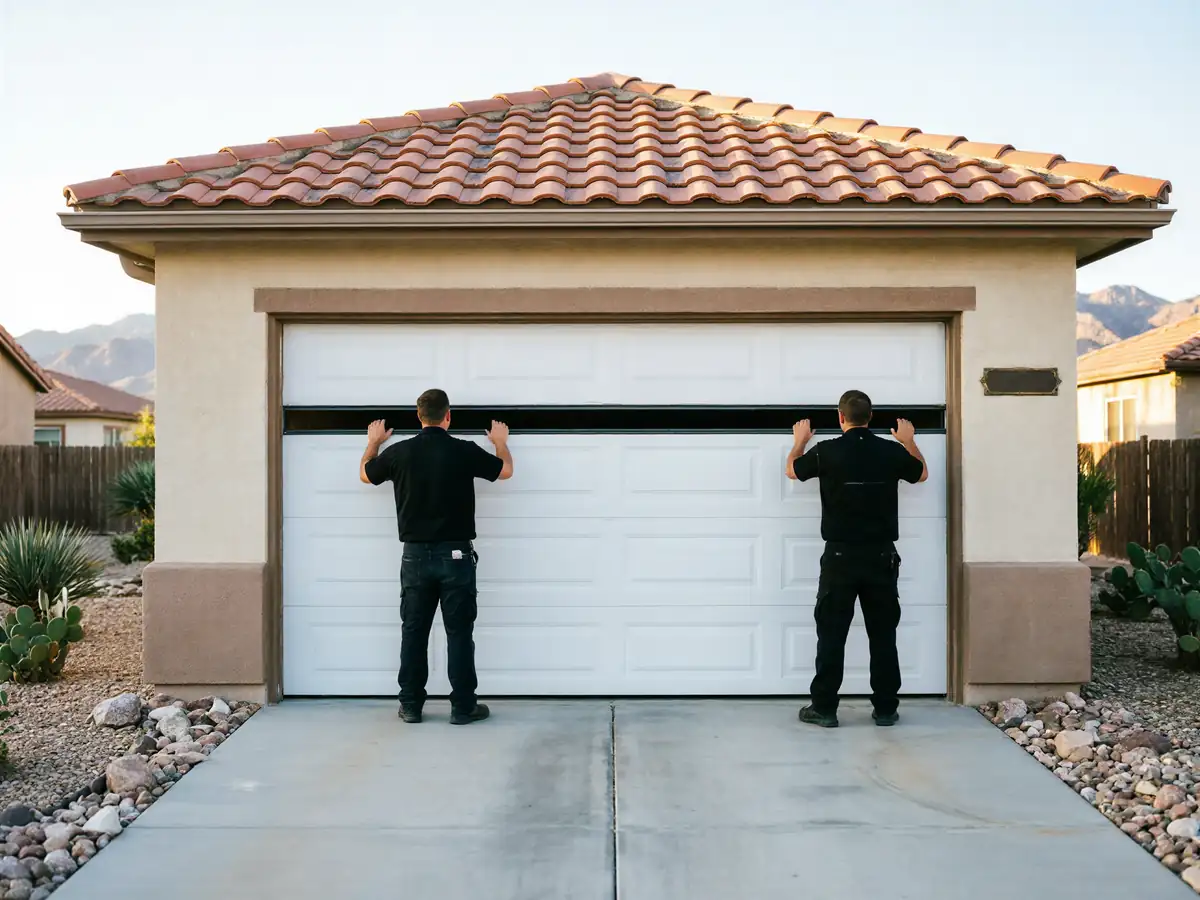
The real risk with a door this old isn't inconvenience, it's a spring letting go while the door is in motion
Or a cable snapping under load. Both are more likely on original 1989-era hardware that's never been replaced, and both can do real damage to the door panel or the track on the way down. An opener that's lost its force calibration can also keep pressing down on an obstruction instead of reversing, which is a safety issue, not just a maintenance one.
One honest limitation
If the door and opener are both original to a 1989 build, we'll usually tell you straight that patching one part is a short-term fix. Replacing a 35-year-old spring on a door with equally old rollers and cables often means you're back out here again within a year or two. At that point, replacing the door system outright costs less over time than repeated service calls for Carefree's older housing stock.