Serving Fountain Hills, AZ & nearby
(928) 403-7195
Fountain Hills, AZ

Garage Door Repair and Opener Service for Carefree Homes

Most Carefree garage doors still run on 1989-era hardware. Fountain Hills Garage Door Pros makes the 18-mile drive for springs, openers, and track calls.

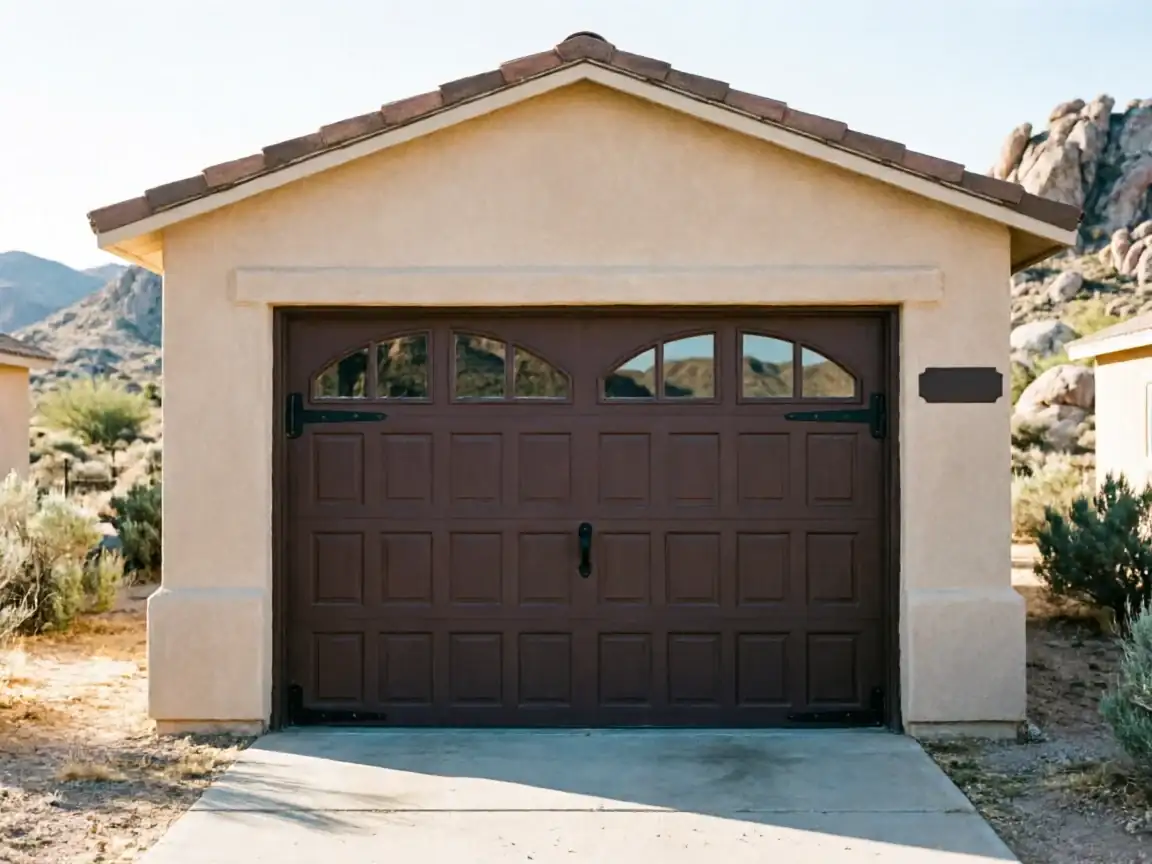
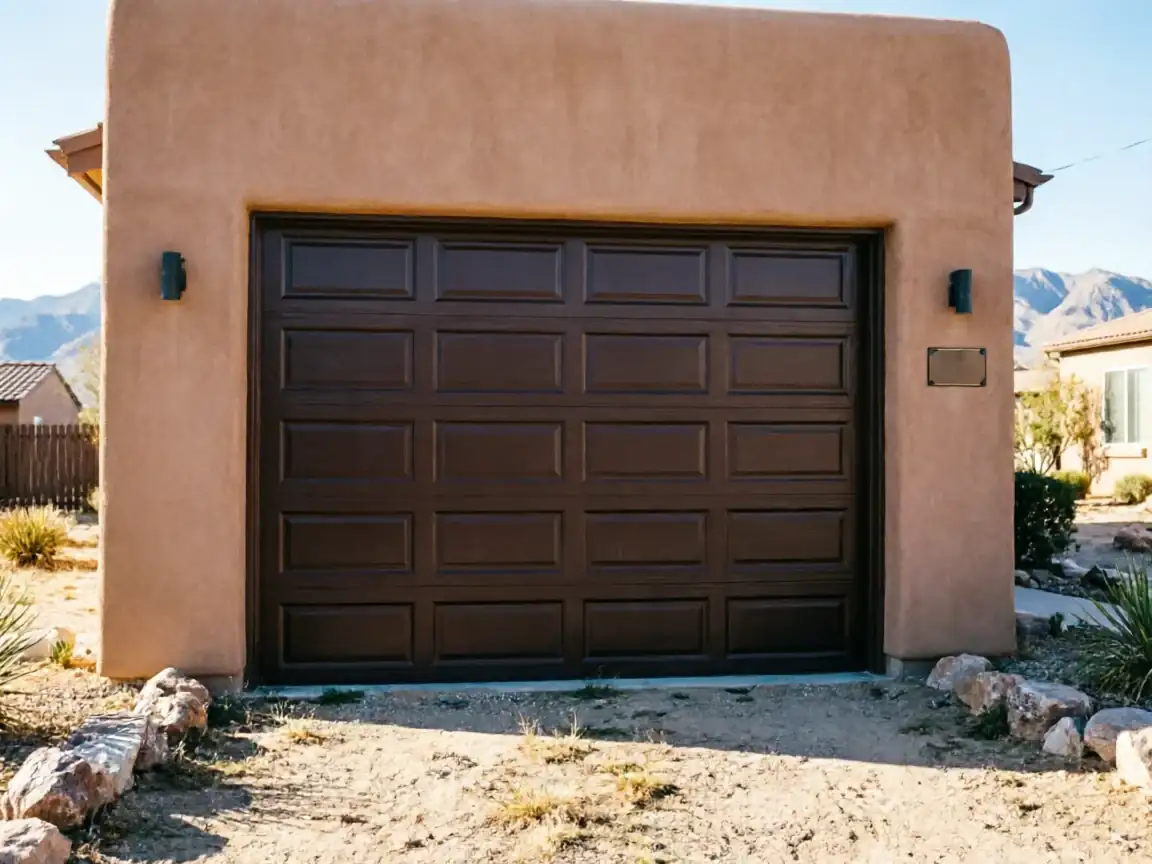
A brown paneled garage door is set into a tan stucco house.
Fountain Hills, AZ
8 services
3 service areas
Diagnosis first, then the fix

Time on the Job

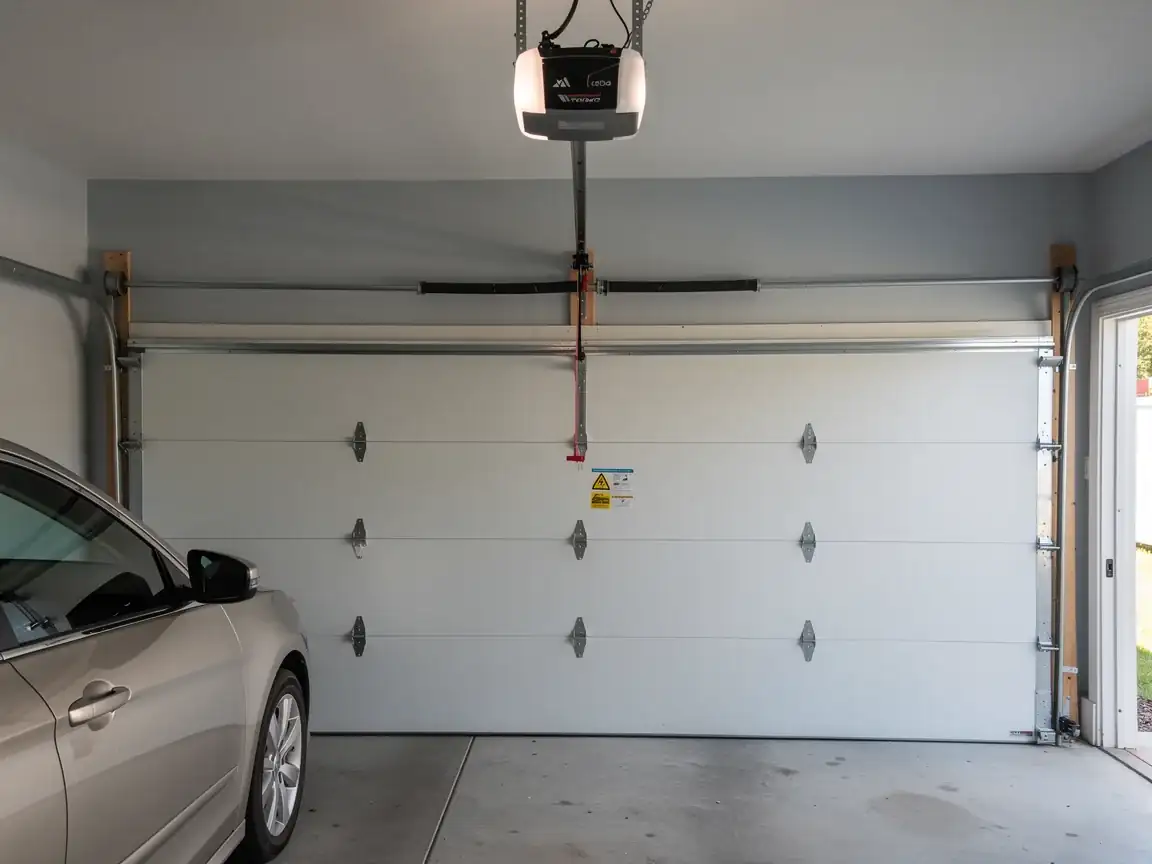
We make the 18-mile drive out from Fountain Hills to Carefree often enough to know what's waiting behind most of these doors before we open the truck. The area runs around 1,849 households, and the median build year sits at 1989. That means a lot of what's bolted to the header above the door - the torsion spring, the end bearings, the cable drums - is the same hardware that went up when the house was framed. Nobody's pulled it out unless it broke. Homes here also sit in a service area with a median household income of $141,331, which tends to mean owners replace rather than patch once a door starts costing more in calls than it's worth. We see both sides of that line in Carefree: doors that have been quietly maintained for over three decades, and doors where the original springs are still doing the job they were sized for in 1989, on borrowed time. Our trip out here isn't a dispatch from a branch in town - it's a drive from Fountain Hills, so same-day isn't always possible, but we tell you that upfront rather than promise something we can't back with a truck already in Carefree.

What You Are Seeing

On a door built around 1989, the first sign is usually sound, not failure. A grinding or popping noise when the door opens often means the original rollers have worn past round, or the torsion spring has lost enough tension that the opener is doing work it was never sized for. You might notice the door hesitating a few inches off the floor, or closing with a heavier thud than it used to - both point to spring fatigue rather than anything wrong with the opener itself. Some owners see rust bloom along the bottom bracket or track, especially where stucco and metal meet and heat cycles the moisture in and out daily. Panels from this era are usually steel, and on the older end of the 1985-1994 range you'll sometimes find garages where the opener itself - chain-drive, no battery backup, no rolling code - is original too. None of this means the door is unsafe on its own, but a door running on 35-plus-year-old torsion hardware is carrying more fatigue cycles than a newer system, and it shows up as noise and hesitation long before it shows up as a full stop.

What Causes It Around Here

Heat is the steady pressure on every one of these doors. Carefree sits in a climate zone the federal data flags as severe heat, and that matters more for a 1989 door than a newer one because the grease packed into original bearings and spring coils has had three and a half decades of daily thermal cycling to thin out and migrate. Steel expands and contracts every day the sun hits that header, and a spring that's already near the end of its rated cycle count fatigues faster under that stress than it would in a milder climate. The 1980s-90s housing stock common across this part of the service area also used lighter-gauge track and rollers than what's installed today, so there's less margin before heat-driven wear turns into binding or misalignment. UV exposure dries out weatherstripping and any factory-applied coating on steel panels, which is part of why older doors here often show surface rust before they show structural trouble. None of this is unique to one house - it's a function of age meeting climate, and it's consistent enough across the area that we expect it before we even open the panel.
What Can Go Wrong

The failure we take most seriously on a door this age is a torsion spring letting go under tension - it's loud, it's sudden, and it can happen while someone's standing under the door. Fraying cables are the other one we watch for, since a cable that's been flexing over the same drum since 1989 doesn't always show wear until it's close to snapping. Openers from that era without modern safety reversal can also fail quietly, closing on an obstruction instead of stopping. Here's the honest limit: once a door's spring, cables, rollers, and opener are all original and all near end of life at once, repair starts costing close to what replacement runs, and parts for some 1980s-90s opener models are getting hard to source at all. In that case we'll tell you replacement is the better call rather than stack new parts onto an old frame. For everything short of that - a single spring, a bad roller, a sensor out of alignment - repair is usually the right move and the faster one.

How it works

From “it’s stuck” to “it’s fixed”

  1. 1
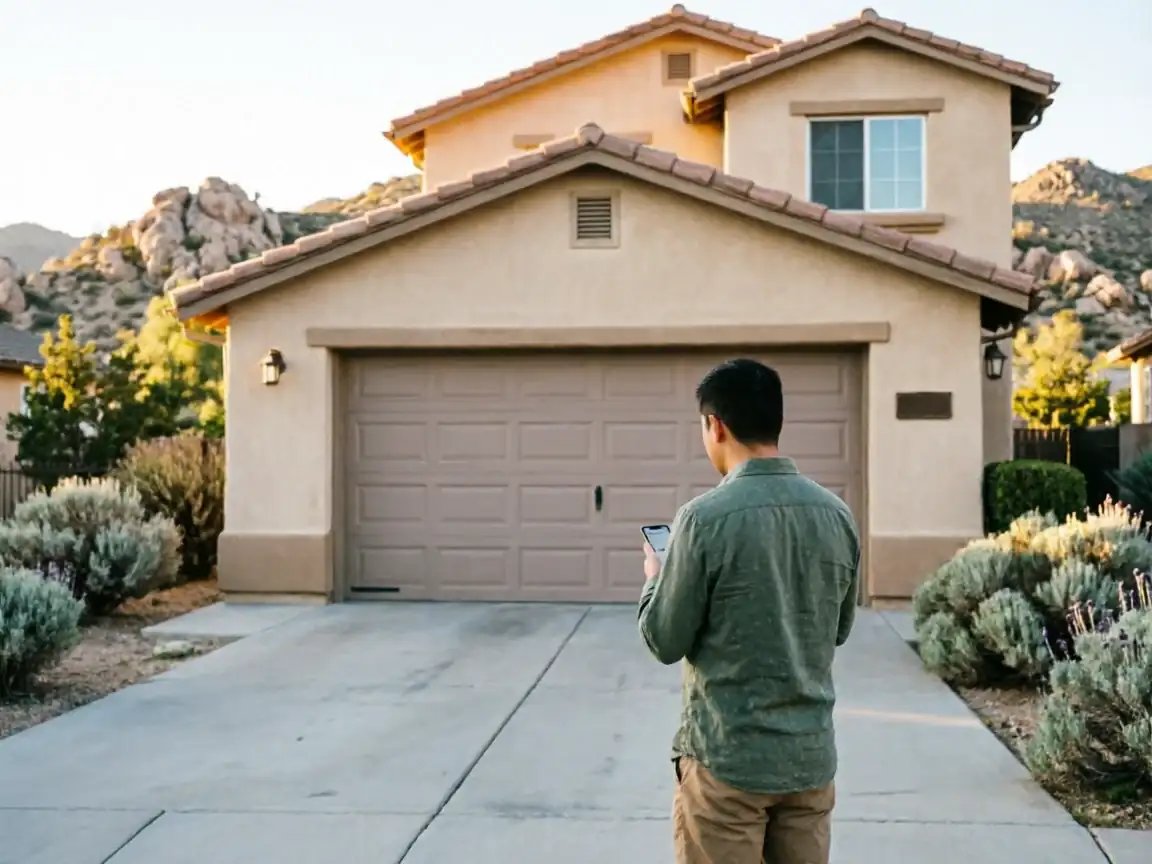
    A man stands in a driveway, looking at his phone in front of a house.

    Tell us what’s wrong

    Describe the symptom - won’t open, loud bang, opener runs but the door won’t move.

  2. 2
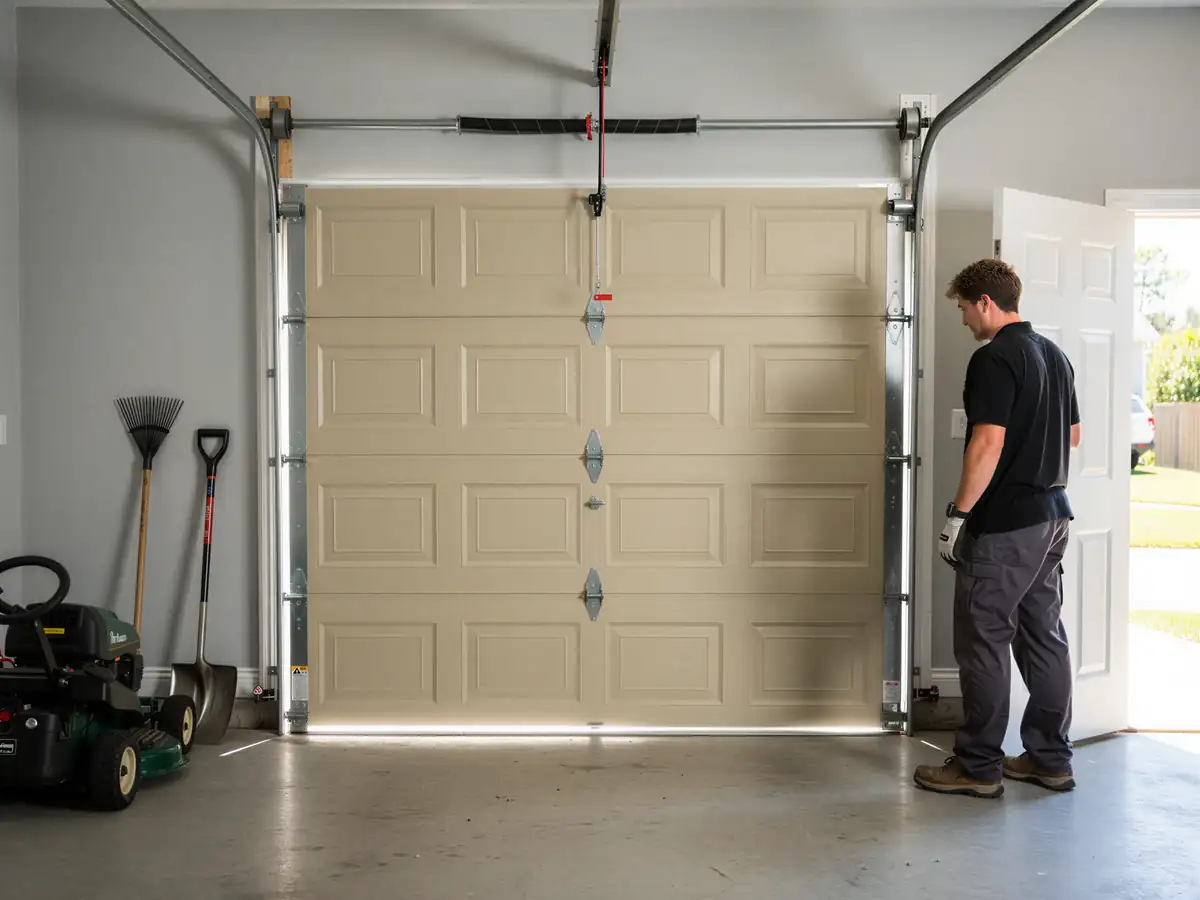
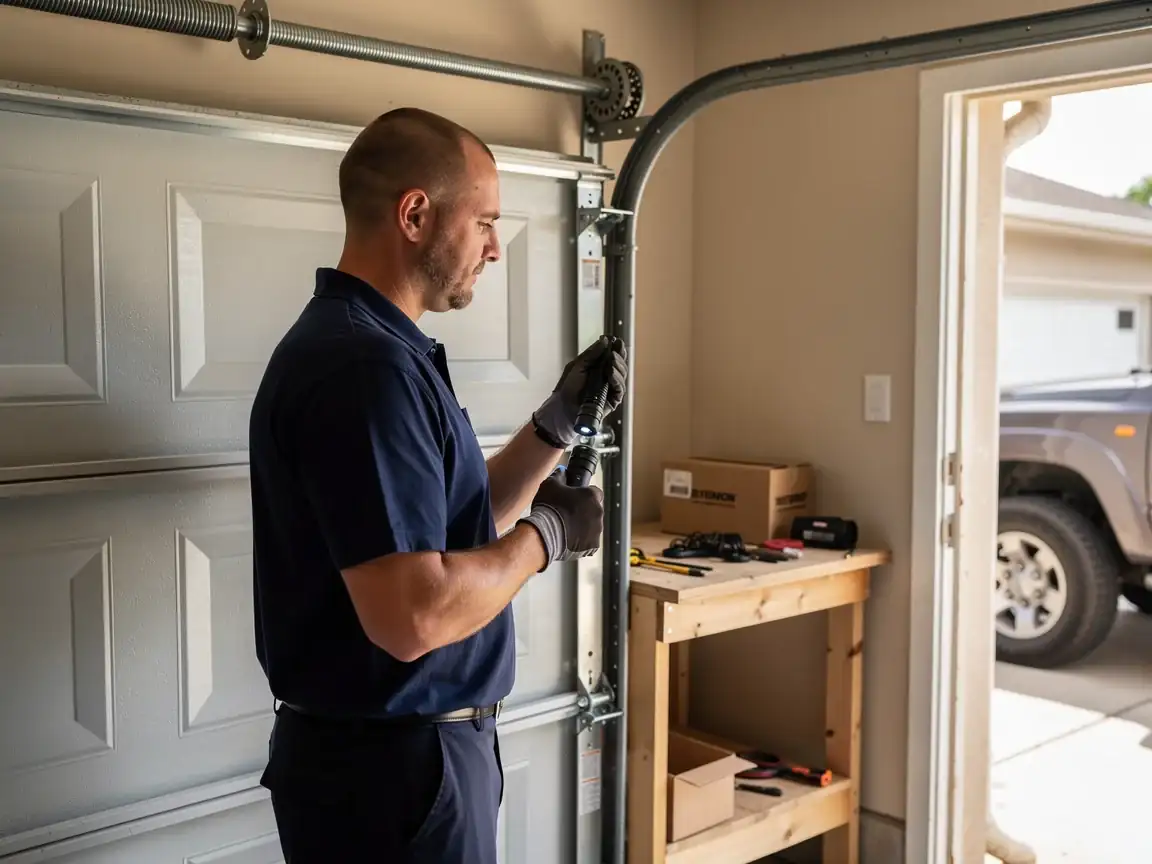
    A technician in gloves holds a flashlight next to a white garage door.

    On-site diagnosis

    A technician tests the door under power and by hand and finds what actually failed.

  3. 3
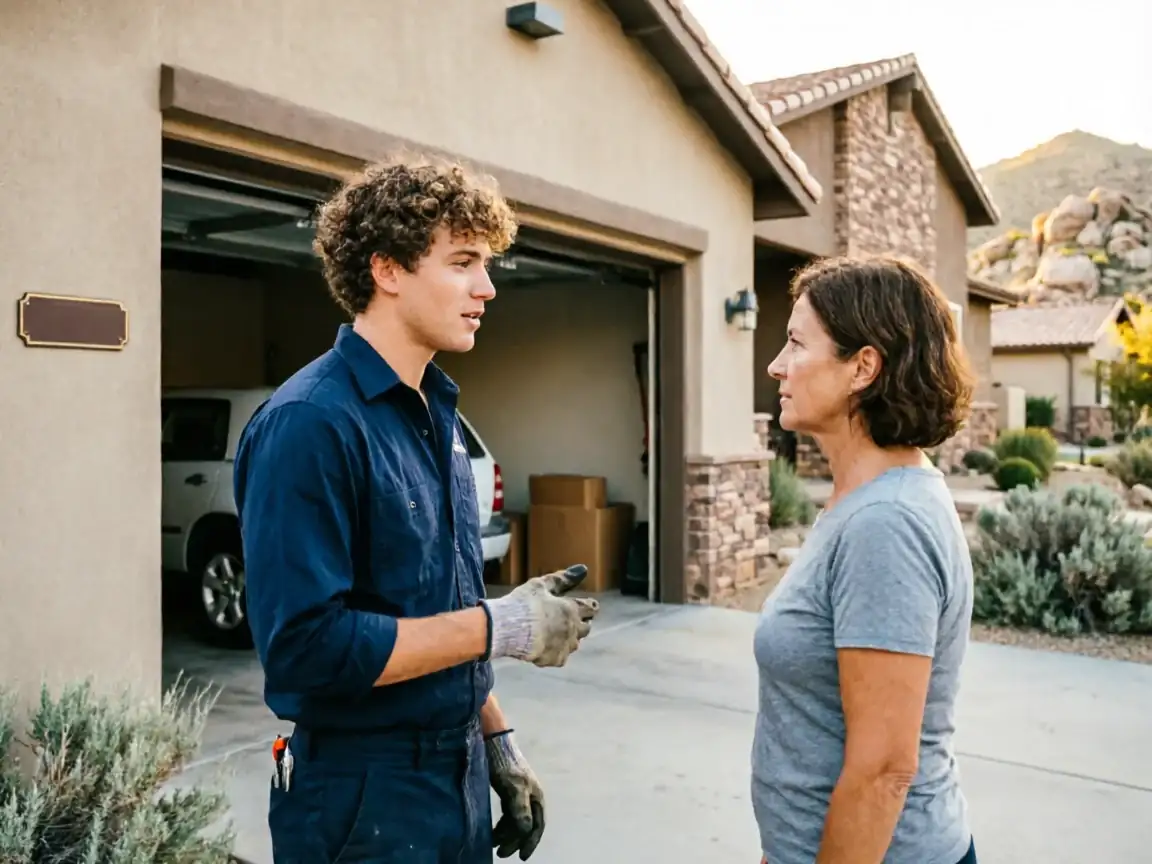
    A technician in a blue uniform talks to a woman in a gray shirt outside a house.

    Clear, up-front plan

    You get the fix that’s needed and what drives the cost - before any work starts.

  4. 4
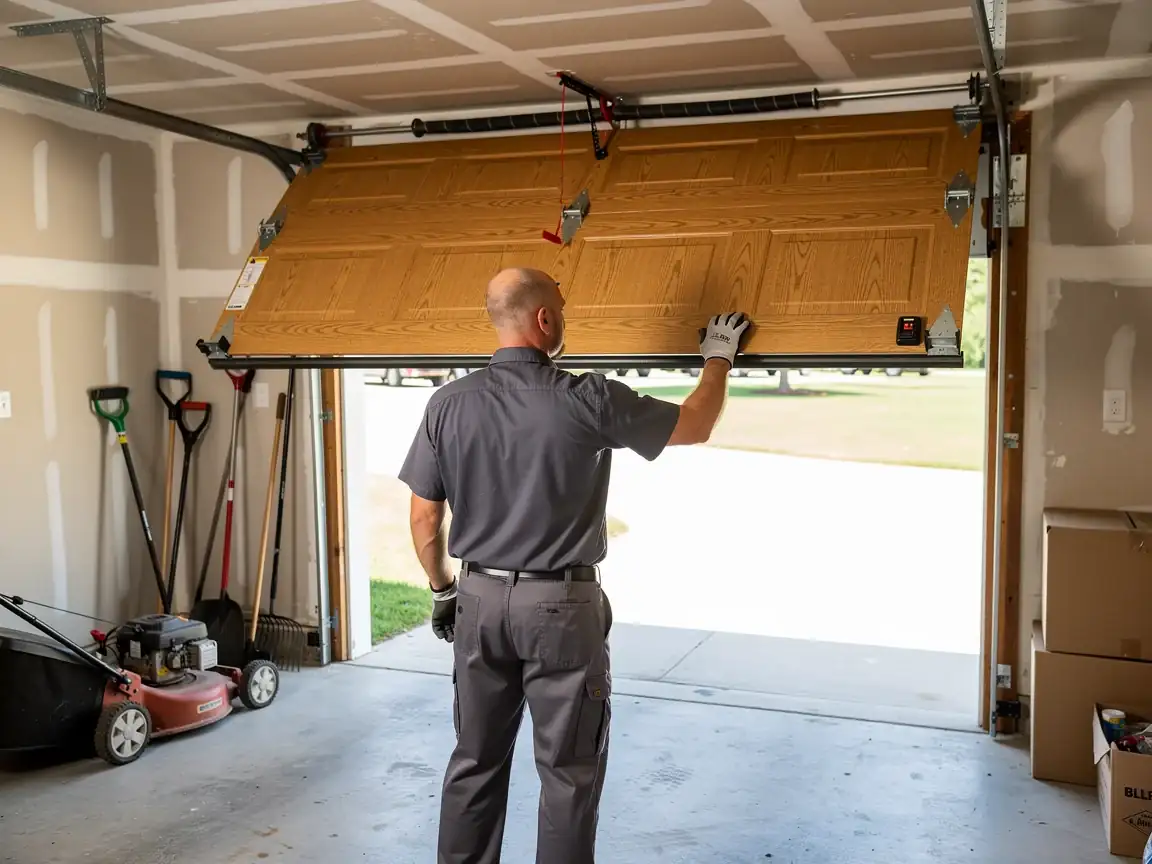
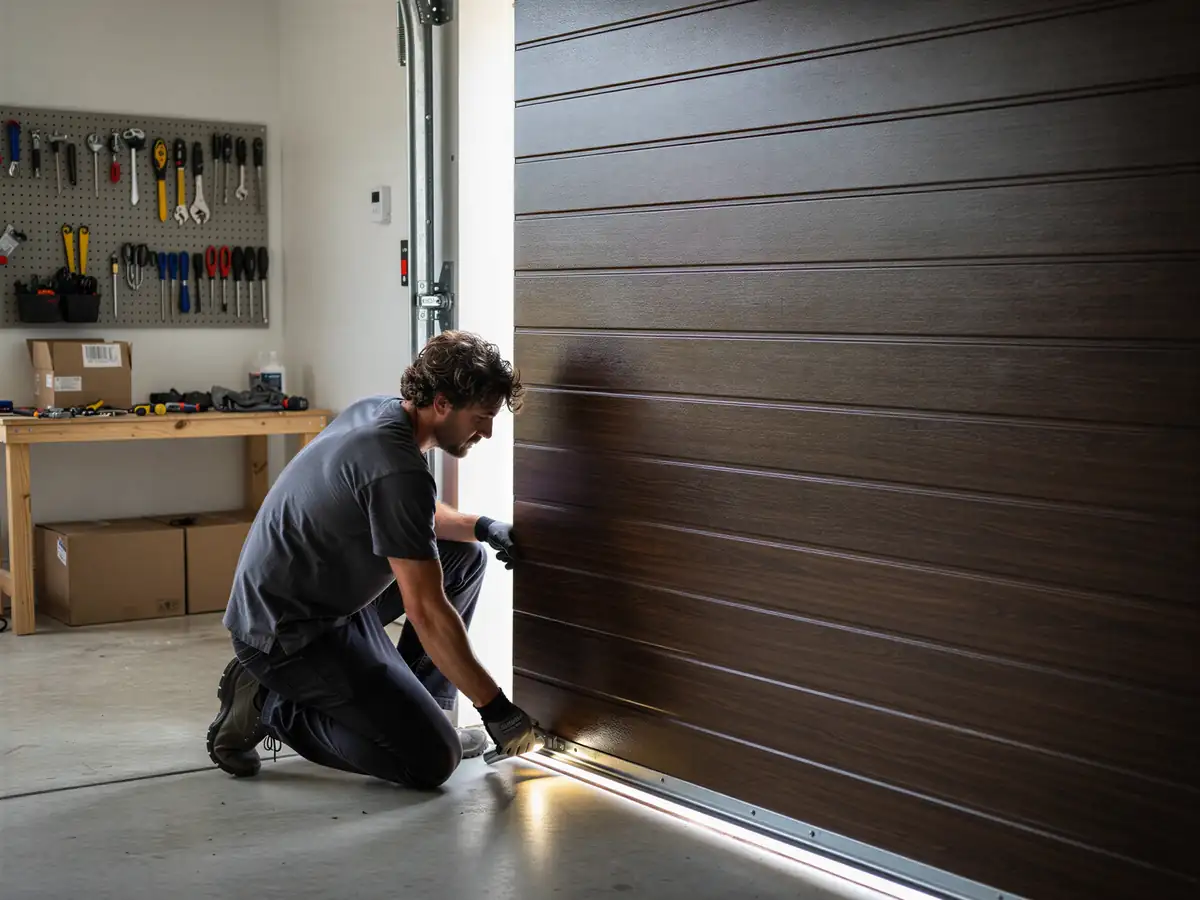
    A technician in a gray uniform is adjusting a brown garage door.

    Repaired & tested

    The repair is done, the door is set true and tested, and the work area left clean.

Not sure which repair your door needs in Fountain Hills, AZ? Describe what it’s doing - every job starts with a diagnosis.

How we work

What to expect

Diagnosis firstEvery visit starts by finding what actually failed - not a pre-written parts list.
The right part for the doorSprings and openers matched to the door’s weight and age, so the fix holds up.
Straight answersWhen a repair makes more sense than a replacement - or the reverse - you hear it plainly.
Clean, careful workTension released safely, hardware set true, the door tested under power before we leave.
23,899Residents in Fountain Hills
8Garage door services
3Neighborhoods & suburbs
AZServing Fountain Hills, AZ
Questions

Frequently asked

Straight answers about garage door repair in Fountain Hills. Still unsure? Ask us directly.

Is it normal for a garage door this old to still be on its original spring?

Yes, especially on houses built around 1989 in this area. If the spring was sized correctly to begin with and the door hasn't seen heavy daily use, a torsion spring can last decades. Once it starts sagging or you hear popping on lift, that's the spring telling you it's near the end of its cycle count, not an emergency yet, but worth a call.

Does the heat in Carefree actually wear out garage door parts faster?

It contributes. This area sits in a federally flagged severe heat zone, and daily thermal cycling thins the grease in bearings and spring coils faster than it would in a milder climate. On a door already running original 1989-era hardware, that heat exposure shows up as noise and stiffness sooner than it would on a newer system.

How fast can you get out to Carefree for a broken spring?

We cover Carefree from Fountain Hills, about 18 miles out, so we're not dispatching from a local branch. We'll give you a real window when you call rather than promise a same-day slot we can't guarantee - a snapped spring is unsafe to operate on, so we prioritize those calls.

Ready to get your garage door sorted?

Tell us what it’s doing and where you are in Fountain Hills - we’ll take it from there.

Request a QuoteCall