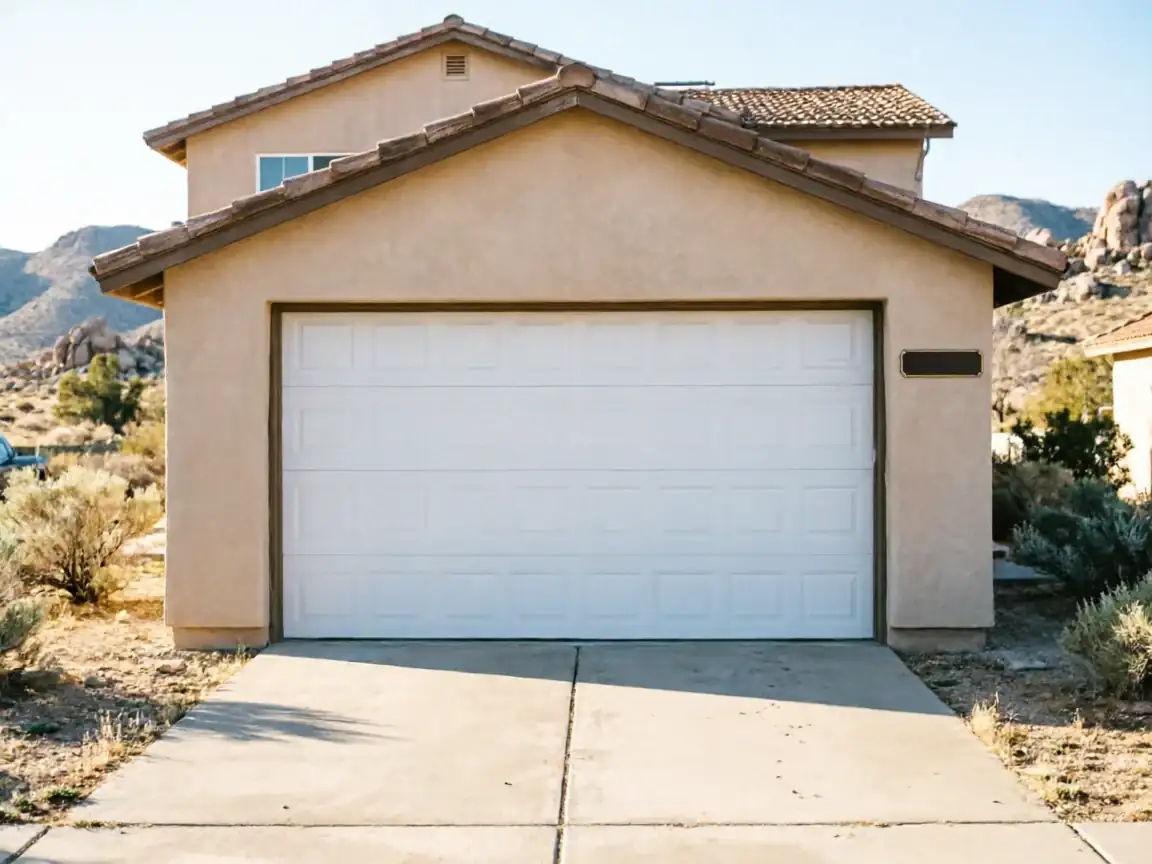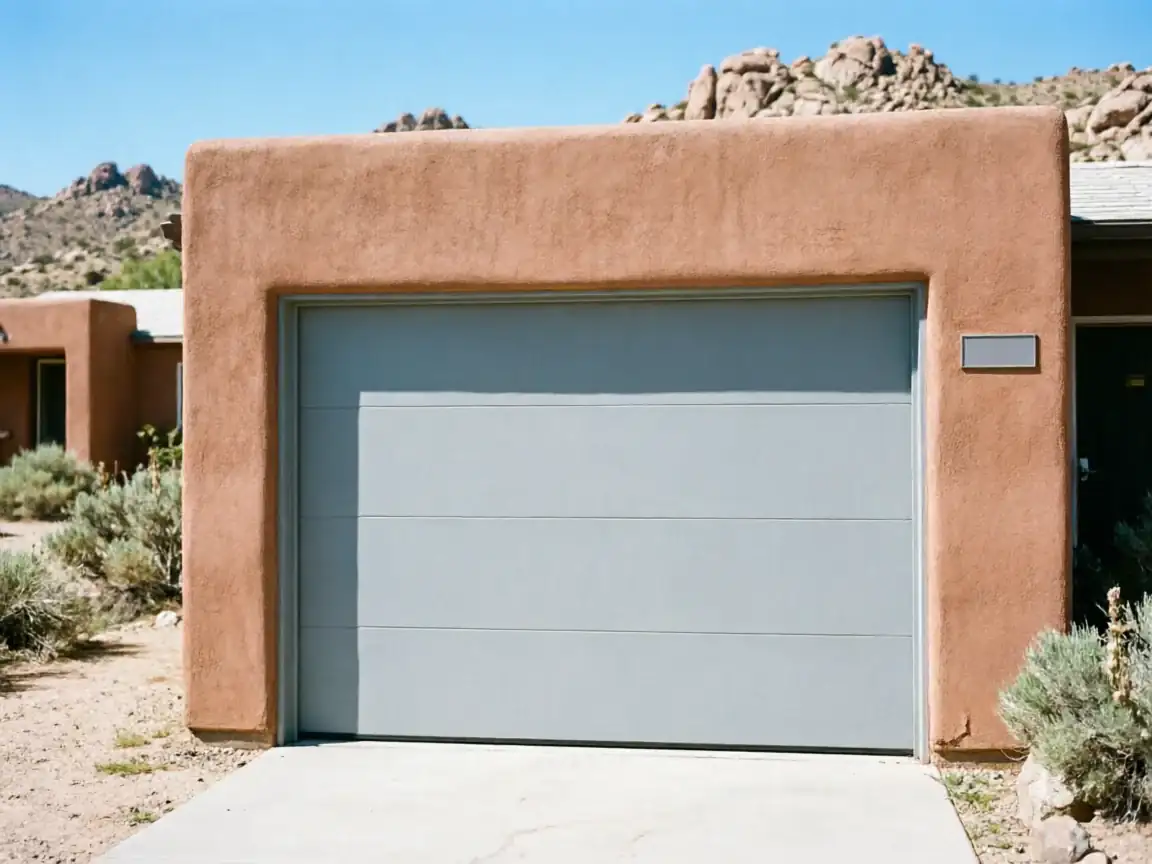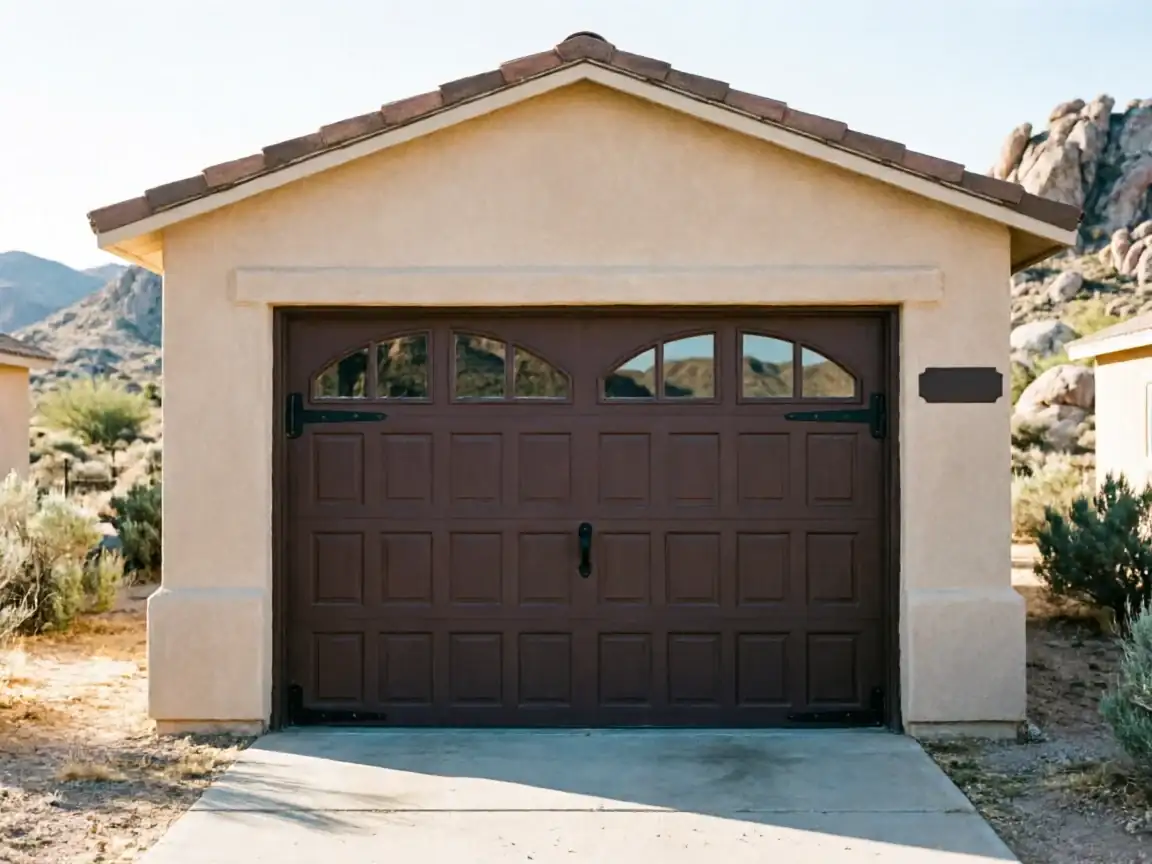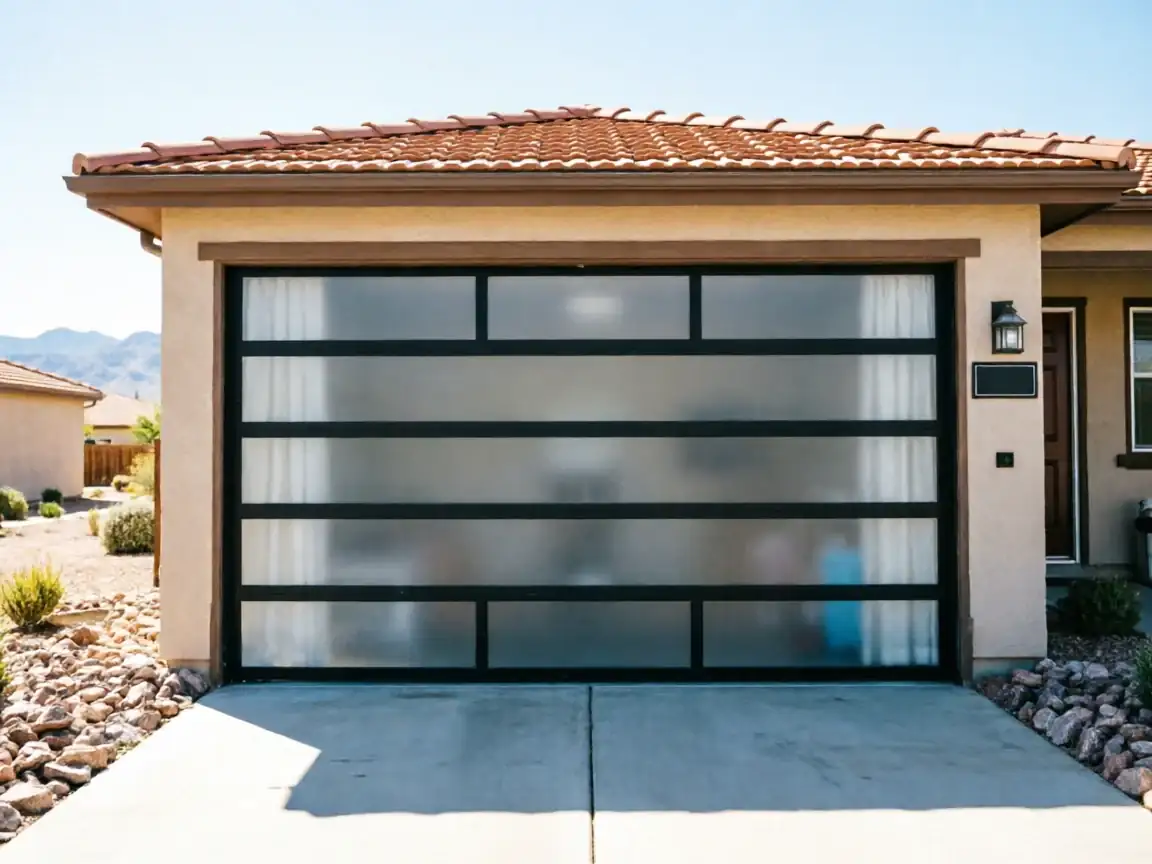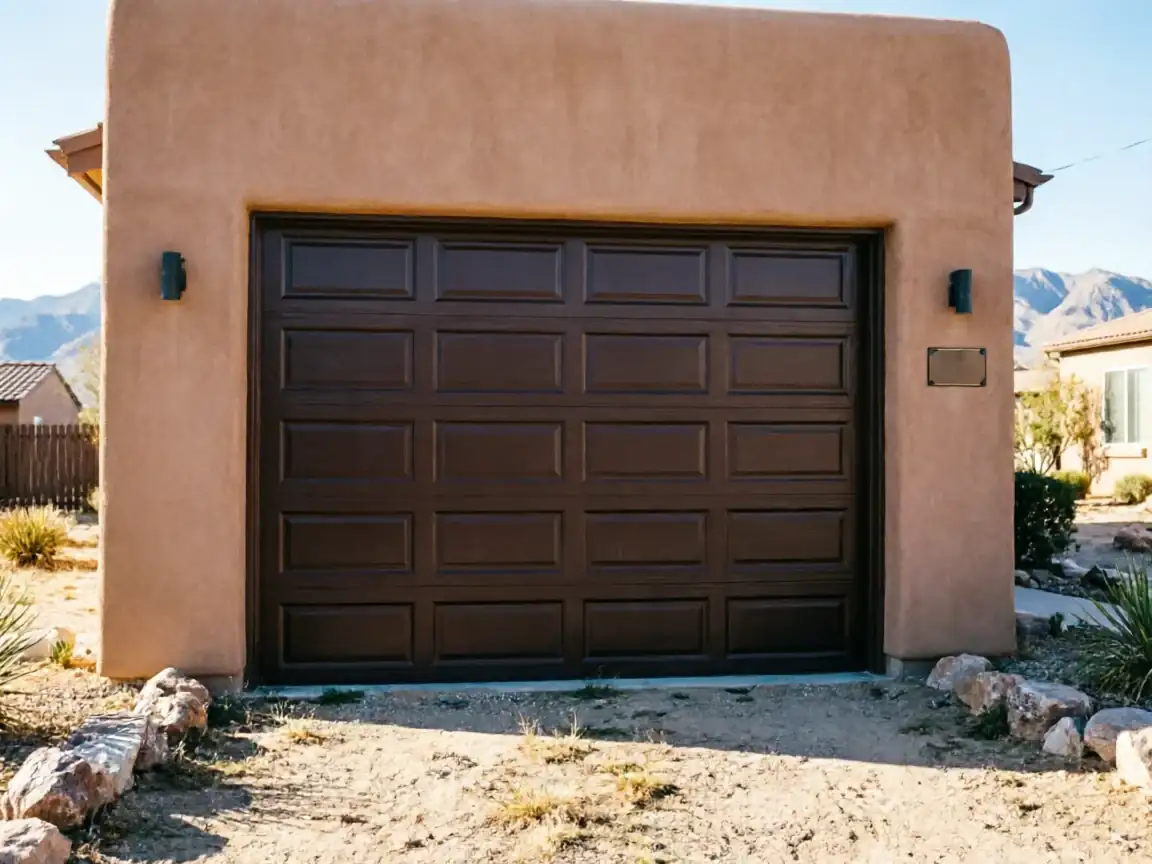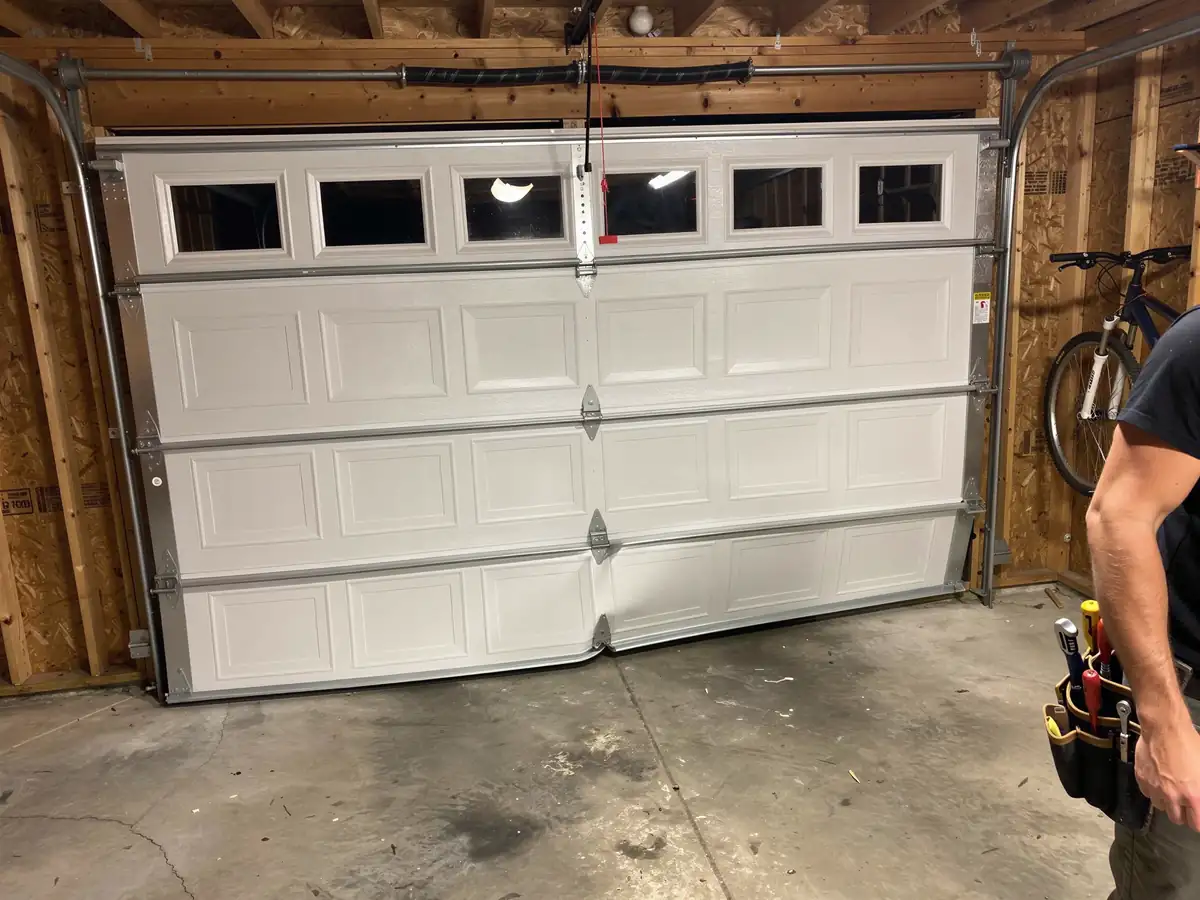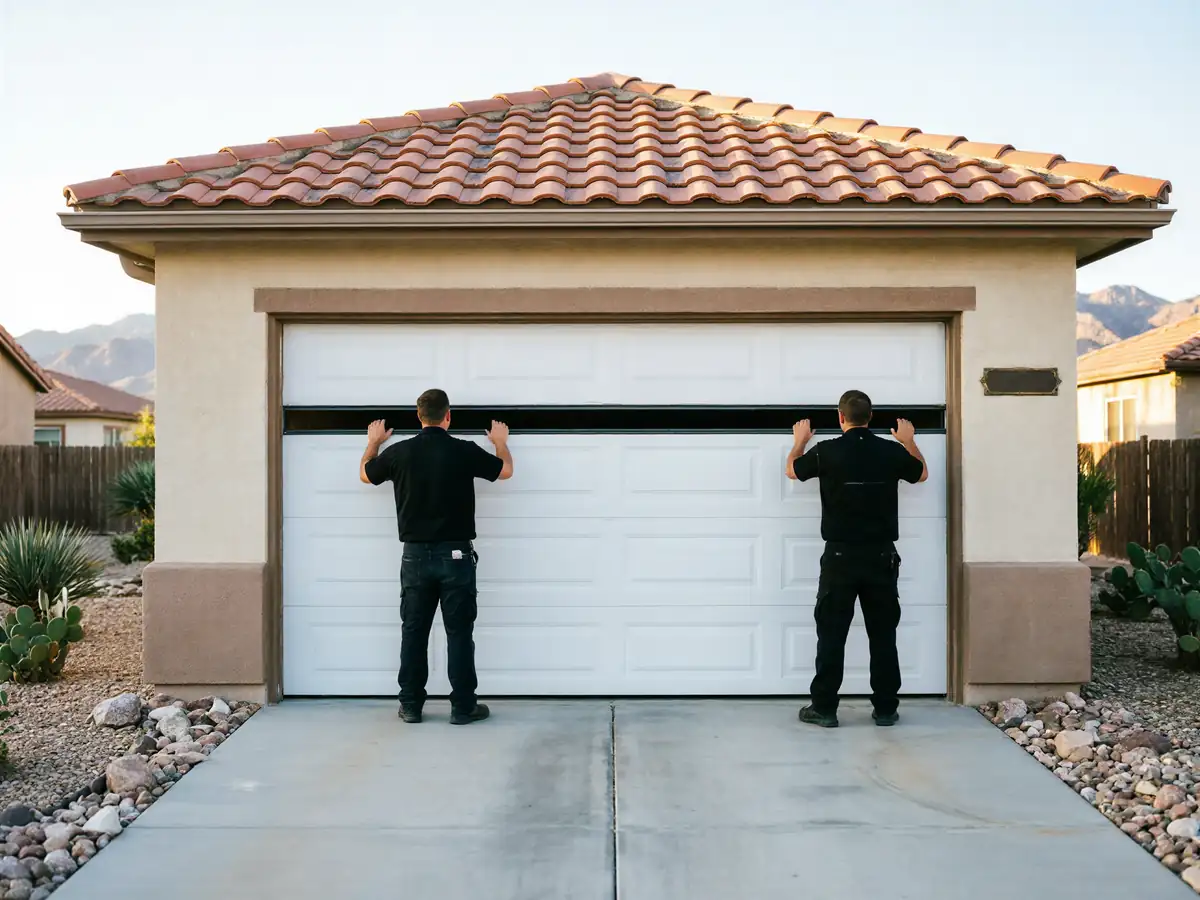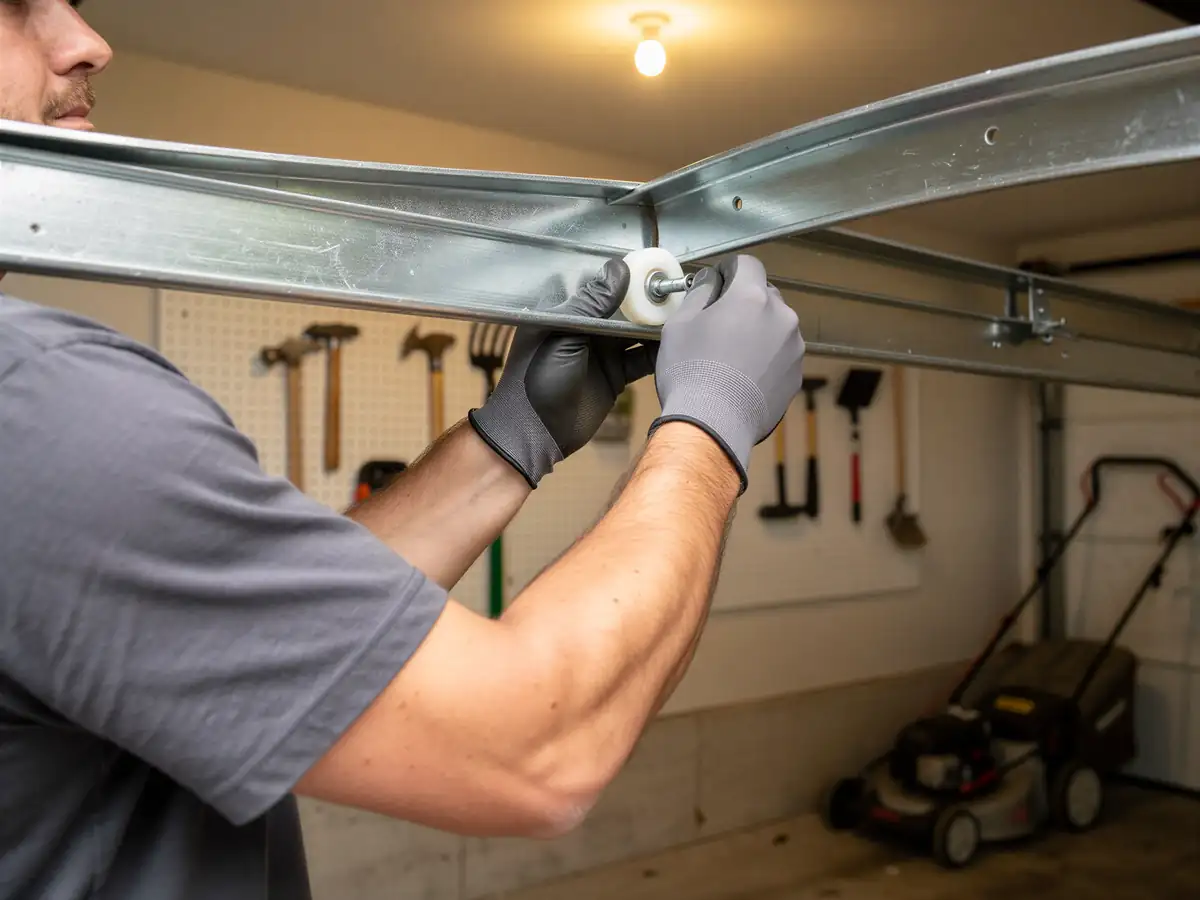
What You Are Seeing
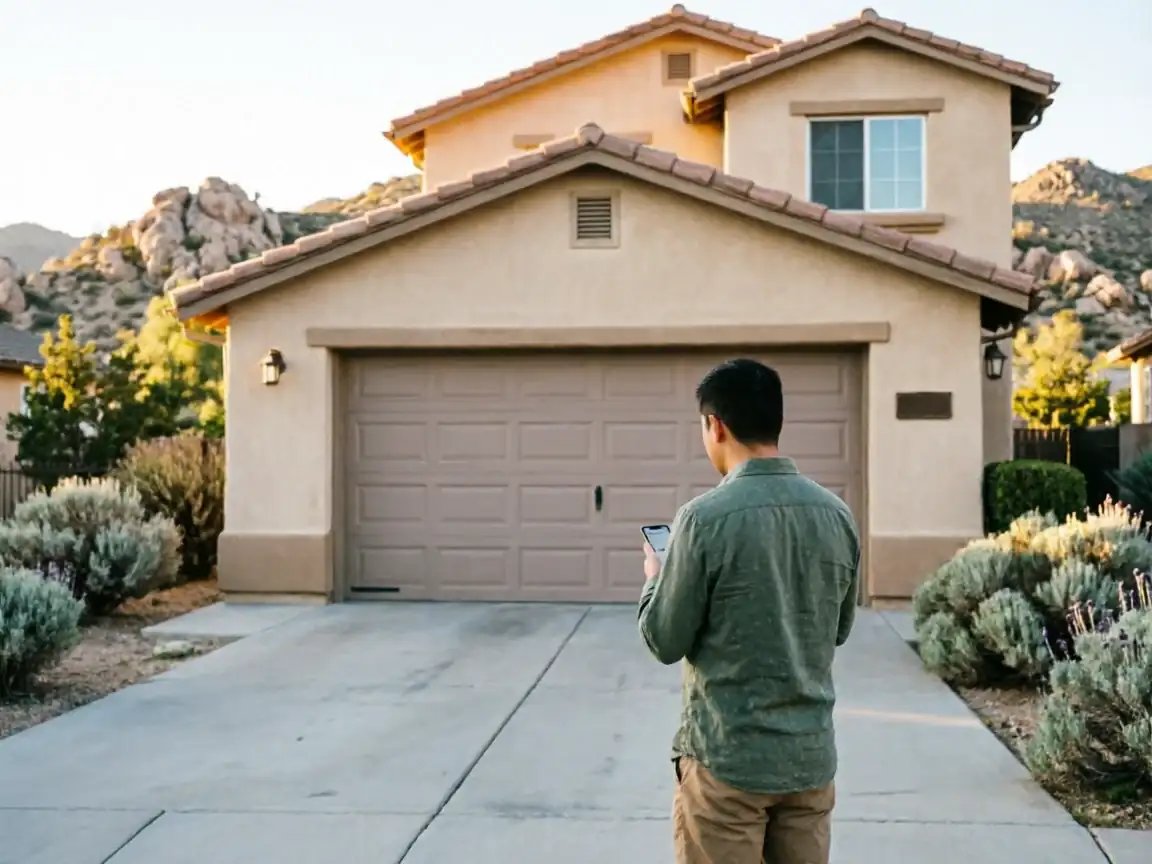
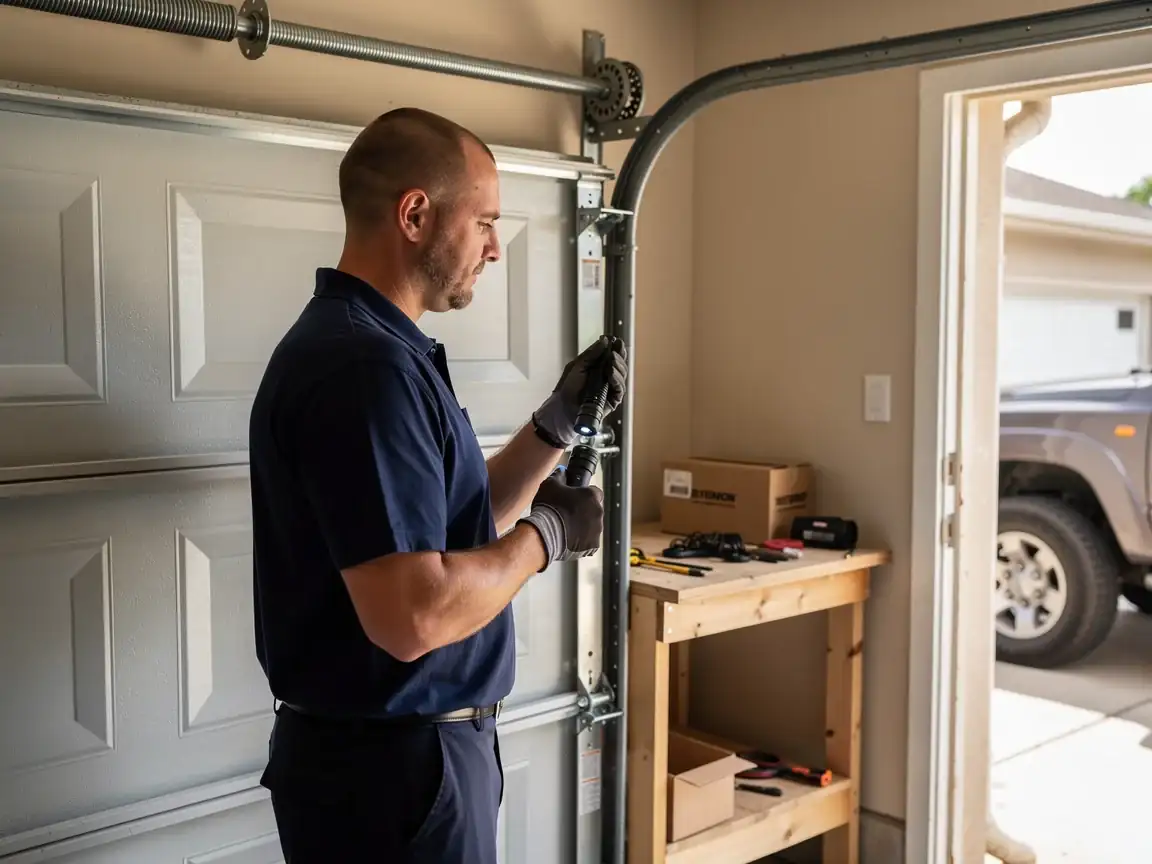
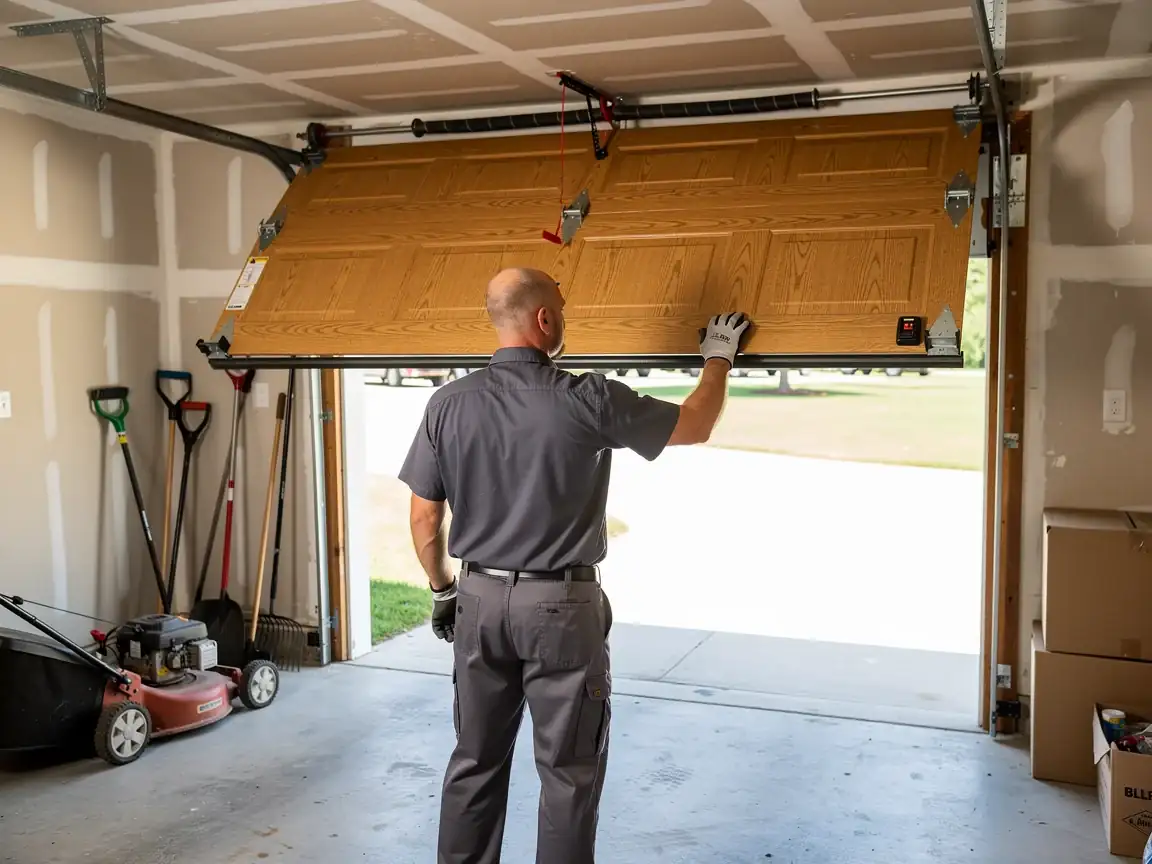
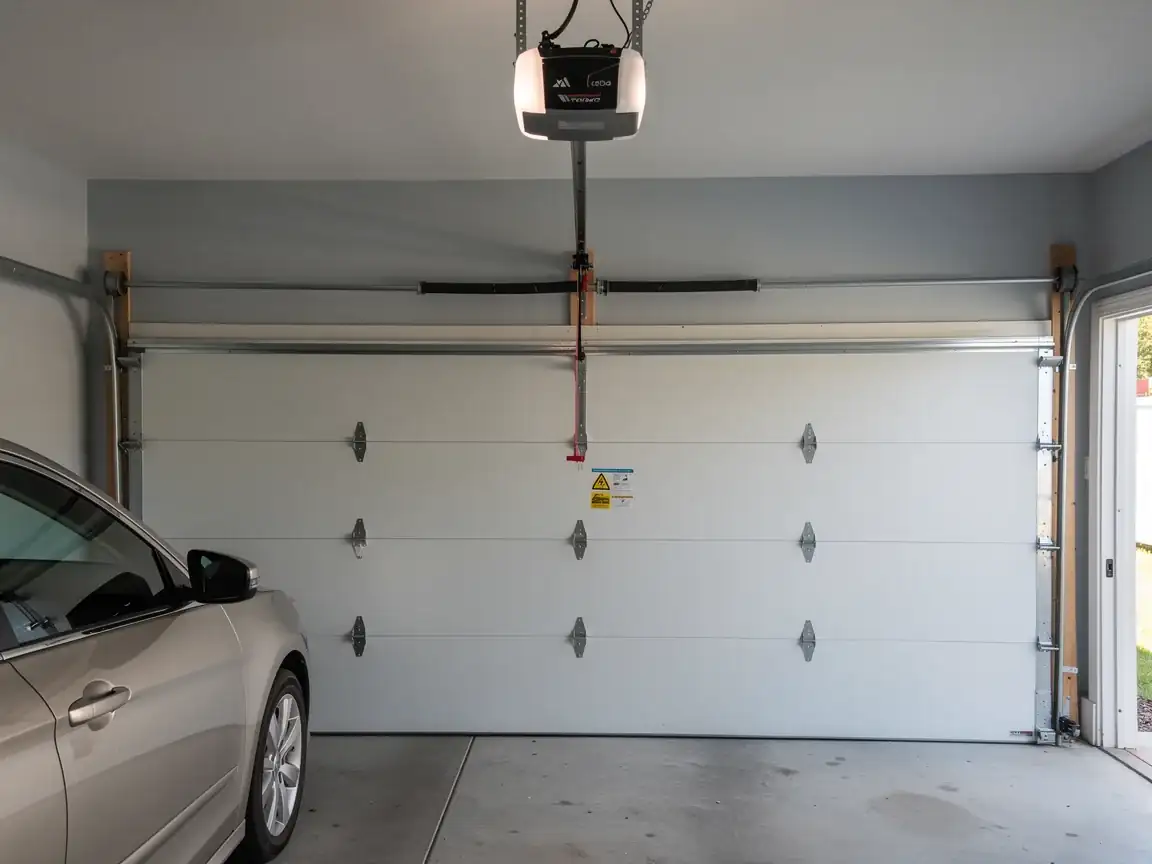
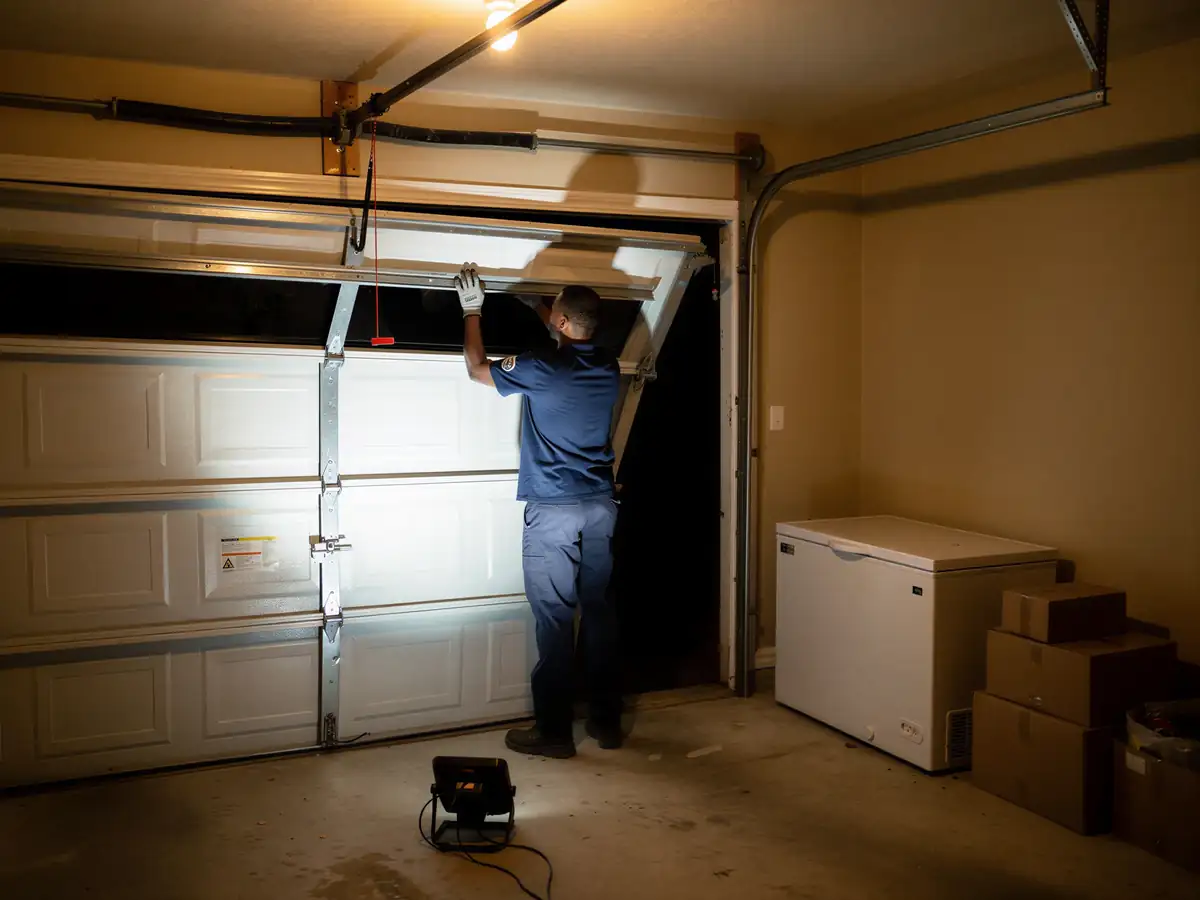
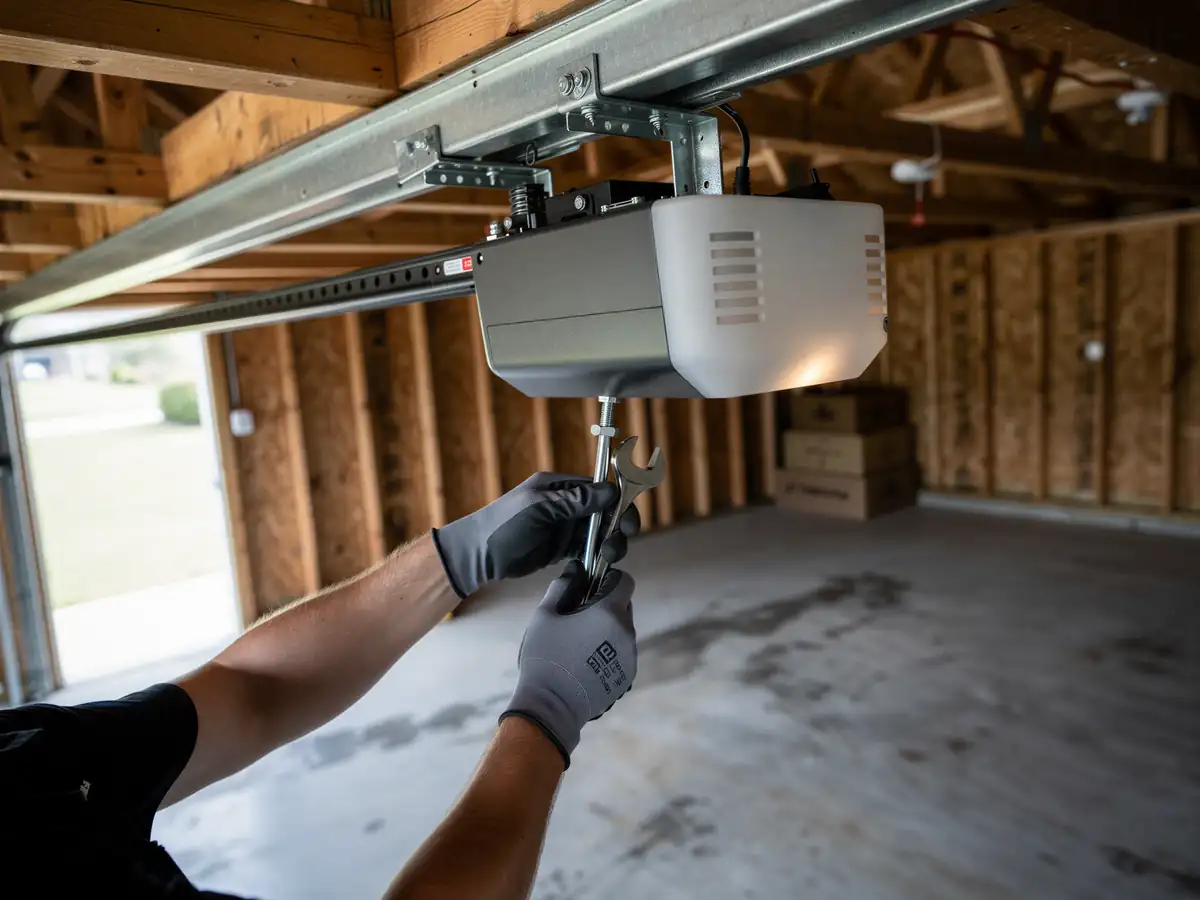
Most houses in this area went up between 1985 and 1994, with a lot of them landing right around 1989. That generation of garage came with openers built for the chain-drive, light-duty standards of the era - lower lift power, simpler logic boards, and safety sensors that were often added later rather than built in from the start. If your opener is original to the house, it's pushing 35 years old, which is well past the working life of any residential unit regardless of brand. You'll usually see it as slow response, a motor that runs louder than it used to, or a door that reverses for no clear reason. None of that means the door itself is bad - it often means the opener is simply at the end of its run and the door is fine once a modern unit is driving it.
What Causes It Around Here
The heat is the big factor. This area sits in a severe heat climate band, and a garage that faces full sun for most of the day runs hotter than the house around it. Older opener motors and capacitors weren't built with that kind of sustained heat load in mind, and that's a real factor in why units from the 1989-era building stock tend to fail at the motor or the logic board rather than the mechanical gearing. Belt and chain assemblies also stretch and dry out faster under repeated heat cycling, which is part of why a 30-plus-year-old opener in this area is usually further along in wear than the same-age unit somewhere with milder summers. None of this is unique to one house - it's a function of the climate this whole area sits in.