Time on the Job
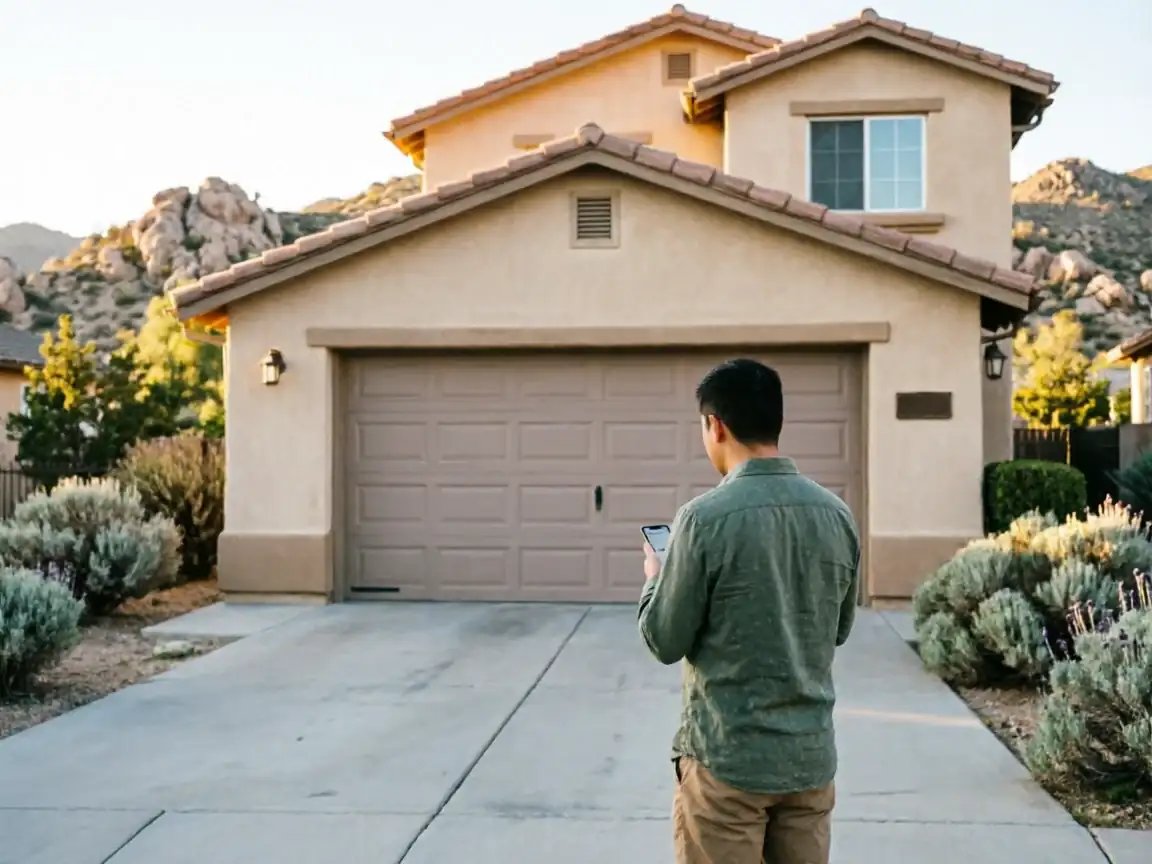
Carefree sits about 18 miles from our shop in Fountain Hills
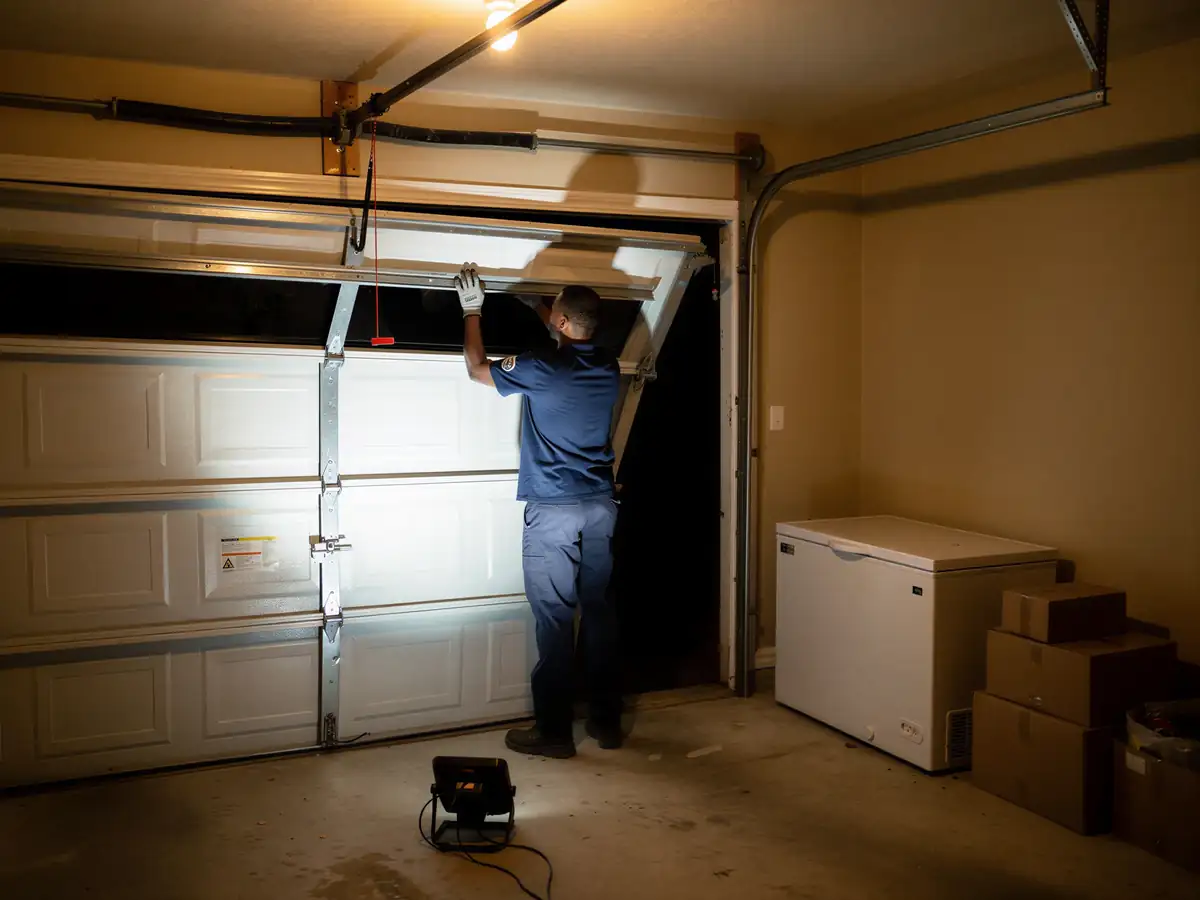
Which is farther than most of the stops on our route. That distance matters for how we handle an off-track call out here: we don't send a truck on a guess. When you call, we ask what the door is doing - whether it's hanging crooked on one side, whether it stopped mid-travel, whether a roller has actually jumped the track - because that tells us what to load before we make the drive. A quick visual over the phone, even a photo, saves a second trip for a part we didn't bring the first time.
- 18 miles
We're not going to promise a same-hour window from 18 miles out
And we won't pretend the drive doesn't factor into scheduling. What we can do is get the diagnosis right the first time so one trip covers it. For a door that's already off the track, driving back and forth while it sits unsupported isn't just slow, it's a hazard - a panel that's half off its roller can drop further the next time someone touches the opener.
- 18 miles
What You Are Seeing
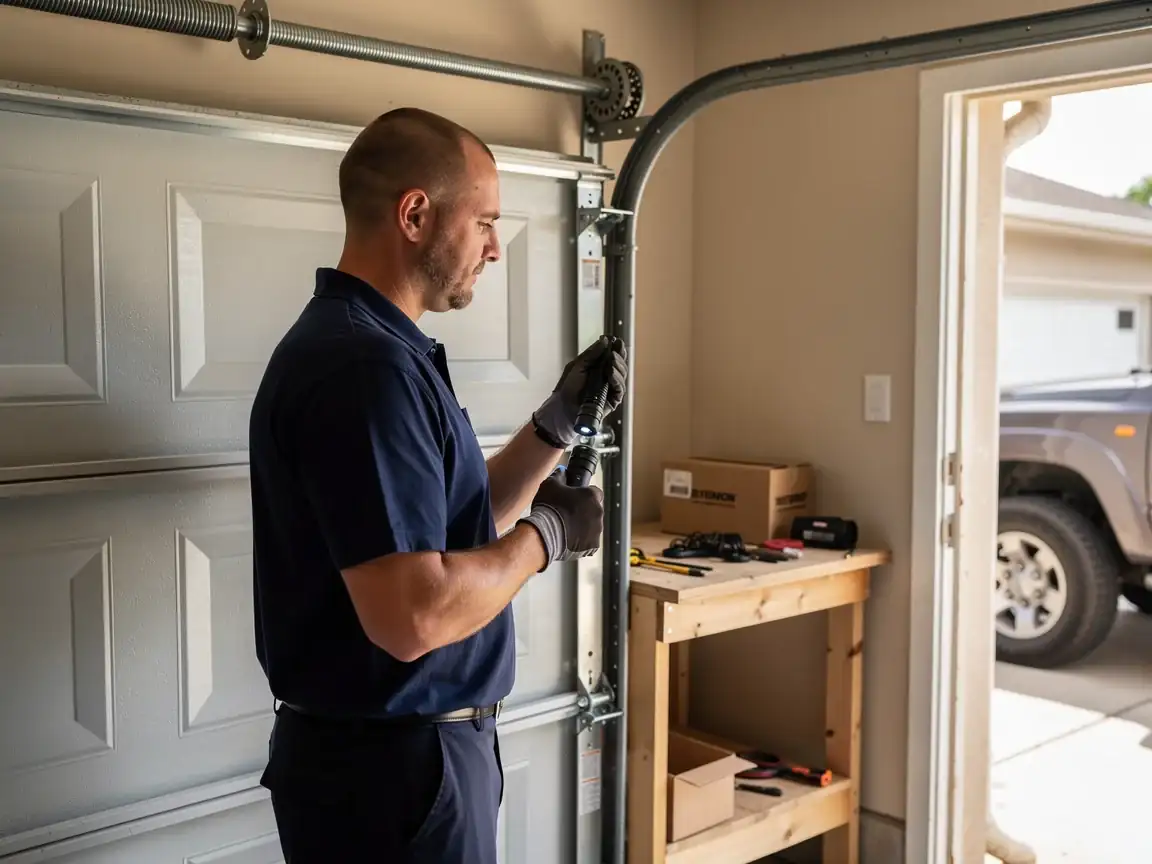
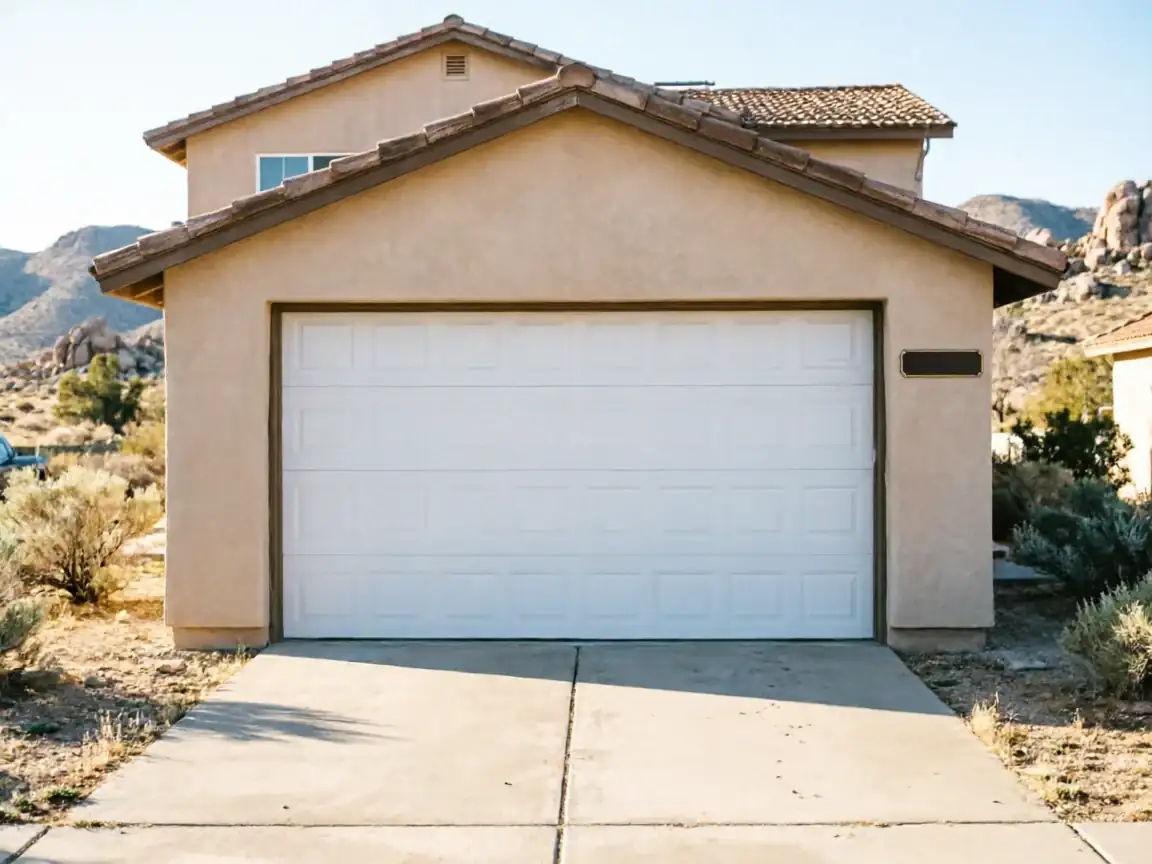
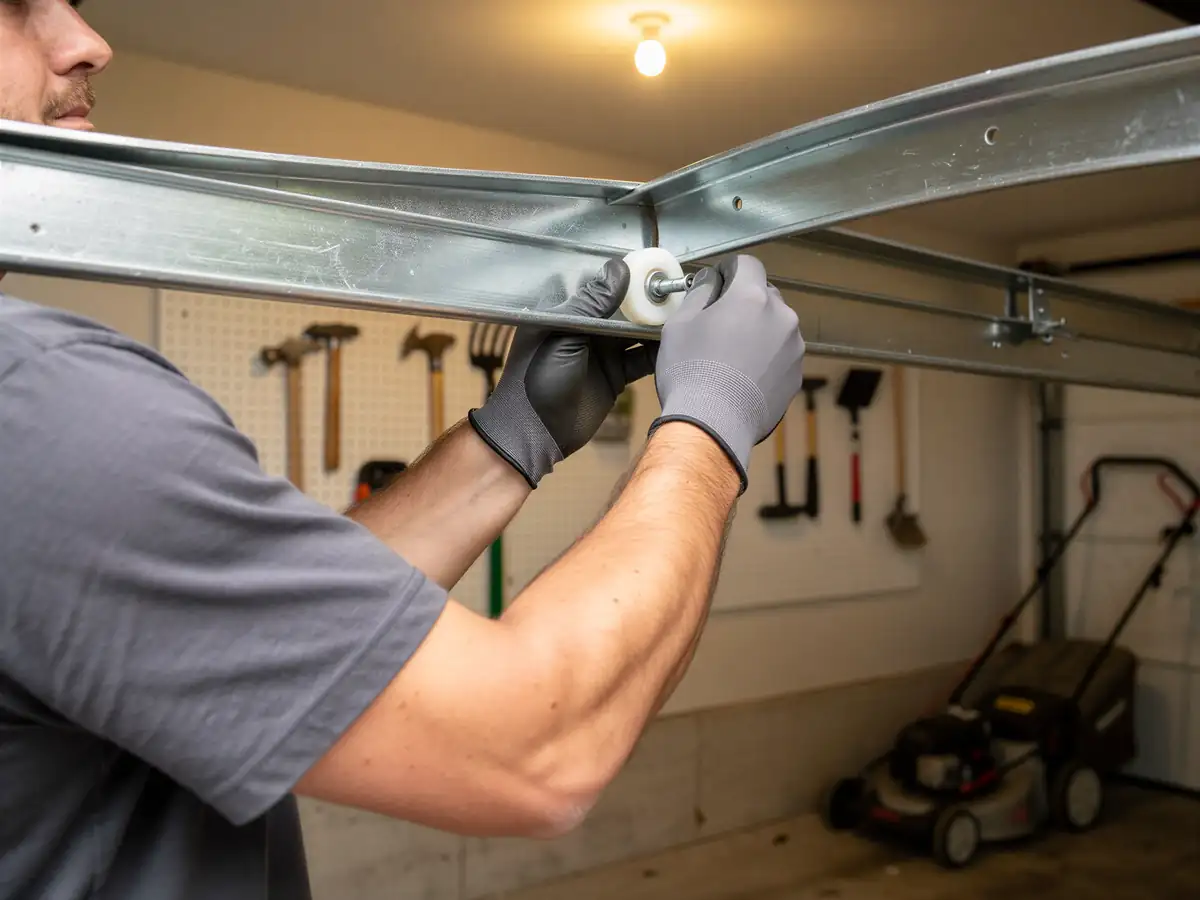
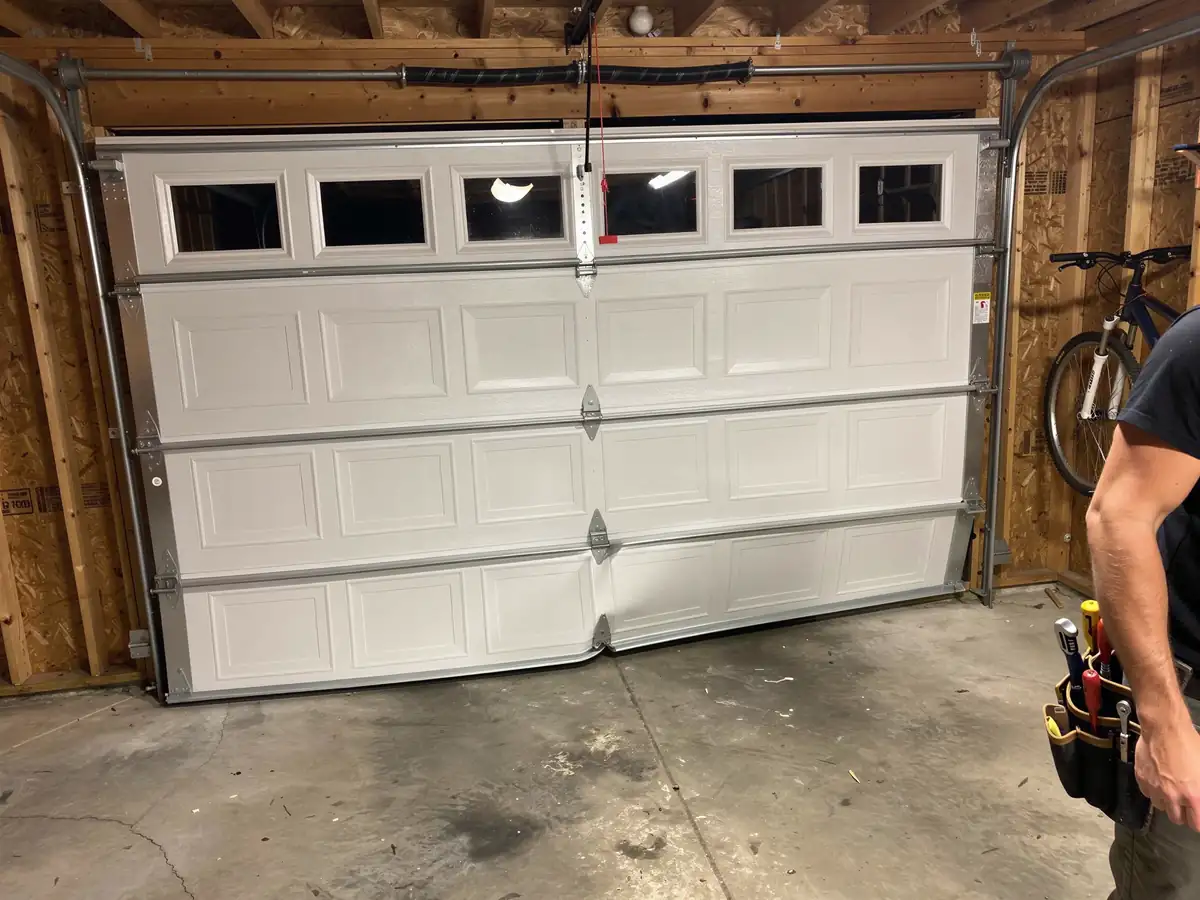
Most of the houses we work on in Carefree went up around 1989, in that same wave of 1980s and '90s construction that filled in this part of the valley. Doors from that era were hung on steel tracks with brackets bolted straight to the jamb, and after three-plus decades those brackets have usually loosened at least once, even on a door that's never been serviced. An off-track door here is rarely a single dramatic event. It's usually a roller that's worn thin enough to ride up out of the track groove, or a bent section where a bracket backed out a quarter inch and let the track splay.
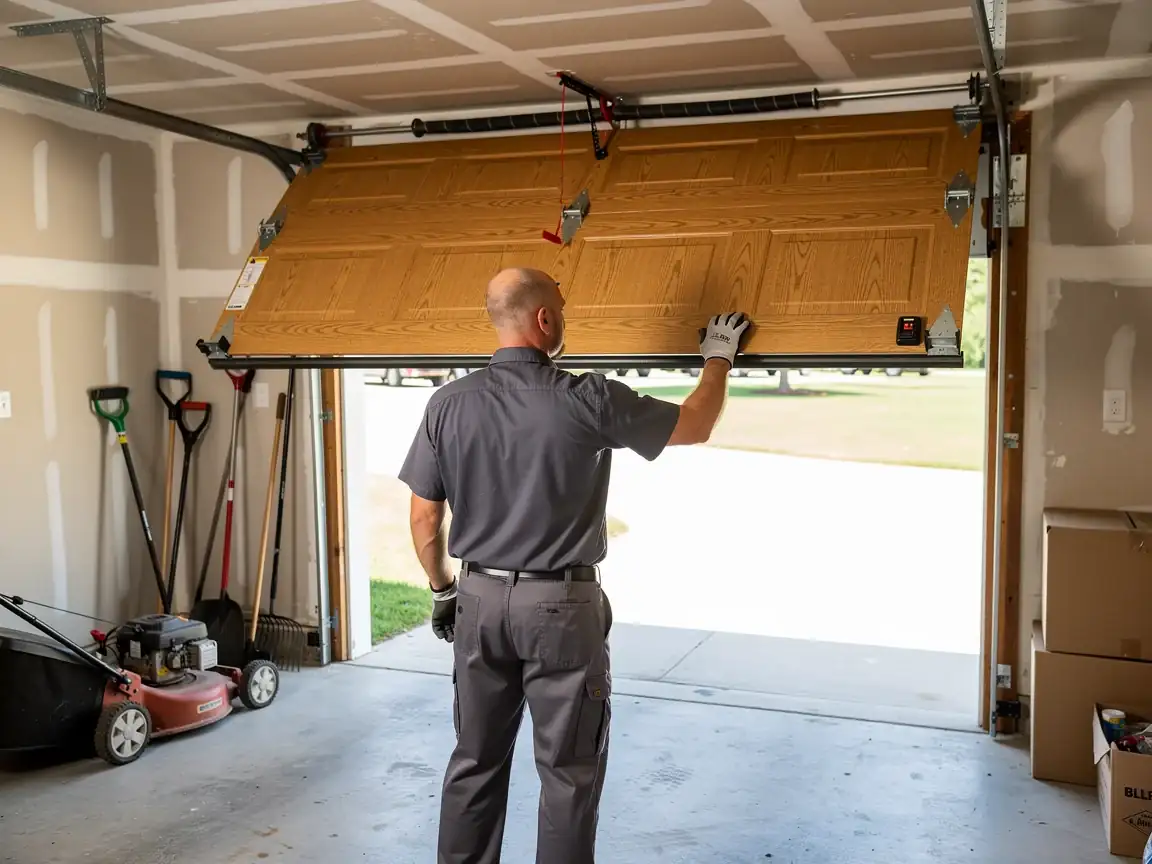
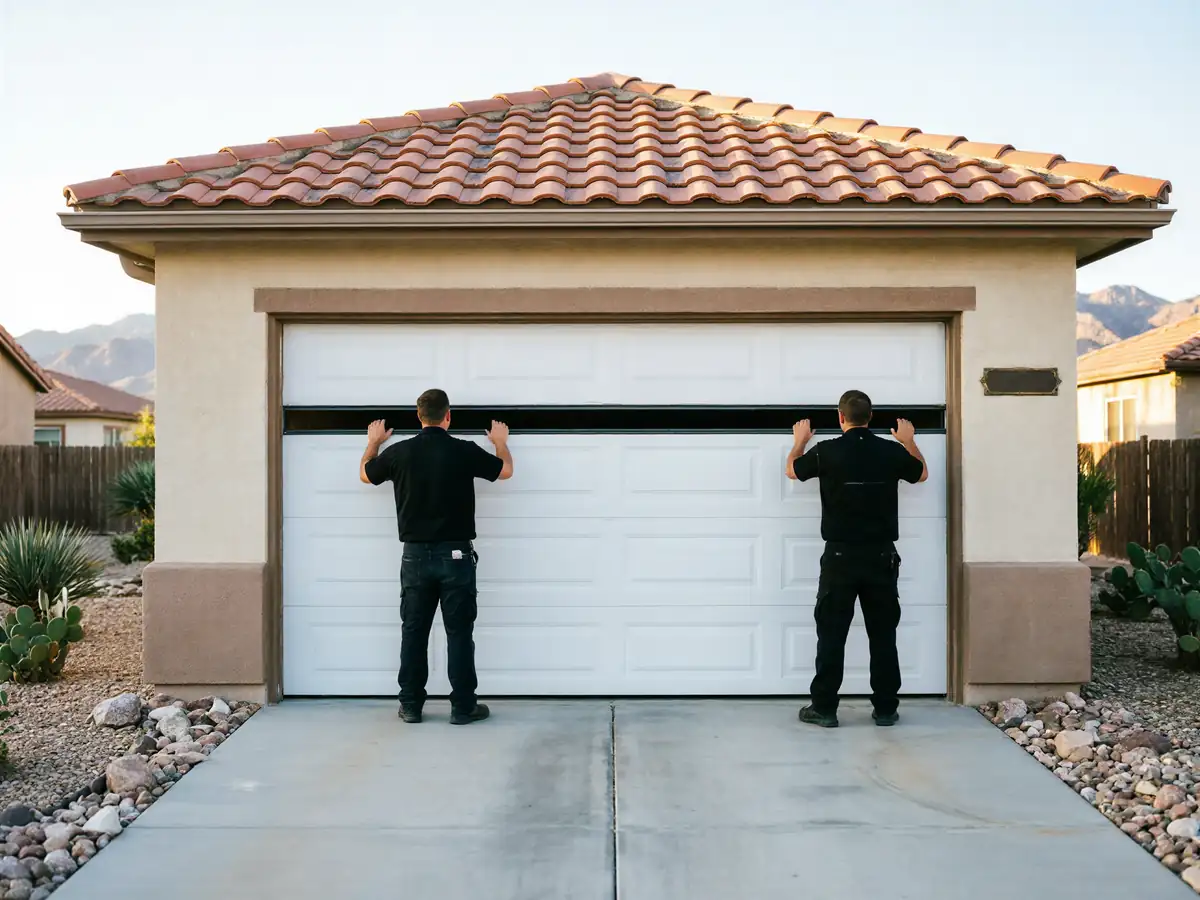
What you'll notice: the door looks crooked when it's partway open, one side rides higher than the other, or it binds and the opener strains against it. Sometimes a cable has come off its drum at the same time, which is a separate problem that looks similar from the garage floor. If the door came off the track evenly on both sides, that's different again - usually a spring issue, not a track issue, and it needs a different approach.
What Causes It Around Here
The heat is the long-term driver. Carefree sits in a severe-heat climate band, and steel track brackets and lag screws expand and contract through every summer-to-winter swing. Over 1,849 households' worth of garages built mostly in that late-'80s window, that cycle has had thirty-plus years to work screws loose in wood jambs and warp track sections that were never quite plumb to begin with.
The other driver is the hardware itself. Builder-grade rollers from that era were often nylon with steel stems, fine for the first decade but prone to cracking once the heat has dried them out. A cracked roller doesn't always break clean - sometimes it just rides unevenly, and that unevenness is what walks a door off the track over months, not all at once. We see the same pattern on a lot of the 1980s-90s stock across this side of the service area, which is part of why we don't treat an off-track call as a one-size fix.
What Can Go Wrong
An off-track door under tension is not a cosmetic problem
If the door is still attached to a wound spring and the track has splayed, the panel can drop without warning the next time the opener engages, and that's a real risk to anyone standing under it. We won't run the opener on a door that's visibly off-track - if yours is doing that, leave it where it sits and don't try to force it closed by hand.
Here's the honest limitation: not every off-track door is worth repairing as-is
If the track is bent in more than one spot, or if the bracket pulled out of a jamb that's also rotted at the base - which happens on some of this area's older stock - patching the track usually isn't worth the labor, and we'll say so rather than charge you for a fix that fails again in a year. Parts for some of the original 1989-era track hardware aren't stock items either, so a straight swap to a new track section is often the more honest answer than hunting down a match.