Time on the Job
Carefree sits about 18 miles out, the farthest stop in Fountain Hills Garage Door Pros's coverage area
So this isn't a job we show up to on a whim. We don't keep a branch or a drop box out here - every truck that works on a Carefree roller job starts in Fountain Hills and drives in. That means we batch the small stuff when we can and we're upfront that a same-day callback on a minor roller squeal isn't something we promise this far out.
- 18 miles
What we do bring with us matters more here than closer to home
Because a wasted trip costs more time. Most of the houses in this part of the service area went up between 1985 and 1994, with 1989 as the rough midpoint year, so we load trucks assuming original 1980s-90s track and roller hardware rather than anything newer. Across the roughly 1,849 households here, that era of housing stock is a smaller slice of the broader service area's 8,109 households, but the hardware problems repeat in the same pattern house to house. Knowing that before we arrive saves a second trip for a part we should have carried the first time.
What You Are Seeing
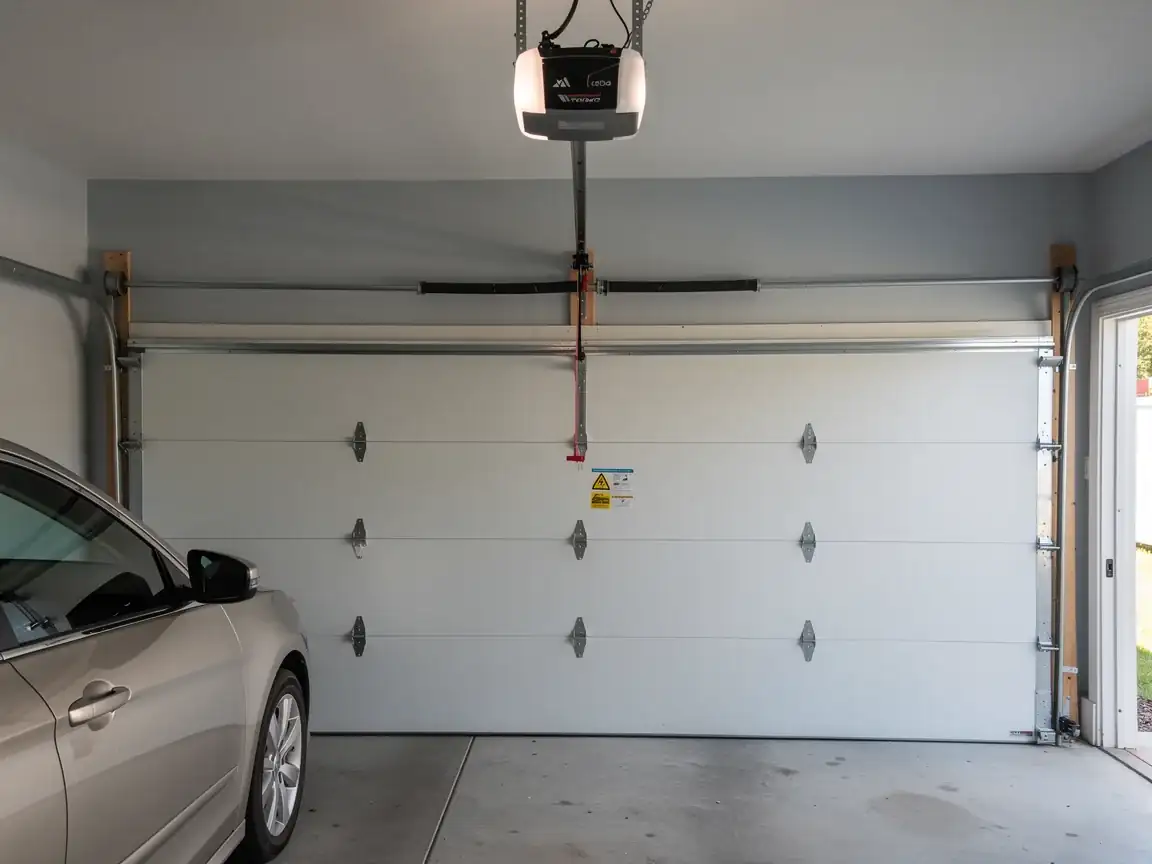
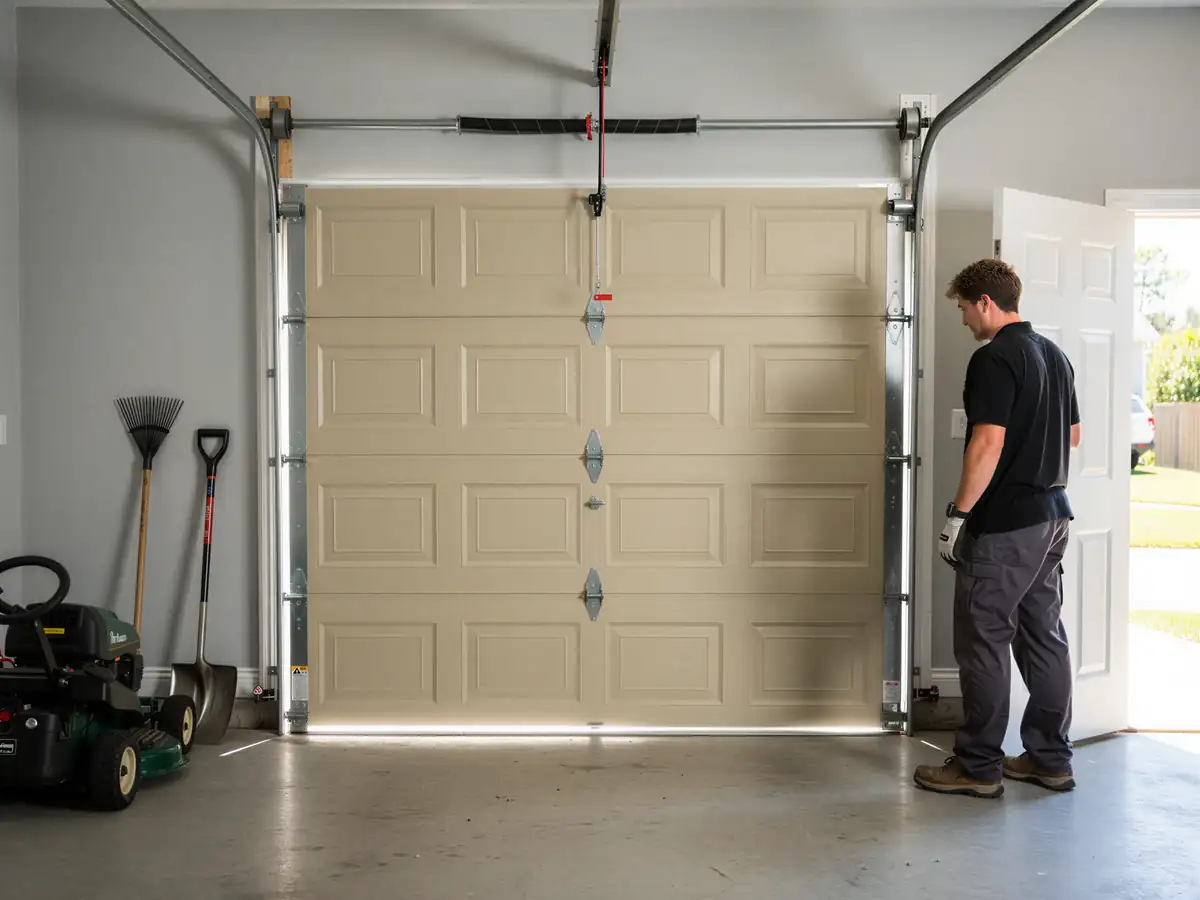
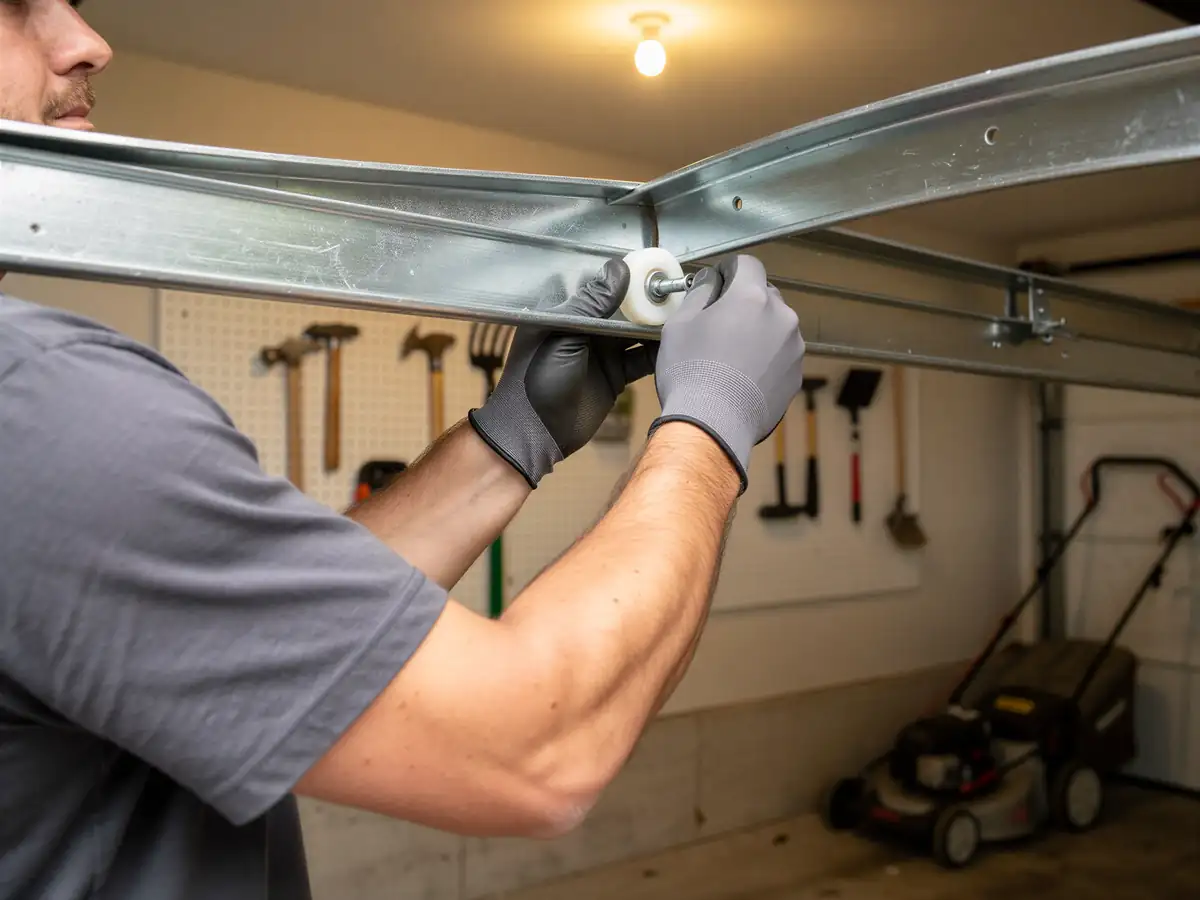
If your door's rollers are original to a house built in that 1985-1994 window, they're most likely the cheap nylon style that came standard on builder-grade doors of that era, not the sealed-bearing kind sold today. The telltale signs: a grinding or popping sound as the door passes the bend where track meets header, a door that jerks instead of gliding, and rollers that look flat-sided or chipped where they ride the track rather than round.
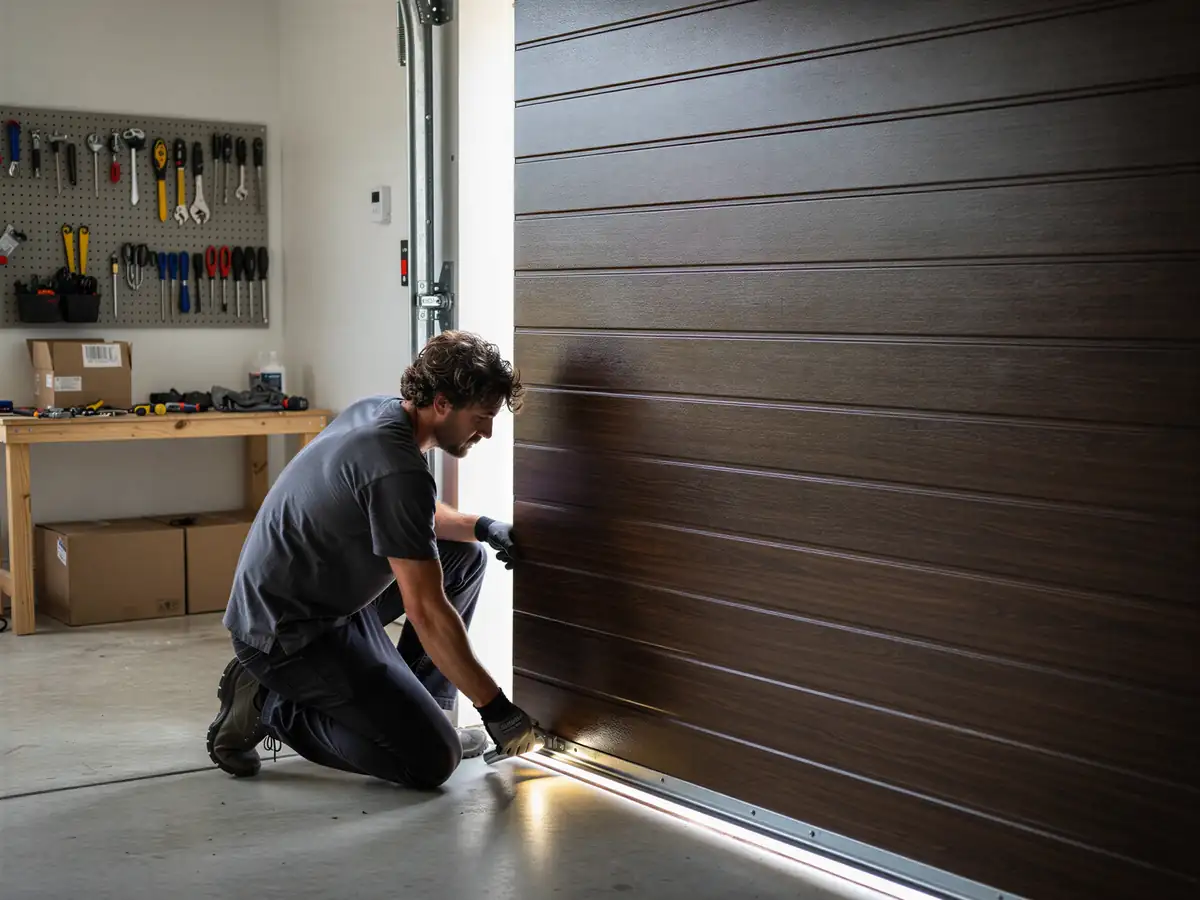
Some owners mistake this for a spring problem because the door seems to struggle, but if the opener still lifts the door with effort and the noise is localized to one or two points in the travel, it's almost always the rollers and not the spring. Track wear from decades of dragging on bad rollers is common too - you'll see shiny grooves worn into the rail where a cracked roller has been rubbing metal on metal instead of rolling. We'll tell you straight if the track itself needs replacing alongside the rollers; patching rollers onto a gouged track just moves the noise somewhere else.
What Causes It Around Here
This area sits in a climate band rated HEAT severe, and that's the single biggest reason rollers fail here faster than the stamped lifespan on the package. Nylon rollers are a petroleum-based plastic, and years of direct heat exposure on a garage's south- or west-facing track dries them out, making the roller face brittle instead of pliable. Brittle nylon chips under the stress of daily opening and closing long before the bearing inside ever wears out.
Heat cycling matters as much as peak temperature - a track that bakes all afternoon and cools fast overnight makes the metal expand and contract, which gradually changes its alignment by fractions of an inch. Rollers that were fine on a straight track start binding on a slightly bowed one, and that extra friction is what turns a quiet roller into a grinding one. None of this is specific to one house; it's the baseline wear pattern for original hardware from the 1985-1994 era sitting through enough summers in this climate band.
What Can Go Wrong
A cracked nylon roller doesn't usually fail all at once
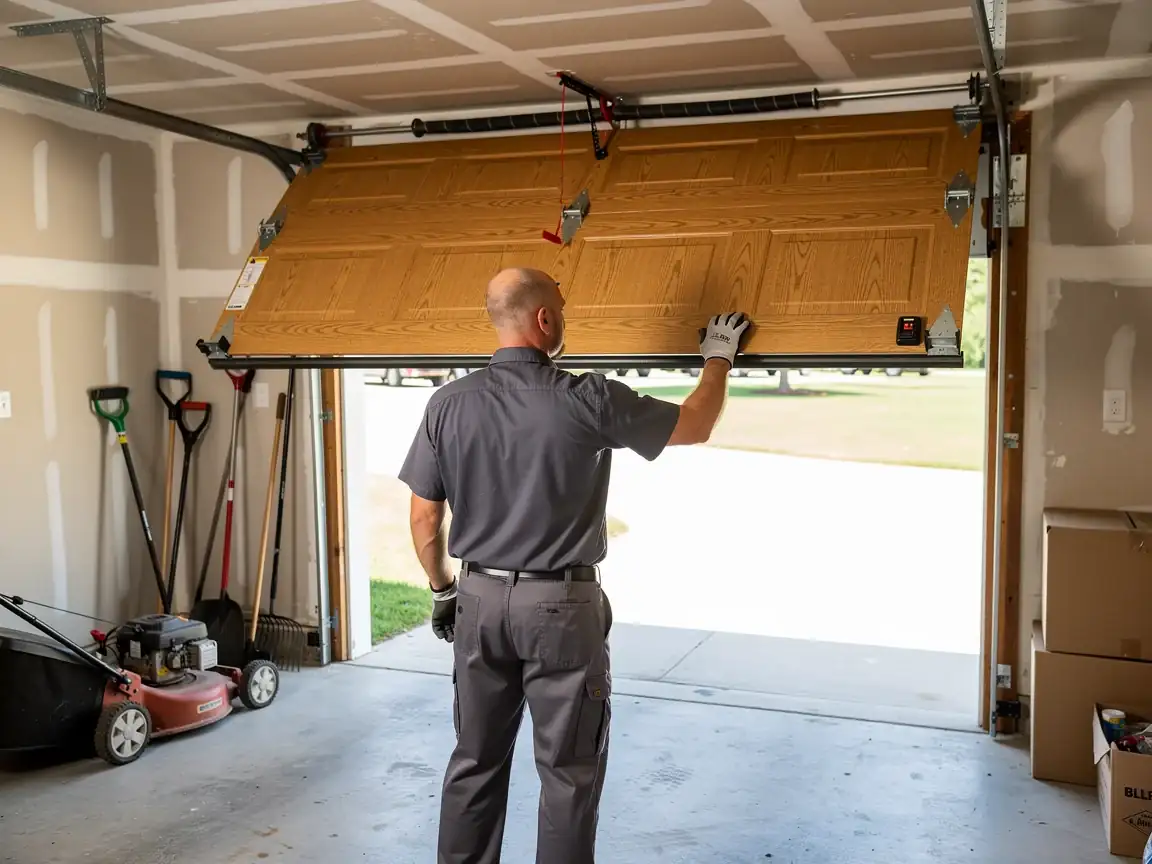
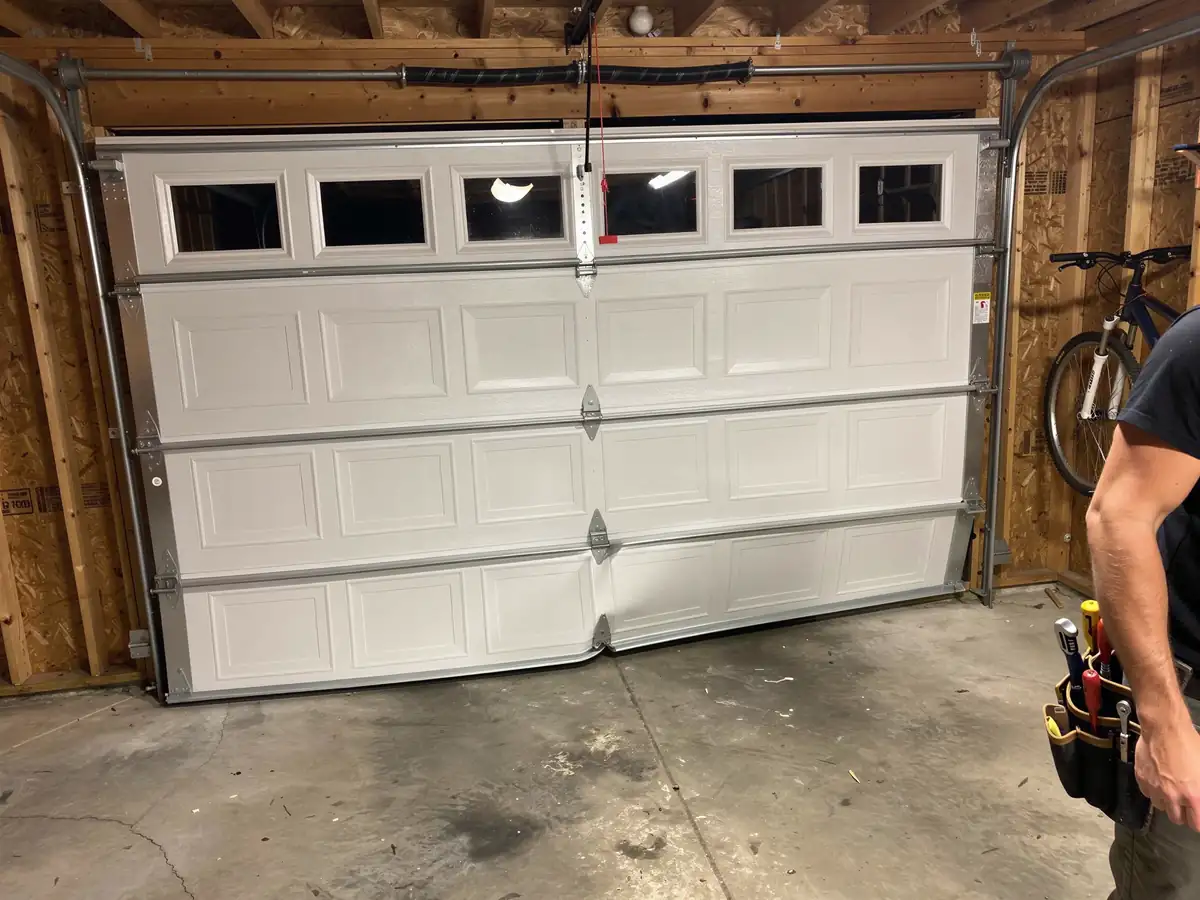
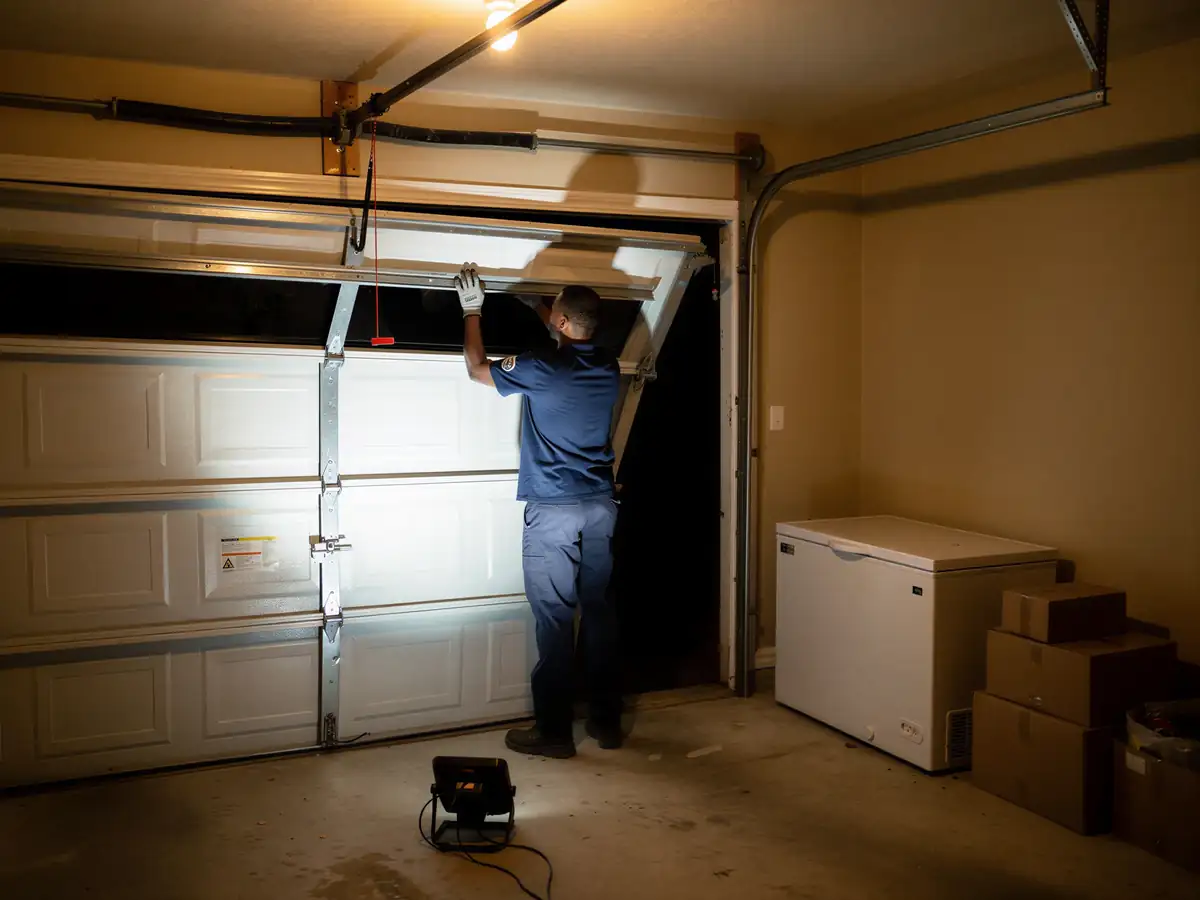
It chips a little more each cycle until a chunk breaks off mid-travel. When that happens, the roller stem can drop out of the track entirely, and the door comes off its rail on one side. On a double door that's heavier to begin with, that's enough to bind the whole opener and, in the worst case, bend a track rail that then needs replacing along with the rollers.
Ignoring a grinding roller also wears the track groove itself over time, and once the track is gouged
New rollers won't glide the way they should - you end up needing a track section too, which is a bigger job and bigger bill than it had to be. Given the median household income here of $141,331, most owners we talk to choose a full roller set in sealed-bearing steel over patching one or two nylon rollers, since the labor to get the door apart is most of the cost either way and a mismatched set just fails again sooner.