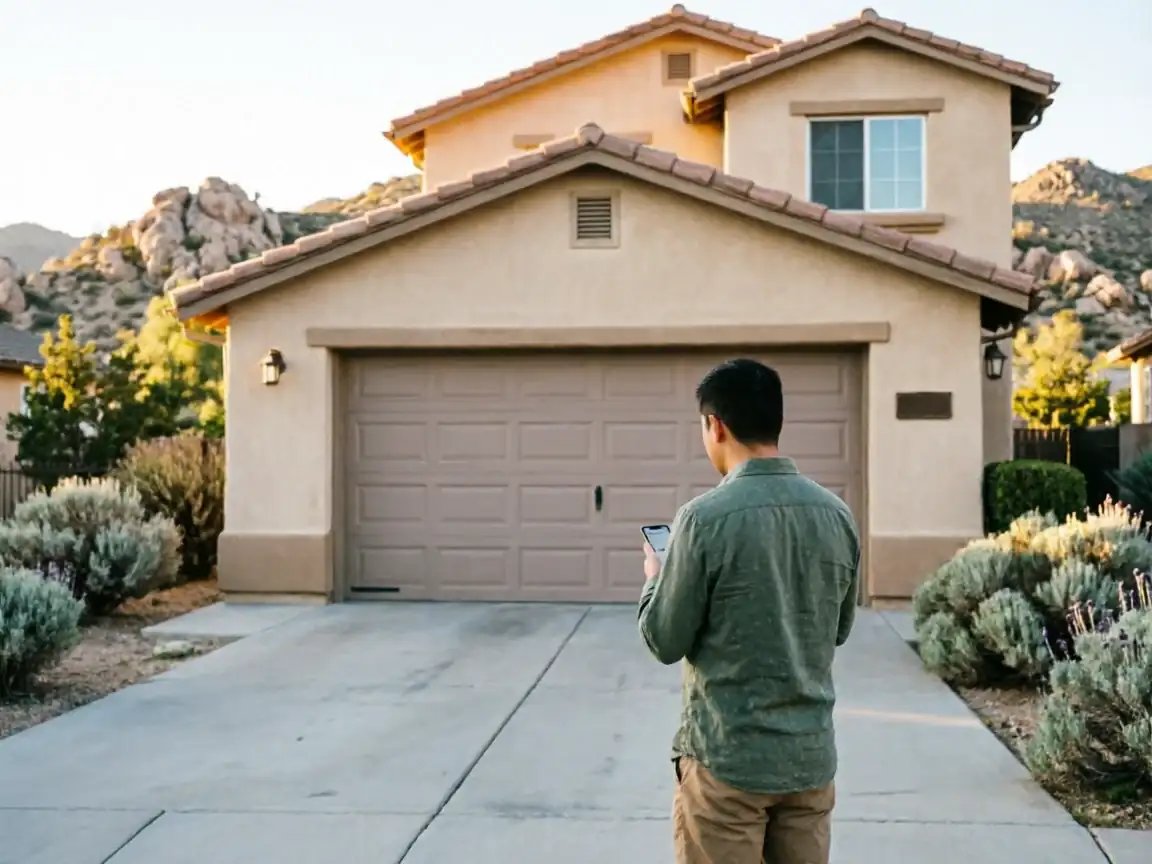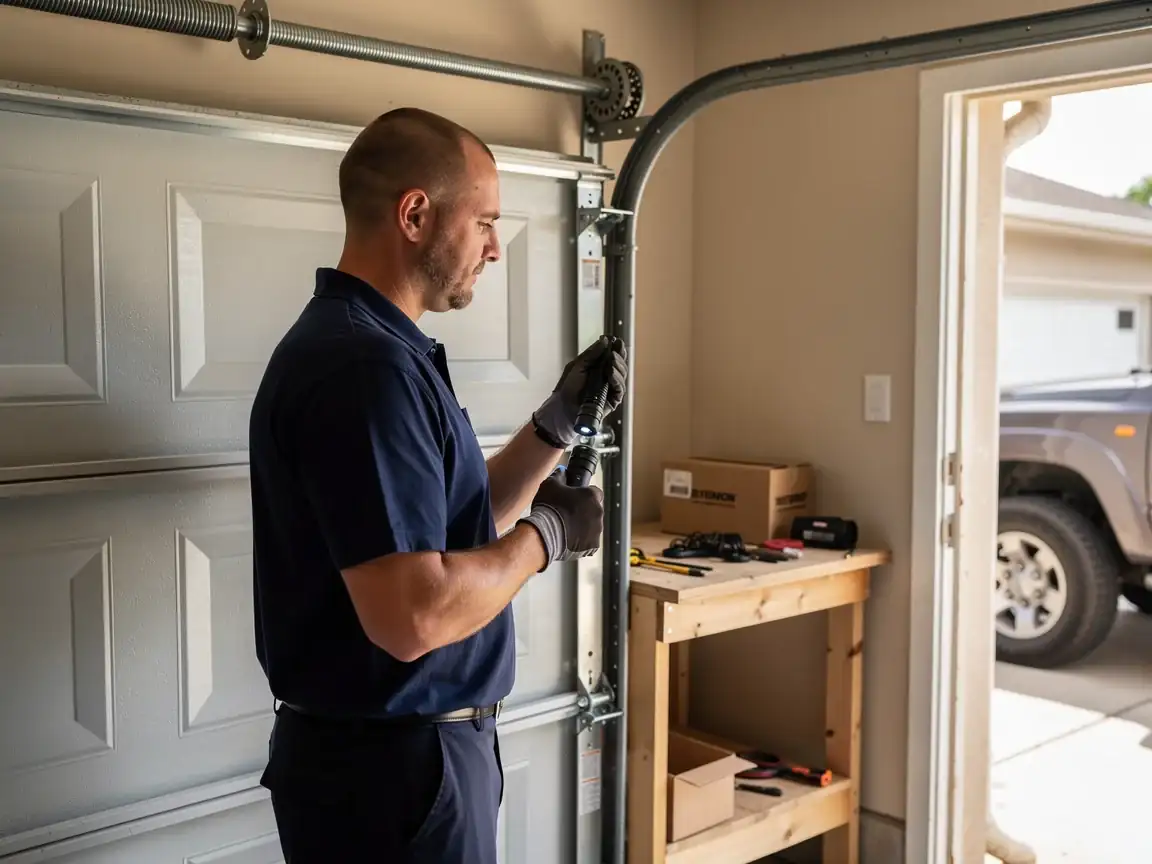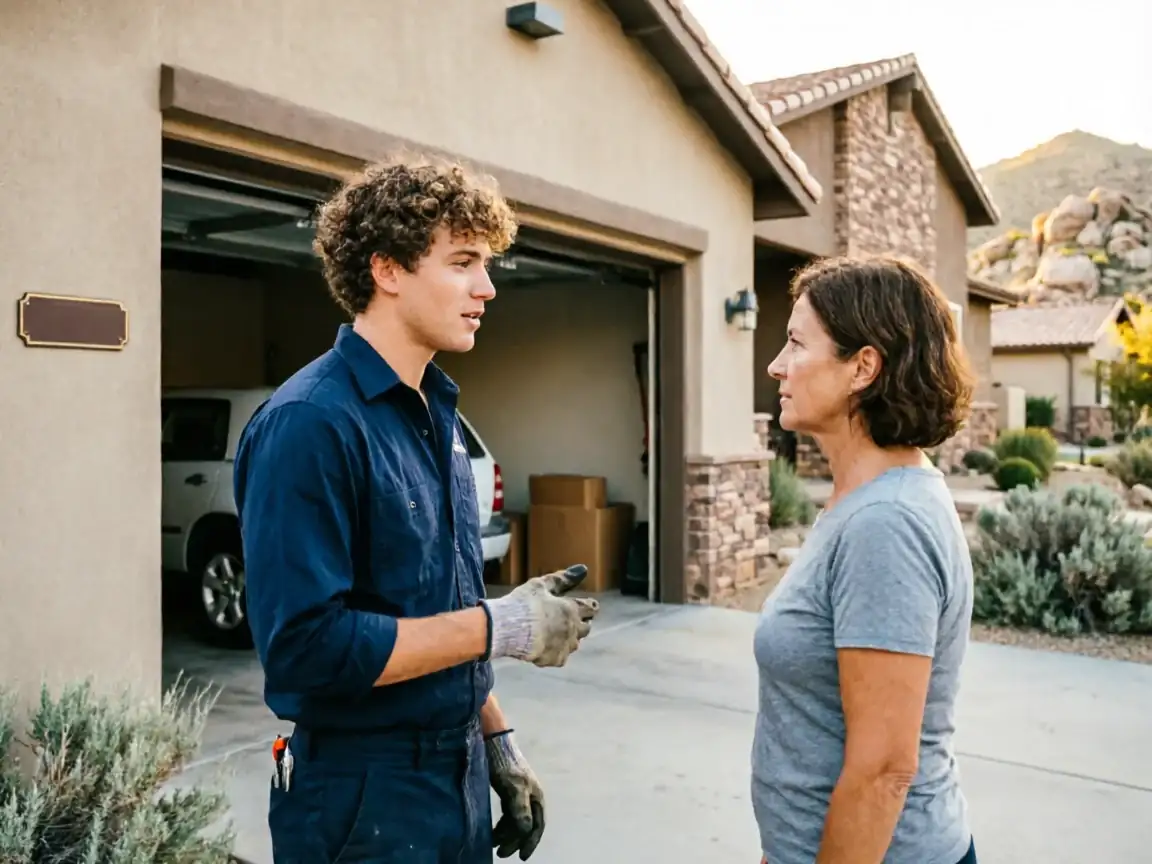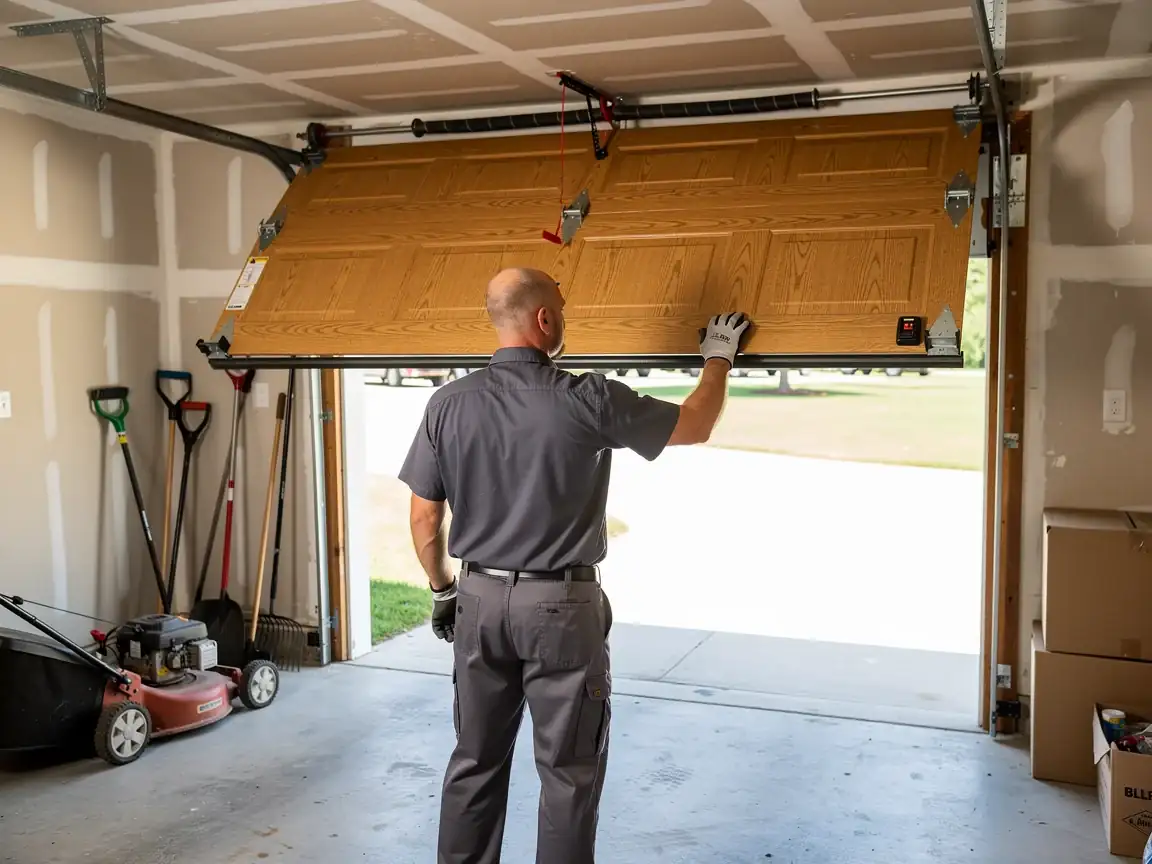
Time on the Job
We work out of Fountain Hills
And Carefree sits about eighteen miles out, at the far edge of where we cover. That distance matters for how a panel job gets scheduled here: it's not a same-day drop-in the way a job seven miles away in might be. We batch Carefree calls with other jobs headed that direction when we can, and we tell you that up front instead of promising a window we can't hit from this far away.
What the distance doesn't change is the work itself
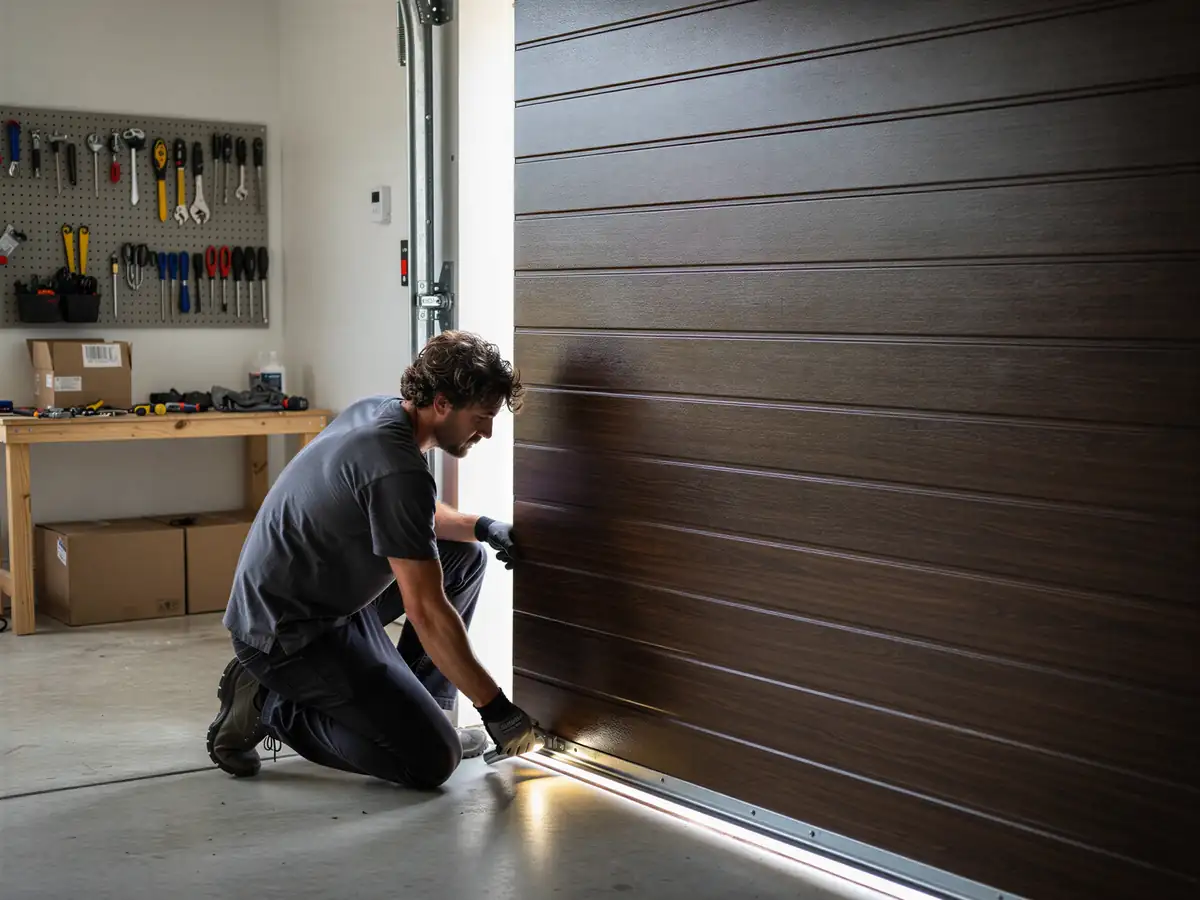
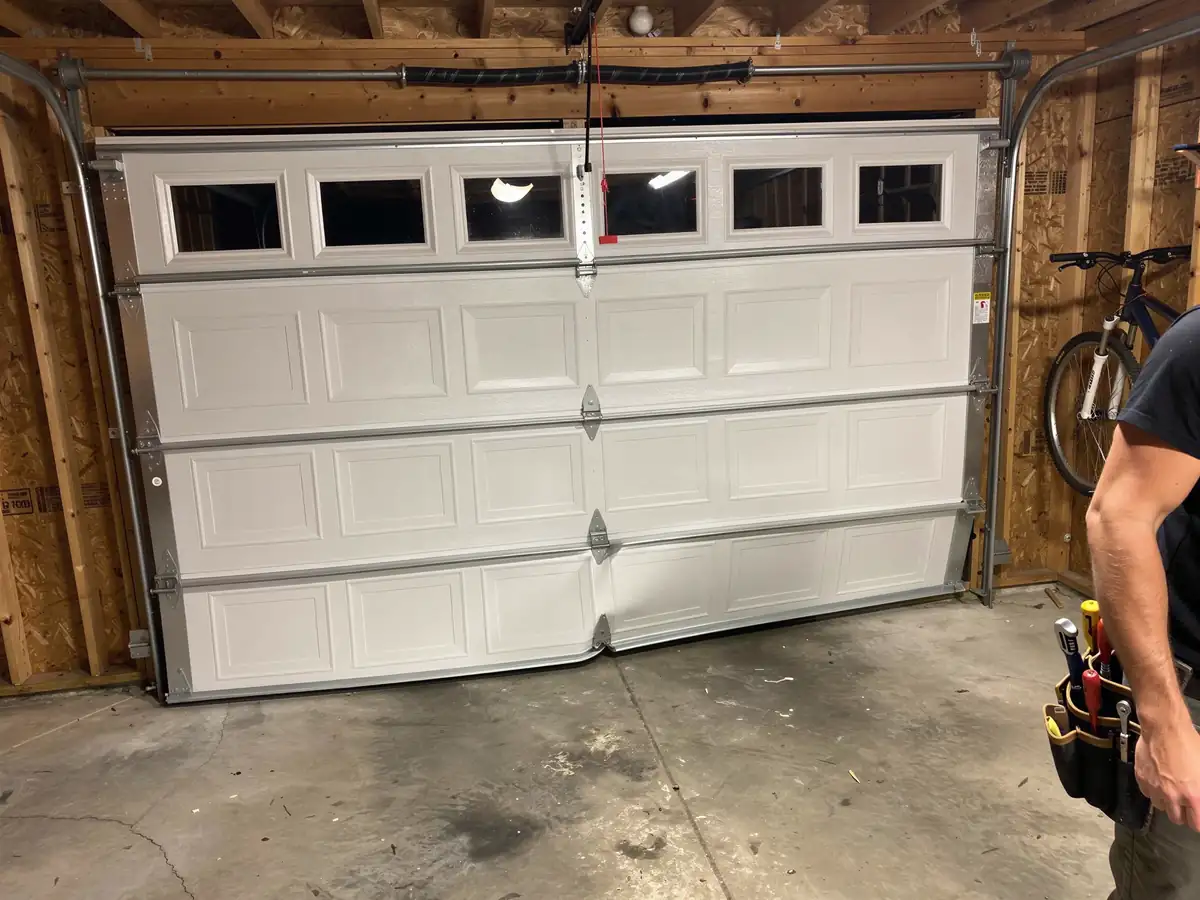
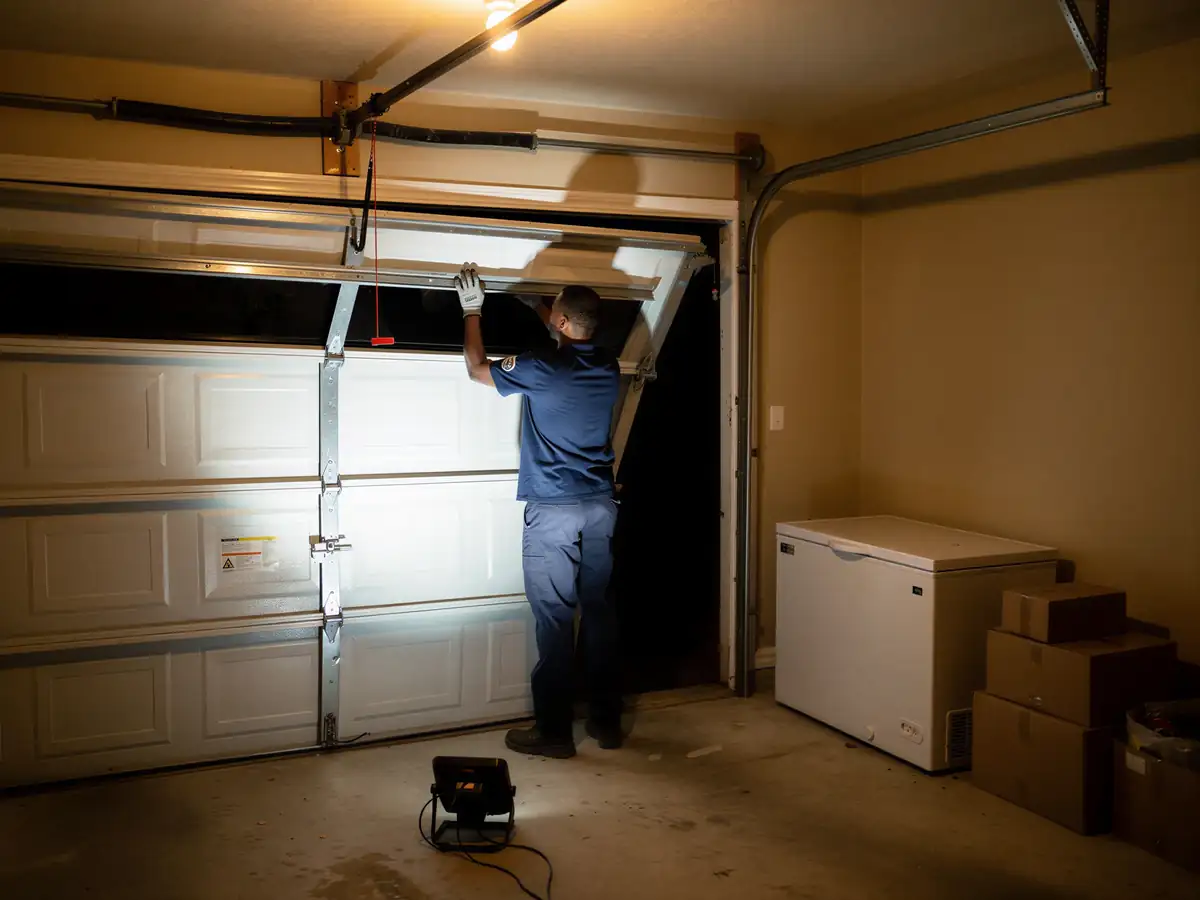
A cracked or dented panel gets measured, matched, and ordered the same way wherever the door sits. The difference is logistics, not craft. If a panel needs to come from a supplier rather than off the truck, that adds to the timeline on a Carefree job the same way it would on any job this far from the shop - we just plan for it instead of guessing.
Homeowners here tend to have the household income to support getting it done right the first visit rather than stretching a patch job across two trips
Which also helps - fewer return trips across that eighteen miles means less time lost to the drive.
What You Are Seeing
Carefree's median household income runs $141,331, well above what usually forces a homeowner into the cheapest possible fix. At that income level, the math on a damaged panel usually comes out in favor of replacing it properly rather than bolting on a mismatched used panel or living with a dent. That's the real starting point for this page: not what panel failure looks like in general, but which repair-or-replace line applies to houses at this income here.
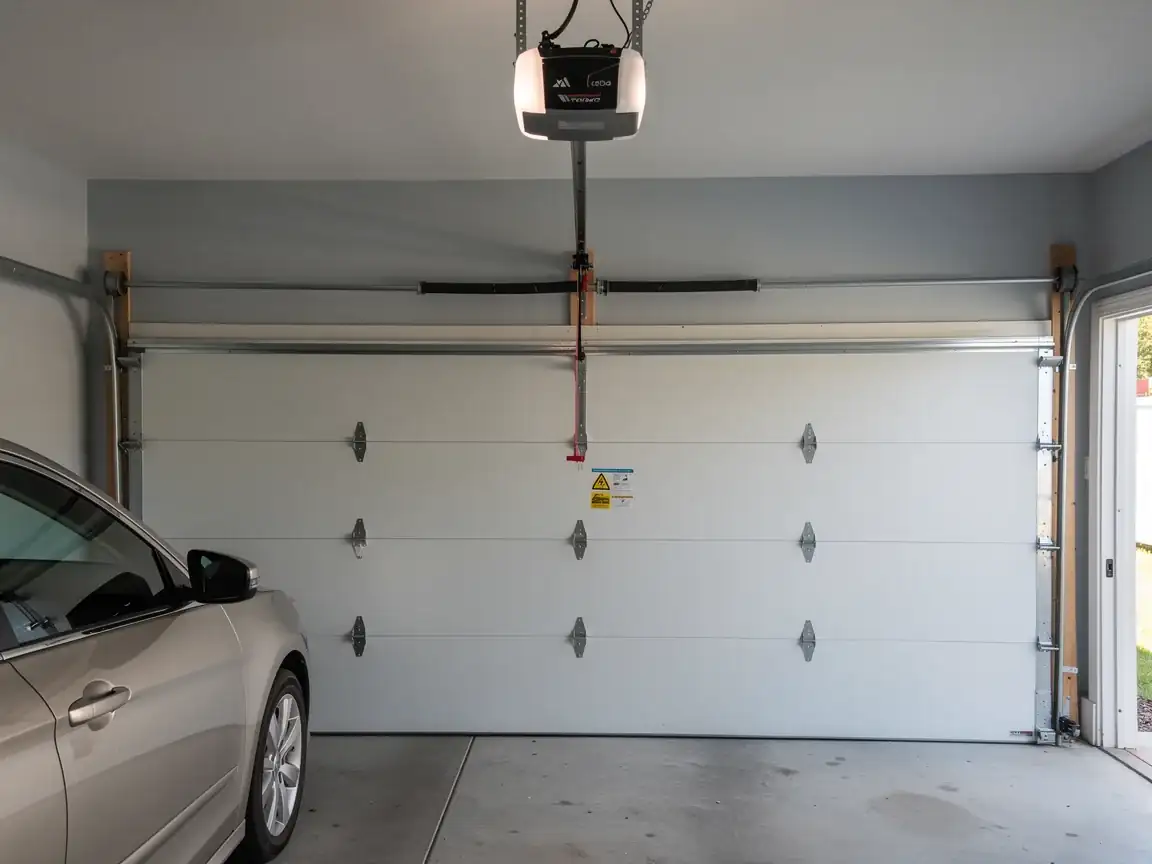
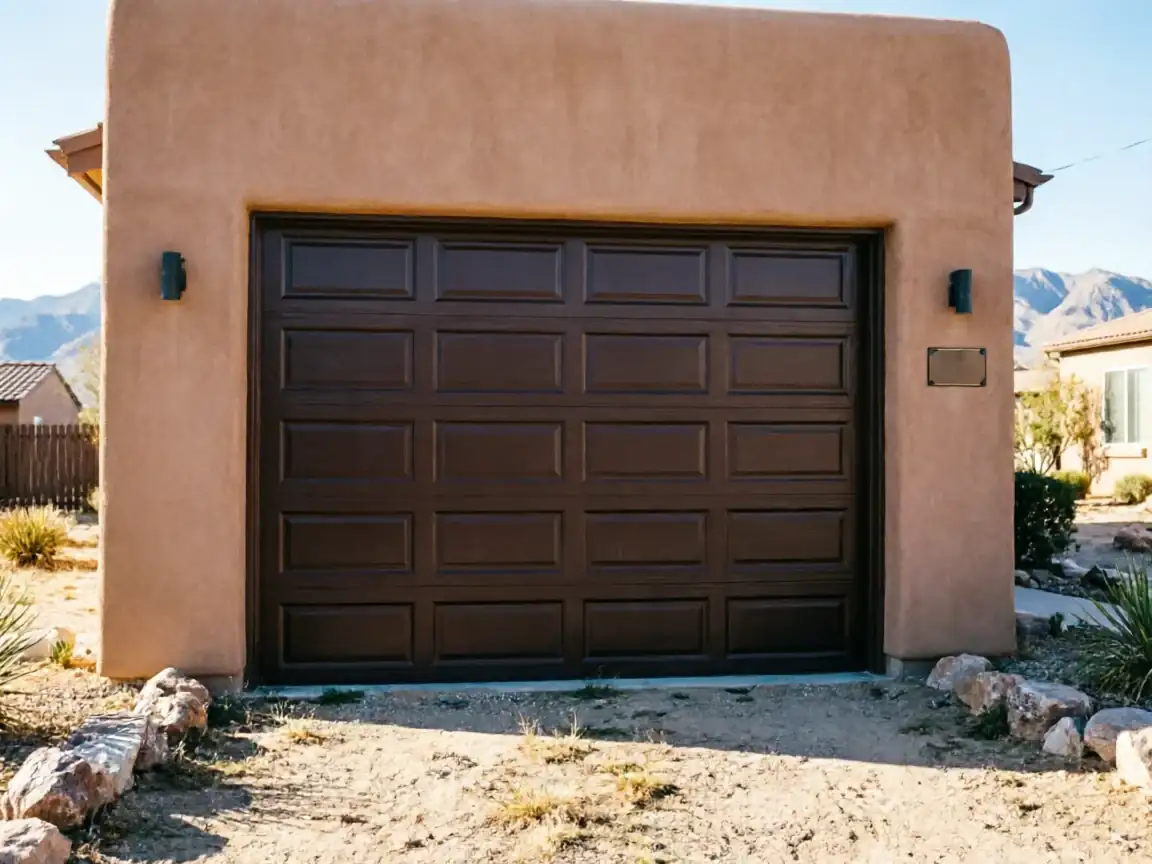
What you're actually seeing on most Carefree doors is tied to the building stock. Housing in this area clusters around a median year built of 1989, which puts a lot of doors here right in the steel sandwich-panel era - foam core between two steel skins, a common build through the late 1980s and early 1990s. Over three decades, those panels show their age as surface checking, foam separation at the seams, and bowing along the bottom section where moisture and heat cycle hardest.
A panel from a 1989 install isn't a direct match to anything on a shelf today. Profiles and gauges shifted over the years, so what you're looking at often isn't a simple swap - it's a sourcing problem first.
What Causes It Around Here
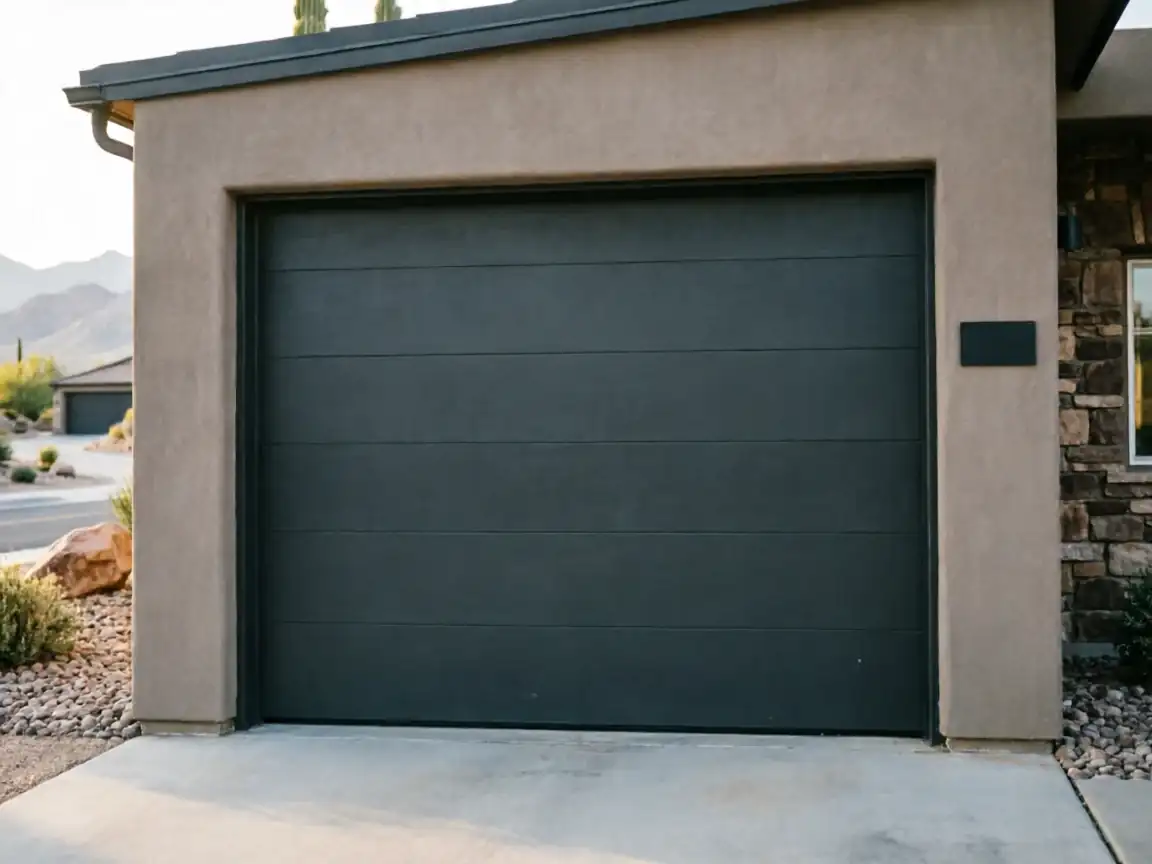
This area sits in the severe end of the region's heat band, and panels take that load directly - more than springs or openers do. A garage door panel faces full sun for a good part of the day in a lot of Carefree layouts, and steel skins expand and contract across that heat swing every single day, year after year. On a panel built in 1989, three-plus decades of that cycling is what you're seeing when a seam starts to separate or a panel bows.
Foam-core panels from that era weren't built with today's UV-stable coatings, so the paint finish goes chalky and the foam underneath can shrink slightly, which is what causes the skin to pull away from the core at the edges. It's not damage from one bad day - it's the slow accumulation of heat load on an original 1989 panel that was never going to last forever in this climate.
We don't see this as frequently on garage doors installed in the last decade, because manufacturers moved to better UV-resistant finishes and tighter foam bonding. That's one reason full-panel replacement on an older Carefree door, rather than patching, tends to be the more durable call.
What Can Go Wrong
The honest limitation here
Matching a panel manufactured for a 1989 install to what's available today isn't guaranteed. Profiles, panel heights, and even the way sections lock together changed over the decades, and a panel that looks close in a catalog photo can be off by enough that it won't seat right against the original sections. When that happens, we tell you before we order anything, not after.
When an exact match isn't available, you're choosing between a visible mismatch on one section
Or replacing the full door. For a lot of Carefree homeowners, given the income level here and the age of the original door, replacing the whole door ends up being the more sensible call rather than running a door with one newer panel next to three older, sun-faded ones.
The other thing that can go wrong is skipping the hardware check
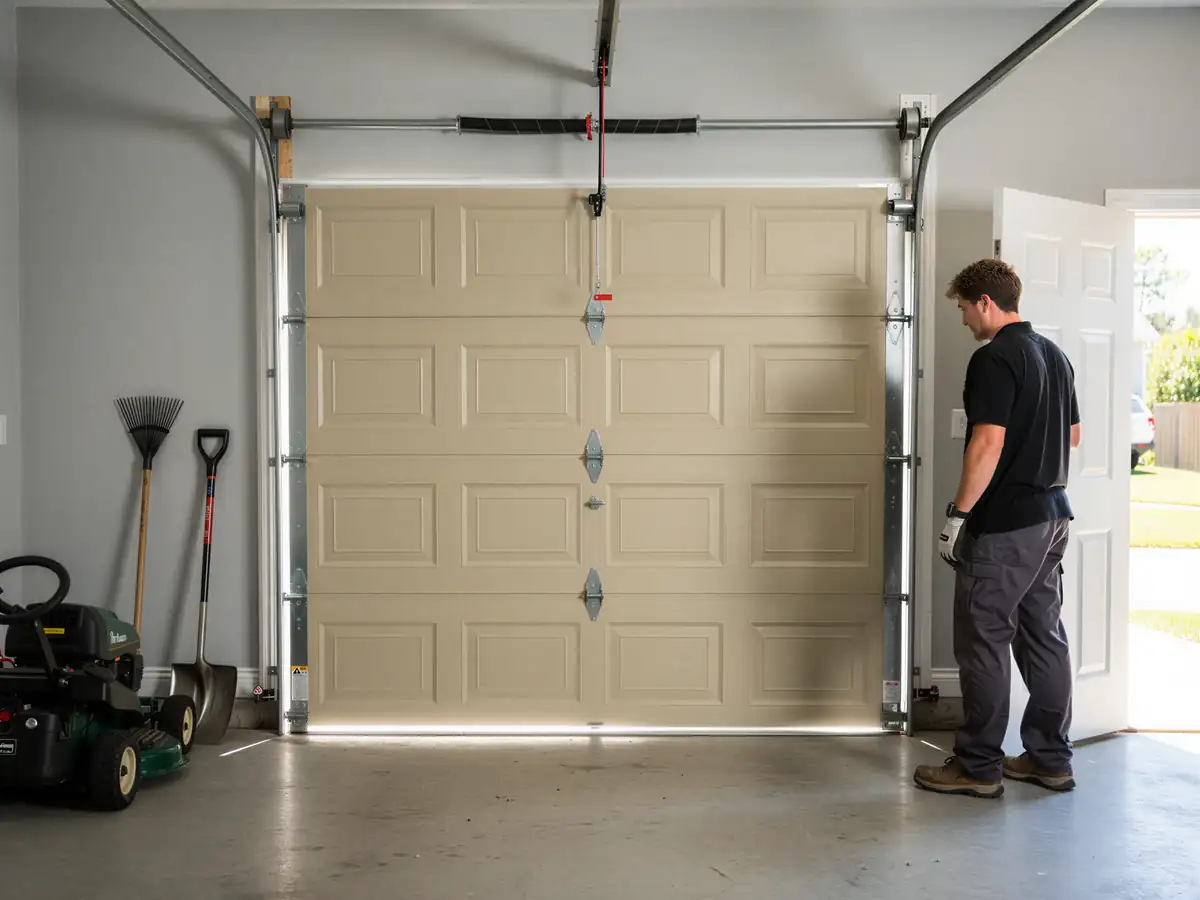
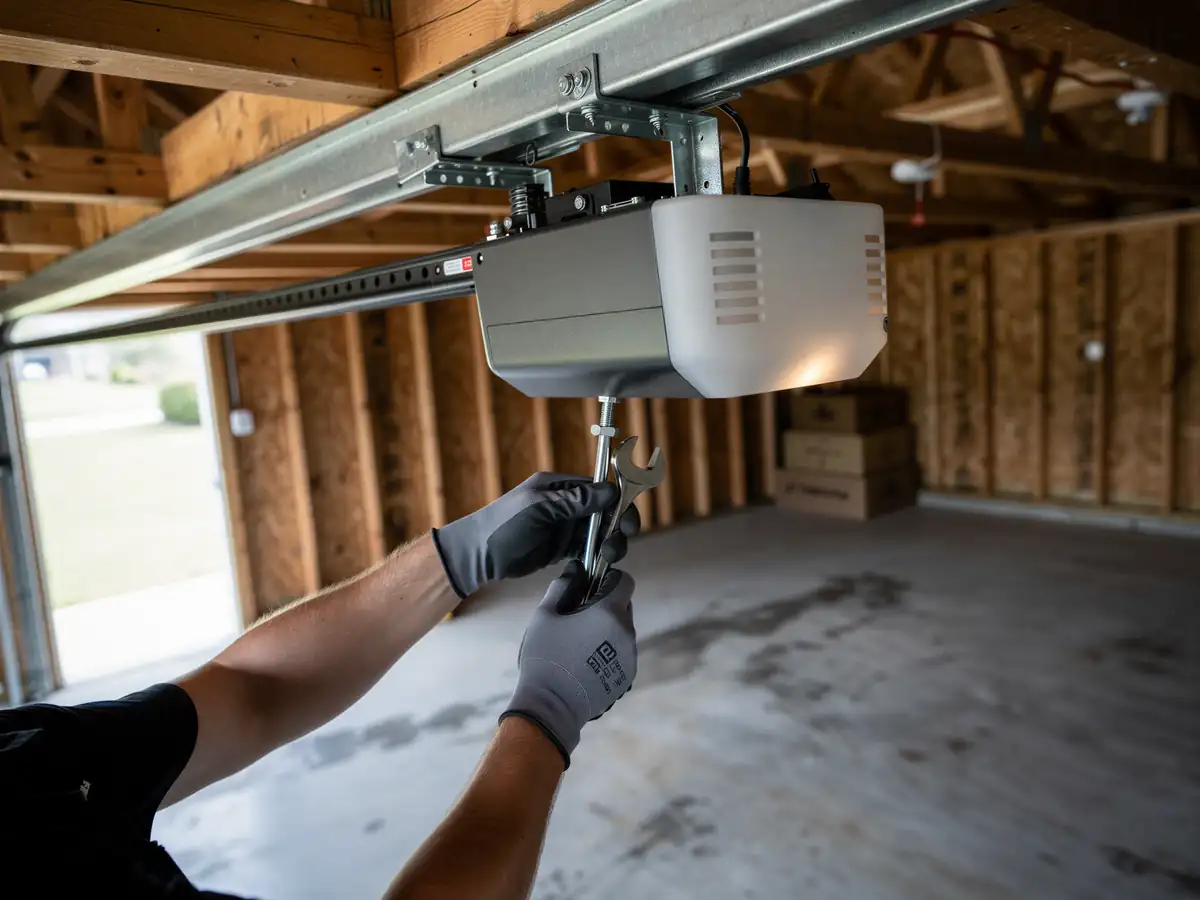
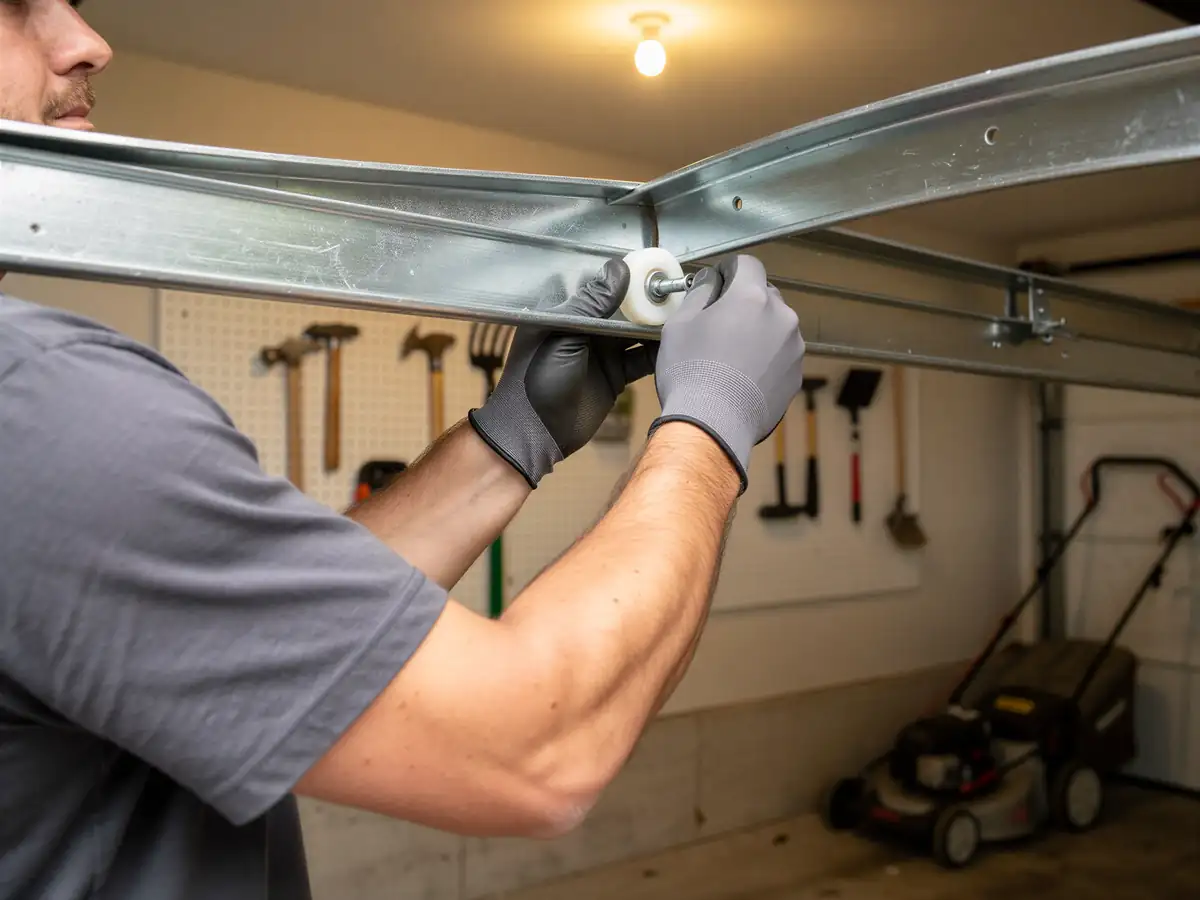
A heat-stressed panel from 1989 often shares the door with original rollers and hinges from the same install, and swapping the panel without looking at that hardware just moves the next failure down the road a few months instead of fixing it.